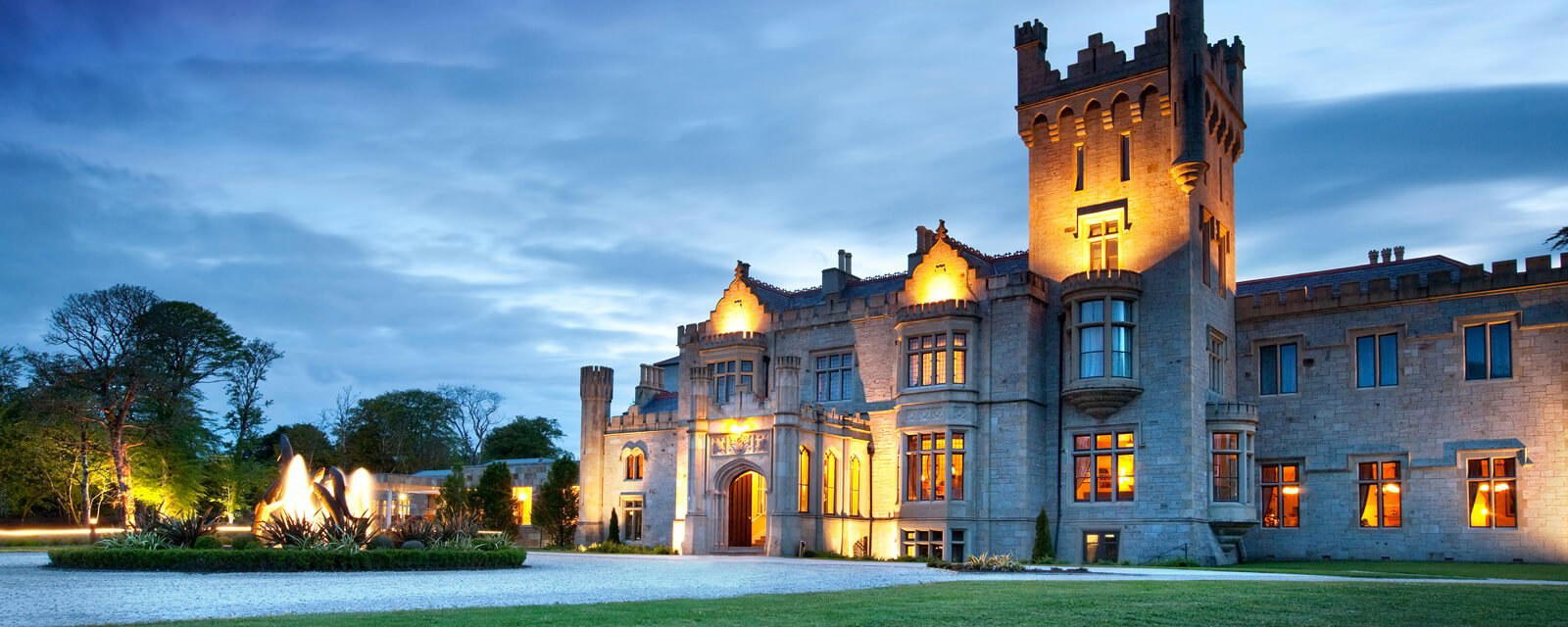
Cedars Restaurant belongs to Donegal’s country-house dining tradition, where the argument is less about urban spectacle and more about proximity to Atlantic produce, farmland, and the slower rhythm of Lough Eske. The draw is the setting as much as the plate: a formal rural room in a county whose food identity is shaped by coast, pasture, and season.
Pearl is the En Primeur Club membership app — saves, bookings, and concierge access live there. Same editors, same standards.
- Address
- Lougheask Demesne, Lough Eske, Co. Donegal, Ireland
- Phone
- +353 74 972 5100
- Website
- lougheskecastlehotel.com
- Directions
- Get directions
 Saves & bookings on Pearl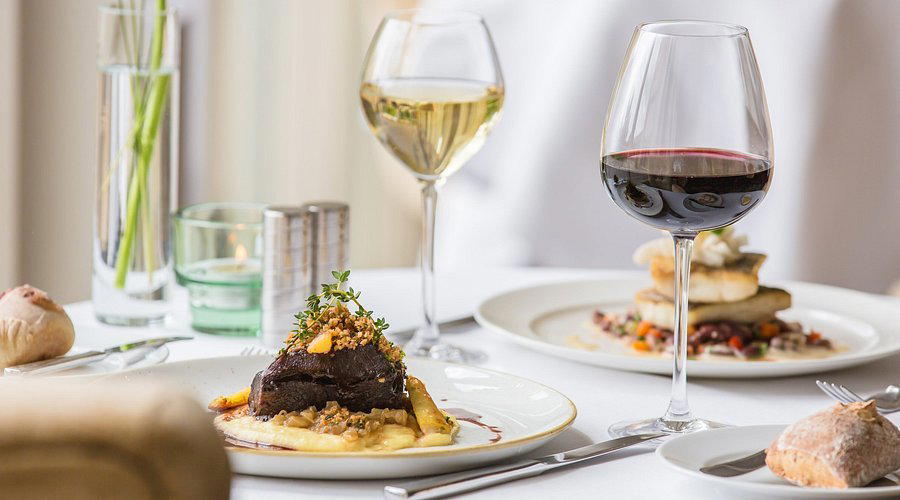
Approaching Cedars Restaurant means leaving the tempo of town dining behind for the quieter register of Donegal: rural approaches, weather, distance, and the particular hush that more composed restaurants rely on before a plate has landed. In Donegal, that matters. The county’s dining culture is not built around dense restaurant districts or late-night table turnover; it is shaped by distance, weather, Atlantic supply lines, and the difference between a meal planned into a stay and a meal grabbed between appointments.
That makes Cedars Restaurant a useful lens on Donegal’s premium rural dining. The room belongs to a tradition where the setting carries weight, but the food has to answer to the county around it. Donegal kitchens sit close to local producers, coastal supply, farms, and seasonal produce that often travels shorter routes than the guests. The stronger restaurants in this part of Ireland understand that sourcing is not decoration. It is the reason the meal makes sense here rather than in Dublin, Cork, or Galway.
Donegal sourcing is the point, not a garnish
Ingredient-led cooking in Donegal has a different pressure from ingredient-led cooking in a capital city. In urban rooms, provenance can become a menu language; in the northwest, it is closer to logistics. Weather affects availability. Rural suppliers are not abstractions. Seasonality is not a slogan when the county’s coastline and farms determine what is worth cooking.
Cedars Restaurant sits inside that conversation. Its critical case rests on context as much as recognition language: a Donegal setting and a dining format that asks to be judged against other rural Irish rooms where place is part of the meal. Lemon Tree represents one kind of regional benchmark; Olde Glen Bar works at a more casual-country level; MacNean House occupies a more destination-led bracket. Cedars belongs in the country-house end of that spectrum, where setting, pacing, and supply relationships matter as much as menu ambition.
The useful comparison is not whether Cedars Restaurant imitates a city tasting-menu room. It is whether the kitchen gives Donegal’s ingredients enough room to register. In this county, heavy technique can flatten the advantage. The sharper move is restraint: letting local produce and coastal supply speak clearly, and using the dining room’s slower rhythm to make the meal feel anchored rather than ornamental.
A country-house room changes how the meal should be judged
Country-house dining has its own rules. A restaurant in a rural setting is not competing with the speed, noise, or table density of a city address. The meal is usually part of a wider day: a drive through the northwest, a stay in Donegal, a long lunch, or a dinner that does not need to feel rushed. That can be a strength when the kitchen uses the extra breathing room well, and a weakness when the setting is asked to do too much of the work.
For Donegal, this format also reflects the county’s travel pattern. Visitors tend to move between coast, open landscapes, and small towns rather than remain in one dining neighbourhood. Cedars Restaurant fits that geography. It is not a drop-in urban counter; it is a planned Donegal meal, better understood alongside the county’s wider hospitality and experiences than as a standalone restaurant stop. Readers mapping a wider trip should pair restaurant planning with Our full Donegal hotels guide, Our full Donegal bars guide, Our full Donegal experiences guide, and Our full Donegal restaurants guide. Wine-focused travellers can also scan Our full Donegal wineries guide, though Ireland’s strength here is hospitality rather than vineyard density.
The editorial caution is simple: do not read rural formality as automatic culinary seriousness. The stronger test is specificity. A Donegal country-house meal earns its place when the sourcing, pacing, and room all point in the same direction. Cedars Restaurant has the advantage of setting; the decision for diners is whether they want that slower, place-led version of Donegal dining rather than a pub-led, casual coastal, or town-centre format.
How Cedars fits into a wider Ireland dining map
Ireland’s restaurant culture is increasingly regional rather than capital-led. Dublin may hold the greater concentration of high-profile rooms, but the more revealing meals often sit in smaller towns, coastal places, and hotel dining rooms where producers are close and the audience is mixed between locals, guests, and destination diners. Cedars Restaurant should be read through that national pattern.
For broader comparison across Ireland, EP Club readers may find useful contrasts in other dining rooms around the country, from small-town restaurants and coastal stops to hotel-led rooms and tightly focused urban formats. For a different international register, unnamed urban specialists show how format-led dining reads when the setting is compact, city-based, and tightly defined.
The better reason to choose Cedars Restaurant is not a checklist of unsupported chef mythology. It is the chance to read Donegal through a composed rural dining room: a northwest setting, a country-house tone, and a slower meal structure that suits travellers who want the county’s food culture framed with ceremony rather than speed.
Comparable Spots, Quickly
Comparable venues by cuisine and price in the same metro.
| Venue | Cuisine | Price |
|---|---|---|
| Lemon Tree | Regional Cuisine | € |
| MacNean House | Modern Cuisine | €€€€ |
| Olde Glen Bar | Irish | €€€ |
At a Glance
- Elegant
- Sophisticated
- Scenic
- Romantic
- Classic
- Quiet
- Date Night
- Family
- Celebration
- Group Dining
- Special Occasion
- Brunch
- Panoramic View
- Garden
- Historic Building
- Design Destination
- Hotel Restaurant
- Extensive Wine List
- Sommelier Led
- Local Sourcing
- Garden
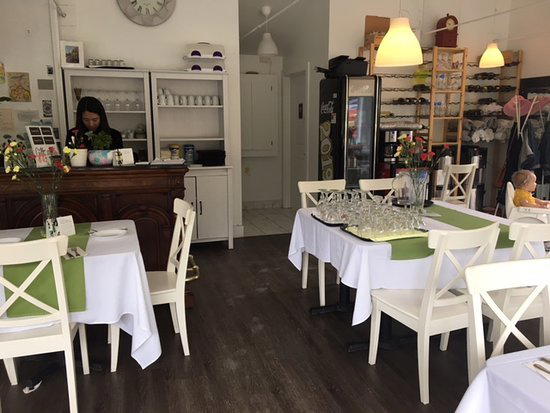
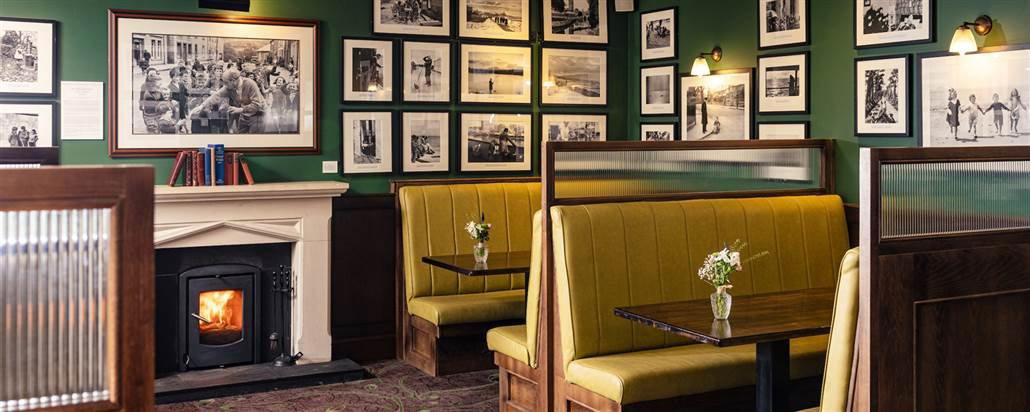
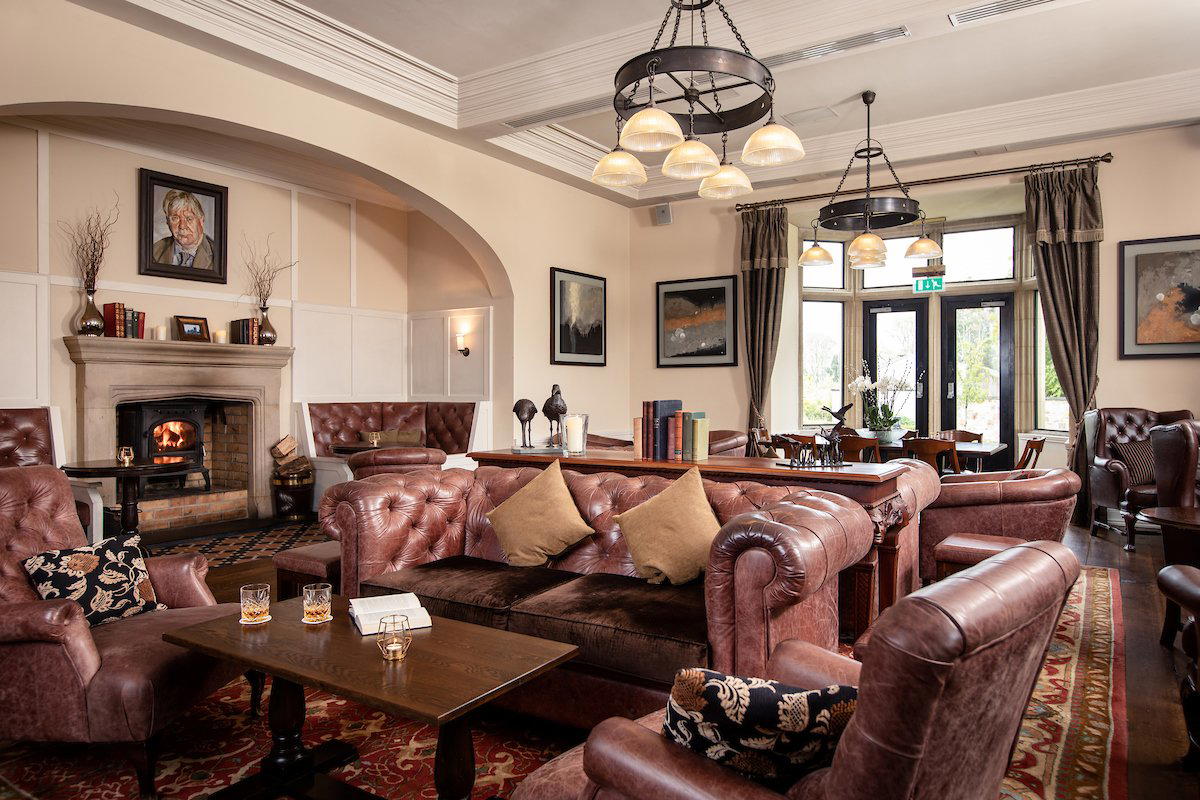
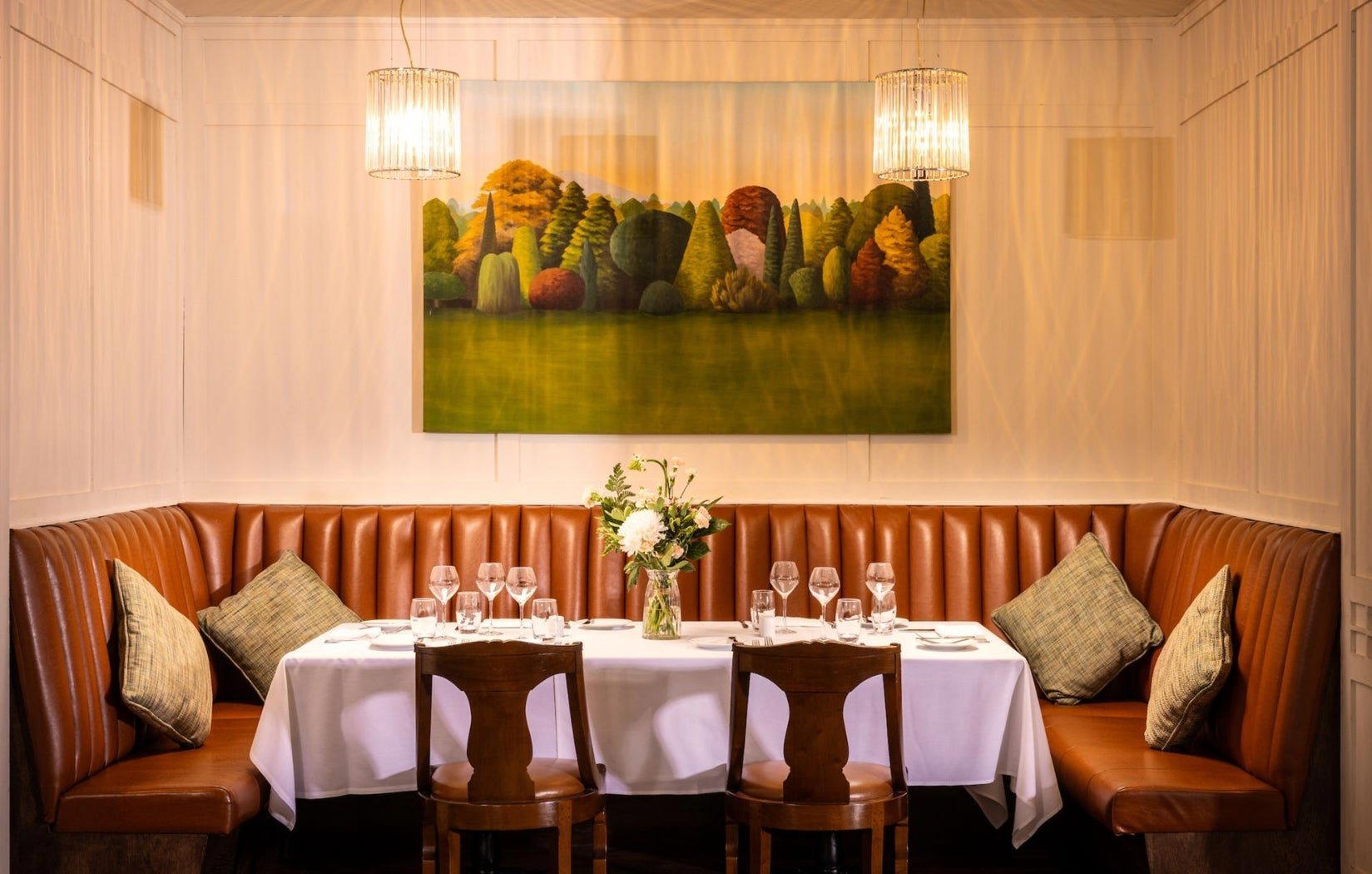
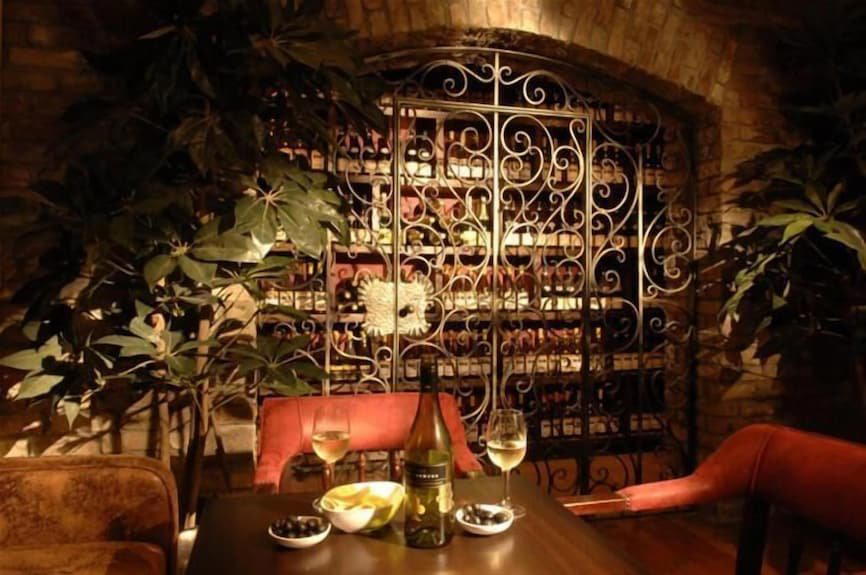
Elegant and relaxed, with floor-to-ceiling windows, glass doors, and a calm contemporary interior that balances glamour with understated refinement.
Know Before You Go
- Reservations
- Recommended
- Dress code
- Smart casual
- Getting there
- Lougheask Demesne, Lough Eske, Co. Donegal, Ireland