Carey
Our verdict
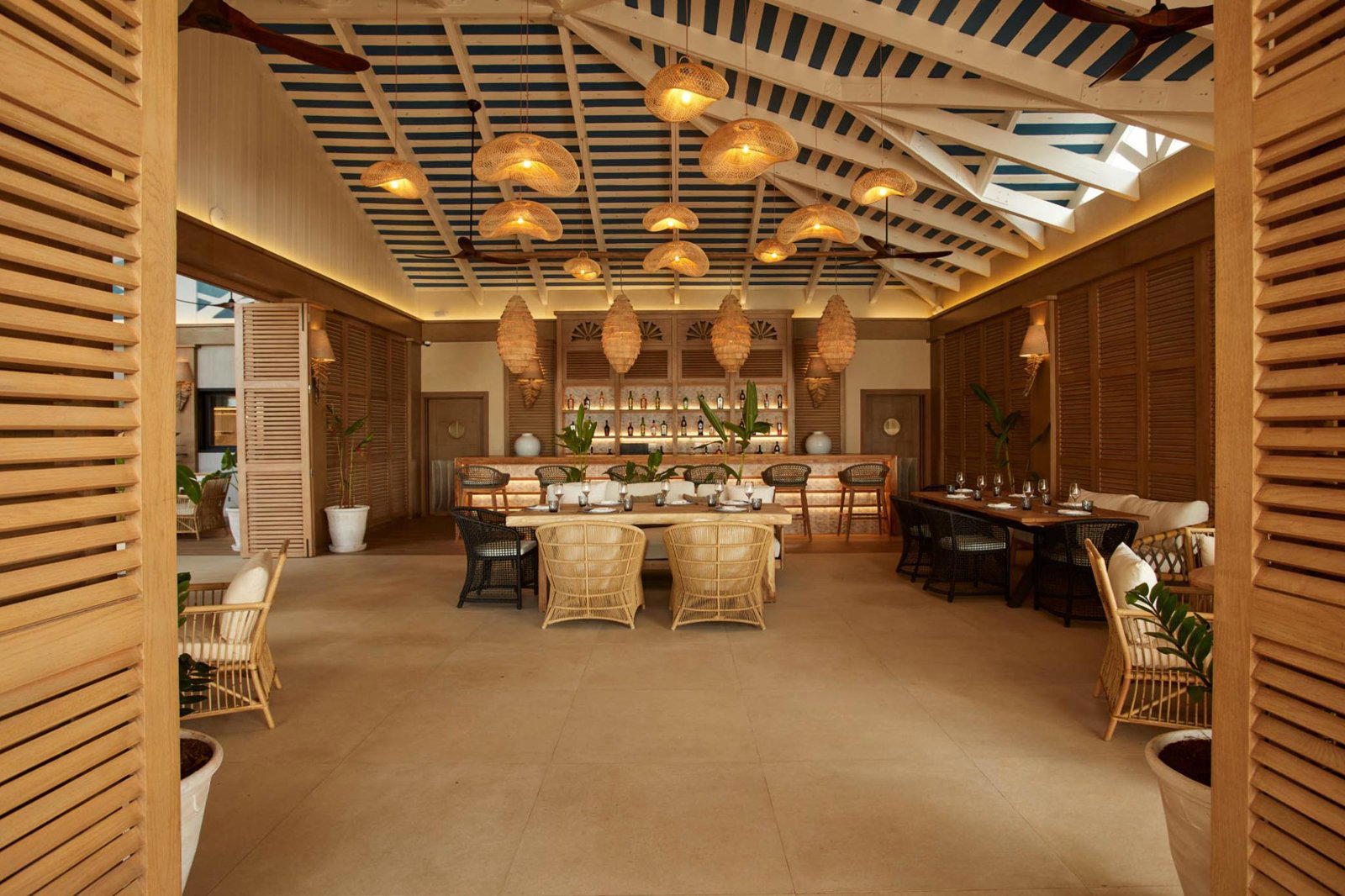
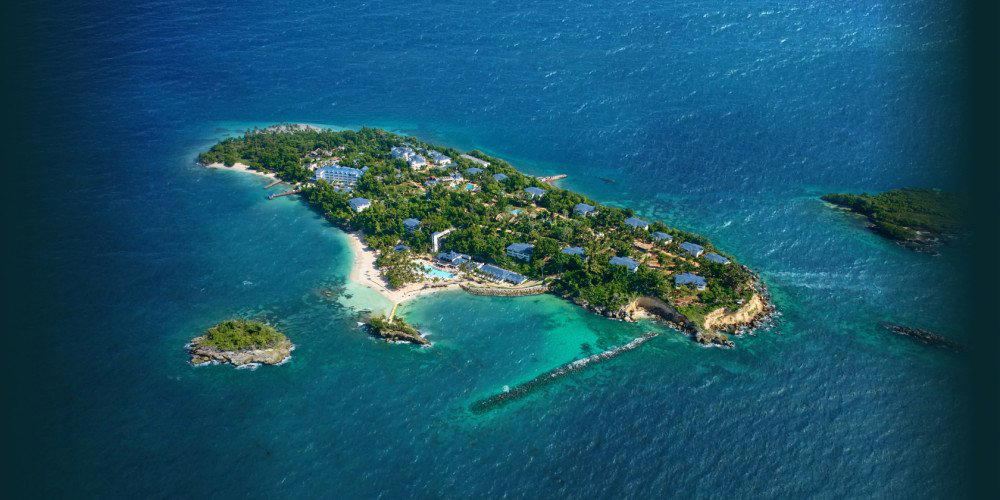
Carey suits travellers reading Samaná through the coast rather than through a formal dining hierarchy. Its position at Olah Beach Club on Isla Cayo Levantado places the meal in the Dominican beach-club tradition, where sourcing, daylight, sea air, and pacing matter more than ceremony or award-chasing formality.

Pearl is the En Primeur Club membership app, where members save venues, book tables and use the concierge.
The menu
What to order
- Nikkei delicacies
- Japanese-Peruvian dishes
- Mediterranean specialties
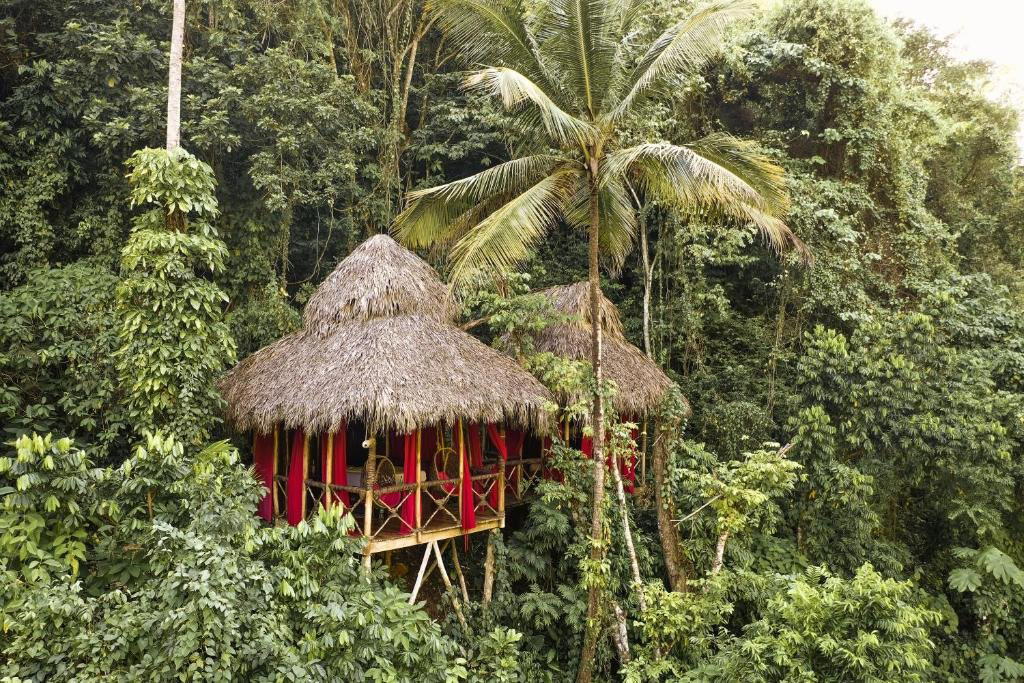
Approach dining in Samaná from the water and the usual city-restaurant grammar starts to loosen. The room is not the main event; the coastline is. Beach-club pacing, open-air timing, and the expectations of an island day shape what feels right on the table. Carey belongs to that mode of eating, where the intelligence of the experience depends less on theatre and more on whether the restaurant reads its surroundings with restraint.
Samaná is not Santo Domingo, and that distinction matters. The capital can support destination tasting menus, design-led dining rooms, and chef-driven concepts with national ambition. Samaná rewards a different kind of judgement: proximity to the sea, a lighter sense of occasion, and a format that accepts the day’s rhythm rather than fighting it. In that context, Carey is better understood as part of a coastal tradition than as a restaurant competing on formal accolades.
Island cooking works when the sourcing stays close to the coast
The stronger argument for this kind of Samaná table is place logic. The peninsula’s dining scene sits between local habits, visitor expectations, and the temptation to smooth everything into a resort-neutral template. The more interesting restaurants resist that flattening. They let the setting, the season, and the day’s appetite do the work without forcing every meal into a luxury template.
That is the lens through which Carey should be judged. No chef name, cuisine category, price tier, or formal award credential is attached publicly, so the useful question is not whether it belongs in a trophy-led dining itinerary. The question is whether the setting and the experience make sense together. A beach-club restaurant in Samaná has a clear obligation: keep the meal fresh in feeling, direct in mood, and responsive to heat, salt air, and the slower tempo of an island day.
For travellers building a broader Samaná dining map, the comparison should stay local. La Molienda, Manaya, Palma Real, Santa Yuca, and Senda help frame how varied the peninsula can be: casual local cooking, resort-facing dining, and more composed contemporary formats sit closer together here than they would in a larger city. The useful move is not to chase a single trophy meal, but to match the meal to the day: beach, village, hotel, road trip, or long lunch.
The beach-club format changes the critical standard
Beach-club dining asks for a different critical scale than a tasting-menu room. Service pace, shade, music level, table spacing, and the relationship between restaurant and shoreline carry real weight. A simple meal can make sense beside the water if the overall rhythm is right and the experience stays controlled. The reverse is also true: heavy ceremony, overwrought presentation, and imported luxury cues can feel tone-deaf in Samaná’s humidity.
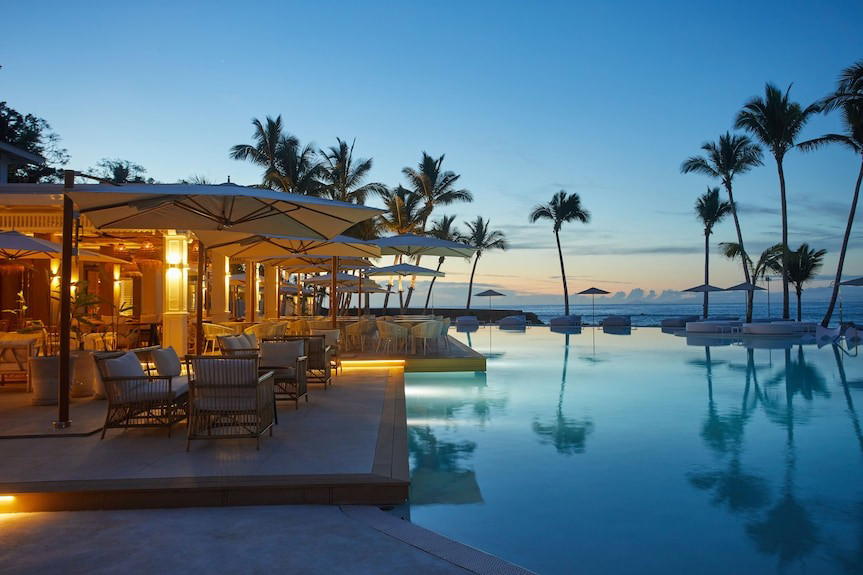
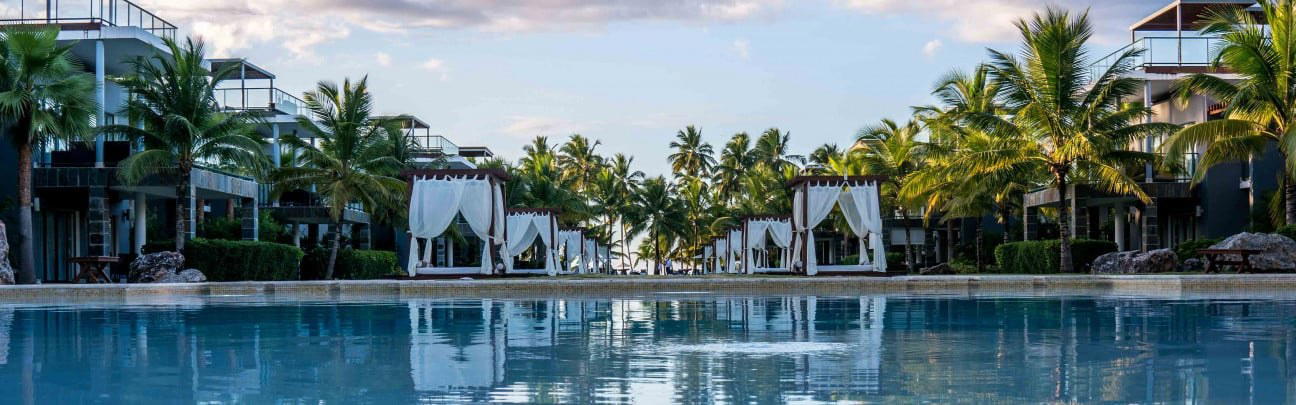
Carey’s advantage is its placement within that leisure rhythm. It is not a stand-alone urban address asking guests to dress for ceremony; it sits within a beach-club environment in Samaná, which makes the meal part of a longer sequence of swimming, sun, and slow afternoon timing. That matters for travellers who want a coastal meal without turning lunch into a formal event.
The absence of a published award trail is not a weakness if expectations are set correctly. Samaná’s dining identity is still built more from geography than from guidebook hierarchy. The peninsula’s appeal is its immediacy: bays, small roads, hotel terraces, and restaurants that must answer to the climate. Carey fits that picture when approached as a situational choice, not as a credentialed dining room.
How to place it in a Samaná itinerary
Use Carey for a beach-led day rather than a tightly scheduled restaurant crawl. Travellers who want a city-style dining sequence should look across other Dominican dining rooms, where urban restaurants, resort zones, and coastal towns interpret the island pantry differently. Carey is best kept in its own Samaná context: a place-led meal rather than a formal comparison exercise.
For Samaná itself, planning should stay practical and cluster-based. Pair a meal here with a broader look at our full Samaná restaurants guide, then build the rest of the trip through our full Samaná hotels guide, our full Samaná bars guide, our full Samaná wineries guide, and our full Samaná experiences guide. The peninsula works better when meals are planned around beaches, boats, and travel time rather than around restaurant prestige alone.
Carey is the right call for travellers who want Samaná to feel like Samaná: coastal, unhurried, and tied to the island setting. It is not the page to overread for chef biography, tasting-menu architecture, or awards theatre. Its value sits in context: a beach-club meal where the setting is obvious, the location does much of the framing, and the smarter expectation is freshness of experience over formality.
For readers comparing outside the Dominican Republic, the contrast is useful. Other international dining rooms may operate through precision, category depth, and urban repeat traffic. Carey operates through place. That is the point: in Samaná, the coast is not decoration. It is the organising principle.
Frequently asked questions
Would Carey be comfortable with kids?
Yes, the beach-club style setting suits a family beach day more than a formal dining room. Carey in Samaná fits that relaxed island rhythm.
What kind of setting is Carey?
Carey is a beach-club venue in Samaná. Expect an open, coastal setting rather than a stand-alone city restaurant.
How do I find Carey?
Samaná.
Do I need a reservation for Carey?
The beach-club setting makes advance planning sensible, especially around peak day-travel hours in Samaná. Carey is not the sort of place to leave to chance.
What do critics highlight about Carey?
The main critical focus is the setting: Carey sits in a beach-club context where location matters as much as the menu. In Samaná, that coastal frame is the point.
At-a-Glance Comparison
Comparable venues by cuisine and price in the same metro.
| Venue | Cuisine |
|---|---|
| CareyThis venue (the venue you are viewing) | International Fusion with Nikkei (Japanese-Peruvian) Influences |
| La Molienda | Dominican Coffee & Pastries |
| Manaya | Steakhouse |
| Palma Real | International Fusion Breakfast |
| Santa Yuca | Modern Caribbean Wellness Dining |
| Senda | Dominican Fine Dining |
Continue exploring
More in Samaná
Details
- Scenic
- Sophisticated
- Modern
- Relaxed
- Date Night
- Group Dining
- Special Occasion
- Casual Hangout
- Waterfront
- Terrace
- Hotel Restaurant
- Craft Cocktails
- Local Sourcing
- Waterfront
- A La Carte
- Small Plates
- Cocktails
- Vegetarian Friendly
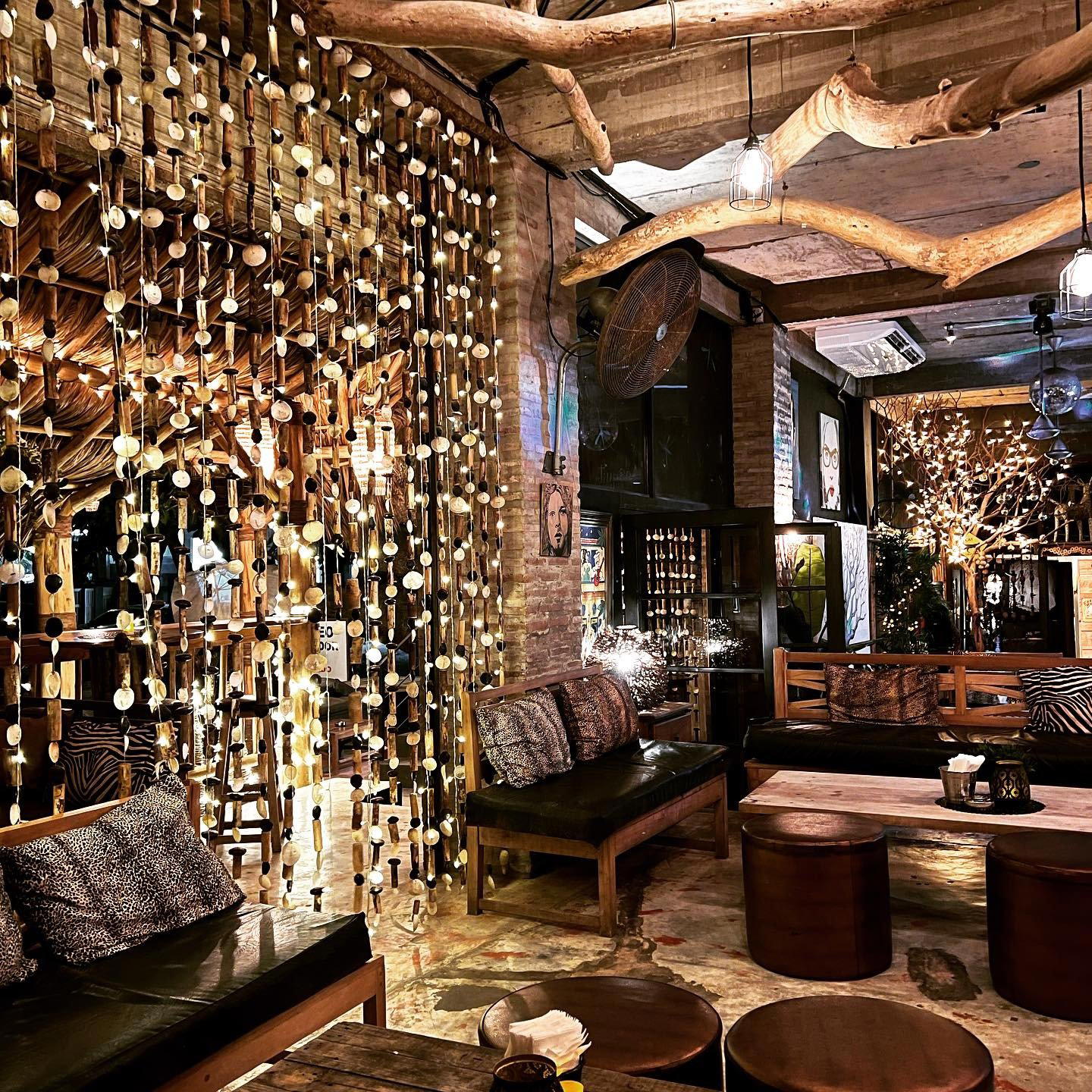
Relaxed by day and more refined at night, with a contemporary, sophisticated atmosphere and beachside setting.