Camp Sarika Restaurant
Camp Sarika Restaurant belongs to Canyon Point’s rarefied desert-dining tier, where the setting matters as much as the kitchen’s restraint. The draw is not a trophy list or chef cult, but a remote Utah context that pushes meals toward seasonality, supply discipline, and a sharper sense of place.
Pearl is the En Primeur Club membership app — saves, bookings, and concierge access live there. Same editors, same standards.
- Address
- Amangiri 1, Kayenta Rd, Canyon Point, UT 84741
- Phone
- (435) 675-4100
- Website
- aman.com
- Directions
- Get directions
 Saves & bookings on Pearl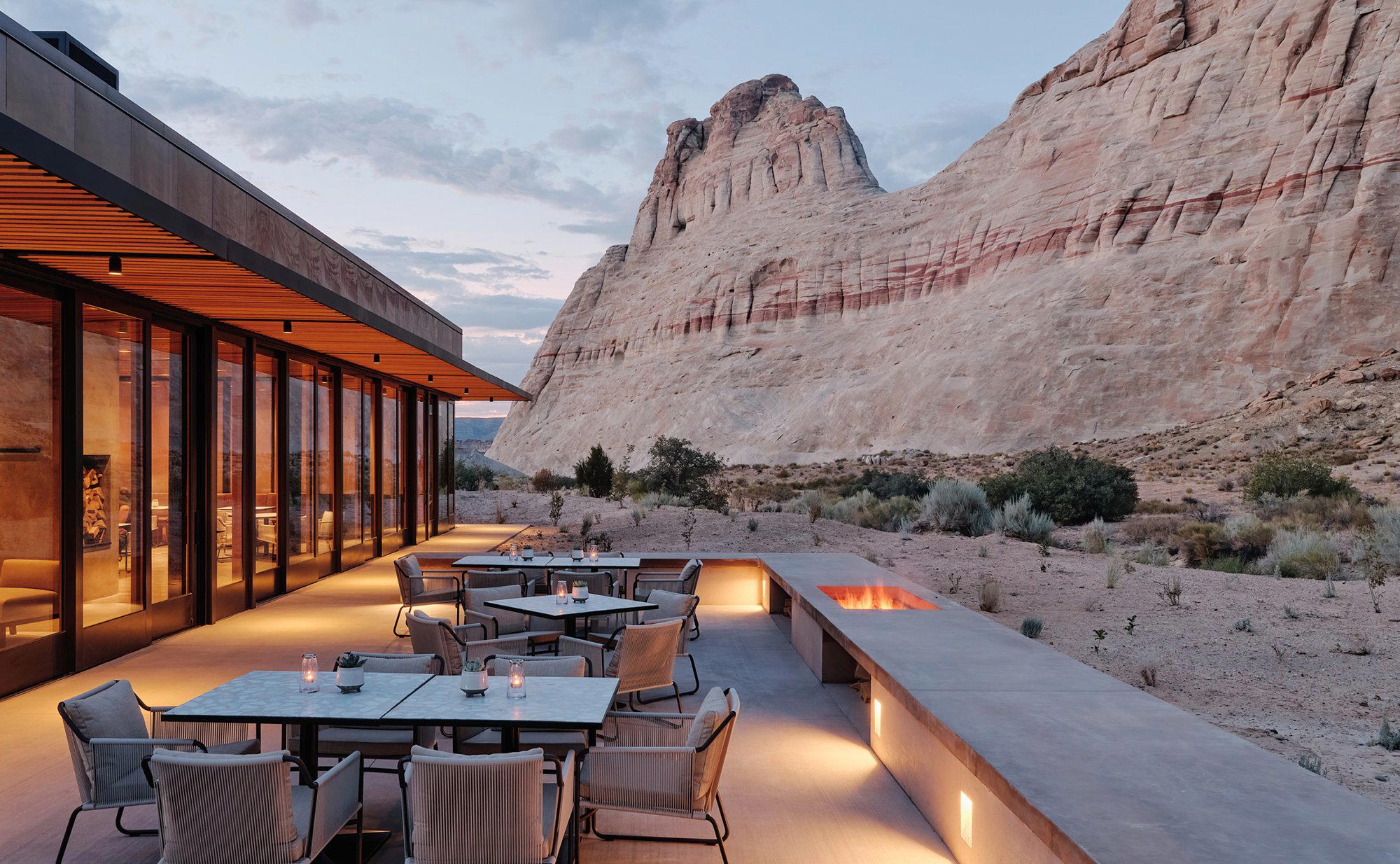
Approaching dinner in Canyon Point means entering a different rhythm of appetite: red rock, open sky, and the quiet scale of the desert do more to set the table than any dining-room flourish. In this part of southern Utah, luxury dining has to work against distance. Ingredients do not arrive with the casual abundance of a coastal city, and that constraint can be productive. The strongest meals in remote resort country tend to read the surrounding terrain rather than fight it, using produce, grains, smoke, heat, and preservation with a lighter hand than urban tasting-menu rooms.
Camp Sarika Restaurant sits inside that conversation. The point is not a formal cuisine label, which is not publicly attached here, but the broader resort-dining question Canyon Point raises: how does a kitchen feed a high-expectation audience in a place defined by geological drama rather than restaurant density? Nearby Dinner on the Rocks gives the area another dining reference point, but the competitive set is narrower than a city guide would suggest. Canyon Point dining is less about hopping between rooms and more about choosing a format that matches the landscape, the day’s pace, and the level of occasion.
Desert dining rewards restraint more than spectacle
Ingredient sourcing matters more in isolated resort kitchens because every choice is visible. A tomato out of season, a heavy sauce in summer heat, or seafood treated as decorative luxury can feel disconnected from place. The more persuasive approach is regional intelligence: menus that understand arid-country produce, the role of fire, and the way altitude, heat, and dryness change what feels satisfying at the table. Camp Sarika Restaurant is strongest as an idea when read through that lens, a dining room where the desert should act as the organizing principle rather than a backdrop.
That sourcing question also separates Canyon Point from larger American dining cities. Los Angeles can support a specialist room such as Jōdo Saké Bar in Los Angeles or a focused casual format like Onigiri Time in Pasadena because volume, suppliers, and repeat local traffic make micro-specialization viable. Portland can sustain neighborhood immediacy at ¿Por Qué No? in Portland. Canyon Point asks a different question: not how narrow can the concept become, but how clearly can the kitchen translate remoteness into a meal that feels grounded.
The luxury here is context, not restaurant theatre
Remote American resort dining often fails when it imports big-city cues without the ecosystem behind them. The smarter model is quieter: controlled menus, careful purchasing, and service that understands guests may be arriving after a day shaped by heat, dust, hiking, and long drives. Camp Sarika Restaurant belongs to that category of meal where the room’s value is tied to its setting. Awards are not the story here; nor is a named chef narrative. The relevant trust signal is contextual authority: Canyon Point has few dining rooms operating at this altitude of expectation, and this address sits inside one of the region’s most rarefied hospitality environments.
For travelers comparing food-led trips across the United States, the contrast is useful. Plant-forward island cooking at 'Ai Love Nalo in Waimanalo Beach, Hawai‘i regional dining at 'āina in San Francisco, and resort-side coastal cooking at 'Ama 'Ama in Kapolei all draw meaning from place in different ways. Canyon Point’s version is drier, quieter, and more severe. It favors meals that do not over-explain themselves.
How to place it within a Canyon Point itinerary
This is not a city-night-out restaurant in the usual sense. It works better as part of a Canyon Point stay than as a standalone detour, especially for travelers whose day is built around the region’s geology, light, and distance. Use Our full Canyon Point restaurants guide for the local dining frame, then pair it with Our full Canyon Point hotels guide and Our full Canyon Point experiences guide to understand how meals fit around the area’s activity-led rhythm. The wider planning grid also includes Our full Canyon Point bars guide and Our full Canyon Point wineries guide, though Canyon Point is not a dense bar-or-wine destination in the way larger markets are.
Travelers building a broader food map can read this alongside more urban or coastal references such as 'Dashery in Baltimore, 'inoteca in New York City, ‘O Munaciello in Miami, 'Olu Cafe in Lahaina, -Grilled beef Sukiyaki- KAMAKURA TANUKIAN 鎌倉 たぬき庵 in Kamakura, and ¡Salud! in Los Angeles. Those comparisons clarify the point: the restaurant is not trying to win on metropolitan variety. Its appeal rests on whether the meal feels tuned to Canyon Point’s scale, scarcity, and desert clarity.
Comparable Spots, Quickly
Comparable venues by cuisine and price in the same metro.
| Venue | Cuisine |
|---|---|
| Camp Sarika Restaurant | This venue |
Continue exploring
More in Canyon Point
Restaurants in Canyon Point
Browse all →
At a Glance
- Scenic
- Elegant
- Rustic
- Intimate
- Sophisticated
- Date Night
- Special Occasion
- Celebration
- Business Dinner
- Family
- Private Event
- Panoramic View
- Design Destination
- Hotel Restaurant
- Terrace
- Private Dining
- Craft Cocktails
- Extensive Wine List
- Local Sourcing
- Farm To Table
- Mountain
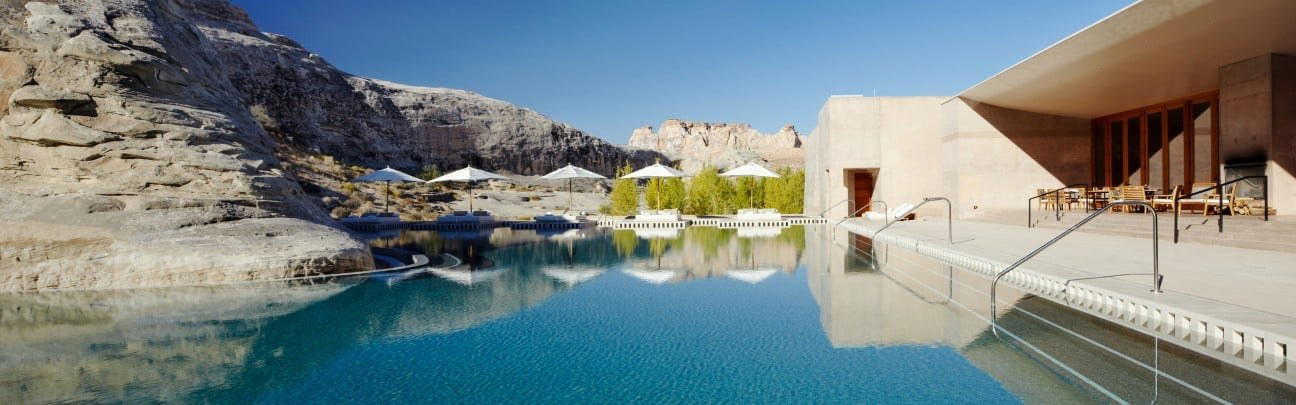
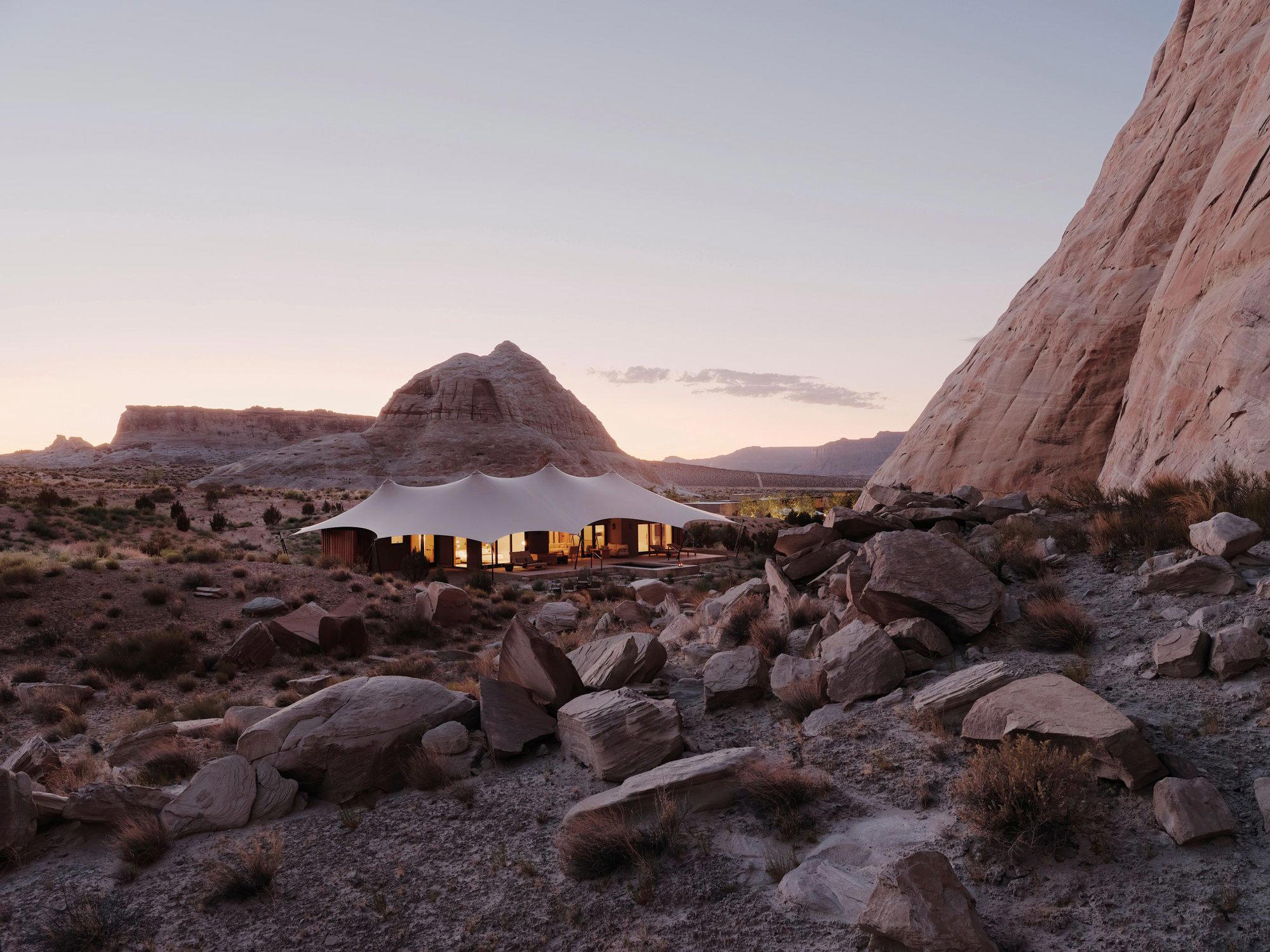
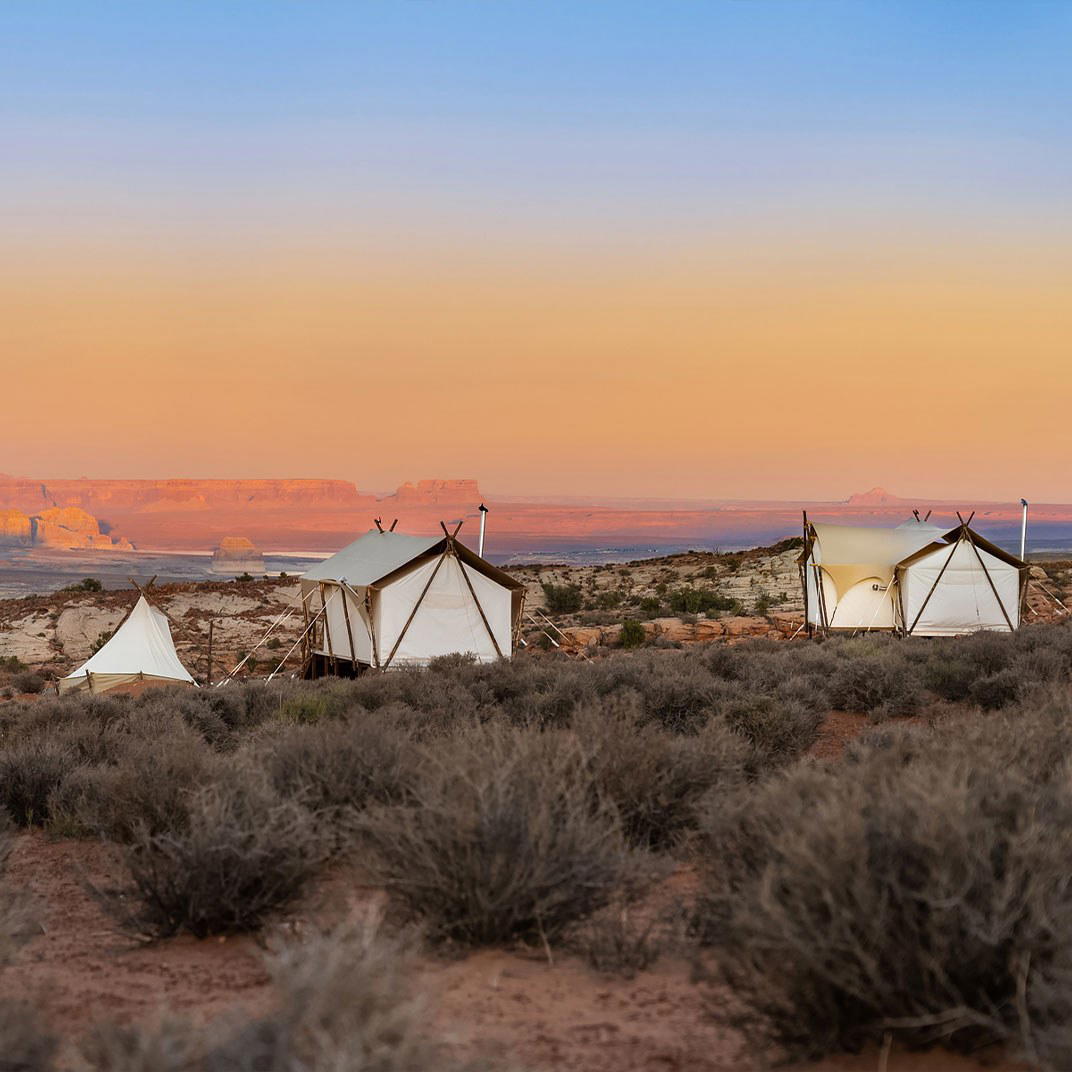
Serene and intimate desert lodge atmosphere with an elegant yet rustic design; guests dine in soft, warm lighting indoors or on the patio by the firepit, framed by sweeping views of sandstone formations and the surrounding canyon landscape.