Café Madeleine

Wine Enthusiast Best Wine Restaurants
Our verdict
Café Madeleine gives Des Moines a wine-led dining address with national recognition from Wine Enthusiast’s Best Wine Restaurants 2025 list for the Midwest. The appeal is less about spectacle than sourcing, cellar judgment, and a compact service rhythm that suits diners who care where ingredients come from and how wine shapes the meal.

Pearl is the En Primeur Club membership app, where members save venues, book tables and use the concierge.
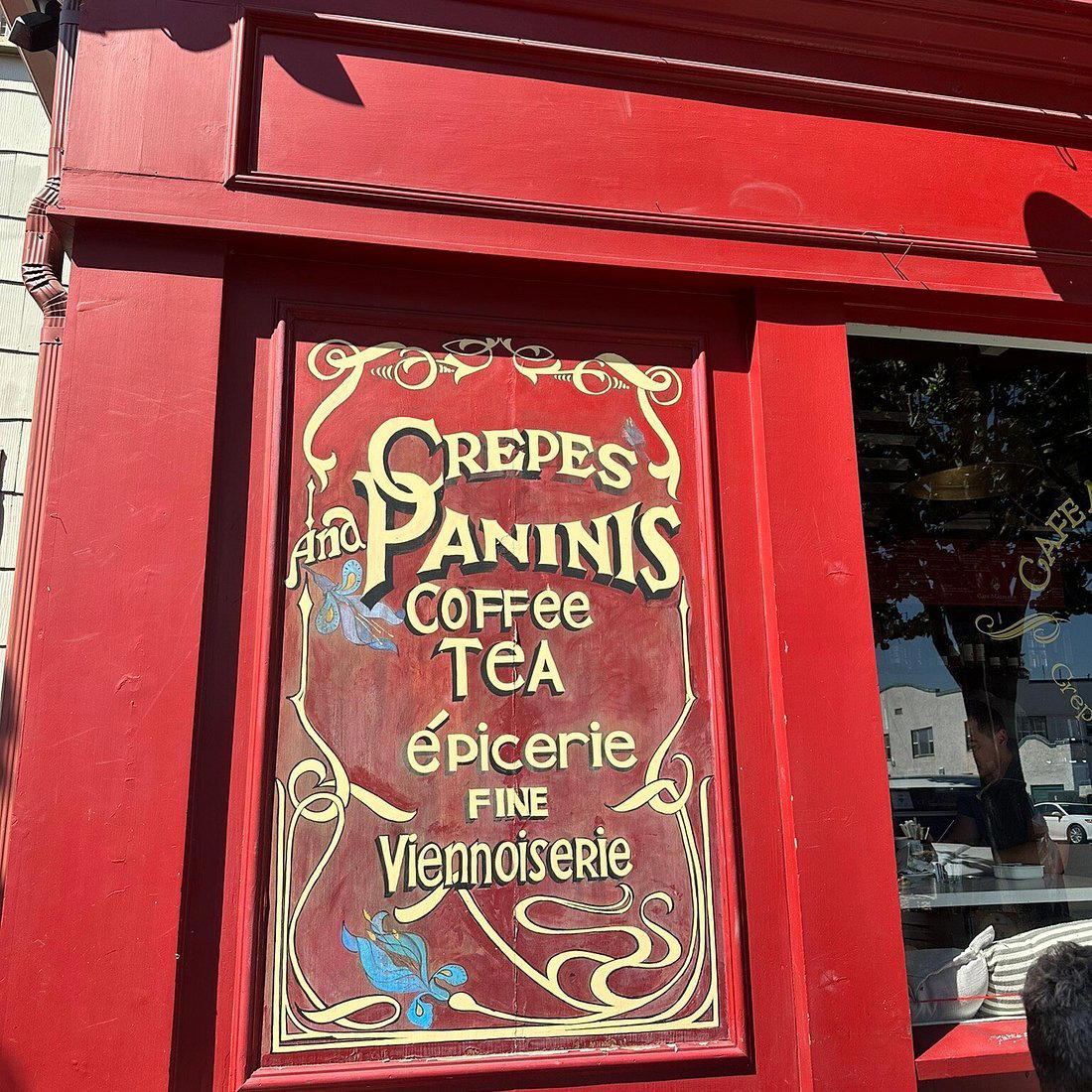
Des Moines has a particular evening register: offices empty, the sky opens over the city, and the better dining rooms begin to feel less like conveniences than small civic stages. Café Madeleine belongs to that narrower category. Its value, as framed here, is not scale or steakhouse ceremony, but the quieter grammar of a wine-conscious restaurant in a city better known nationally for agriculture than for cellar culture.
That context matters. Iowa’s dining identity is often reduced from the outside to commodity abundance, yet the more interesting restaurants in Des Moines work in the space between regional identity and urban appetite. A room like this has to make its point without turning dinner into a lecture. The point is not to perform a borrowed vocabulary; it is to show that a Des Moines restaurant can be read seriously through the relationship between the table and the glass.
Wine recognition changes how Des Moines reads the room
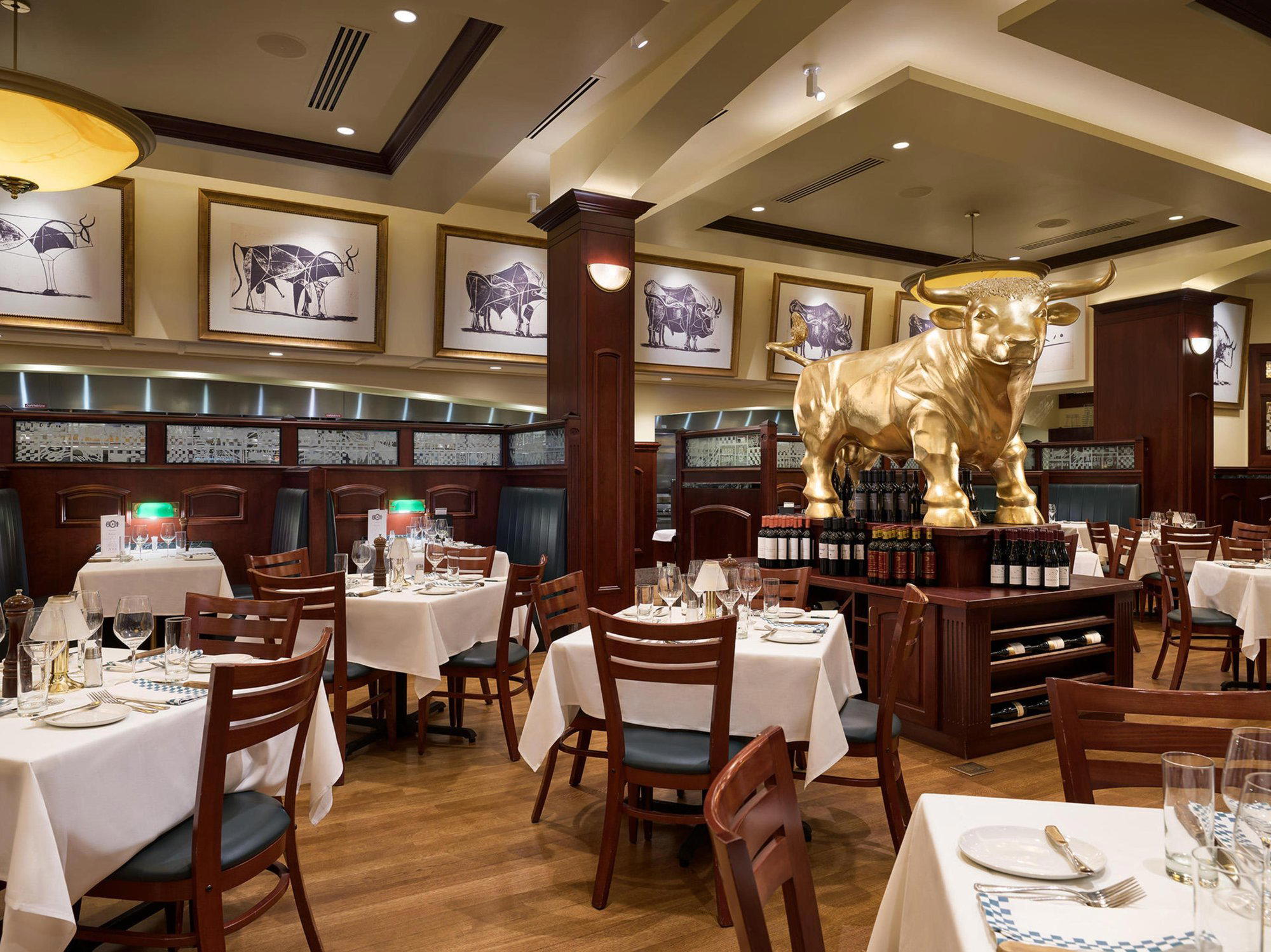
Wine Enthusiast included Café Madeleine in its Best Wine Restaurants 2025 list for the Midwest, a useful signal because the award category judges the restaurant through the glass as much as the plate. In Des Moines, that matters. The city has long had serious dining rooms, but many of its better-known addresses are anchored by familiar formats: the polished steakhouse model at 801 Chophouse, the modern comfort-food register at Clyde's Fine Diner, other neighborhood dining rooms, and the seafood-and-occasion lane at Splash Seafood Bar and Grill. Café Madeleine enters that conversation from a different angle: wine recognition, dining-room focus, and a reason for visitors to read the meal beyond a familiar local format.
That distinction is useful for travelers. A steakhouse can tell a visitor something about expense-account Des Moines; a diner can tell them about neighborhood appetite; a seafood room can tell them about the city’s celebratory habits. A wine restaurant tells a different story, one about how a Midwestern capital absorbs national dining signals without copying larger-market templates outright.
The Midwest category is also relevant because the region’s stronger wine restaurants often have to work against expectation. They cannot rely on vineyard proximity in the way restaurants in wine-country regions can, nor on the same import networks associated with larger coastal markets. The better examples build credibility through list structure, food compatibility, and staff fluency. Recognition from a wine publication suggests Café Madeleine is being read in that framework, not merely as a pleasant local room.
The meal is the argument, wine is the structure
The dining lens is where Café Madeleine makes sense editorially. Des Moines sits close to the production side of American food, but proximity alone does not create a serious restaurant. The harder task is translation: turning a local dinner into an experience that can carry wine, service, pacing, and restraint. That is a different discipline from simply leaning on a broad sense of place.
In a wine-led dining room, the meal has to behave differently. Dishes need enough clarity to hold a pairing, enough seasoning discipline to avoid flattening the glass, and enough seasonal logic to justify return visits. Without relying on a public chef narrative or a single named signature dish, the more useful reading is structural: this is a place whose reputation, at least from the Wine Enthusiast recognition, is tied to the meeting point between food and wine rather than to a single personality or famous plate.
That makes it part of a broader national pattern. Smaller American cities are developing restaurants that borrow the seriousness of major-market dining while keeping formats compact and local. Some dining rooms do this through beverage specificity; others narrow attention to a focused format or use casual service to carry a clear identity. The comparison is not cuisine-to-cuisine. It is about restaurants using a defined point of view to avoid generic dining-room drift.
That same pattern appears across other markets in different forms, from restaurants built around local context to rooms that use a tight format, a defined cultural lane, or a particular sense of place to clarify their purpose. Café Madeleine’s Des Moines version of that idea is quieter: a Midwestern restaurant using wine recognition and a focused dinner reading to set its terms.
How to place it in a Des Moines itinerary
For visitors, the decision is less about checking off a famous local name than choosing the right register of the city. Café Madeleine suits a dinner where the bottle or glass matters and where the wine context is part of the meal’s logic. It is a sharper choice for travelers who have already mapped the city’s broader food personality, from Des Moines dining rooms to neighborhood counters, and want a restaurant that shows how Des Moines handles refinement without importing a bigger-city pose.
The practical read is simple: treat it as a purposeful dinner choice, not an all-purpose drop-in. Its Des Moines setting makes it easy to pair with a stay or a night organized around the city. Families, large groups, and diners needing detailed allergy planning should confirm fit before committing, because the safest planning move is to check current details directly with the restaurant.
For wider planning, use Our full Des Moines restaurants guide to balance it against other dining styles, then build the rest of the trip through Our full Des Moines hotels guide, Our full Des Moines bars guide, Our full Des Moines wineries guide, and Our full Des Moines experiences guide. The more interesting Des Moines itinerary does not force the city into a single dining identity. It lets the steakhouse, the diner, the seafood room, and the wine restaurant each explain a different part of the capital.
Frequently asked questions
Would Café Madeleine be comfortable with kids?
Café Madeleine is in Des Moines. Its wine-focused recognition points to a dinner setting rather than an all-purpose family drop-in, so families should confirm the current fit directly before booking.
How would you describe the vibe at Café Madeleine?
Café Madeleine is best approached as a dinner choice where wine matters. In Des Moines, that means visitors should think of it in relation to its inclusion on Wine Enthusiast’s Best Wine Restaurants 2025 list for the Midwest rather than as a generic drop-in stop.
What are Café Madeleine's hours?
Check Café Madeleine’s official channels for current hours before planning a visit.
Where exactly is Café Madeleine?
Des Moines.
What has Café Madeleine built its reputation on?
Its clearest credential is Wine Enthusiast’s Best Wine Restaurants 2025 Midwest selection. That puts the focus on the wine program and the way the restaurant is being read within a regional dining context in Des Moines, not on a broad all-day hospitality model.
How does Café Madeleine handle allergies?
No allergy policy is provided here, so the practical move is to contact Café Madeleine before dining and confirm specifics in advance. The wine-focused recognition points to a dinner setting where advance notice is the sensible approach. Check the venue's official channels for the latest details.
A Quick Peer Check
Comparable venues by cuisine and price in the same metro.
| Venue | Cuisine | Price | Awards |
|---|---|---|---|
| Café MadeleineThis venue (the venue you are viewing) | Chef’s Table French Tasting Menu | $150–200 | Wine Enthusiast Best Wine Restaurants |
| Splash Seafood Bar and Grill | Seafood Grill | $50–100 | Wine Spectator Award of Excellence |
| 801 Chophouse | Classic USDA Prime Steakhouse | $100–150 | Wine Spectator Best of Award of Excellence |
| Clyde's Fine Diner | Modern American Diner | $20–30 | Not listed |
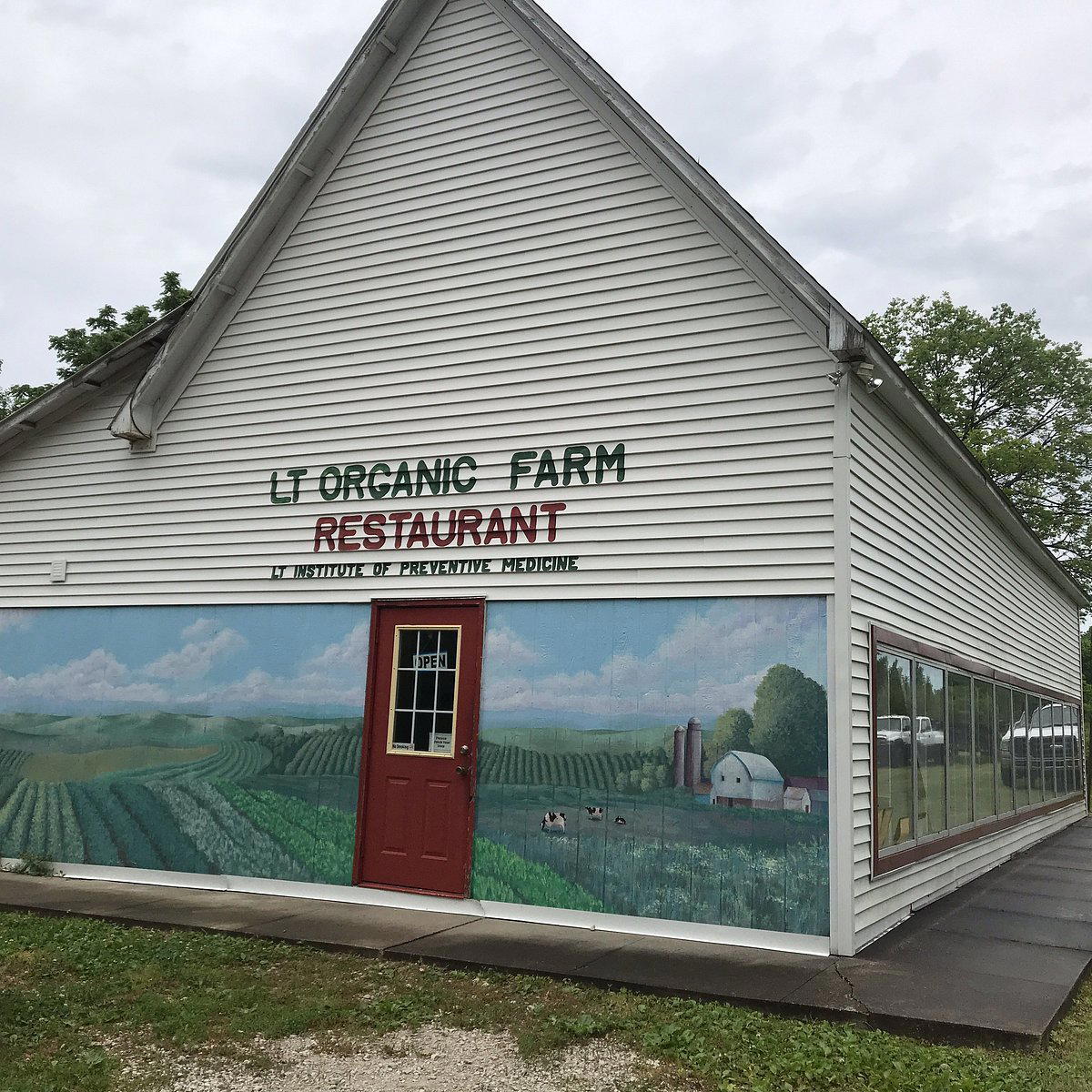
| LT Organic Farm Restaurant | Farm-to-Table Indian & Caribbean | $10–20 | Not listed |
Recognition history
Dated appearances from independent guides and award organizations, with the underlying list record or original source where available.
Wine Enthusiast Best Wine Restaurants
Wine Enthusiast
Continue exploring
More in Des Moines
Restaurants in Des Moines
All restaurants in Des Moines →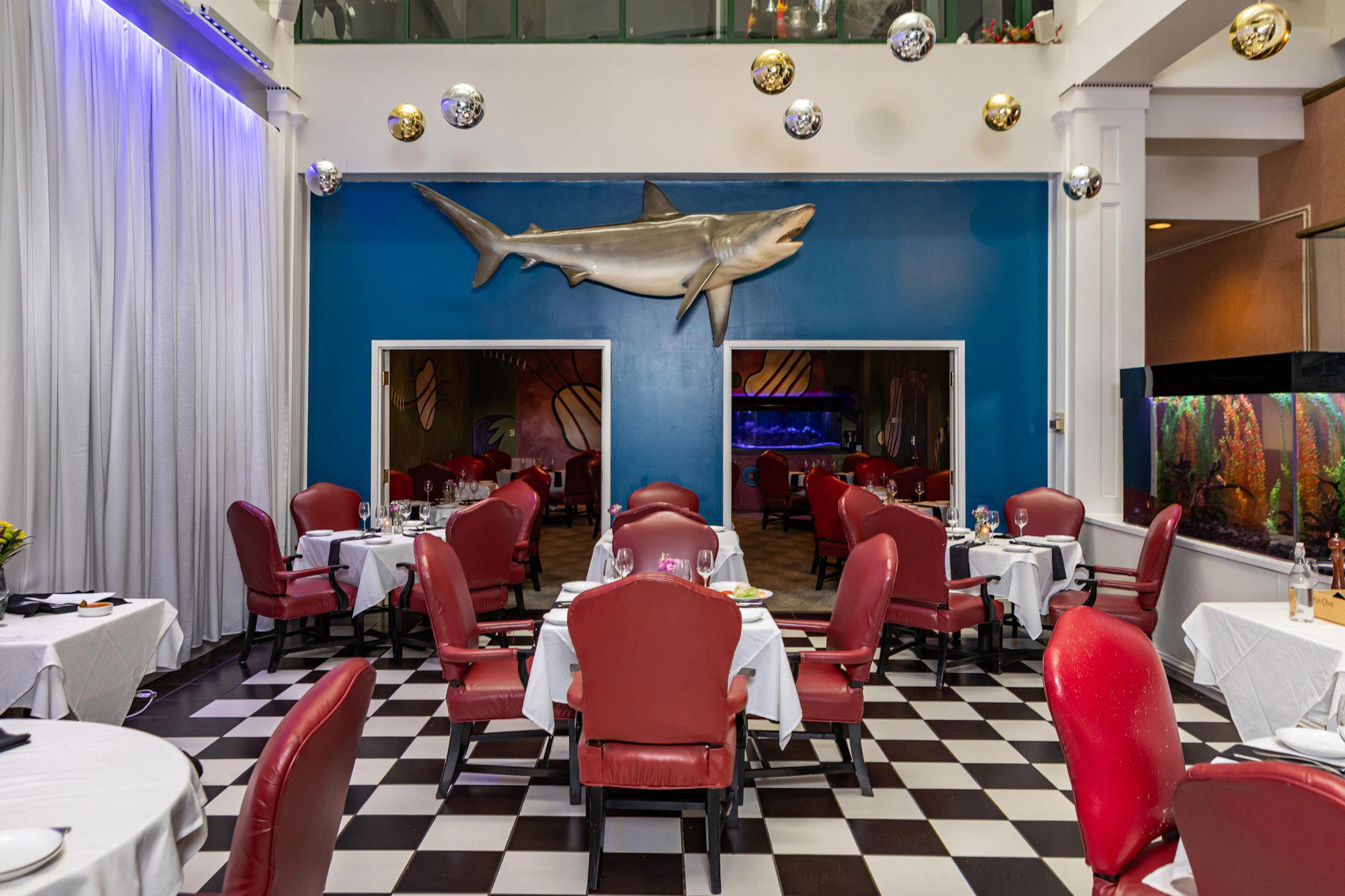
Bars in Des Moines
All bars in Des Moines →
Hotels in Des Moines
All hotels in Des Moines →
Details
- Intimate
- Elegant
- Sophisticated
- Romantic
- Date Night
- Special Occasion
- Celebration
- Business Dinner
- Chefs Counter
- Standalone
- Private Dining
- Extensive Wine List
- Sommelier Led
- Local Sourcing
- Tasting Menu
- Prix Fixe
- Wine
Current opening hours
- Monday
- Closed
- Tuesday
- 7:30–8:30 PM
- Wednesday
- 7:30 PM–12 AM
- Thursday
- 7:30–8:30 PM
- Friday
- Closed
- Saturday
- Closed
- Sunday
- Closed
Hours can change for holidays and private events. Hours as of .
Sophisticated and intimate, with a quiet, fine-dining atmosphere centered on a personal chef’s table experience and carefully paced tasting menu service.