Cabbage Key Restaurant
Our verdict
Cabbage Key Restaurant belongs to a distinctly Southwest Florida category: island dining shaped by tides, boat traffic, and the Gulf’s seafood economy rather than metropolitan tasting-menu codes. In Pineland, its appeal is less about formal gastronomy than context, with the table functioning as part of a wider coastal day out where location, sourcing, and timing carry real weight.

Pearl is the En Primeur Club membership app, where members save venues, book tables and use the concierge.
The menu
What to order
- Cheeseburger
- Florida shrimp dishes
- Fresh fish specials
- Black beans & rice
- Clam chowder
Approach matters in this part of Florida. The dining culture around Pineland is best read through its coastal setting and the practical rhythms that shape a meal there. Cabbage Key Restaurant sits inside that context, where the experience is understood through place and pace as much as through menu structure. This is not a city dining room transplanted into a coastal itinerary; it belongs to a regional tradition in which informality is part of the grammar.
Southwest Florida’s island restaurants occupy a different competitive set from polished mainland dining rooms. The useful comparison is not luxury service or chef-led theatrics, but how convincingly a place reflects its geography. In that sense, Cabbage Key Restaurant is closer in spirit to coastal peers such as The Mucky Duck Restaurant, The Green Flash Restaurant, Rumrunners, The Bubble Room, and The Mad Hatter Restaurant than to urban destination restaurants. The common thread is water-adjacent dining where access, setting, and coastal culture carry as much meaning as the plate.
Island dining here is about supply, weather, and restraint
The restaurant story around Pineland starts with setting. Seasonal expectations and casual preparations often define the regional dining identity, particularly around island-facing experiences where the meal is expected to feel grounded rather than overproduced. A restaurant in this setting is judged by how well it stays within that logic: the food should feel tied to place, the experience should not feel overworked, and the room should not pretend the surrounding geography is merely decoration.
Cabbage Key Restaurant fits that older island model. The format reads as relaxed and practical rather than ceremonial, which matters because the setting changes the diner’s priorities. A long lunch in a coastal day asks for clarity, not complication. The point is not whether a dish has been engineered for critical attention; the point is whether the meal makes sense in a warm, salt-air environment where appetite, pace, and planning can behave differently from a downtown dinner reservation.
That context also explains why formal data points are less useful here than they would be in a city built around destination dining. The venue is best read through its public island-dining identity rather than through a chef-biography frame. For editorial purposes, the stronger trust signal is geographic coherence: Pineland sits in a coastal pocket where restaurants are evaluated by how they handle island context, local demand, and the expectation that simplicity should remain central.
The room belongs to a Gulf Coast tradition, not a tasting-menu economy
Florida’s dining map often gets flattened into resort luxury on one side and roadside informality on the other. The Pineland dining context is more interesting than that binary. It is a range of casual gathering places and restaurants that serve both visitors and locals moving through the area. In this world, formality would feel false. The better question is whether the experience respects the tempo of the place.
Cabbage Key Restaurant is strongest when understood as part of that tempo. The draw is the junction of meal and movement: settling into an island setting, eating without the performance codes of a metropolitan dining room, then returning to the day. That makes it more suitable for travelers who value regional context than for diners chasing tasting menus, rare-wine programs, or chef-counter precision.
Families should read the experience through that same lens. Children often fit more naturally into casual coastal restaurants than into formal dining rooms, especially in a place such as Pineland where the broader visitor pattern is relaxed and outdoors-led. The trade-off is that island dining can be more dependent on timing and planning than a dense mainland restaurant cluster, so preparation matters even when the atmosphere is casual.
How to place it within a Pineland itinerary
For a full Pineland plan, the restaurant makes the most sense when paired with the area’s coastal structure rather than treated as a standalone meal. Use Our full Pineland restaurants guide for the dining map, then layer in Our full Pineland hotels guide, Our full Pineland bars guide, Our full Pineland wineries guide, and Our full Pineland experiences guide for a wider read on how the day should be paced.
Readers comparing ingredient-led casual restaurants across the EP Club archive can also look at how other places express locality in different registers: urban drinks-and-food formats, focused comfort-food counters, casual regional translations, island-influenced sourcing narratives, resort-side coastal dining, tighter city formats, wine-bar informality, neighborhood dining rooms, casual island frames, meat-led regional comfort, precise single-dish traditions, and relaxed city counterpoints.
The editorial read is clear: Cabbage Key Restaurant is not trying to win through formality or chef-driven spectacle. Its value lies in how plainly it belongs to the Gulf Coast: an island meal where setting, sourcing logic, and the practical realities of Pineland’s coastal context define the experience before any menu category does.
Frequently asked questions
Is Cabbage Key Restaurant suitable for children?
The Pineland setting and island-dining format point to a casual room rather than a formal dining room, which can make it workable for families. The strongest signal here is the setting itself: Cabbage Key Restaurant is about laid-back Gulf Coast dining, not a chef’s counter or tasting menu.
Is Cabbage Key Restaurant formal or casual?
Casual. Its Pineland location and island context fit the informal side of Southwest Florida dining, where the setting and pace matter strongly. The public record emphasizes the venue’s relaxed island-dining profile rather than a formal fine-dining identity. Check the venue's official channels for the latest details.
How do I find Cabbage Key Restaurant?
Pineland.
Do I need a reservation for Cabbage Key Restaurant?
For Cabbage Key Restaurant in Pineland, the practical move is to check ahead if planning around peak island dining times. Check the venue's official channels for the latest details.
What do critics highlight about Cabbage Key Restaurant?
Coverage tends to focus on the Gulf Coast setting in Pineland, where setting, pace, and restraint shape the meal as much as the kitchen does. That places Cabbage Key Restaurant in the regional conversation for casual island dining rather than formal fine dining.
Snapshot
Comparable venues by cuisine and price in the same metro.
| Venue | Cuisine | Price |
|---|---|---|
| Cabbage Key RestaurantThis venue (the venue you are viewing) | Old Florida American grill & seafood | $30–50 |
Continue exploring
More in Pineland
Restaurants in Pineland
All restaurants in Pineland →
Details
- Scenic
- Rustic
- Classic
- Romantic
- Well Known
- Family
- Group Dining
- Casual Hangout
- Date Night
- Celebration
- Waterfront
- Panoramic View
- Historic Building
- Hotel Restaurant
- Courtyard
- Beer Program
- Local Sourcing
- Sustainable Seafood
- Waterfront
- Garden
- A La Carte
- Beer
- Cocktails
- Vegetarian Friendly
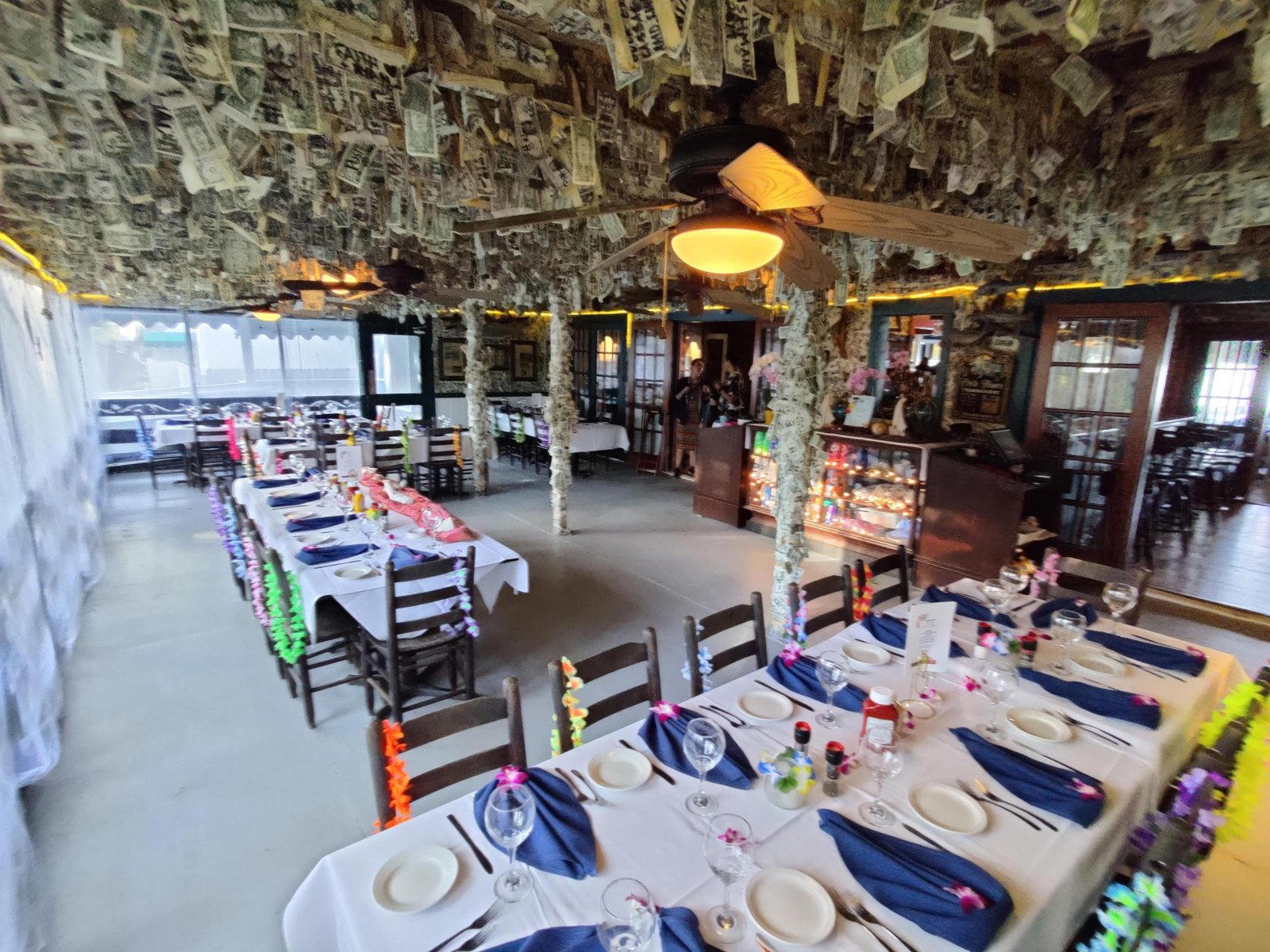
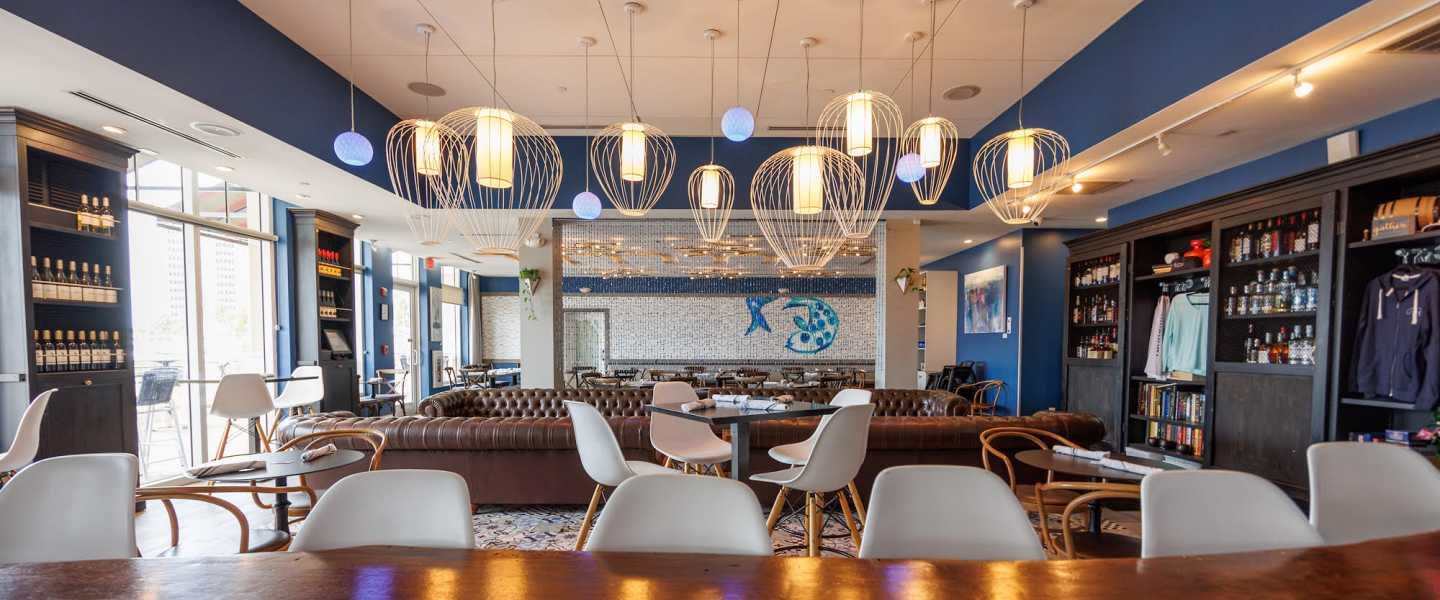
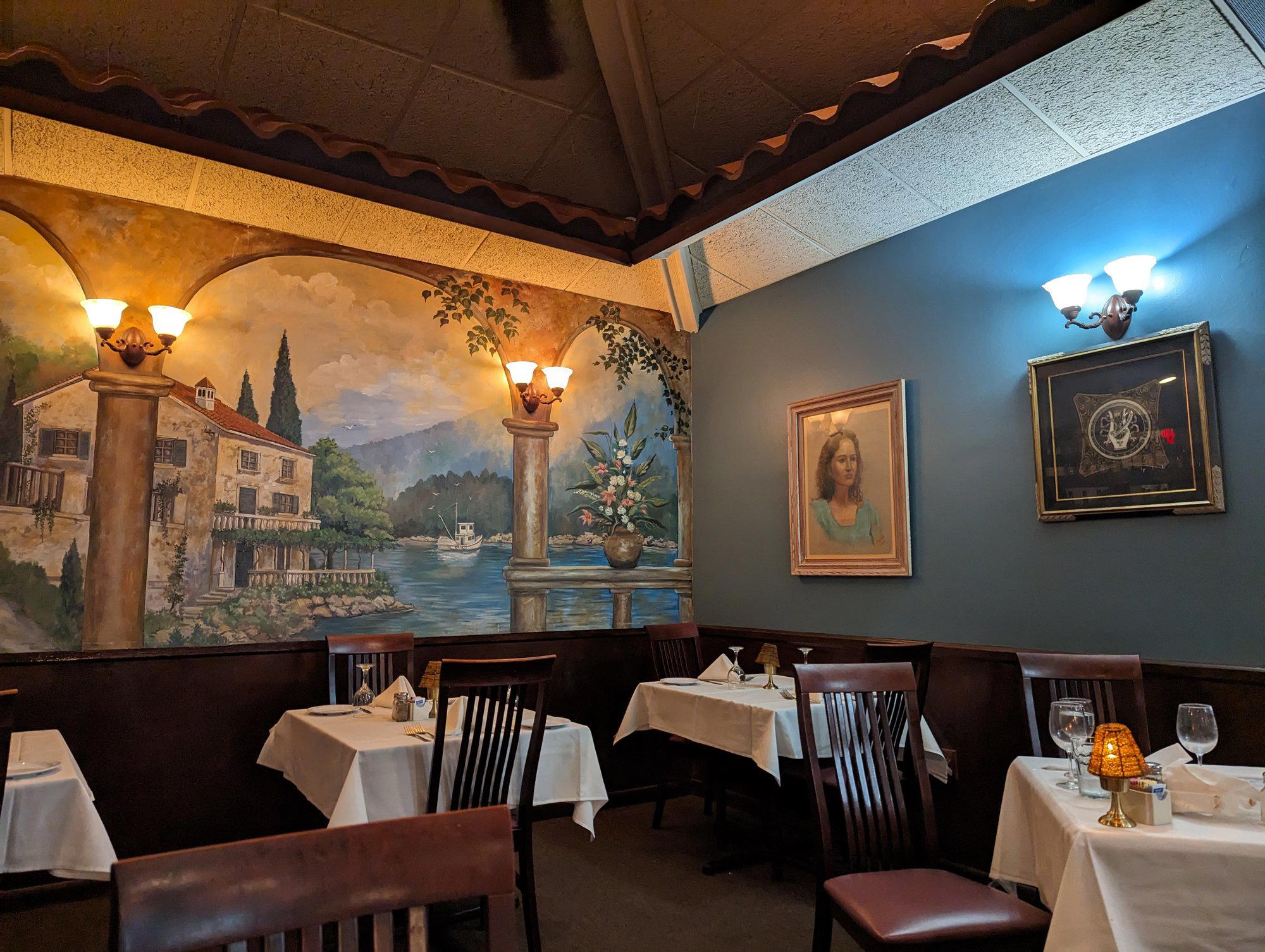
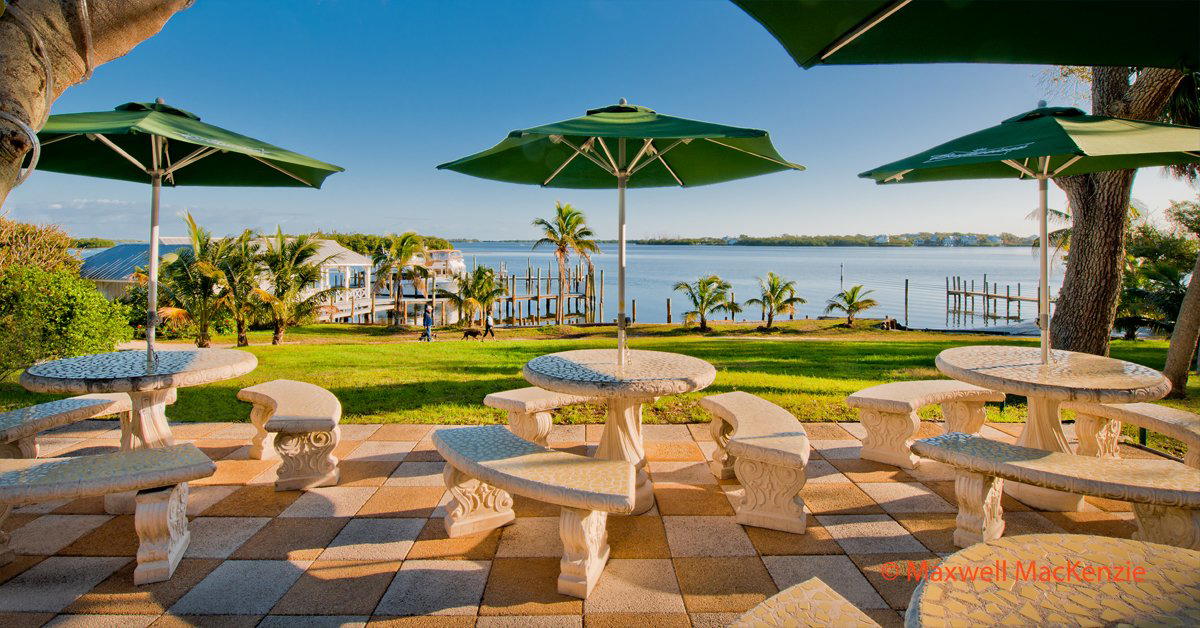
Relaxed and lively Old Florida atmosphere in a historic ‘Old House’ with open-air dining, rustic decor and the famous dollar-bill bar, surrounded by tropical vegetation and water views that feel secluded yet bustling with boaters.