Our verdict
An outdoor boma in Kirawira places dinner inside the Serengeti’s camp-dining tradition, where setting and sourcing carry as much weight as formal technique. With no public awards, chef credit, or price band attached, the useful reading is contextual: this is a safari-format meal shaped by location, open-air service, and the practical limits of cooking in a national park.

Pearl is the En Primeur Club membership app — saves, bookings, and concierge access live there. Same editors, same standards.
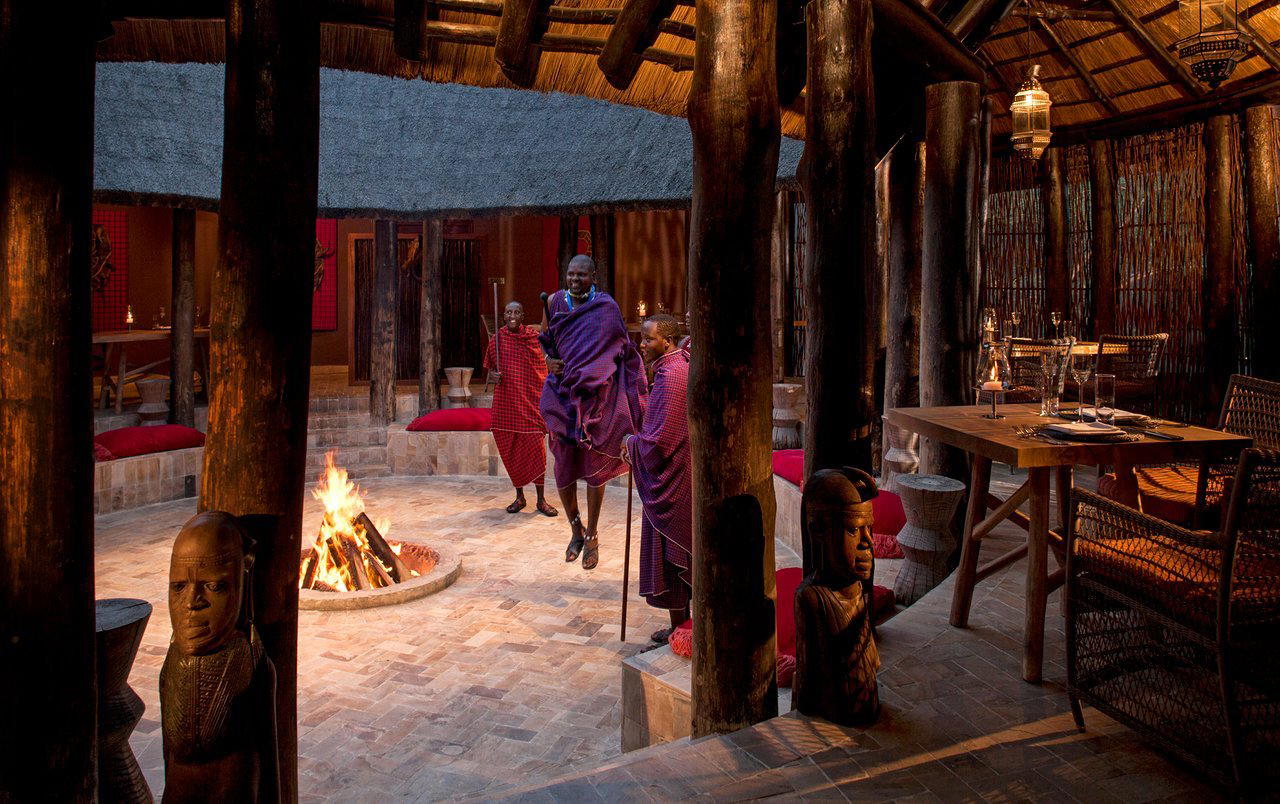
Approach an outdoor boma in Kirawira and the dining room is not a room at all. The format belongs to safari hospitality: open air, close to camp life, and built around the idea that dinner should register the place before it announces the menu. In Kirawira, that matters. Food here is judged differently from a city tasting counter or hotel grill, because distance, supply, weather, and camp logistics shape what reaches the table.
That does not make the category casual by default. Safari dining has moved far beyond simple fuel between game drives, but it remains dependent on sourcing discipline. Fresh produce, proteins, breads, and pantry staples have to be planned around remote access rather than urban market abundance. The better version of this format is not about decorative wilderness theatre; it is about making a meal feel grounded without pretending Kirawira operates like a major urban or coastal dining market.
Safari cooking is a sourcing test before it is a menu choice
The ingredient question is the useful lens for Boma. In a remote safari setting, cooking is partly an exercise in restraint: what can be brought in, stored safely, prepared outdoors, and served at the right pace. That separates a boma meal from city dining rooms, coastal restaurants, or polished resort kitchens. For readers comparing Tanzania broadly, other urban and coastal venues belong to traditions with denser supplier networks, while beachside and island dining rooms read through the coast.
Kirawira asks for a different standard. The point is not maximal variety; it is coherence within a remote lodge ecosystem. That is why comparisons to nearby safari formats are more revealing than cross-country rankings. Interactive Kitchen suggests a more demonstrative cooking format, while Boma Grill signals the broader regional appetite for grill-led, open-air dining. Boma sits in that conversation: meal as camp ritual, not restaurant-as-destination in the city sense.
The setting does the first course of editorial work
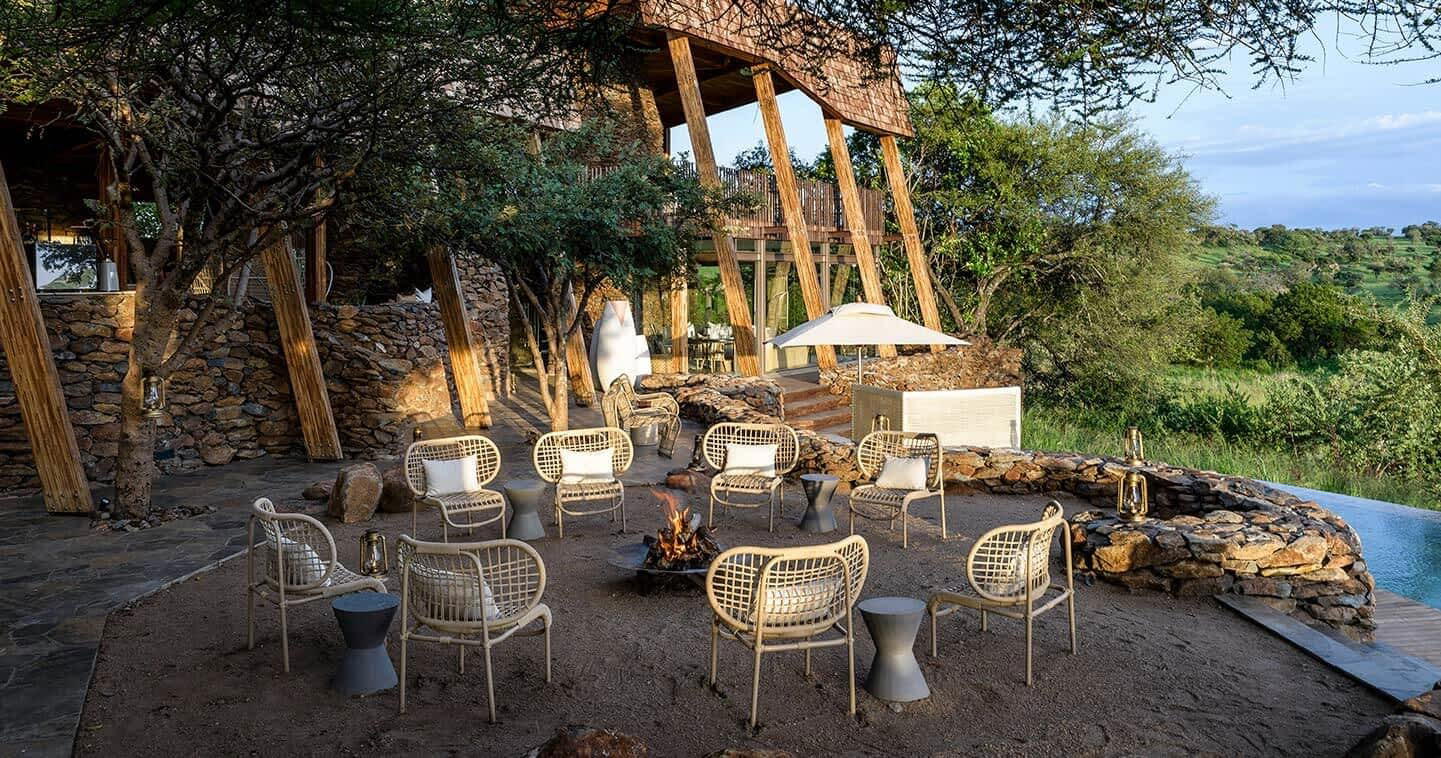
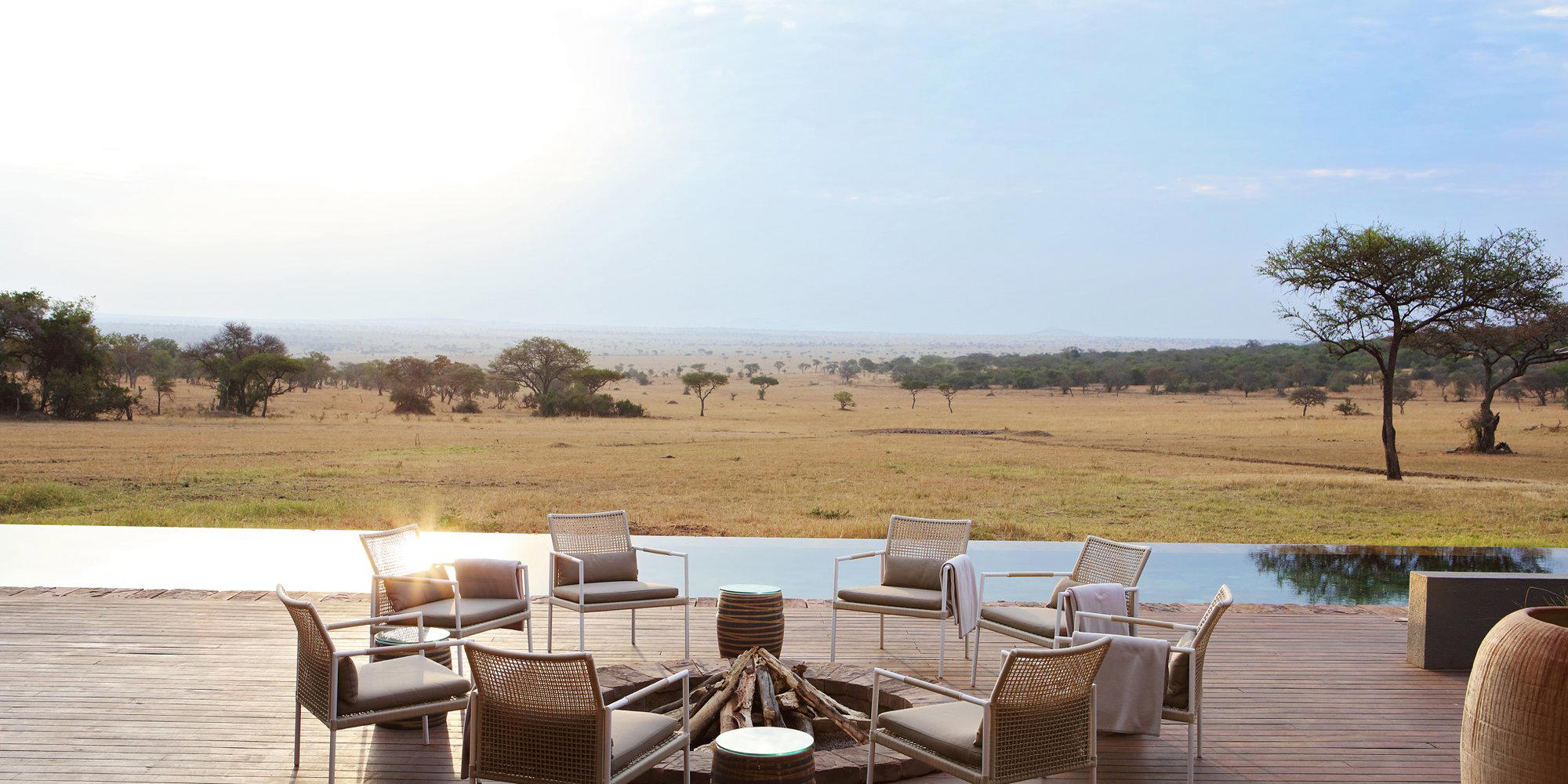
Outdoor boma dining comes from enclosure, fire, group rhythm, and the social mechanics of eating after a day in the bush. That makes it a format where atmosphere can carry more weight than chef authorship. No public chef name, formal awards listing, seat count, or price range defines the experience in the provided venue details, so the smarter assessment is structural: Kirawira is the credential. Location is not garnish here; it governs procurement, timing, staffing, and the degree of formality that makes sense.
This is also where the reader’s expectations need recalibration. A boma is not competing with urban precision, compact grab-and-go logic, or specialist city restaurant framing. Those venues operate in mature supply chains. In Kirawira, dinner has to make sense against remoteness, daylight, camp schedules, and the practical choreography of safari travel.
How to read it within a Kirawira itinerary
For Kirawira, Boma works as part of a broader stay rather than a standalone dining pilgrimage. The editorial question is less “how many courses” and more “does the meal translate the location with discipline?” In that respect, an outdoor boma can be the right counterpoint to lodge dining rooms and mobile safari routines: less formal, more communal, and closely tied to place.
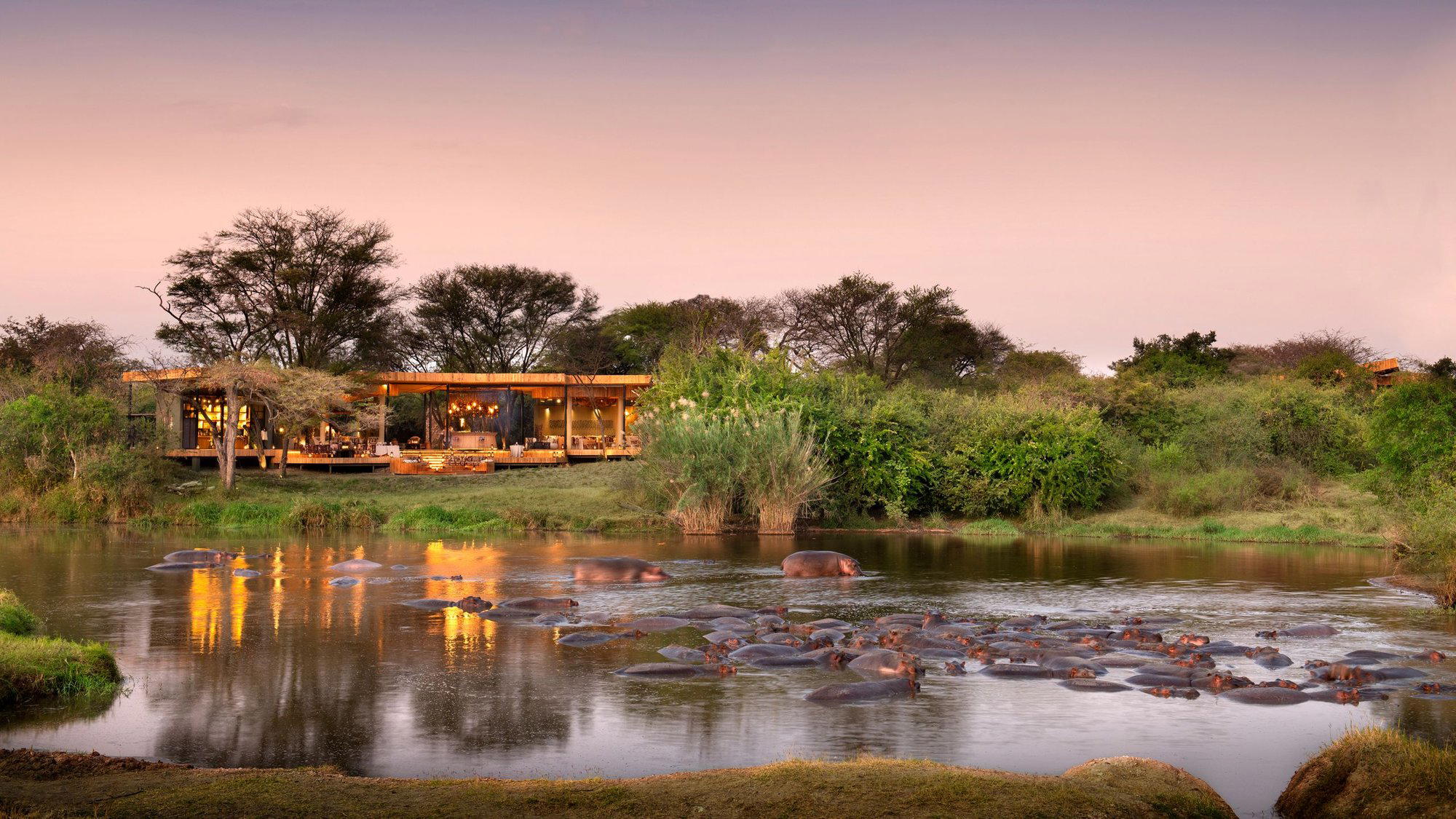
Planning should be handled through the stay or host operation rather than treated like an independent city reservation. Travellers mapping the area can use Our full Kirawira restaurants guide alongside Our full Kirawira hotels guide, Our full Kirawira bars guide, Our full Kirawira wineries guide, and Our full Kirawira experiences guide. For a wider Tanzania dining frame, other dining rooms around the country show how sharply formats can change between coast, transit hub, crater, and savannah.
Frequently asked questions
Does Boma work for a family meal?
Yes, the outdoor boma format in Kirawira suits a family meal because it is set up around enclosure, fire, and a shared table rhythm. The Kirawira setting also makes it feel tied to a stay rather than a formal city dining room.
What's the vibe at Boma?
The mood is shaped by the outdoor boma setting in Kirawira: open air, firelight, and a communal pace. In Kirawira, that reads as safari dining rather than fine-dining theatre.
Where is Boma located?
Kirawira.
How hard is it to get a table at Boma?
The listed details give no phone number or website, so Boma reads as a venue best associated with the Kirawira setting itself. In practice, that usually means access is tied to the lodge or camp rhythm in Kirawira.
What's the standout thing about Boma?
The standout element is the format: an outdoor boma in Kirawira, not a conventional indoor restaurant. The Kirawira setting does most of the work here.
Is Boma allergy-friendly?
The outdoor boma format in Kirawira makes allergy handling something to confirm before service rather than assume. With only Kirawira listed as the location, the safe move is to discuss any dietary restrictions in advance through the property.
How It Stacks Up
Comparable venues by cuisine and price in the same metro.
| Venue | Cuisine | Price |
|---|---|---|
| BomaThis venue — the venue you are viewing | Traditional African bush boma | $50–100 |
Continue exploring
More in Kirawira
Restaurants in Kirawira
All restaurants in Kirawira →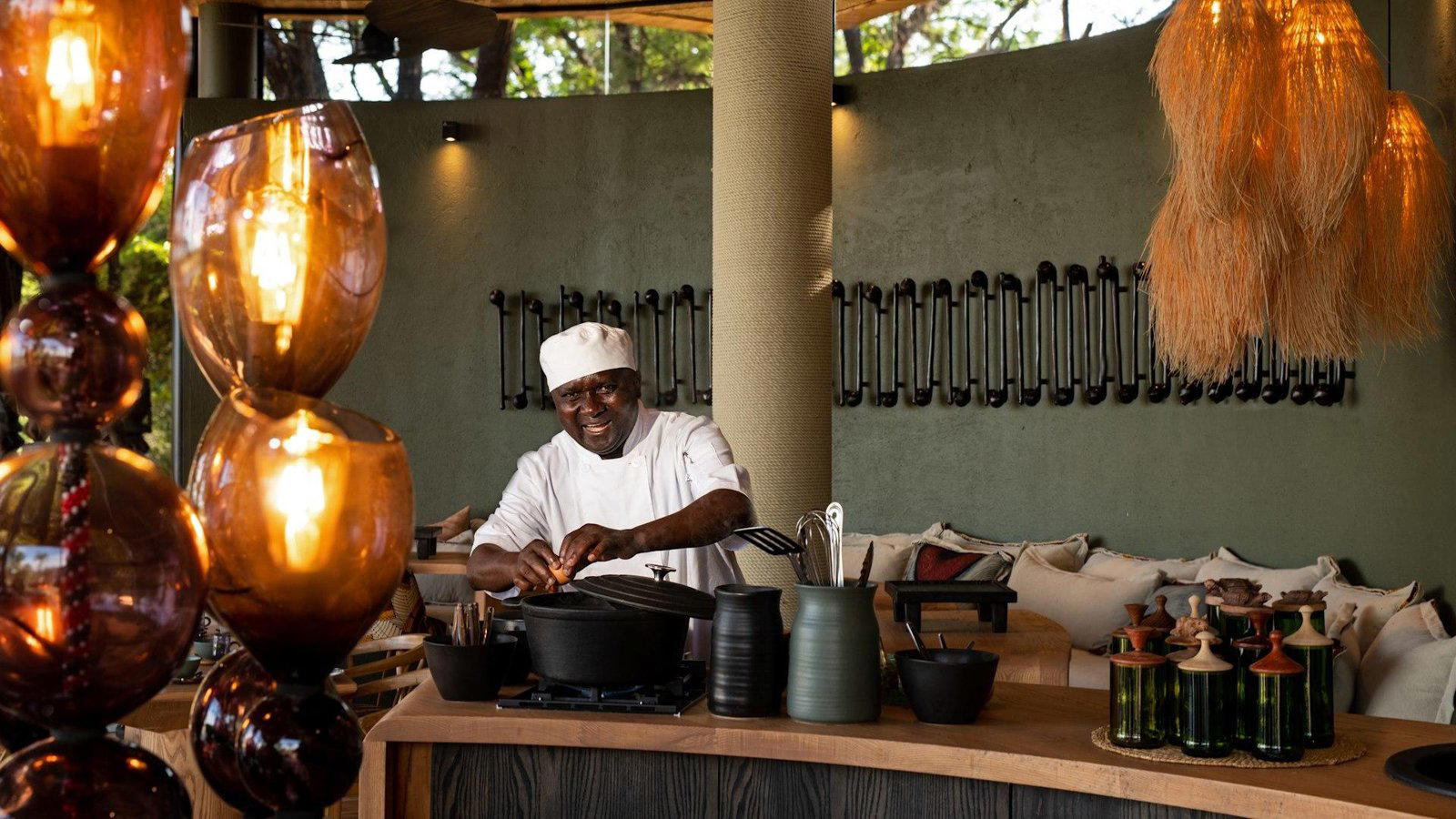
Details
- Scenic
- Rustic
- Lively
- Romantic
- Date Night
- Group Dining
- Family
- Special Occasion
- Private Event
- Garden
- Panoramic View
- Hotel Restaurant
- Mountain
- A La Carte
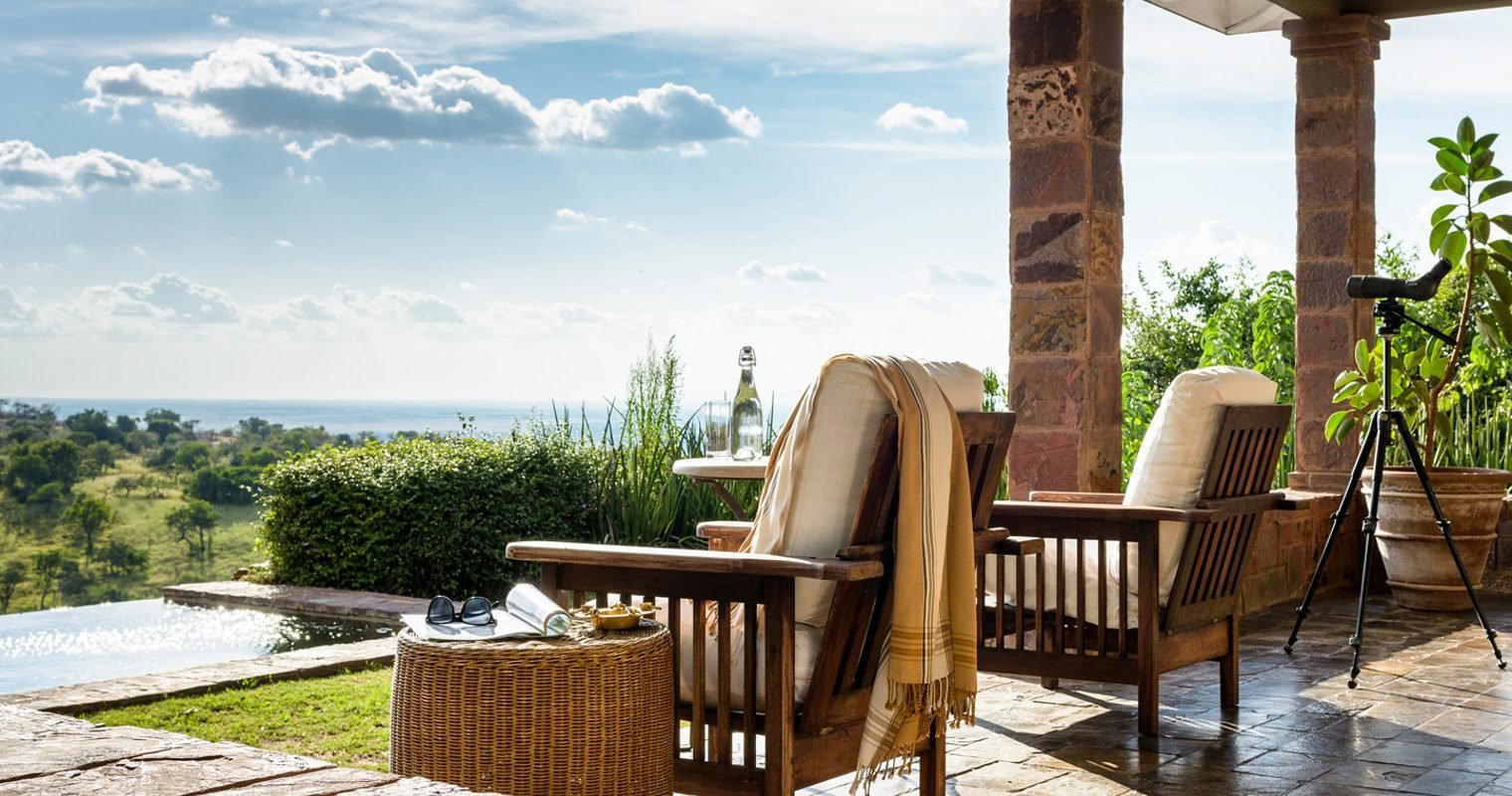
Atmosphere is that of a rustic outdoor bush boma with open fires, lantern-style lighting, traditional decor, and live Maasai song and dance, creating a lively, slightly touristy but memorable safari-dinner experience in the middle of the Serengeti.