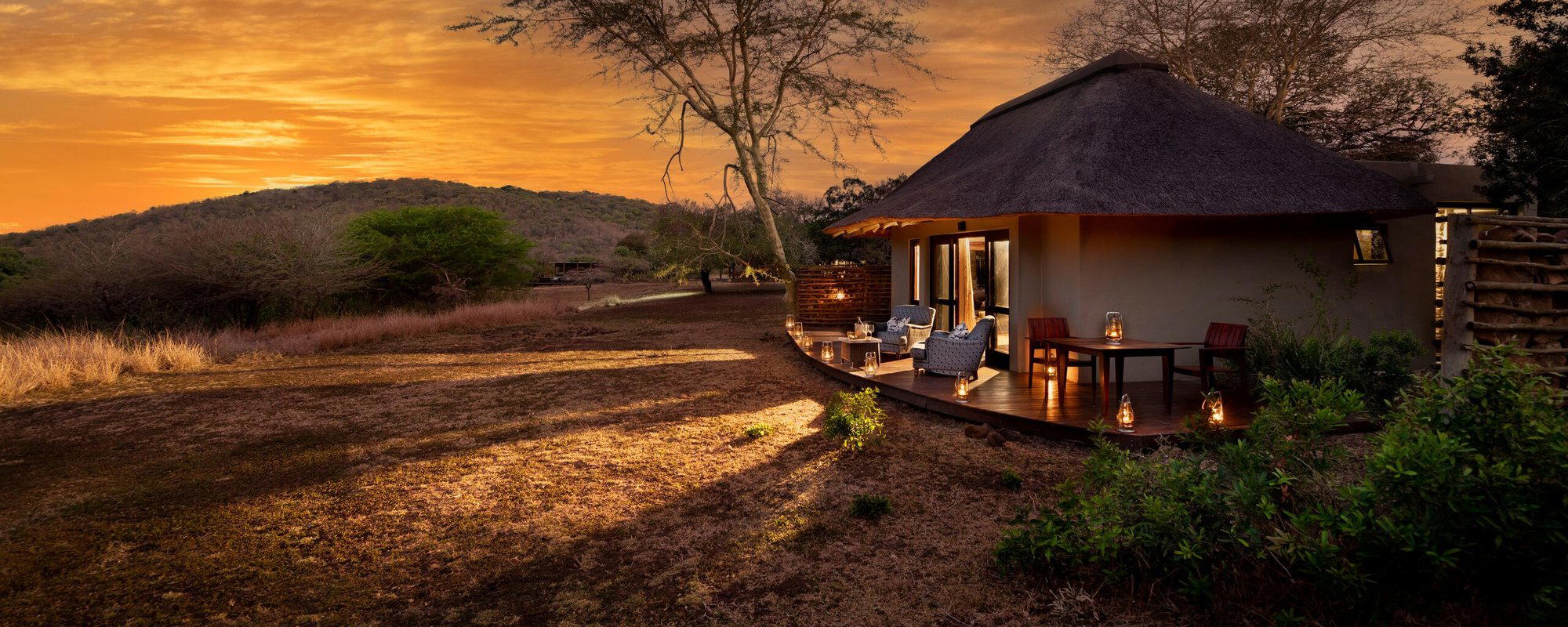
Boma
Boma belongs to Hluhluwe’s bush-country dining context, where proximity to game reserves, lodge kitchens and KwaZulu-Natal produce shapes the meal as much as formal restaurant convention. With no public award or chef-led tasting-menu signals attached, the stronger read is regional: expect the appeal to sit in setting, sourcing cues and the practical rhythm of a small safari gateway town.
Pearl is the En Primeur Club membership app — saves, bookings, and concierge access live there. Same editors, same standards.
- Address
- Hluhluwe, 3960, South Africa
- Directions
- Get directions
 Saves & bookings on Pearl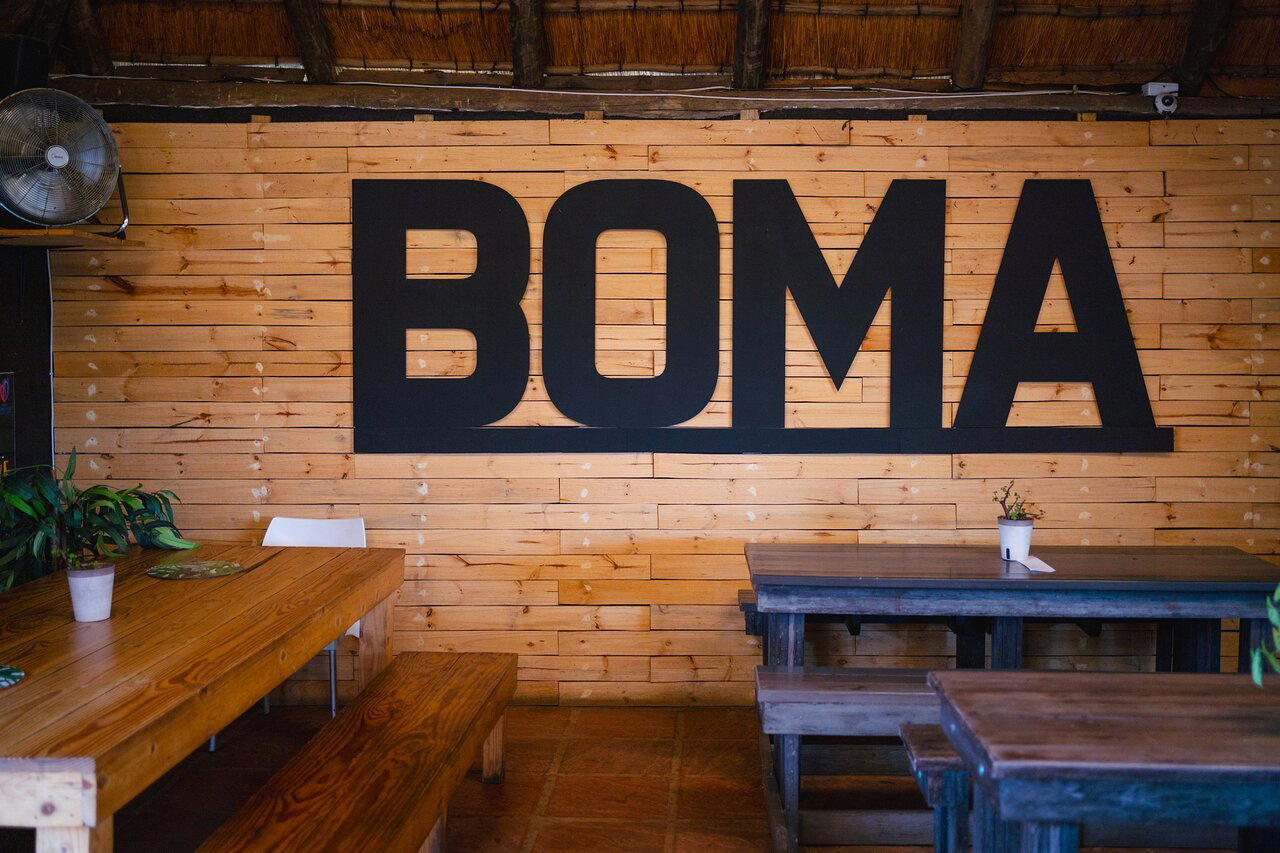
Approaching dining in Hluhluwe means reading the room before reading a menu. The town sits in northern KwaZulu-Natal, close to big-game country and coastal wetland routes, so meals here often carry the logic of travel days, lodge schedules and produce moving through a small regional hub. Boma fits that setting: less useful as a trophy-table address than as a marker of how bush-country hospitality frames food around place, fire, shade, weather and the slower pace of a safari base.
Hluhluwe dining is shaped by supply lines, not spectacle
In South Africa’s larger restaurant centres, the conversation often turns on chef authorship, tasting-menu structure and wine-cellar depth. Hluhluwe works differently. The stronger lens is sourcing and geography: northern KwaZulu-Natal sits between inland agricultural routes, conservation land and the humid pull of the coast. That position matters because restaurants in smaller safari towns rarely compete on metropolitan polish. They compete on whether the meal feels grounded in the region rather than imported from a city template.
That is the useful way to read Boma. The absence of public awards, named chef credentials and published price structure keeps the critical assessment practical rather than ceremonial. It places the venue outside the high-recognition circuit occupied by South African destination restaurants such as Babel Restaurant in Paarl or Babylonstoren in Simondium, where farm identity is part of the formal proposition. In Hluhluwe, ingredient meaning is usually quieter: local procurement where possible, menus responsive to supply, and formats that suit travellers moving between reserves, lodges and road transfers.
Comparisons across South Africa underline the point. Coastal addresses such as Birkenhead House Restaurant in Hermanus, Amelia's at The Plettenberg in Plettenberg Bay and Bites Beach Cafe in De Hoop Nature Reserve draw power from sea air, marine produce and resort pacing. Wine-country rooms such as 96 Winery Road Restaurant in Raithby work inside a vineyard-and-cellar economy. Boma belongs to a different grammar: inland KwaZulu-Natal, safari logistics and a town where the surrounding ecology is the dominant context.
The boma tradition makes fire and gathering part of the format
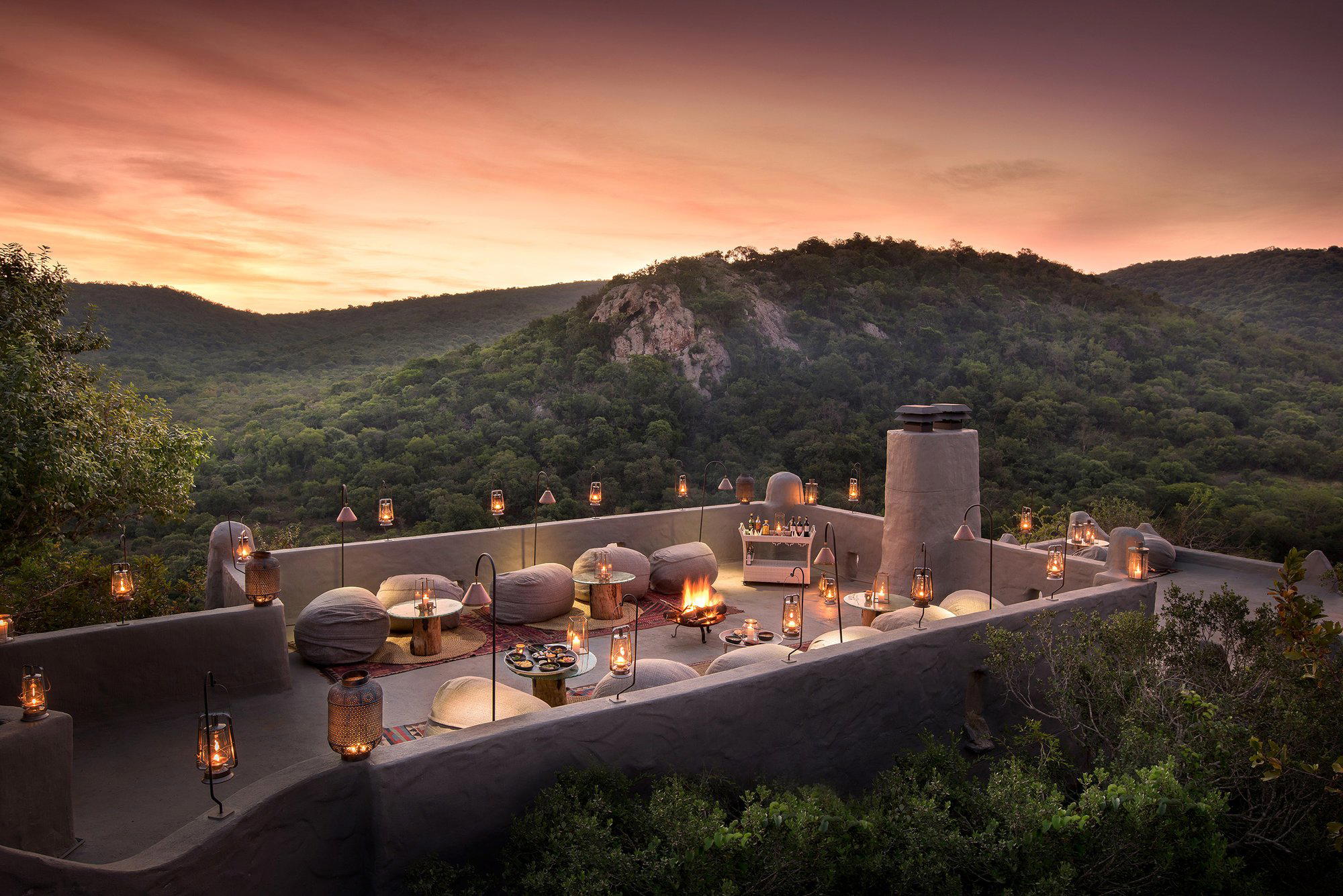
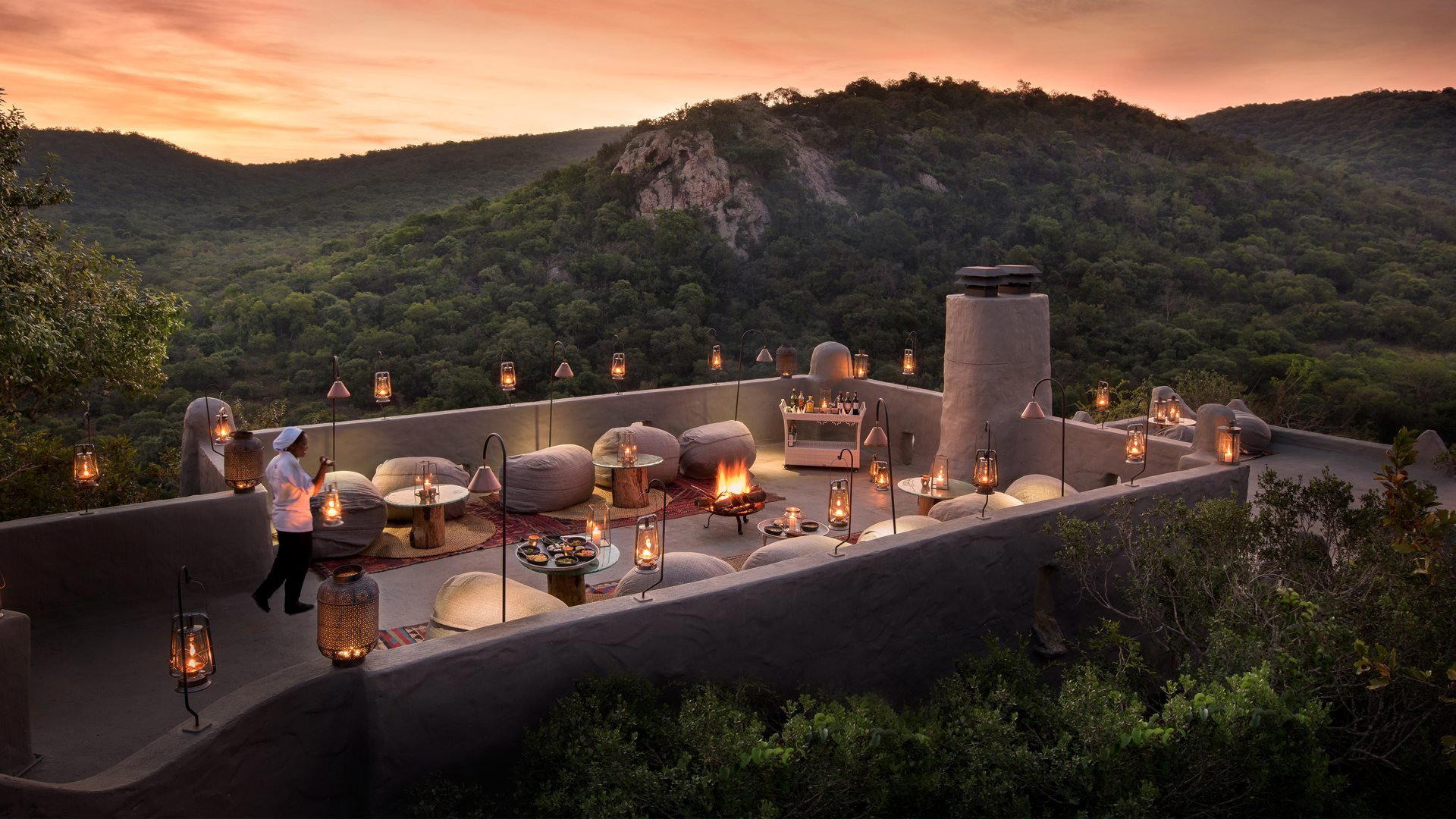
The word “boma” carries weight in southern African hospitality. It commonly refers to an enclosed outdoor gathering place, often associated with fire, evening meals and communal rhythm. That tradition can be handled with care or reduced to theme-park shorthand. In Hluhluwe, the stronger versions avoid performance for its own sake and let the environment do more of the work: open air, dusk temperatures, cooking smells and the social looseness that comes after a day on the road or in a reserve vehicle.
For readers comparing similar formats, African Boma in Thornybush Game Reserve, Boma - Open Air Terrace in Hoedspruit and Baralong Kraal in Hartbeestfontein show how broadly the open-air and fire-led format travels across South African hospitality. The difference is not only décor. It is whether the kitchen treats regional ingredients as a working supply system or as a backdrop. Boma’s Hluhluwe setting gives it a clear regional argument even without the visible machinery of awards, chef biography or published tasting-menu detail.
That makes expectations important. This is not the same decision as booking a city restaurant such as 1800 in Cape Town or Aduna Bistro in Johannesburg, where urban dining culture and media attention shape the frame. It is also not comparable to specialist Japanese-leaning addresses abroad such as Jōdo Saké Bar in Los Angeles or Onigiri Time in Pasadena. Hluhluwe asks a different question: does the meal make sense in this landscape, at this point in the itinerary, with this level of formality?
How to place it within a Hluhluwe itinerary
Boma is better understood as part of a regional stay than as a standalone dining pilgrimage. Hluhluwe’s value for travellers comes from its position near wildlife routes, small-town services and lodge country, so restaurant planning should follow the day’s movement rather than fight it. A meal here suits an itinerary built around early starts, late returns and the kind of appetite that comes from heat, dust and long drives.
For broader planning, EP Club’s city pages give the useful cross-checks: Our full Hluhluwe restaurants guide for dining context, Our full Hluhluwe hotels guide for where the meal sits overnight, Our full Hluhluwe bars guide for low-key drinking options, Our full Hluhluwe wineries guide for regional wine planning, and Our full Hluhluwe experiences guide for the conservation and outdoor framework around the table.
A Quick Peer Check
Comparable venues by cuisine and price in the same metro.
| Venue | Cuisine |
|---|---|
| Boma | This venue |
Continue exploring