
Wine Spectator Award of Excellence
Our verdict
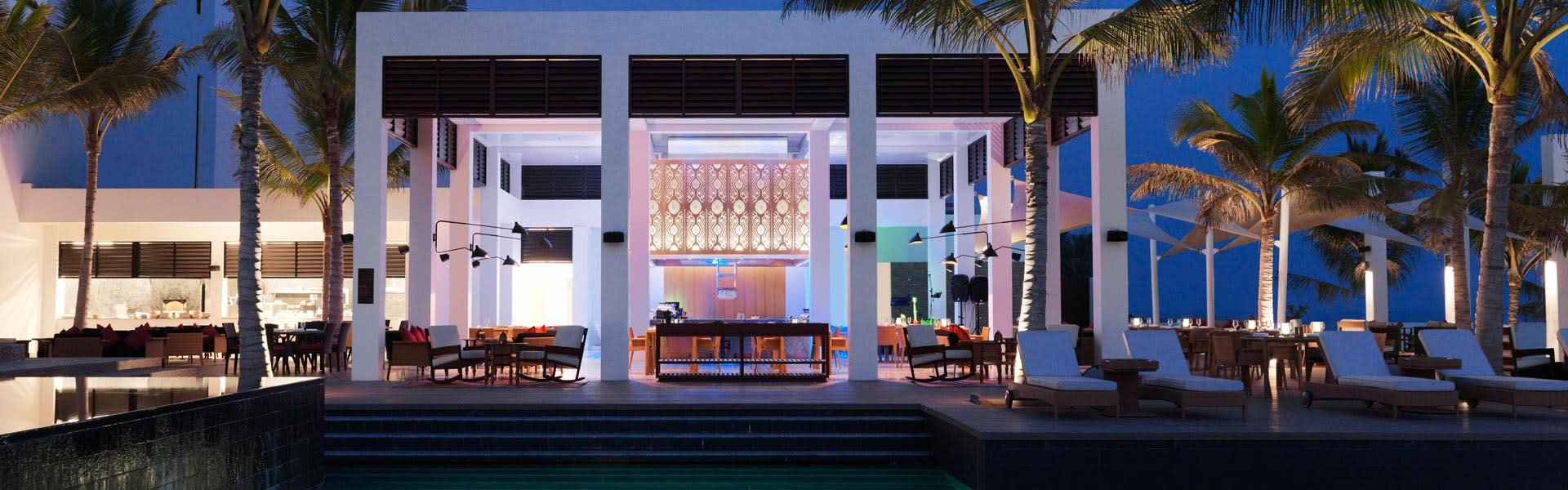
Al Mina fits Salalah’s coastal dining logic: beach-edge, resort-adjacent, and better understood through setting and sourcing than chef mythology. Its position by a private beach and infinity pool places it in the city’s slower seaside register, where seafood, grill culture, and Gulf-facing hospitality shape the meal more than formal awards or tasting-menu theatre.

Pearl is the En Primeur Club membership app — saves, bookings, and concierge access live there. Same editors, same standards.
The menu
What to order
- Traditional oven-cooked pizza
- Seafood dishes
- Grilled hammour
- Lobster
The approach is defined by water before food: coastal air, resort pacing, and the kind of Salalah setting that makes premium dining feel less urban than tidal. In Dhofar, the table is rarely separated from geography. The Arabian Sea, the khareef season, frankincense country, and Omani hospitality all press into how a restaurant is read, especially when the room is understood through the city’s relationship with the coast.
Al Mina belongs to that coastal category rather than the city’s quick-service or banquet-style lanes. Salalah dining splits broadly between casual grills, family restaurants, and resort restaurants that trade on setting, pacing, and a softer sense of arrival. For a sharper view of the city’s range, compare the casual grill register at Bypass Grills & Shawarma, the resort dining lens at Mekong, and the hotel-restaurant format at Sakalan, then use Our full Salalah restaurants guide to map the wider field.
Coastal setting matters more here than chef theatre
Salalah’s strongest dining argument is not scarcity, celebrity, or formality. It is proximity: to the sea, to the city’s seasonal rhythms, and to the monsoon-influenced atmosphere that makes the city feel different from Muscat or the northern coast. A beachfront restaurant in this part of Oman is judged less by conceptual novelty than by whether the meal respects heat, salt, breeze, and freshness without burying the experience under international resort clichés.
That context is useful because Oman’s food culture does not sit in a single lane. Along the coast, seafood and grilled dishes carry much of the everyday vocabulary; inland and mountain regions lean toward different expressions of rice, meat, dates, and preserved ingredients. A meal in Salalah therefore reads against several Omani reference points: heritage-minded dining rooms, capital-city hotel restaurants, regional tables, and mountain settings elsewhere in the country. Those comparisons matter because they show how location changes the brief.
The dining question in Salalah is also seasonal. During khareef, the city shifts: cooler air, heavier visitor demand, and a greener landscape change the tempo of the coast. Outside that period, the beachfront setting carries a different appeal, quieter and more heat-conscious. For diners, this means the value of a seaside restaurant is tied not only to what appears on the plate, but to when the meal is taken and how the room handles the climate around it.
Where Salalah's resort dining slows the meal down
Resort restaurants in Oman often work as transition spaces between travel and place. They are not always trying to compete with independent urban dining rooms on edge or experimentation; their stronger role is to give visitors a controlled way into local appetite. Al Mina’s position within Salalah’s coastal-resort dining scene places it in that slower format, where lunch can drift into afternoon and dinner depends as much on sea air as on the kitchen’s range.
This is where Salalah differs from Muscat’s bigger hotel circuit and the destination-dining drama of Oman’s remote resorts. Other Omani coastal and resort restaurants may lean more heavily into choreographed destination formats, but Salalah’s beachfront restaurants tend to feel less performative. The city’s appeal is humid, green in season, and grounded in families, domestic tourism, and Gulf travellers seeking cooler weather when much of the region is punishingly hot.
That makes the atmosphere part of the editorial assessment, not decoration. A dining room by the water in Salalah has to handle mixed expectations: children from resort stays, couples after a quieter meal, and travellers using dinner as a pause between beach, archaeological sites, and the city’s frankincense-linked hinterland. The Salalah setting also matters in a broader travel sense, since this part of Oman connects coastal leisure with heritage geography rather than a dense downtown dining strip.
How to place it within an Oman itinerary
The more useful way to plan Al Mina is by category. Put it in the coastal-resort slot, not the fast local grill slot or the formal destination slot. If the day is built around beach time, it makes sense. If the priority is street-level Salalah, the city’s shawarma, grills, and family restaurants will tell a different story. If the trip extends beyond Dhofar, Oman’s dining range becomes clearer through contrasts: everyday northern restaurants, capital-city hotel formats, and the mountain or heritage tables that show how terrain changes the menu.
Readers building a full Salalah trip should treat restaurants as only one layer. Hotels shape access to beaches and resort dining, bars are more limited and hotel-led, wineries are not part of the local drinking culture, and experiences often carry the strongest sense of place through landscape and heritage. Use Our full Salalah hotels guide, Our full Salalah bars guide, Our full Salalah wineries guide, and Our full Salalah experiences guide to balance the itinerary around climate, distance, and season.
The useful verdict is restrained: Al Mina is for diners who want Salalah’s coastal setting folded into the meal, not for those chasing a highly choreographed destination format. Its strength is contextual, a coastal-resort restaurant in a city where sea, season, and resort rhythm define much of the premium dining experience. For broader comparison outside Oman, the contrast with more concept-led dining rooms or casual format-driven spots underlines the point: here, the setting is not background. It is the organising principle.
Frequently asked questions
Is Al Mina a family-friendly restaurant?
Yes, Al Mina is in Salalah. Its resort-restaurant setting can suit families who want an easy, relaxed meal as part of a coastal stay.
What should I expect atmosphere-wise at Al Mina?
Expect a relaxed resort dining room in Salalah, with the coastal setting doing much of the work. The mood is better understood as easy and unhurried rather than formal.
What's Al Mina's location?
Salalah.
Do I need a reservation for Al Mina?
A reservation is sensible for a resort restaurant in Salalah, especially during busy hotel dining periods and the khareef season.
A Quick Peer Check
Comparable venues by cuisine and price in the same metro.
| Venue | Cuisine | Price | Awards |
|---|---|---|---|
| Al MinaThis venue (the venue you are viewing) | Mediterranean Resort Dining | $30–50 | Wine Spectator Award of Excellence |
| Mekong | Southeast Asian and Chinese | Not listed | Wine Spectator Award of Excellence |
| Sakalan | International Buffet | Not listed | Not listed |
| Bypass Grills & Shawarma | Omani & Turkish Grills & Shawarma | $1–10 | Not listed |
Recognition history
Dated appearances from independent guides and award organizations, with the underlying list record or original source where available.
Wine Spectator Award of Excellence
Wine Spectator
Continue exploring
More in Salalah
Restaurants in Salalah
All restaurants in Salalah →
Hotels in Salalah
All hotels in Salalah →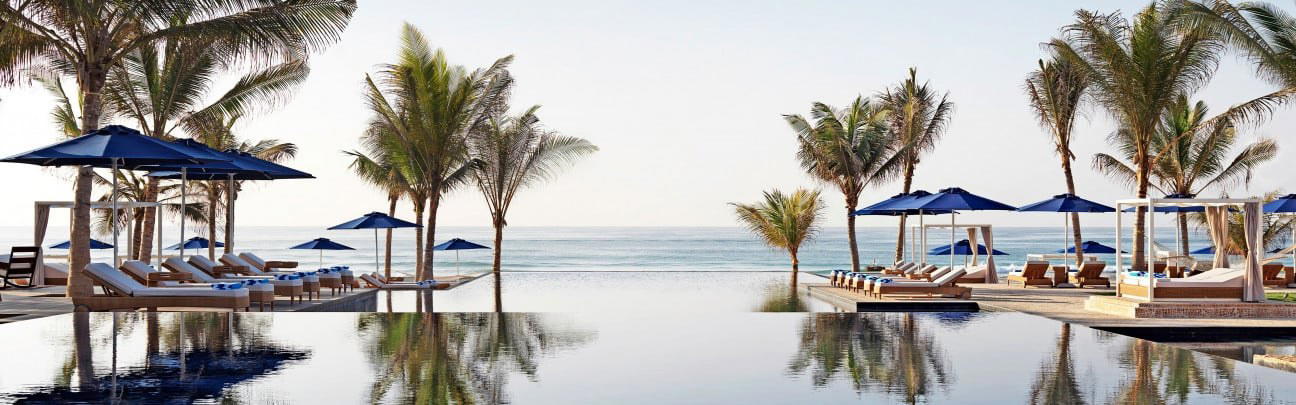
Al Mina
The wine
Al Mina holds the Wine Spectator Award of Excellence, which Wine Spectator gives to lists of usually 90 or more selections.
- Wine Spectator
- Wine Spectator Award of Excellence
- Craft cocktails
- Beer program
Details
- Scenic
- Relaxed
- Sophisticated
- Elegant
- Romantic
- Date Night
- Group Dining
- Casual Hangout
- Special Occasion
- Waterfront
- Terrace
- Hotel Restaurant
- Craft Cocktails
- Beer Program
- Local Sourcing
- Sustainable Seafood
- Waterfront
- A La Carte
- Cocktails
- Shisha
- Wine
- Beer
- Vegetarian Friendly
- Pescatarian Friendly
Current opening hours
- Monday
- 12–10 PM
- Tuesday
- 12–10 PM
- Wednesday
- 12–10 PM
- Thursday
- 12–10 PM
- Friday
- 12–10 PM
- Saturday
- 12–10 PM
- Sunday
- 12–10 PM
Hours can change for holidays and private events. Last verified .
Relaxed by day and fresh, sophisticated by evening, with a scenic Arabian Sea setting and a beach-resort feel.