Aaharam sits in Thanjavur, a city where temple-town rhythms, Cauvery delta agriculture, and Tamil home-cooking traditions shape the way restaurants are judged. The draw is less about spectacle than context: rice, lentils, vegetables, spice tempering, and regional memory matter here, especially for travelers comparing a local meal with broader Indian dining formats.
Pearl is the En Primeur Club membership app — saves, bookings, and concierge access live there. Same editors, same standards.
- Address
- 265, Mission Church Rd, Maharnonbu Chavadi, Thanjavur, Tamil Nadu 613001, India
- Directions
- Get directions
 Saves & bookings on Pearl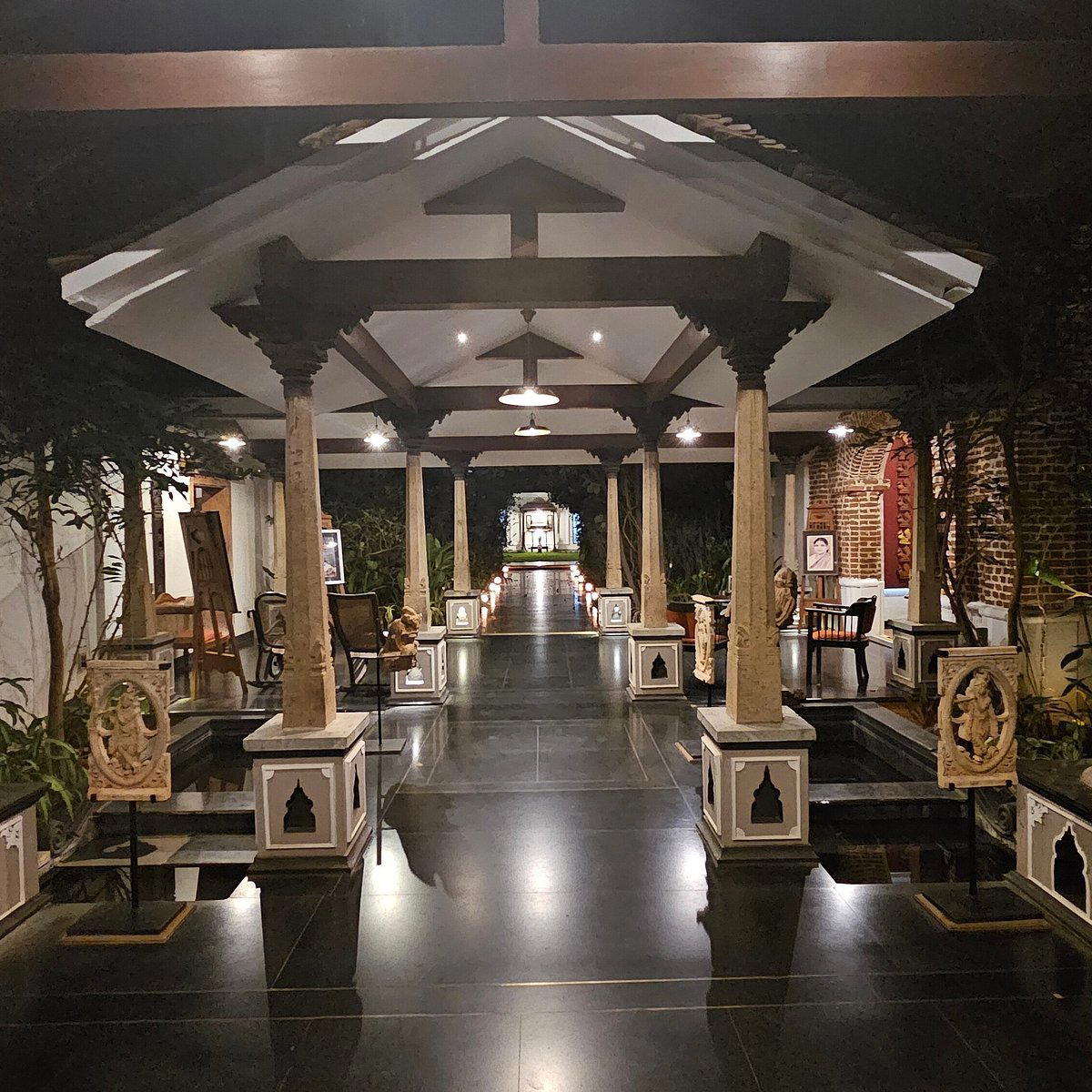
Approaching a restaurant in central Thanjavur is rarely a neutral act. The city’s streets carry the daily traffic of temple visitors, students, shopkeepers, and families moving between errands and meals, and that rhythm shapes expectations before the first plate arrives. In this part of Tamil Nadu, food is measured against home kitchens as much as restaurant peers: rice should feel central, spice should have sequence rather than volume, and vegetables, pulses, and chutneys do much of the quiet work.
Aaharam belongs to that local frame. The name itself points toward nourishment rather than performance, which suits Thanjavur’s dining culture better than imported theatrics. This is a city where the Cauvery delta matters in the background of the table. Rice is not a side character in Tamil cooking here; it is the anchor around which gravies, fried elements, pickles, curd, and seasonal vegetables find their place. For travelers arriving from larger Indian dining circuits, that distinction is useful. A meal in Thanjavur is often less about a chef’s signature and more about how well a kitchen understands balance, heat, sourness, and grain.
Thanjavur food culture starts with the delta, not the dining room
The strongest way to read Aaharam is through ingredient logic. Thanjavur sits in one of South India’s historic rice-growing regions, and the city’s everyday cooking reflects that geography. Tamil meals here tend to be built around steamed rice, sambar, rasam, kootu-style vegetable preparations, poriyal, appalam, curd, and sharper condiments that reset the palate. Even when a restaurant does not publish a formal sourcing statement, the local grammar is clear: grain, pulse, coconut, tamarind, curry leaf, mustard seed, dried chilli, and ghee carry more cultural weight than luxury produce.
That makes the city a useful counterpoint to the buffet and pan-Indian formats found across many Indian travel routes. A venue such as The Big Barbeque - Buffet represents a different appetite: volume, variety, and group dining as the main proposition. Aaharam reads better through the quieter Tamil register, where a meal’s credibility comes from proportion rather than abundance. For a wider scan of the city’s dining options, Our full Thanjavur restaurants guide gives the broader map.
Thanjavur also rewards diners who understand that South Indian cooking is not a single category. The temple-town context, the agricultural belt around the city, and the long history of Tamil domestic food all create a distinct expectation from what a traveler may find in Jaipur, Kolkata, Hyderabad, or Delhi. Compare that with courtly North Indian dining at 1135 AD in Jaipur, hotel-led cosmopolitan dining at 360° in New Delhi, Bengali regional framing at 6 Ballygunge Place in Kolkata, or palace-format Deccani cooking at Adaa at Falaknuma Palace in Hyderabad. The Thanjavur question is narrower and more revealing: does the table understand rice-country Tamil food on its own terms?
Where a local meal fits into a temple-city itinerary
Aaharam’s value for visitors is practical as well as cultural. Thanjavur is not a city that needs every meal to become an event; the stronger travel day often alternates temple architecture, museum time, market streets, and a grounded local table. Restaurants in this setting succeed when they give enough regional specificity without slowing the day into ceremony. That is different from destination dining in metro hotels or tasting-menu rooms, and it is also different from high-energy bar or nightlife planning.
The better comparison is with India’s broad regional restaurant spectrum. 5868 Restaurant in Gandhinagar, Aaleeshan in Bengaluru, Aanch in Dehradun, Aeseo Korean Restaurant in Chennai, and Agashiye in Ahmedabad all sit in different city conversations, from urban specialisation to heritage formats. Thanjavur asks for another lens: a restaurant meal that respects the city’s agricultural base and domestic palate can be more instructive than a showier format.
Travel planning around the meal should stay city-aware. Thanjavur’s hotel choices, drinking scene, cultural programming, and specialist stops are better considered together than in isolation; use Our full Thanjavur hotels guide, Our full Thanjavur bars guide, Our full Thanjavur wineries guide, and Our full Thanjavur experiences guide to place dinner within the day rather than treating it as a standalone trophy.
The read
Aaharam is best approached as a Thanjavur context meal: useful for understanding how Tamil food behaves in a rice-belt city, less useful for travelers seeking chef-led theatre, formal awards, or a destination-room narrative. The absence of major listed awards shifts attention back to the table itself and to the city around it. That is not a weakness in Thanjavur; it is often the point. The more interesting question is how clearly the meal speaks in the grammar of the region.
For readers building an India-wide food itinerary, the contrast matters. Regional specificity can show up in a Gujarati terrace meal, a Bengali heritage dining room, a Korean specialist address in Chennai, or a Tamil restaurant in a temple city. Even outside India, the same logic applies: Jōdo Saké Bar in Los Angeles and Onigiri Time in Pasadena make sense only when read through their own culinary frameworks. In Thanjavur, that framework begins with rice, temple-town pacing, and the agricultural memory of the Cauvery delta.
Related Indian listings for wider itinerary planning: ಸà³à²µà³à²¨à³à²¤à³ ಹà³à²µà³à²¨à³ à²à³à²à³ ಠà²à²à²¡à²¿ in Chitradurga.
A Quick Peer Check
Comparable venues by cuisine and price in the same metro.
| Venue | Cuisine |
|---|---|
| Aaharam | This venue |
Continue exploring
More in Thanjavur
Restaurants in Thanjavur
Browse all →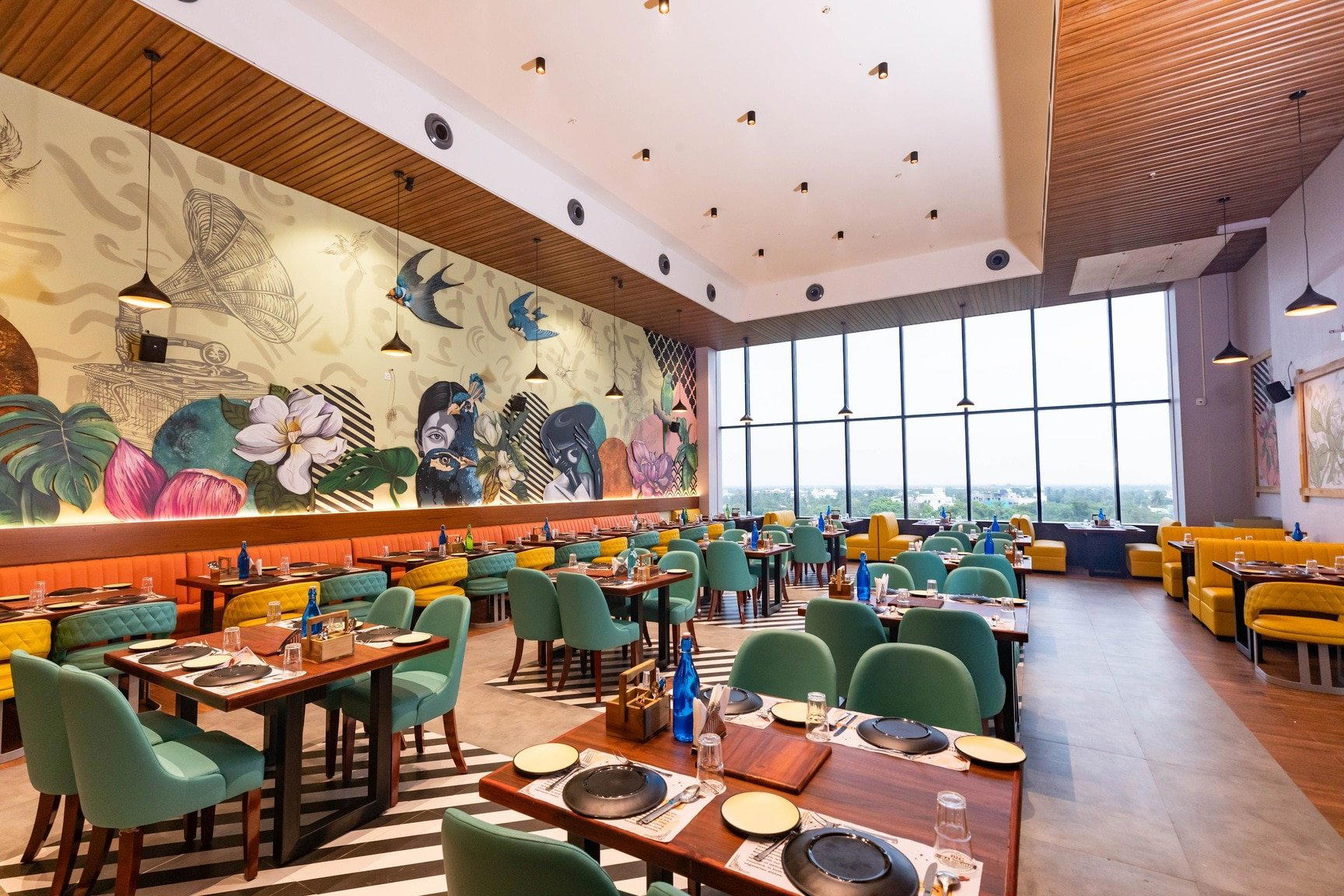
Hotels in Thanjavur
Browse all →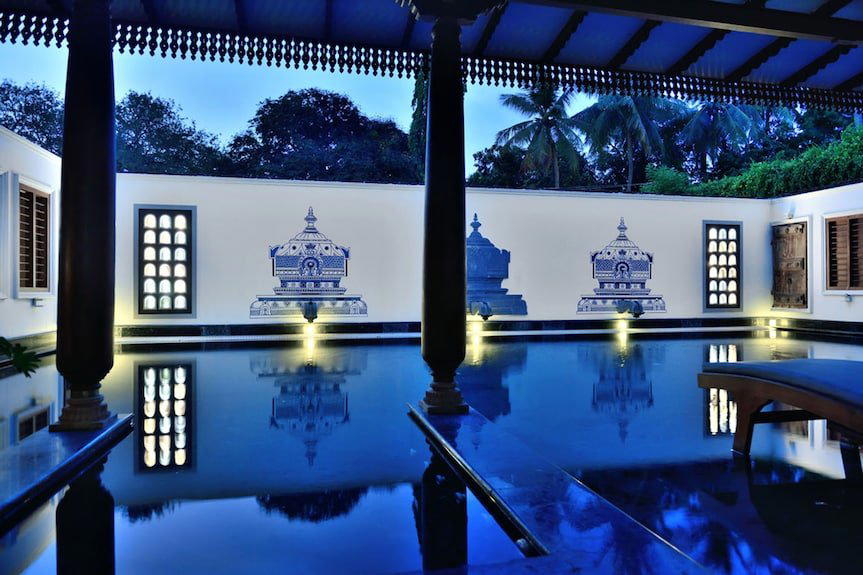
At a Glance
- Classic
- Cozy
- Rustic
- Family
- Group Dining
- Casual Hangout
- Celebration
- Date Night
- Solo
- Hotel Restaurant
- Garden
- Courtyard
- Design Destination
- Organic
- Local Sourcing
- Garden
Atmosphere is calm and traditional with a heritage-hotel feel: soft lighting, wooden and brass accents, pool and garden views, and unhurried table service that together create a quiet, cozy setting well suited to relaxed meals and families.