Google: 4.4 · 1,371 reviews
Pangaea Grill

Pangaea Grill sits on Carmel-by-the-Sea's Ocean Avenue corridor and earns its Pearl Recommended Restaurant recognition through American Californian cooking that draws directly on Central Coast sourcing traditions. Under Chef Ryoichi Yamashita, the kitchen applies a regional-ingredient discipline that positions it clearly within Carmel's mid-to-upper casual dining tier, distinct from the $$$$ tasting-menu houses while operating well above the town's deli and casual trade.
 Discover on Pearl
Pearl is the En Primeur Club membership app — saves, bookings, and concierge access live there. Same editors, same standards.
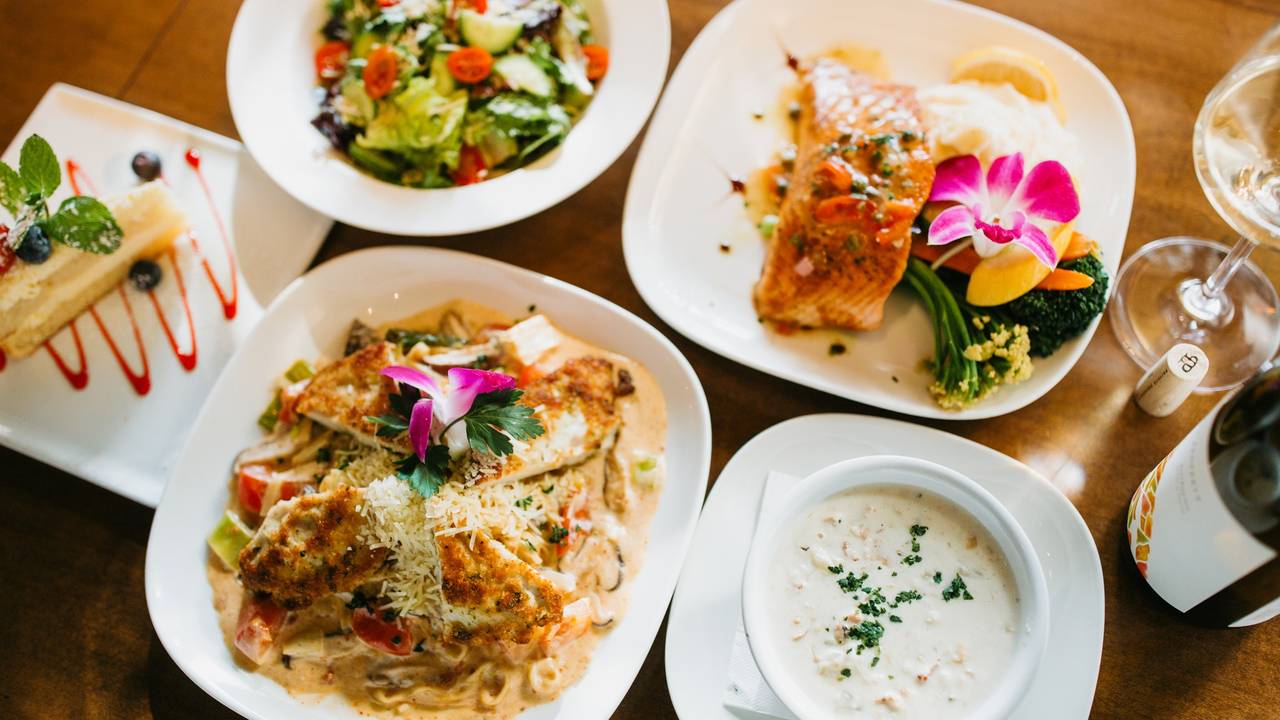
Ocean Avenue and the Carmel Ingredient Tradition
Carmel-by-the-Sea occupies one of the more geographically fortunate dining positions on the California coast. The Salinas Valley, often called the country's salad bowl for its concentration of commercial and artisan agriculture, sits roughly 30 miles inland. Monterey Bay, a federally protected marine sanctuary, produces Dungeness crab, rockfish, and squid within direct supply distance of every kitchen on the peninsula. The question most Carmel restaurants face is not whether to use these ingredients, but how deliberately to build a menu around them and how clearly that sourcing logic shows on the plate. Pangaea Grill, on Ocean Avenue between Lincoln Street and Dolores Street, occupies a position in the dining corridor where that question gets answered in the American Californian register — direct, produce-forward, and without the overlay of a formal European culinary framework.
The approach places Pangaea Grill in a different competitive category from the leading end of the Carmel scene. Aubergine Carmel and Chez Noir both operate at the $$$$ price tier with formal European-adjacent frameworks, tasting formats, and significant critical recognition. Pangaea Grill's Pearl Recommended Restaurant designation for 2025 places it in a tier below that ceiling but above the purely casual trade represented by spots like Bruno's Market and Deli. It is the kind of restaurant that anchors the mid-section of a serious dining town — where sourcing rigor and kitchen craft matter, and where the format is accessible rather than ceremonial.
The American Californian Frame
American Californian as a cuisine category has become more defined over the past decade, partly through the influence of destination kitchens like The French Laundry in Napa and Single Thread Farm in Healdsburg at the very leading, and partly through the broader farm-to-table normalization that has filtered through every price tier. At its core, the category prioritizes seasonal California produce, domestically sourced proteins, and techniques that let ingredient quality lead rather than obscure. The tradition is demonstrably different from what happens at Le Bernardin in New York City, where the framework is European and the technique defines the dish, or at Alinea in Chicago, where the concept overrides the ingredient. California kitchens in this tradition tend to let the sourcing story do the editorial work.
Chef Ryoichi Yamashita's presence in this framework is notable because it introduces a Japanese culinary sensibility into an American Californian context, a combination that has become increasingly coherent along the Pacific Coast. The Central Coast already benefits from strong Japanese fishing and agricultural communities with deep historical roots, and the application of Japanese technique , precision butchery, restrained seasoning, attention to ingredient temperature and texture , maps naturally onto California's produce culture. The resulting cooking tends to be cleaner and more structurally precise than what comes out of kitchens working from a purely American steakhouse or Southern Californian tradition.
For comparison within the Carmel scene, Akaoni operates in the Japanese category proper at the $$$ tier, while Pangaea Grill occupies the American Californian space where those Japanese-inflected sensibilities surface through a different cultural lens. The two restaurants are not in direct competition; they serve different purposes for different dining intentions on the same night.
Sourcing Geography and What It Means for the Plate
The Central Coast sourcing environment is genuinely distinctive. Monterey Bay abalone, though production-restricted since the collapse of wild stocks, has a small farmed presence in the region. Pacific halibut, black cod, and Dungeness crab follow seasonal availability windows that any kitchen paying attention will build menus around. On the agricultural side, the Salinas Valley supplies year-round greens and brassicas, while the Santa Cruz Mountains and Carmel Valley produce fruit, herbs, and some of the state's more interesting small-farm vegetable output. A kitchen that engages with this geography properly will rotate its menu faster than one working from national distributors.
The American Californian category historically rewards this engagement with a loyal local following that understands what seasonal really means in the region. Google reviews for Pangaea Grill reflect exactly this: a 4.5 rating across 1,273 reviews is a significant volume for a Carmel property of this scale and suggests a consistent kitchen that has built real repeat business rather than one-off tourist trade. For context, Carmel attracts substantial visitor traffic from the Monterey Peninsula and Bay Area weekend travel, which tends to reward accessibility and reliability differently than a local base would. Sustaining a 4.5 across that traffic volume indicates genuine kitchen consistency over time.
Other California properties working this ingredient-first approach in different city contexts include The Belvedere in Los Angeles and FARM in Napa , both of which position American Californian sourcing as the primary editorial statement of the menu. Each operates at a different price tier and with a different dining format, but the underlying sourcing logic connects them. Lazy Bear in San Francisco pushes the same regional-ingredient commitment into a more theatrical, high-concept format. Pangaea Grill's register is more grounded than any of those, which is appropriate for Ocean Avenue's pedestrian-friendly, unpretentious character.
Planning a Visit
Ocean Avenue between Lincoln Street and Dolores Street is walkable from the majority of Carmel's accommodation stock, which is concentrated within the village's compact grid. The street runs directly down toward the beach and carries the highest foot traffic of any in the village, which means walk-in availability depends heavily on timing. Carmel's peak visitor periods fall on summer weekends and around events on the Monterey Peninsula, including Concours d'Elegance in August and the AT&T Pebble Beach Pro-Am in February, when the entire dining corridor operates at capacity. Arriving mid-week or outside those peak windows gives more flexibility. For anyone building a multi-day Carmel dining itinerary, the full Carmel-by-the-Sea restaurants guide maps the full tier structure from casual to formal. The hotels guide and bars guide cover the surrounding infrastructure, while the wineries guide and experiences guide give context for the peninsula's broader offer. For breakfast before or after, Katy's Place covers that interval well.
At the broader California table, Pangaea Grill sits where most of the state's serious everyday dining actually happens: below the reservation-six-months-ahead ceiling, above the purely transactional, and anchored to a sourcing geography that makes the Central Coast one of the most well-supplied restaurant environments in the country. The Pearl Recommended designation for 2025 confirms that its kitchen is operating at a level that earns recognition within that tier, which is worth noting when the Ocean Avenue options are many and the dining time in a Carmel weekend is finite. Peer operations like Emeril's in New Orleans demonstrate what it looks like when a regional American kitchen commits fully to its local sourcing story; Pangaea Grill's California context gives it equally strong raw material to work with.
The Short List
Comparable venues for orientation, based on our database fields.
| Venue | Notes | Price |
|---|---|---|
| Pangaea Grill | This venue | |
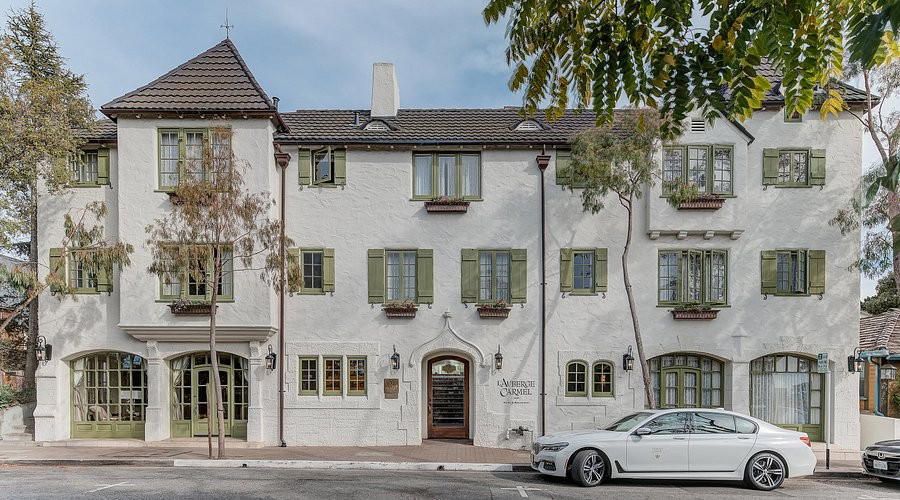
| Aubergine Carmel | French Coastal, $$$$ | $$$$ |
| Chez Noir | Contemporary, French/Spanish (Seafood-focused), $$$$ | $$$$ |
| Casanova | European, $$$ | $$$ |
| Akaoni | Japanese, $$$ | $$$ |
| Brunos Market and Deli | American Deli |
Continue exploring
More in Carmel-by-the-Sea
Restaurants in Carmel-by-the-Sea
Browse all →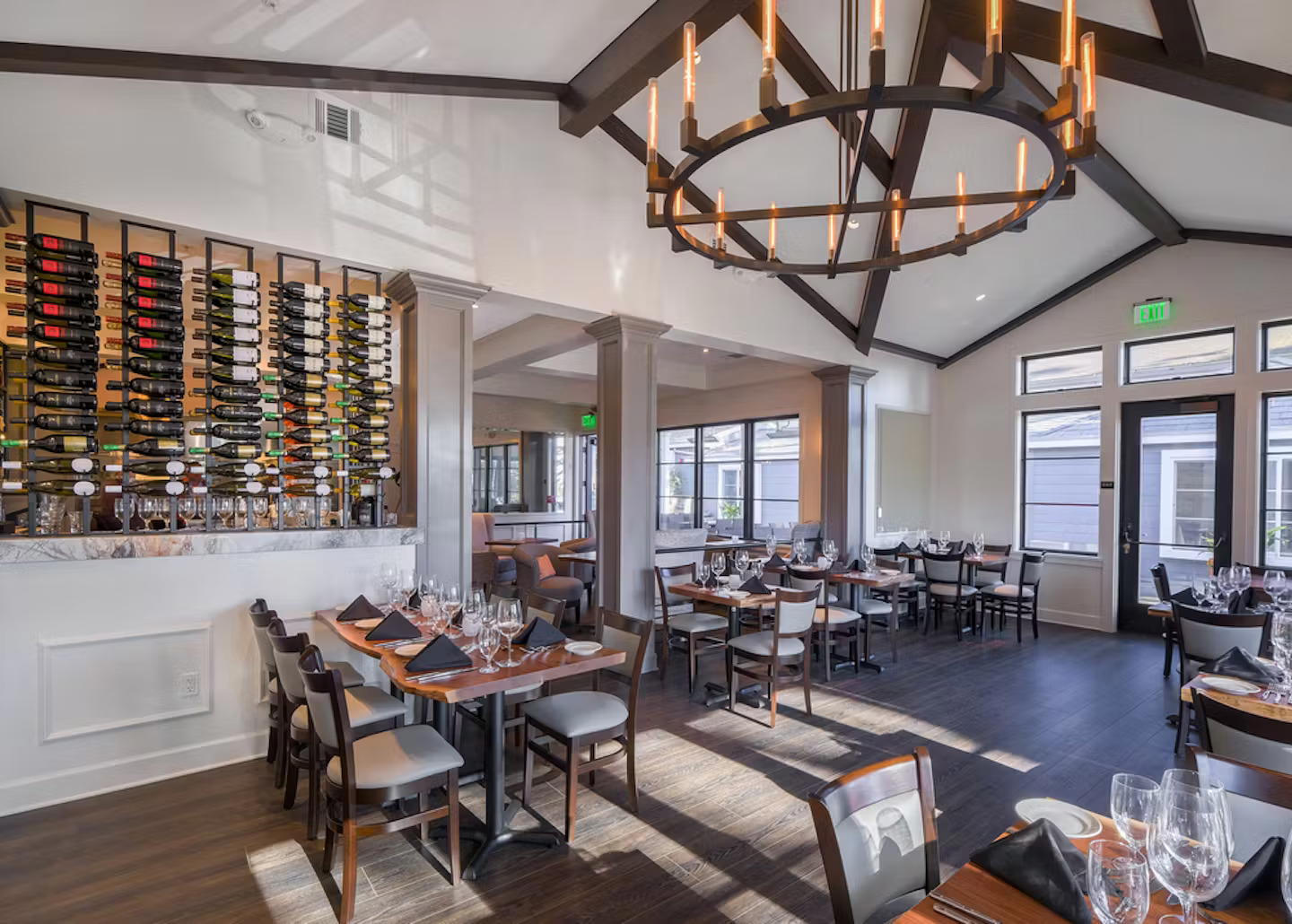
Bars in Carmel-by-the-Sea
Browse all →
At a Glance
- Modern
- Elegant
- Cozy
- Date Night
- Group Dining
- Special Occasion
- Open Kitchen
- Craft Cocktails
- Local Sourcing
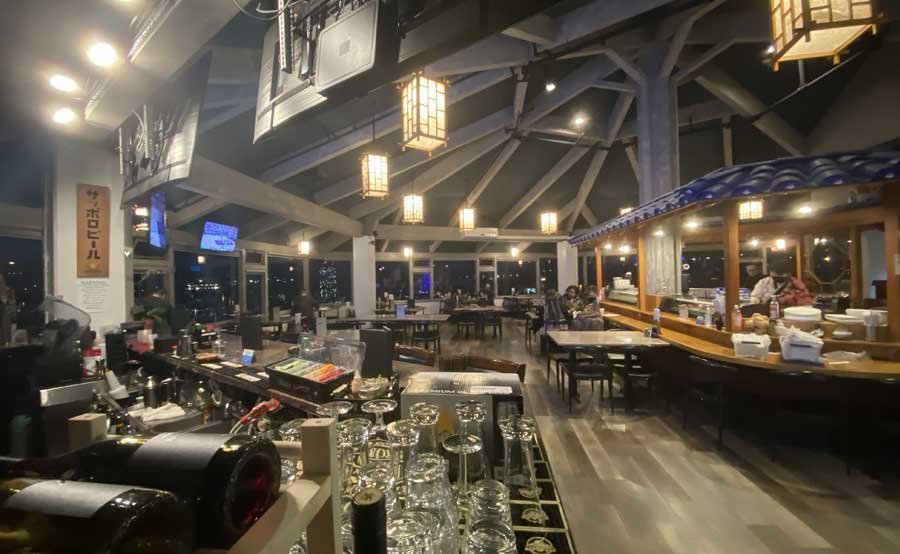
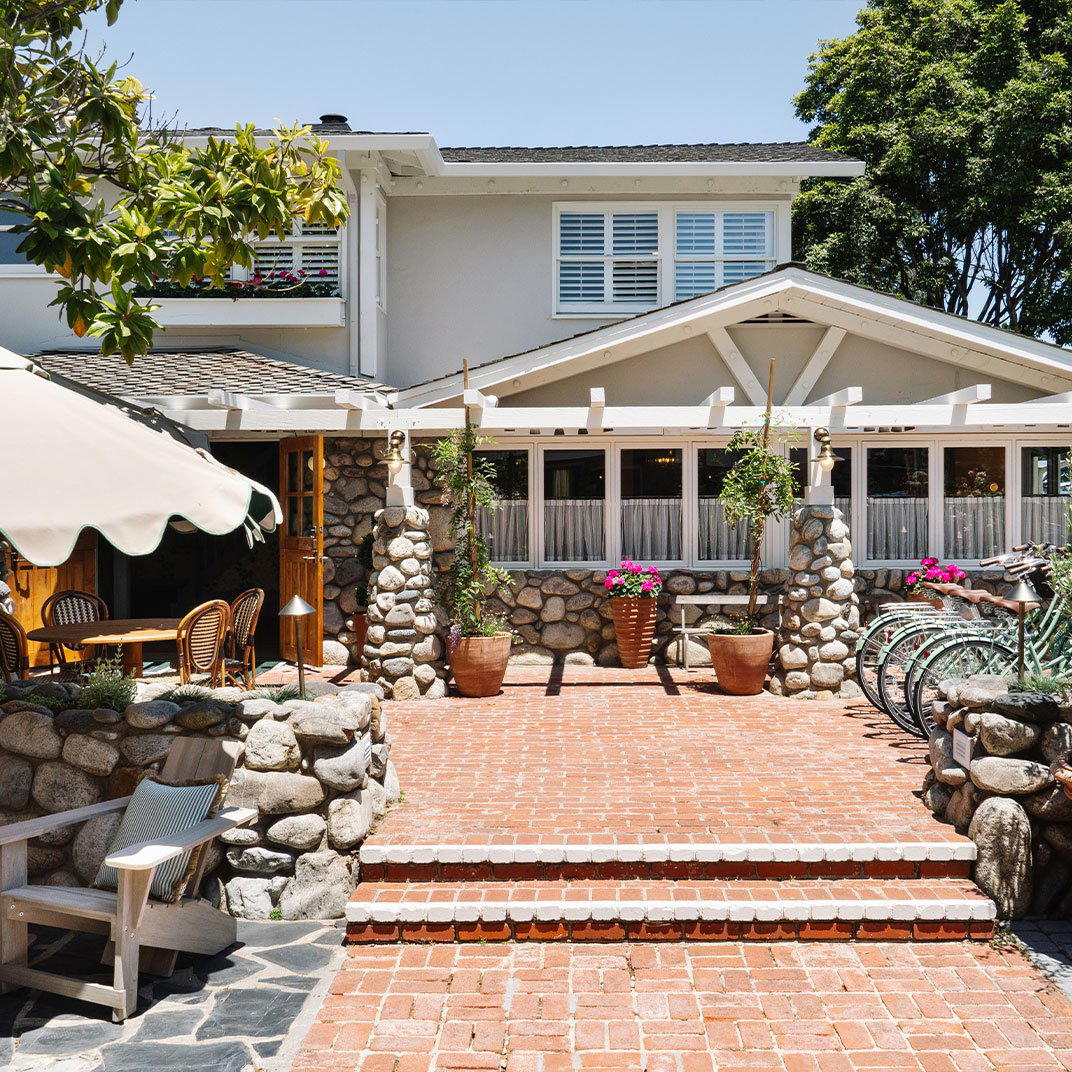
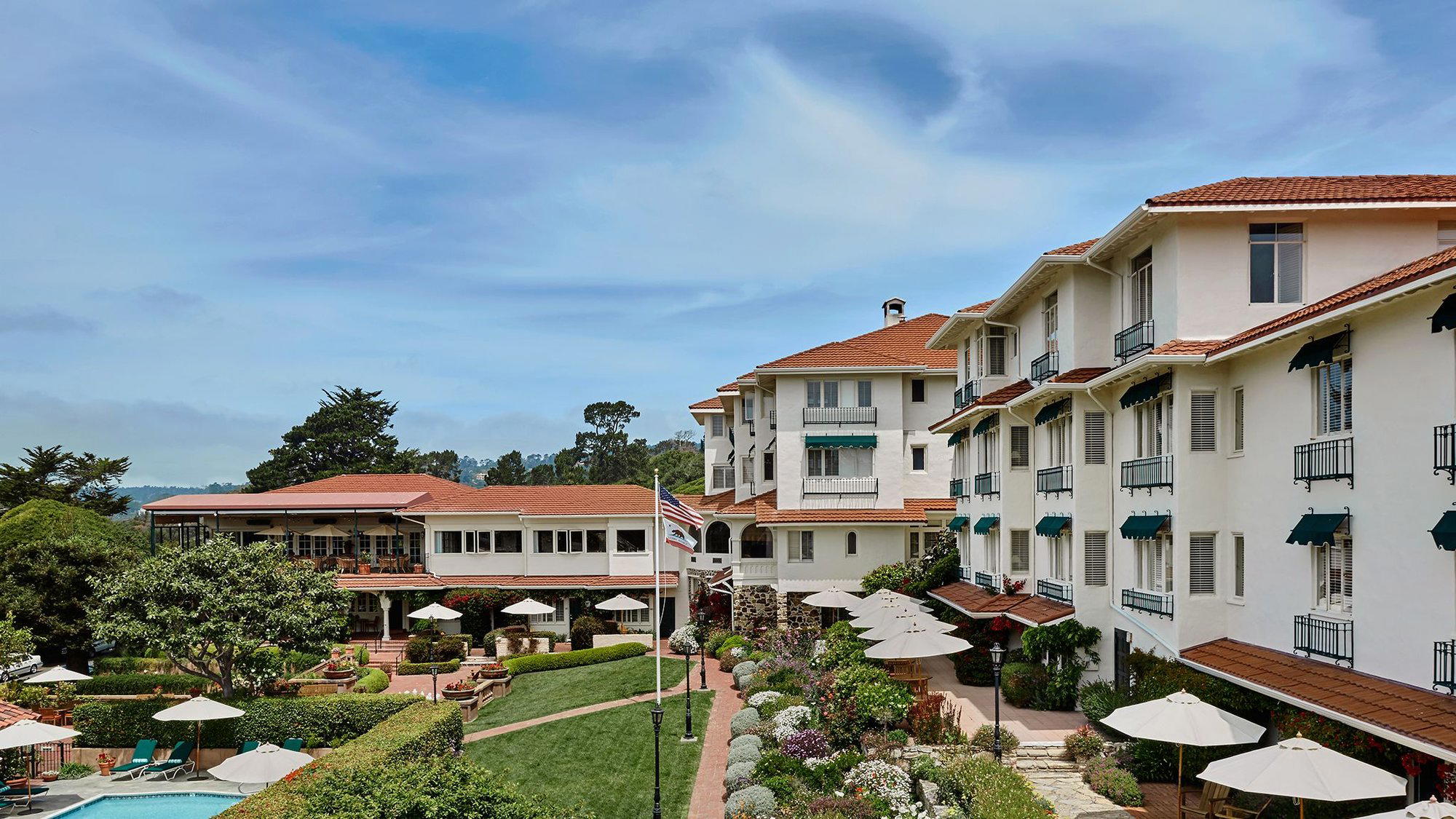
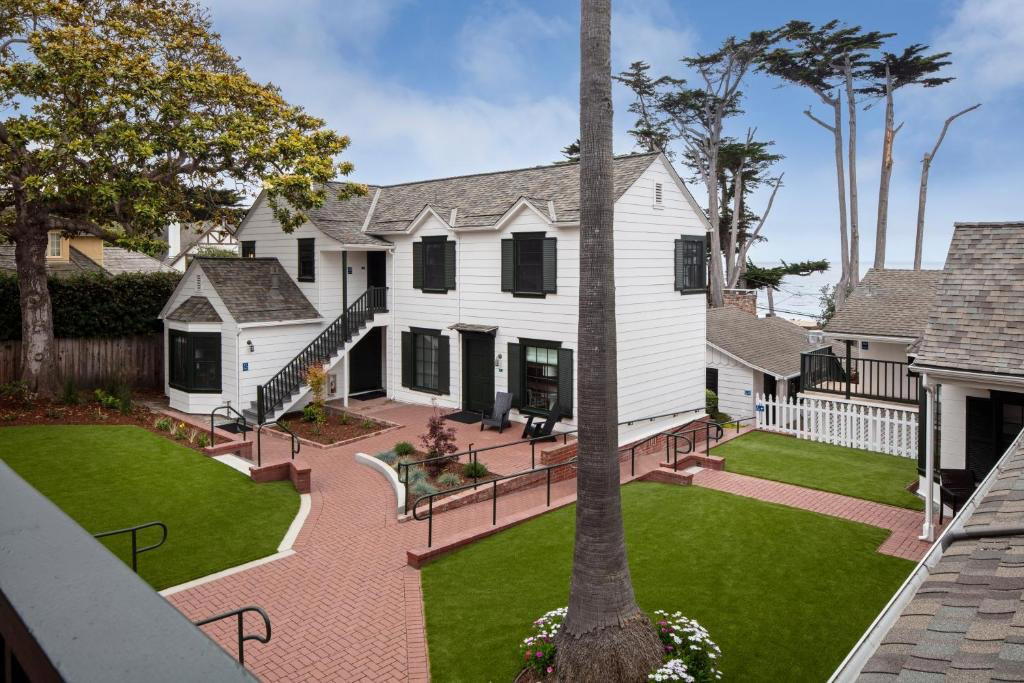
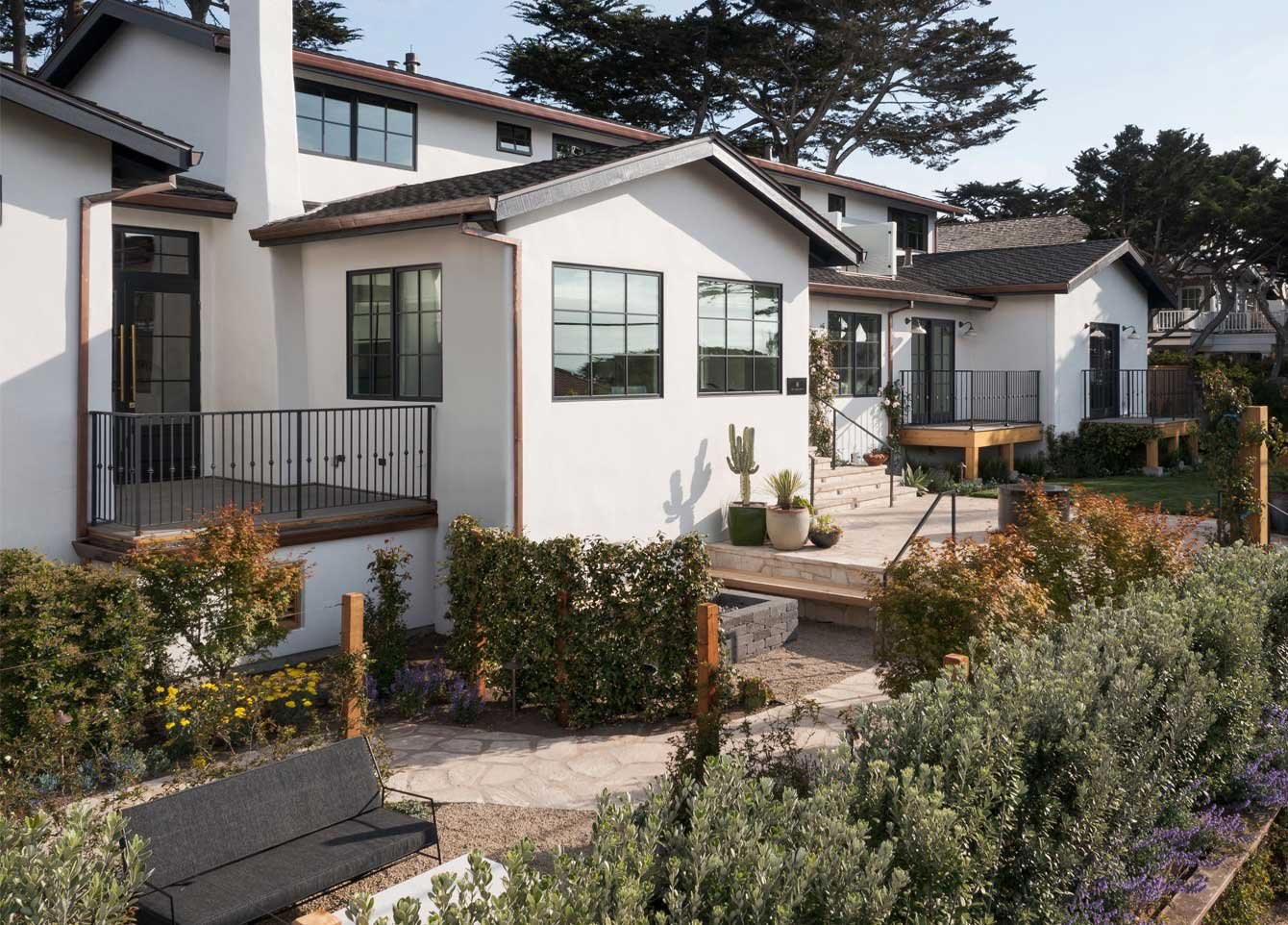
Modern design with welcoming seaside setting and relaxed elegance.