Weinhof Legenstein

Weinhof Legenstein is a small Styrian winery in Sankt Anna Am Aigen, shaped by aromatic whites, a broad local-varietal portfolio, and tastings held in a cellar dating to 1823. Its strongest pull is the meeting of Vulkanland cellar culture with a young winemaker’s service-trained eye for wine hospitality.
Pearl is the En Primeur Club membership app — saves, bookings, and concierge access live there. Same editors, same standards.
- Address
- Sankt Anna am Aigen, Vulkanland Styria, Styria, Österreich
 Saves & bookings on Pearl
Weinhof Legenstein is a winery stop in Sankt Anna Am Aigen where the appeal is simple and specific: a traditional, rustic setting, a historic wine cellar dating from 1823, and tastings arranged by appointment. The available information does not support a detailed public claim about grape varieties, awards, owners, exact opening hours, menu formats, or a formal service schedule beyond that appointment-led tasting focus. For EP Club readers, that means the page is best read as a concise planning note rather than a full critical review.
The atmosphere is the main confirmed reason to keep Weinhof Legenstein on a Sankt Anna Am Aigen itinerary. It is described as classic, quiet, rustic, and something of a, with the historic cellar forming the backdrop for the visit. That points to a slower, more personal winery experience rather than a large, high-volume tasting room. The price level is listed as $, so the venue sits in EP Club’s lowest price band, but no specific bottle prices, tasting fees, or package prices are here.
A historic cellar setting, without unsupported embellishment
The strongest grounded detail is the cellar itself. A wine cellar dating from 1823 gives Weinhof Legenstein a tangible sense of age and continuity, and it helps explain why the venue’s atmosphere is framed as traditional rather than polished or contemporary. The safer expectation is a rustic winery environment where the historic cellar is central to the sense of place.
What can be said is that the venue is focused on tasting by appointment, which makes planning ahead important. It is not a place to treat casually as a guaranteed walk-in stop unless you have separately confirmed availability.
The dress-code guidance should also be understood through the setting. “Traditional” and “rustic winery atmosphere” do not imply formal dining or special attire. They suggest dressing comfortably and respectfully for a cellar visit, with the expectation of a quiet, classic environment rather than a loud bar or restaurant-style room. The historic cellar is the point of character; the rest should be kept deliberately unembellished unless confirmed directly with the venue.
The experience is defined by appointment-led tasting
Appointment-led tasting is the other anchor. That matters for travellers because it changes how the winery should be planned. Instead of dropping in between meals or building a loose route around spontaneous visits, make contact in advance and treat the stop as a scheduled part of the day. The appointment format also suits the venue’s quiet profile: the available description points to a hidden-gem atmosphere, not a crowded tasting counter or a high-turnover visitor centre.
For that reason, this listing should not be used as evidence that food service is available. If a visit needs to fit around meals, plan those separately in Sankt Anna Am Aigen and confirm any tasting arrangements directly with the winery.
The same restraint applies to the drinks themselves. Rather than inventing a portfolio, the honest recommendation is to approach the visit as a chance to experience a traditional local winery setting and to ask the producer directly what is currently available to taste or buy.
How to place it within a Sankt Anna Am Aigen wine itinerary
Within Sankt Anna Am Aigen, the winery is best positioned as a quiet, rustic cellar visit for travellers who value atmosphere and a sense of history. It may be especially appealing if you prefer smaller-feeling venues and appointments over busy public tasting rooms. The 1823 cellar gives the stop a clear point of difference, while the $ price category keeps expectations grounded rather than luxury-oriented.
Because the confirmed information is narrow, compare it with other Sankt Anna Am Aigen dining or winery options generically rather than assuming a direct match in format. Some travellers may want a fuller hospitality venue, a restaurant meal, or a more documented wine program; others may prefer exactly the kind of classic, low-key cellar setting described here. The winery’s strengths are not breadth of published detail, but atmosphere, history, and the need to arrange the tasting in advance.
The practical takeaway is direct: if you are building a Sankt Anna Am Aigen route, contact the winery ahead of time, confirm the tasting arrangement, and plan food or other stops separately unless the venue confirms otherwise. Go for a traditional, quiet winery atmosphere, a historic cellar from 1823, and an appointment-based visit. Avoid relying on assumptions about menus, awards, varieties, or service details, and let the confirmed character of the place set the expectations.
Recognition history
Dated appearances from independent guides and award organizations, with the underlying list record or original source where available.
Falstaff Winery - Listed
Falstaff
Continue exploring
More in Sankt Anna Am Aigen
Wineries in Sankt Anna Am Aigen
Browse all →Restaurants in Sankt Anna Am Aigen
Browse all →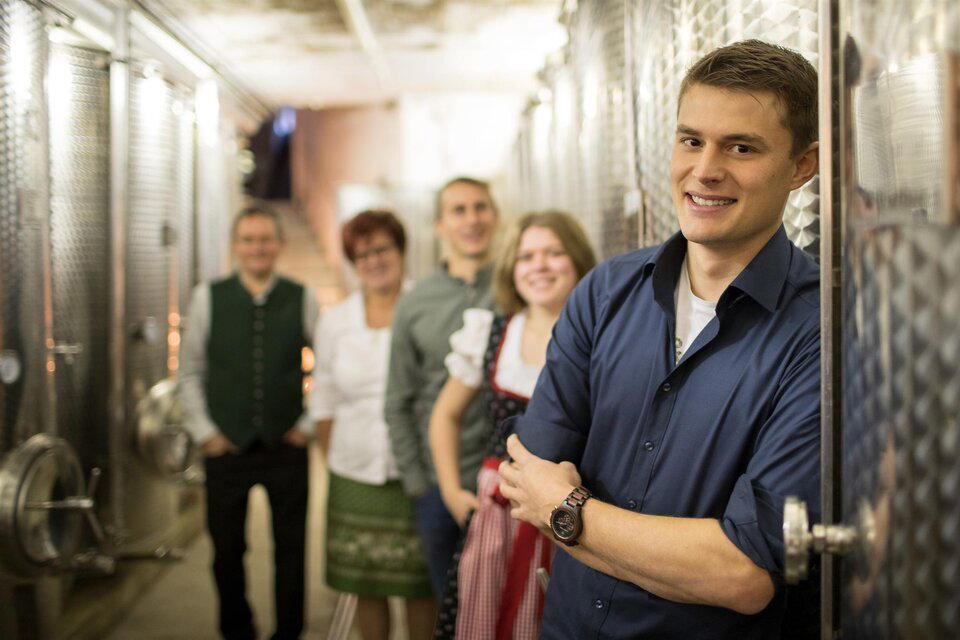
At a Glance
- Rustic
- Classic
- Quiet
- Solo Exploration
- Special Occasion
- Wine Education
- Historic Building
- Cave Tasting
- Private Tasting
- Vineyard
- Steiermark
- Welschriesling
- Sauvignon Blanc
- Chardonnay
- Gelber Traminer
- Sämling 88
- Weißburgunder
- Zweigelt
- Still White
- Still Red
- Sparkling
- Tasting
Traditional, rustic winery atmosphere with a historic wine cellar dating from 1823 and a focus on tasting by appointment.