Weingut Tina Pfaffmann

Falstaff Winery - 3 Stars
Weingut Tina Pfaffmann is a Frankweiler winery shaped by Palatinate clay-limestone soils, old vines, and a cellar style that uses extended skin contact and 100-year-old stoneware vessels. The draw is less trophy collecting than character: Riesling, Sauvignon Blanc, Pinot Gris, Pinot Blanc, St. Laurent rosé, and Pinot Noir framed through a personal, craft-led reading of Pfalz terroir.

Pearl is the En Primeur Club membership app — saves, bookings, and concierge access live there. Same editors, same standards.

Weingut Tina Pfaffmann is a wine estate in Frankweiler with a personality-led, cozy identity. The description centers on a vinothek presented as a “wine living room,” a phrase that sets expectations clearly: this is a place framed around warmth, informality, and direct enjoyment rather than a stiff or highly ceremonial experience. It gives the venue an immediate emotional register, suggesting that the setting and the way it feels to spend time there are as important to the listing as any technical wine detail.
Because the confirmed information is limited, the most accurate way to read it is through atmosphere rather than through claims about grape varieties, vineyard size, soil, tasting formats, production methods, opening hours, or awards. What can be said with confidence is that the estate’s public character emphasizes joie de vivre, authenticity, and artisanal winemaking in Frankweiler.
A cozy Frankweiler wine estate
The strongest cue is the vinothek’s “wine living room” character. That wording matters because it suggests a softer, more personal hospitality style: rustic, classic, and welcoming rather than glossy or anonymous. For visitors comparing wine-related stops in Frankweiler, Weingut Tina Pfaffmann should be understood as a hidden-gem-style estate where the mood is part of the appeal. The phrase also implies an environment designed for lingering and feeling at ease, not simply for checking a winery off a list.
The venue is also described as personality-driven. That does not confirm any specific owner biography, cellar technique, grape list, or vineyard detail, so those should not be assumed. Instead, the reliable takeaway is simpler: the estate presents itself through a sense of individual character and artisanal intent. In editorial terms, that makes it less about a catalogue of features and more about a coherent feeling: grounded, warm, and personal.
Price level is listed as $$, placing it in a moderate bracket. That positioning supports the overall impression of an approachable wine estate rather than a luxury-only destination, while still leaving the exact costs, tasting options, and purchase details unconfirmed.
What, and what is not
None of those details are part of the public record provided. Keeping those boundaries clear is especially important for a winery profile, because small differences in visit format, seasonality, and availability can materially change what a traveler experiences.
That makes Weingut Tina Pfaffmann a thin-data entry rather than a fully documented winery profile. The practical conclusion is to approach it as a cozy Frankweiler wine estate with a vinothek identity, not as a venue whose exact visit format or wine range can be confirmed from the available facts. The limited record still has value, but its value lies in the style it communicates rather than in logistical precision.
For travelers planning time in Frankweiler, it is best to confirm current visit details directly before building an itinerary around a specific tasting format, schedule, or service expectation. The reliable editorial hook remains the same: a rustic, classic, personality-led wine estate with a warm vinothek atmosphere. That framing helps set the right expectation while leaving room for the venue’s current practical details to be checked at the source.
A grounded reason to consider it
The appeal of Weingut Tina Pfaffmann rests on tone. In a category where winery listings often lean on long lists of grapes, cellar methods, ratings, or awards, the information here points instead to mood: cozy, authentic, artisanal, and rooted in Frankweiler. That gives the estate a quieter kind of distinction, based less on measurable claims and more on the promise of a welcoming atmosphere.
That may be enough for visitors who prefer small-feeling, characterful wine estates over more formal destinations. The “wine living room” description gives the venue a clear identity, even without confirmed specifics about what is poured, how visits are structured, or when the vinothek is open. For the right visitor, that kind of clarity can be meaningful: it says to expect warmth and personality first, with the remaining details to be before arrival.
In short, Weingut Tina Pfaffmann is best presented as a moderate-price Frankweiler wine estate with a rustic hidden-gem feel and a vinothek designed around comfort and personality. Anything more specific should be confirmed before being treated as fact.
Recognition history
Dated appearances from independent guides and award organizations, with the underlying list record or original source where available.
Falstaff Winery - 3 Stars
Falstaff
Continue exploring
More in Frankweiler
Wineries in Frankweiler
All wineries in Frankweiler →Restaurants in Frankweiler
All restaurants in Frankweiler →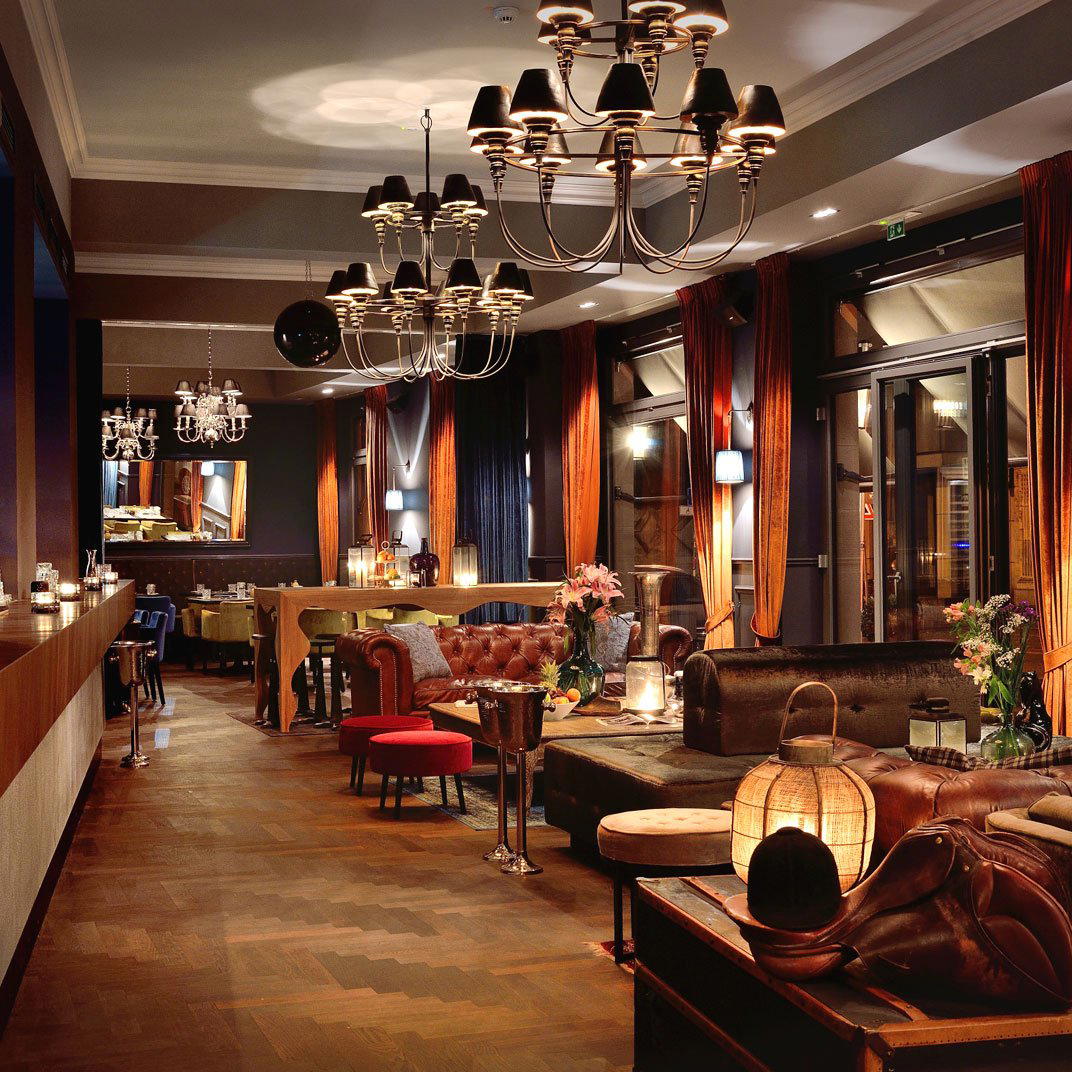
Details
- Cozy
- Rustic
- Classic
- Solo Exploration
- Group Outing
- Special Occasion
- Private Tasting
- Design Destination
- Vineyard
- Riesling
- Sauvignon Blanc
- Pinot Gris
- Pinot Blanc
- St. Laurent
- Still White
- Still Rosé
- Still Red
- Guided Tasting
- Walk In Tasting
A cozy, personality-driven wine estate with a vinothek described as a 'wine living room,' emphasizing joie de vivre, authenticity, and artisanal winemaking.