Weingut St. Bayer

A small-scale Burgenland winery in Weiden am See, Weingut St. Bayer is built around Rosenberg and Bühl vineyard sites, limited-volume bottlings, and nature-oriented vineyard work. The strongest signal is the bottle record: Falstaff 97 for two “friend & foe” releases and A la Carte 97 for “1st bayer 2022,” with pricing that places the estate firmly in a premium micro-production bracket.
Pearl is the En Primeur Club membership app — saves, bookings, and concierge access live there. Same editors, same standards.
- Address
- Weiden am See, Lake Neusiedl, Burgenland, Österreich
 Saves & bookings on Pearl
Weingut St. Bayer is a small-scale winery in Weiden am See, best understood through a quiet, producer-focused lens rather than as a broad hospitality destination. The profile is concise: a $$$ price level, an intimate and cozy atmosphere, and a focus on carefully crafted wines shaped by naturnah vineyard work. That is enough to set expectations without overstating the public record.
For EP Club purposes, the important distinction is restraint. We can describe the mood and positioning, but not build the page around vineyard names, scores, vintages, bottle prices, reservation rules, grape varieties, or tasting formats. The strongest grounded reading is that Weingut St. Bayer is a hidden-gem winery in Weiden am See where the emphasis sit with the producer and the wines themselves, not with a large, hospitality-driven visitor experience.
A quiet Weiden am See winery profile
The setting for Weingut St. Bayer is Weiden am See. Within that context, the winery’s atmosphere is described as quiet, cozy, intimate, and small in scale. Those qualities matter because they shape the likely appeal: this is not a venue to frame as a sprawling wine-country complex or a high-volume stop. It reads instead as a compact producer address for visitors who prefer a calmer, more focused encounter with a winery.
The phrase naturnah vineyard work is also part of the profile. It should be treated carefully. It supports a description of a close-to-nature orientation in the vines, but it does not, by itself, verify a specific certification, farming regime, grape list, or technical production method. In other words, it is useful as a directional signal, not as permission to invent a detailed sustainability or cellar story.
Price level is listed as $$$, which places the venue in a premium bracket for planning purposes. That does not verify individual bottle prices, tasting fees, or menu-style packages, so those details should be checked directly with the winery if they matter to a visit. What can be said safely is that winery is positioned above the casual-budget tier and is better approached with that expectation.
What can be said, and what should be checked directly
There is no confirmed public basis here for naming particular vineyard sites, listing scores, citing awards, identifying a winemaker, describing a menu format, or promising a certain tasting style. Those may be topics a visitor can ask about, but they should not be presented as settled facts in a guide entry unless they are independently verified.
That caution is especially important for wineries, where marketing language can easily harden into unsupported detail. A phrase like “small producer” is grounded in the atmosphere and scale. A claim about exact production volumes would not be. A description of a quiet, intimate feel is grounded.
For readers, that makes the winery a good example of a thin-data premium venue: the available facts are meaningful, but they do not support a long inventory of specifics. The reliable picture is of a quiet Weiden am See winery with a small-scale, craft-oriented identity and a price level of $$$. Anything beyond that belongs in the realm of direct inquiry rather than guide-page certainty.
How to place it in a Weiden am See wine itinerary
On an itinerary, the winery fits best as a calm, focused winery stop in Weiden am See. The setting appears more producer-led than hospitality-heavy, so the right expectation is not spectacle. Think in terms of a quieter visit centered on the winery’s own work and atmosphere, with enough flexibility to adjust once current visiting details are confirmed.
For context, compare it with other Weiden am See dining and wine options generically rather than forcing a fixed hierarchy. The useful question is not whether the winery is the biggest or most publicly documented stop in town; it is whether a quiet, intimate, premium-feeling winery is the experience you want. If so, its profile is coherent: hidden-gem atmosphere, small scale, carefully crafted wines, naturnah vineyard work, and $$$ pricing.
Planning should remain practical. This is particularly relevant for a smaller winery, where operating rhythms can differ from more hospitality-driven venues.
The editorial read is therefore direct: the winery is strongest for wine travelers who value quiet, intimate producer settings and are comfortable with a premium price category. It should not be oversold with awards, scores, vineyard claims, or service promises. Its appeal rests on the essentials: Weiden am See, small-scale atmosphere, carefully crafted wines, naturnah vineyard work, and a hidden-gem feel.
Recognition history
Dated appearances from independent guides and award organizations, with the underlying list record or original source where available.
Falstaff Winery - 3 Stars
Falstaff
Continue exploring
More in Weiden am See
Wineries in Weiden am See
Browse all →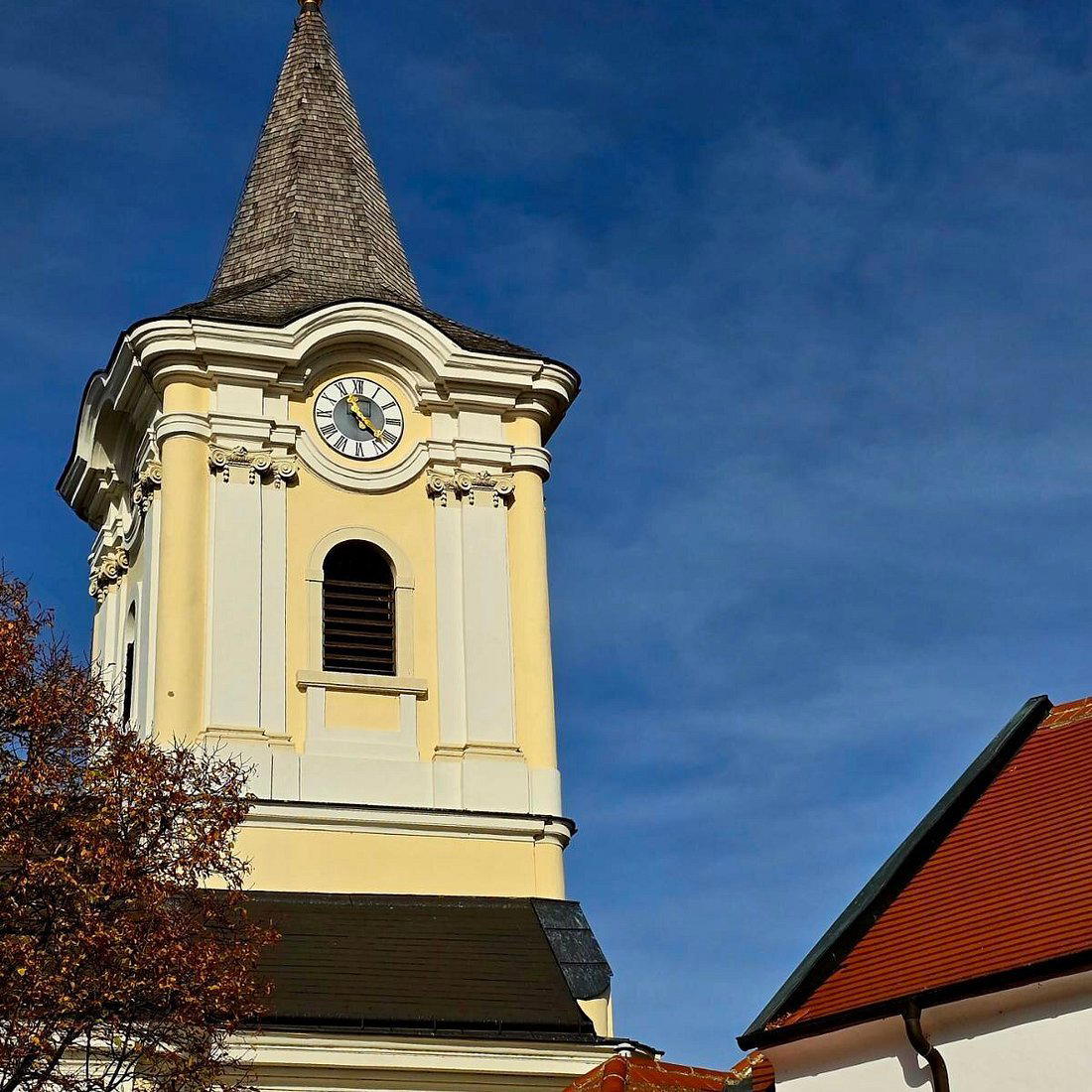
Bars in Weiden am See
Browse all →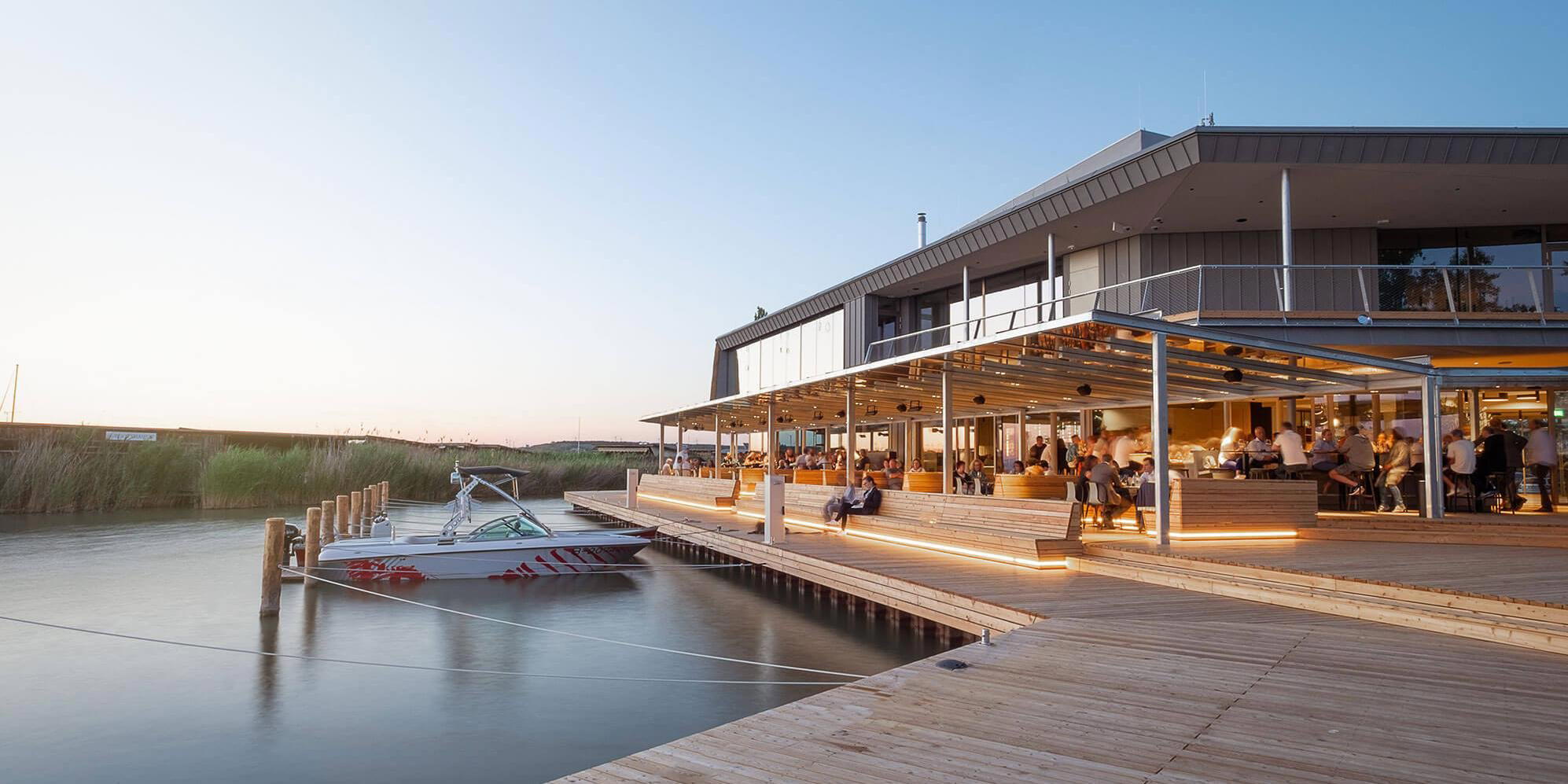
Restaurants in Weiden am See
Browse all →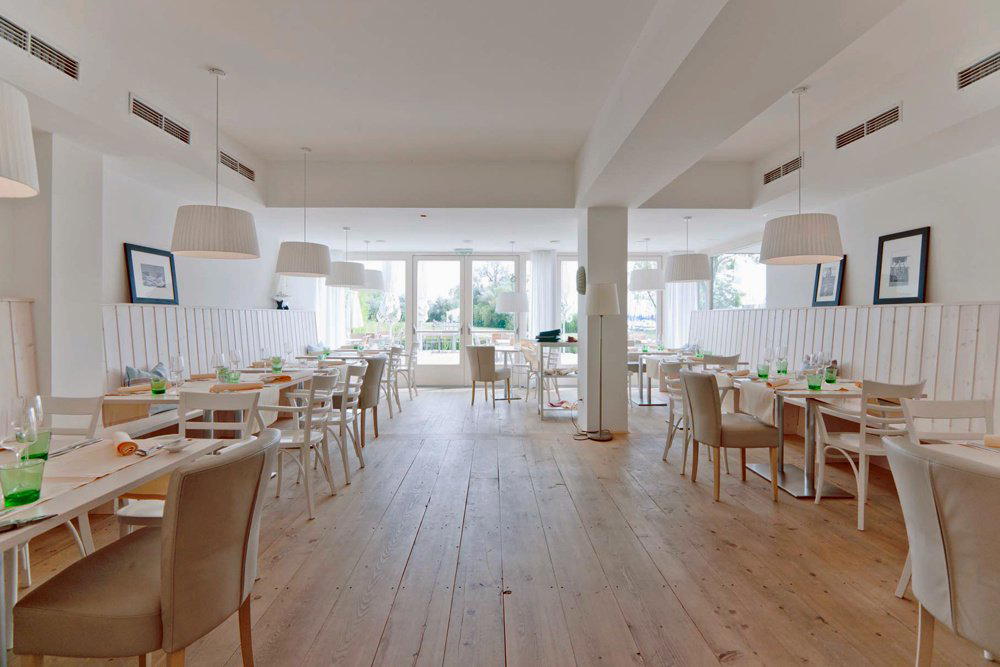
At a Glance
- Quiet
- Cozy
- Intimate
- Solo Exploration
- Special Occasion
- Wine Education
- Private Tasting
- Estate Grounds
- Sustainable
- Vineyard
- Neusiedlersee DAC
- Zweigelt
- International Grape Varieties
- Still Red
- Still White
- Cellar Door Tasting
Quiet, small-scale winery atmosphere with a focus on carefully crafted wines and naturnah vineyard work; the setting appears more producer-focused than hospitality-driven.