
Falstaff Winery - Listed
A small Mosel winery and guesthouse in Nittel, Weingut Jürgen Dostert is framed by the southern Mosel’s vineyard culture rather than by trophy labels or luxury staging. The draw is the local wine-village format: still whites and reds, a quiet rural setting, and a compact appointment-led visit built around the estate’s Nittel context.

Pearl is the En Primeur Club membership app — saves, bookings, and concierge access live there. Same editors, same standards.

Approaching Nittel, the Mosel’s wine culture reads less like spectacle and more like repetition: vineyard rows, village lanes, guesthouses, cellar doors, and the practical rhythm of a wine village. Weingut Jürgen Dostert belongs to that register. It is a family-run winery with a guesthouse in Nittel, shaped by a quiet, rustic village setting and by proximity to the vineyards rather than by a glossy destination-winery script.
The useful way to read Weingut Jürgen Dostert is as a compact Mosel address where lodging character and winery identity sit together. The picture is deliberately simple: Nittel, a quiet wine-village atmosphere, a scenic setting close to the vines, and a cozy, classic, rustic tone. That is enough to frame the venue without inventing a tasting format, menu, service schedule, or awards history that is not confirmed here.
Nittel's southern Mosel setting gives the estate its frame
Nittel gives the venue its most important context. The village setting matters because Weingut Jürgen Dostert is not presented as a stand-alone luxury complex; it is described as a family-run winery with a guesthouse, close to the vineyards, in a quiet Mosel wine village. The appeal is therefore tied to place: the sense of staying or visiting within a wine-growing environment rather than encountering the Mosel from a distance.
The venue can be understood through atmosphere and setting: scenic, quiet, rustic, classic, and cozy. Specific claims about grape varieties, cellar practices, tasting duration, food pairings, vineyard names, or winemaking style are not part of the confirmed record provided here, so they should not be treated as facts. What is confirmed is the village-winery-and-guesthouse character in Nittel.
That restraint is useful for travelers. It keeps expectations grounded. Weingut Jürgen Dostert is best approached as a Mosel winery guesthouse with a calm rural feel, not as a venue whose appeal depends on a published ranking, a named chef, a detailed tasting menu, or a documented hospitality program. The strongest hook is the combination of family-run winery, guesthouse, and vineyard proximity.
A small winery-guesthouse format, not a polished tasting complex
The hospitality signal is rural and modest in tone: a family-run winery with guesthouse character, set in a quiet Mosel wine village and close to the vineyards. Its descriptive cues are classic, rustic, scenic, and cozy. Those words matter because they set a different expectation from urban dining rooms, formal hotels, or highly produced cellar-door experiences.
There is no reason to overstate the formality. The listed price level is $$, and the overall mood reads relaxed rather than dressy. For a visitor, that suggests an address to place into a Nittel wine-country stay or village-focused itinerary, not a black-tie plan. It also means the editorial emphasis should remain on atmosphere and setting instead of unsupported details about service style, seat counts, reservation rules, or specific amenities.
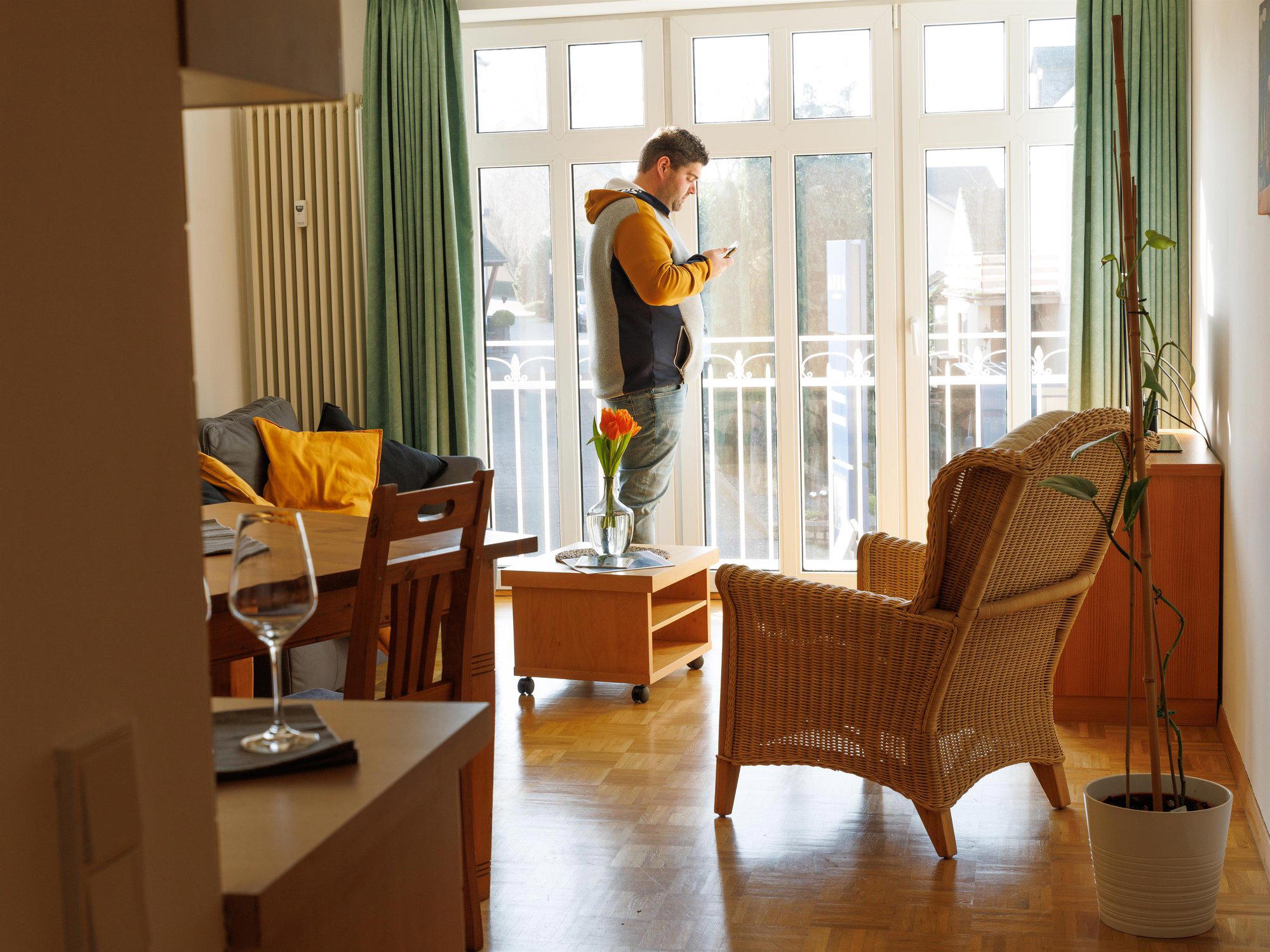
The guesthouse component is part of the confirmed identity, and it is central to how the venue should be described. A winery with a guesthouse can anchor a slower visit to a wine village: the experience is not only about a bottle or a single stop, but about being close to the landscape that defines the place. In Weingut Jürgen Dostert’s case, the language points to precisely that quiet, close-to-the-vineyards context.
How to place it within a Nittel wine itinerary
Nittel rewards a village-scale approach. Rather than building expectations around awards, chef details, tasting lengths, or named specialties, travelers should think in terms of setting: a Mosel wine village, vineyard proximity, and a family-run winery guesthouse with a cozy rustic mood. Other dining, lodging, and wine options in Nittel can be considered generically around that same local rhythm.
For EP Club readers comparing possibilities in the area, Weingut Jürgen Dostert should be positioned as a quiet Nittel base or stop with winery and guesthouse character. Those details should be checked directly before planning if they matter to the visit.
The editorial verdict is simple: Weingut Jürgen Dostert is strongest for travelers who value place over performance. Its grounded strengths are the Nittel location, the family-run winery-and-guesthouse identity, the quiet Mosel village atmosphere, and the scenic proximity to vineyards. Those seeking a highly documented hospitality complex may need more confirmed operational detail; those looking for a cozy, rustic wine-village setting have a clear and honest reason to keep it on the list.
Recognition history
Dated appearances from independent guides and award organizations, with the underlying list record or original source where available.
Falstaff Winery - Listed
Falstaff
Continue exploring
More in Nittel
Wineries in Nittel
All wineries in Nittel →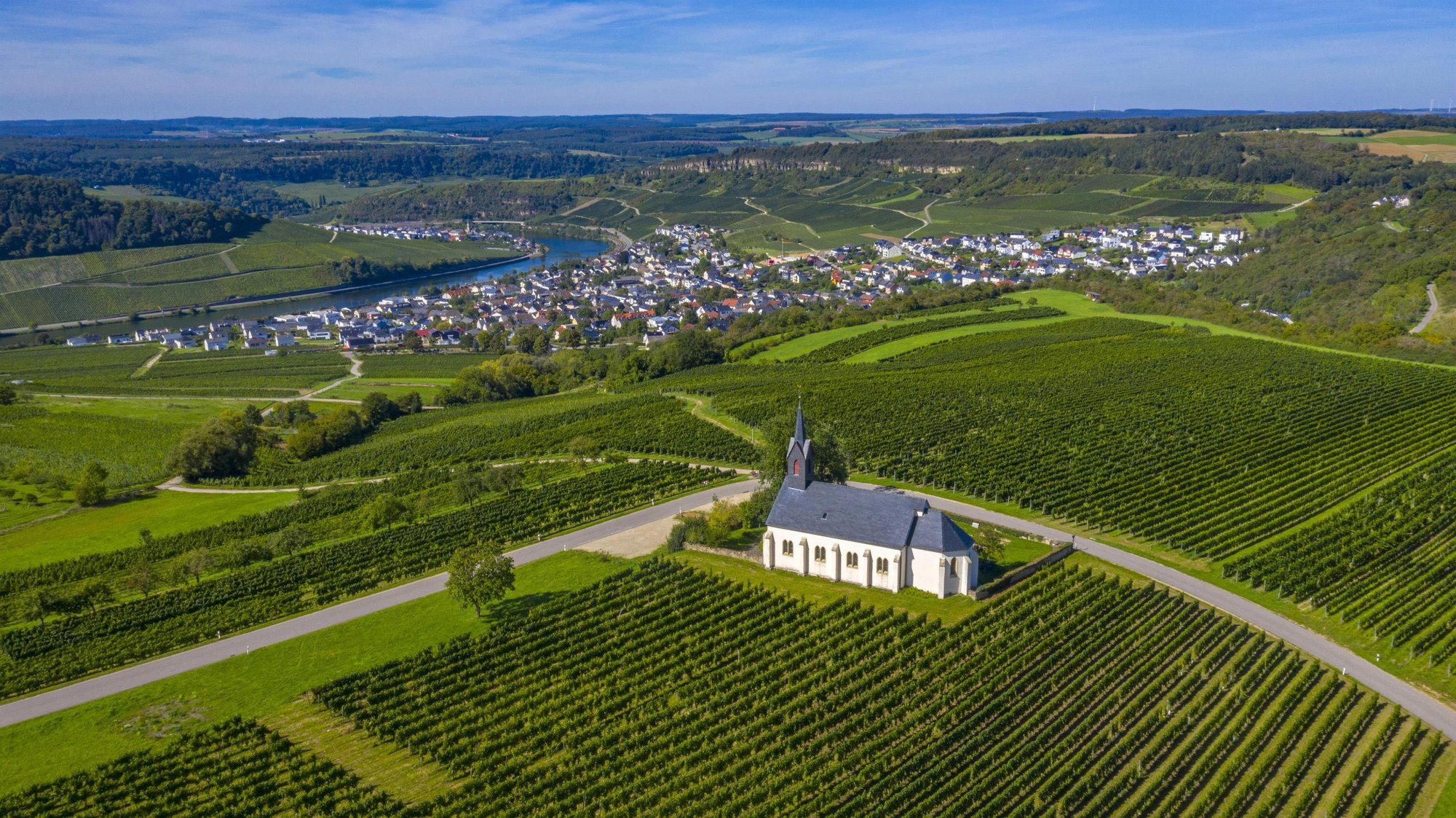
Restaurants in Nittel
All restaurants in Nittel →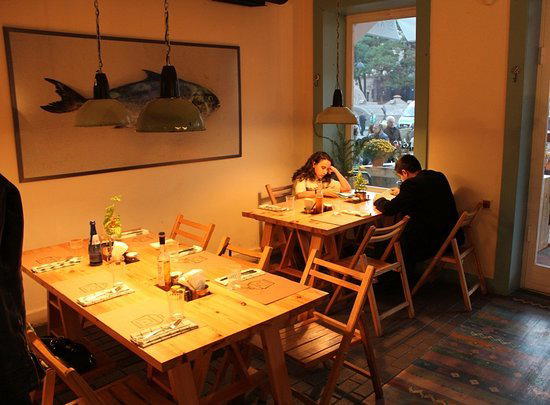
Details
- Quiet
- Rustic
- Classic
- Scenic
- Cozy
- Solo Exploration
- Special Occasion
- Estate Grounds
- Historic Building
- Vineyard
- Riesling
- Elbling
- Rivaner
- Müller Thurgau
- Kerner
- Weißburgunder
- Blauer Spätburgunder
- Dornfelder
- Auxerrois
- Still White
- Still Red
- Walk Around Tasting
Family-run winery with a guesthouse, set in a quiet Mosel wine village and close to the vineyards.