Weingut Hof Pfalz

Falstaff Winery - Listed
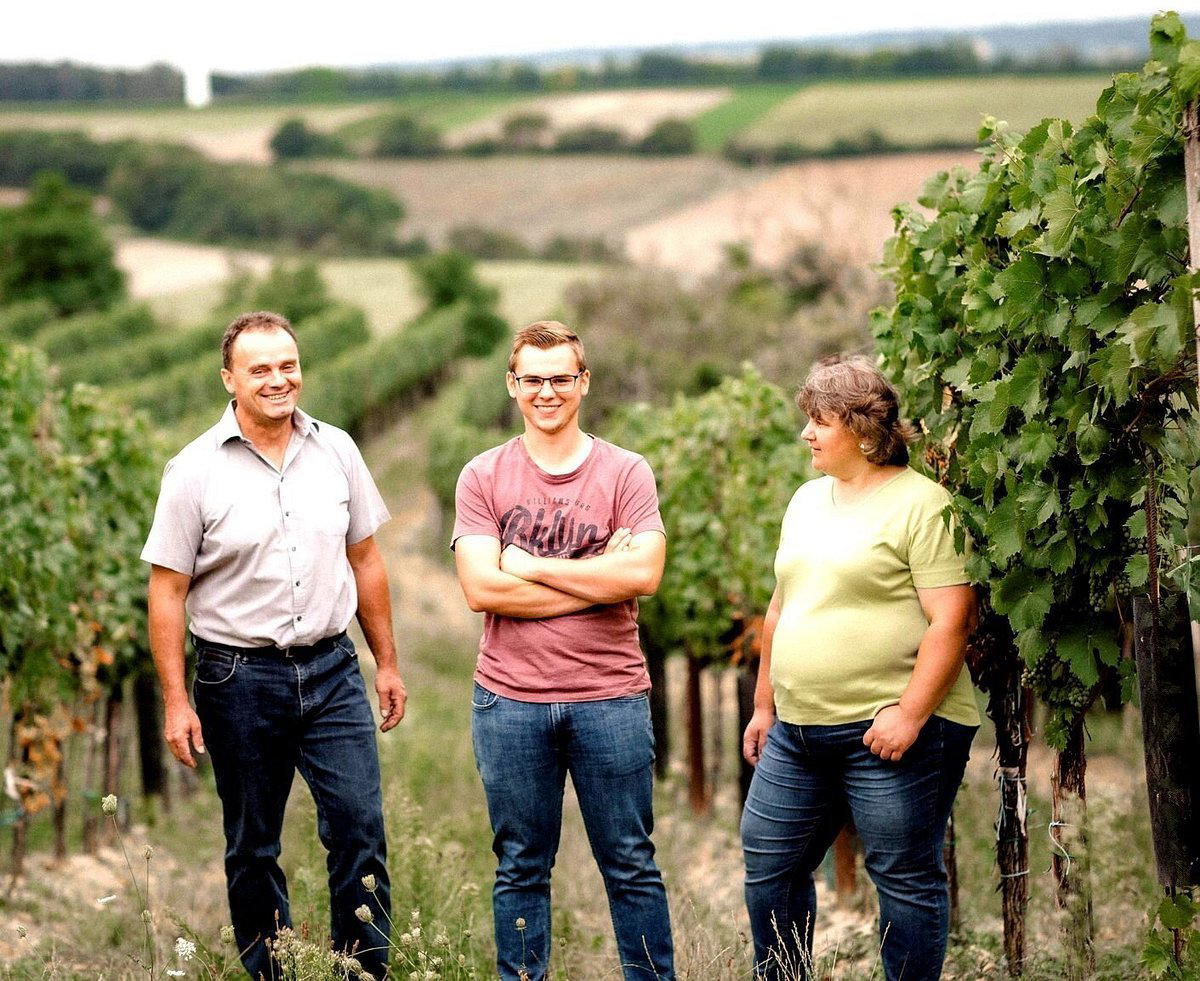
Weingut Hof Pfalz is a small Hohenruppersdorf winery tied closely to Weinviertel farming culture, with 11 hectares under vine and a cellar-door format built around tastings and farm-gate bottle sales. The draw is regional clarity: Weinviertel DAC, Grüner Veltliner, Zweigelt, Riesling, Chardonnay and Sauvignon Blanc presented in a quiet rural setting rather than a staged luxury format.

Pearl is the En Primeur Club membership app, where members save venues, book tables and use the concierge.

Approaching wine in Hohenruppersdorf means reading the village through agriculture first. Vineyards are not just a backdrop here; they are part of the working fabric and local identity. Weingut Hof Pfalz fits that context as a rooted, traditional winery with a direct cellar-door style. The picture is deliberately simple: a quiet place in Hohenruppersdorf for tastings and ex-farm sales, shaped more by local wine culture than by a polished hospitality concept.
That simplicity is the point. Rather than presenting Weingut Hof Pfalz through claims about grape varieties, vineyard size, awards, menus, or formal rankings, the safest way to understand it is as a classic winery stop. It is a place where the appeal rests on direct contact with the source, a rustic atmosphere, and the slower rhythm of a village whose history is closely tied to viticulture.
Farm-gate hospitality and the discipline of staying local
Hohenruppersdorf’s appeal is grounded in everyday wine culture: local producers, rural routines, and the practical exchange of tasting and buying close to where wine is made. Weingut Hof Pfalz belongs to that category. Its strongest identity is not a trophy list or a luxury format, but a traditional cellar-door approach that keeps the visit close to the farm-gate model.
For readers planning a visit, that matters because it sets expectations correctly. This is not a page that can responsibly promise a specific wine list, a named culinary program, a particular tour structure, or a documented set of opening-hour details. The confirmed information supports a more restrained description: Weingut Hof Pfalz is a Hohenruppersdorf winery with tastings and ex-farm sales, in a rustic, quiet, classic setting.
The atmosphere is best described as hidden-gem rather than showpiece. That does not mean secretive or exclusive; it means the value is likely to be found in the directness of the encounter. The setting is traditional, the mood is calm, and the experience is framed by Hohenruppersdorf’s long viticultural history rather than by restaurant-style choreography or destination branding.
A quiet cellar-door format for visitors who want local context
Weingut Hof Pfalz is most useful for visitors who want a grounded winery stop in Hohenruppersdorf. The format points toward tastings and ex-farm sales, so the visit should be approached as a cellar-door experience rather than as a full-service dining reservation. That distinction helps avoid overplanning around features that are not confirmed here, such as specific dishes, pairing menus, seating arrangements, or a broader drinks program.
The price level is listed as $, which places the venue at the accessible end of the guide’s pricing scale. If price-sensitive planning matters, visitors should confirm directly before going.
Within Hohenruppersdorf, Weingut Hof Pfalz can be considered alongside other local dining or wine options in a general itinerary, but the confirmed editorial focus remains narrow: a rooted winery atmosphere, cellar-door tastings, and ex-farm sales. For travellers who prefer direct rural wine culture to a highly produced hospitality setting, that narrowness is a strength rather than a drawback.
Where it fits in a wider wine-travel itinerary
The useful way to think about Weingut Hof Pfalz is as a local calibration point. It represents a traditional Hohenruppersdorf winery atmosphere: rustic, quiet, classic, and connected to the village’s wine-growing history. It is not necessary to embellish that with claims about awards, production scale, grape varieties, founders, or rankings. The confirmed appeal is already clear enough for the right visitor.
That visitor is someone who wants a direct stop built around tasting and buying at the source. The experience should be approached with modest, realistic expectations: a cellar-door style, a traditional mood, and a sense of place.
For a Hohenruppersdorf itinerary, Weingut Hof Pfalz works well as a quiet, local anchor. It is a place to understand wine through the village rather than through spectacle. The strongest claim that can be made is also the most useful one: this is a traditional winery in Hohenruppersdorf, focused on tastings and ex-farm sales, with an accessible price marker and a rooted rural atmosphere.
Recognition history
Dated appearances from independent guides and award organizations, with the underlying list record or original source where available.
Falstaff Winery - Listed
Falstaff
Continue exploring
More in Hohenruppersdorf
Details
- Rustic
- Quiet
- Classic
- Wine Education
- Group Outing
- Solo Exploration
- Vineyard Tour
- Historic Building
- Private Tasting
- Sustainable
- Vineyard
- Grüner Veltliner
- Zweigelt
- Rheinriesling
- Chardonnay
- Sauvignon Blanc
- Still White
- Still Red
- Tasting Room
- Cellar Tasting
- Farm Gate Tasting
A rooted, traditional winery atmosphere tied to Hohenruppersdorf’s long viticultural history, with a direct cellar-door style focused on tastings and ex-farm sales.