Weingut Bernhardt

Falstaff Winery - Listed
Weingut Bernhardt is a small Pfalz winery in Ellerstadt shaped by sandy-gravel soils, a mild local climate, and a working-farm register rather than trophy-room theatrics. The interest is terroir-led: Cabernet Sauvignon, Merlot, and Chardonnay sit within a mixed still and sparkling program, with Christian Bernhardt attached to a third-generation family production story.

Pearl is the En Primeur Club membership app, where members save venues, book tables and use the concierge.

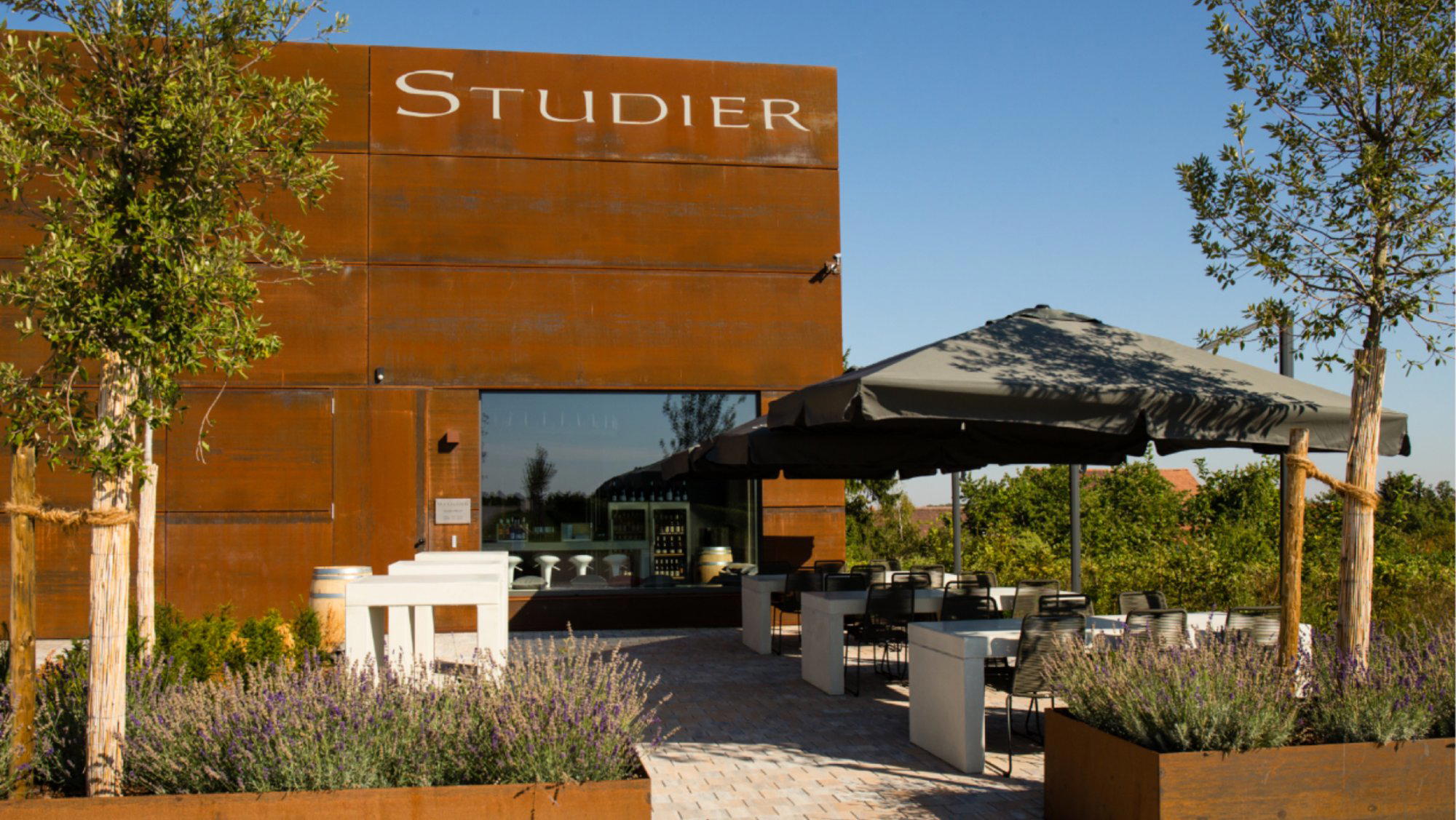
Ellerstadt is not a place that needs a grand hospitality script to make sense as a wine stop. The useful frame is quieter: Pfalz countryside, vineyard work, modest yards, and a local setting where the land is part of the appeal. Weingut Bernhardt fits that register. The picture is deliberately simple: a rustic Pfalz winery in Ellerstadt, with a mild-climate, sand-and-gravel terroir focus and a working-farm feel.
That makes the venue best understood through atmosphere and place rather than through an expanded list of services, awards, named wines, or visitor amenities. What can be said with confidence is narrower but still useful: Weingut Bernhardt presents as a quiet, rustic, hidden-gem winery setting in Ellerstadt, rooted in the Pfalz landscape and in the relationship between mild climate and sand-and-gravel soils.
Sand, gravel, and a warmer Pfalz reading
The strongest editorial reason to pay attention to Weingut Bernhardt is its place context. Pfalz wine country is often associated with a comparatively mild climate, and here the emphasis falls on sand and gravel rather than on a more dramatic architectural or luxury-cellar narrative. For visitors, that changes the way the venue should be read. This is not a page to build around rankings or a trophy list; it is a place profile grounded in terroir language, rural texture, and a restrained winery atmosphere.
Sand-and-gravel terroir is a meaningful cue because it points to drainage, warmth, and the practical realities of farming. The description does not identify particular grape varieties or cuvées, so it would be misleading to attach a detailed tasting note or menu-style wine list. Instead, the more reliable takeaway is that Weingut Bernhardt’s identity is tied to the soil and climate conditions around Ellerstadt. The interest lies in how a Pfalz winery can communicate place without needing a large public narrative around awards, cuisine, design, or destination hospitality.
For readers comparing options in town, it is safest to keep the comparison general. Ellerstadt has other dining and wine-related possibilities, but no specific neighboring venues are for this profile. Weingut Bernhardt should therefore be positioned on its own terms: a quiet winery address for people who value a rustic setting, a working-farm impression, and a terroir-first reason to visit.
A compact cellar experience rather than a destination complex
The tone of Weingut Bernhardt is modest and rural. “Rustic,” “quiet,” and “” are the most useful descriptors. Those words matter because they help set expectations. Visitors should not infer a luxury resort-style cellar, a restaurant program, or a highly staged visitor experience from the available information. The profile points instead toward a lower-key Pfalz winery setting where the agricultural backdrop is central.
That restraint is also important for accuracy. Removing those unsupported details does not make the venue less interesting; it makes the recommendation more honest. Weingut Bernhardt’s appeal, as verified, is not a long amenities checklist. It is the combination of Ellerstadt, Pfalz terroir, sand-and-gravel soils, a mild climate, and a quiet working-farm feel.
Pricing is listed as $$, which places the venue in a moderate bracket without implying a specific bottle price, tasting fee, or meal cost. Because no detailed price schedule, the safest wording is broad: expect a $$ profile rather than a confirmed menu, package, or tiered tasting price. That keeps the practical guidance useful while avoiding invented specifics.
How to place it in an Ellerstadt itinerary
Weingut Bernhardt makes the most sense as part of a relaxed Ellerstadt plan built around wine country rather than a tightly choreographed luxury itinerary. The setting is suited to travelers who respond to rural Pfalz atmosphere: quiet surroundings, a rustic winery character, and an emphasis on the land beneath the vines.
That does not weaken the case for including it. It simply clarifies the reason to go. The draw is a grounded sense of place: Ellerstadt, mild-climate Pfalz conditions, sand-and-gravel terroir, and a working-farm impression. In a region where wine travel can easily become a checklist of famous names and polished tasting rooms, Weingut Bernhardt reads as a quieter counterpoint.
The editorial case is therefore narrow and clear. Weingut Bernhardt belongs in an Ellerstadt wine day when the priority is a rustic, quiet, terroir-focused Pfalz winery rather than a heavily packaged hospitality experience. Readers should treat the available information as a concise profile, not as a complete service guide. On facts alone, the venue is best described as a $$ hidden-gem winery setting in Ellerstadt, shaped by mild climate, sand-and-gravel soils, and a working-farm feel.
Recognition history
Dated appearances from independent guides and award organizations, with the underlying list record or original source where available.
Falstaff Winery - Listed
Falstaff
Continue exploring
More in Ellerstadt
Details
- Rustic
- Quiet
- Group Outing
- Wine Education
- Solo Exploration
- Estate Grounds
- Design Destination
- Vineyard
- Cabernet Sauvignon
- Merlot
- Chardonnay
- Still White
- Still Red
- Still Rosé
- Sparkling
- Walk In Tasting
Rustic Pfalz winery setting with a mild-climate, sand-and-gravel terroir focus and a working-farm feel.