ViniferaVenture SA

ViniferaVenture SA belongs to the newer, sustainability-led side of Valais wine: a Sion project launched in 2011 with Cabernet Blanc at its center. Its interest lies less in grand domaine mythology than in steep-slope farming, bio-certified viticulture, and a compact white-wine identity shaped by Alpine vineyard pressure.

Pearl is the En Primeur Club membership app — saves, bookings, and concierge access live there. Same editors, same standards.

Approaching wine in Sion means reading the slopes before the label. Valais viticulture is not flatland industry with mountain scenery; it is a negotiation with incline, exposure, labor, and the cultural value of keeping vines on ground easier to abandon than cultivate. ViniferaVenture SA fits that conversation through a sustainable, eco-focused winery identity centered on bio-certified Cabernet Blanc wines and steep-slope viticulture in Valais.
The profile is focused rather than broad. What can be stated with confidence is that ViniferaVenture SA is associated with Cabernet Blanc, bio-certified wine, and a quiet, hidden-gem feel: cozy, rustic, and more rooted in vineyard identity than in spectacle. That makes the venue useful for readers who want a clear Sion wine stop without relying on unsupported claims about founders, individual bottles, awards, tasting formats, or hospitality extras.
Cabernet Blanc as a Valais steep-slope argument
Cabernet Blanc gives ViniferaVenture SA its clearest editorial identity. In this context, the grape is best understood through the venue’s focus on sustainable viticulture and Valais steep slopes. Rather than presenting the winery as a broad regional showcase, the safer and more accurate frame is narrower: a Sion producer identity organized around bio-certified Cabernet Blanc wines and the ecological demands of cultivating difficult terrain.
That focus matters because steep vineyards are not just scenic. They imply practical questions about maintenance, labor, farming choices, and long-term continuity. The winery’s positioning makes sense within that discussion: sustainable wine production, Cabernet Blanc, and the preservation of steep-slope viticulture are the grounded points. Specific planting dates, bottle names, alcohol levels, scores, awards, and prices beyond the general $$ level should not be treated as confirmed here.
The appeal, then, is not a claim of rarity or prestige. It is the clarity of the concept. Swiss wine can feel fragmented to visitors because regions, grapes, producer scales, and public-facing formats vary quickly. The winery offers a simpler entry point: Cabernet Blanc in Sion, presented through an eco-focused Valais lens. For travelers, that is enough to distinguish it from more generic wine stops without overstating what is publicly verified.
For broader context, it is best to compare the winery with other dining or wine experiences in Sion only in general terms. The important distinction is that this venue’s identity is not built around restaurant service, a chef, a tasting menu, a broad cellar program, or a confirmed accolade. It is built around sustainable Cabernet Blanc wine and steep-slope viticulture.
A small, quiet winery identity rather than cellar-door theatre
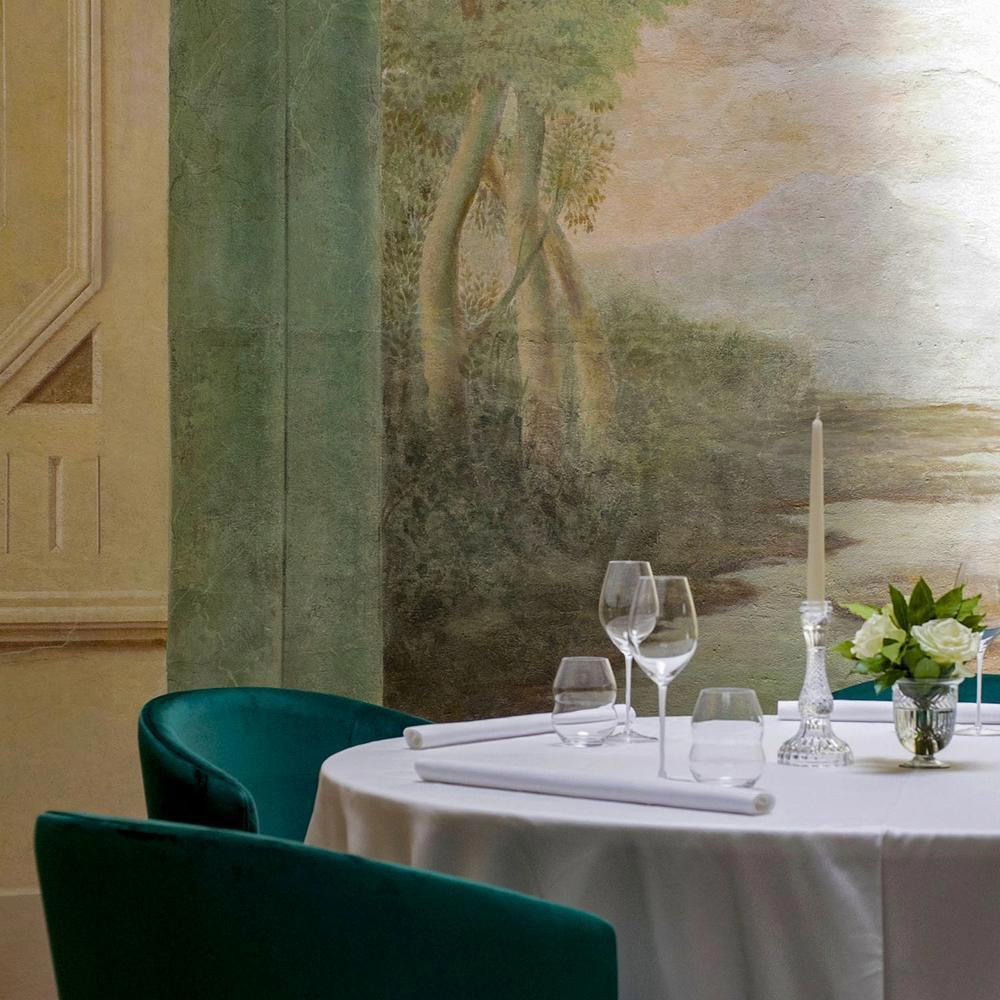
The atmosphere is quiet, cozy, rustic, and hidden-gem-like. That suggests a venue whose appeal is more contemplative than theatrical. It should not be described with unsupported specifics such as a seat count, formal tasting-room structure, walk-in policy, food pairing program, or named host. The accurate description is simpler: the winery has a modest, eco-focused winery identity in Sion, with Cabernet Blanc and Valais slope preservation at the center.
That makes the winery better suited to readers interested in a specific Valais farming idea than to those looking for a documented hospitality format. For the winery, the grounded story is the relationship between sustainable production, bio-certified Cabernet Blanc wines, and the difficult vineyard range of Valais.
The $$ price level also supports a practical, accessible reading without implying exact bottle pricing or tasting fees. It tells readers that winery sits in a moderate cost bracket, but it does not verify particular products, menus, or service charges. Any visit planning should therefore be based on the venue’s current official information rather than assumed opening hours, tasting availability, or drop-in access.
Where it sits in the wider Swiss wine conversation
The winery is most persuasive as part of a wider conversation about how Swiss wine can communicate place through farming choices. Switzerland’s wine culture often depends on local specificity, small-scale identities, and grapes that may need explanation outside their immediate region. In Sion, this venue’s profile adds a focused example: Cabernet Blanc connected to sustainable viticulture and steep-slope Valais vineyards.
That gives the project clear editorial use. It helps explain why a Swiss winery does not need to be framed around a long list of awards, famous names, or expansive hospitality claims to be interesting. The substance here lies in what: an eco-focused winery identity, bio-certified Cabernet Blanc wines, and the preservation of steep-slope viticulture. Those facts are specific enough to support a meaningful recommendation without inventing extra detail.
Readers mapping wine in Sion should treat the winery as a focused stop rather than a catch-all destination. It is not being recommended here for a confirmed food program, formal tasting sequence, large cellar-door operation, or broad portfolio. It is recommended for drinkers who care about sustainable wine identity in Valais and want a quieter, rustic, more hidden-feeling venue centered on Cabernet Blanc.
The editorial verdict is precise: the winery is a strong choice for drinkers interested in Sion through sustainable viticulture and Cabernet Blanc, not for those chasing confirmed awards, broad documented services, or polished hospitality theater. Its value is the argument it can support with facts: steep-slope Valais wine can be contemporary, eco-focused, and grounded in a clearly defined grape identity.
Recognition history
Dated appearances from independent guides and award organizations, with the underlying list record or original source where available.
Falstaff Winery - Listed
Falstaff
Continue exploring
More in Sion
Wineries in Sion
Browse all →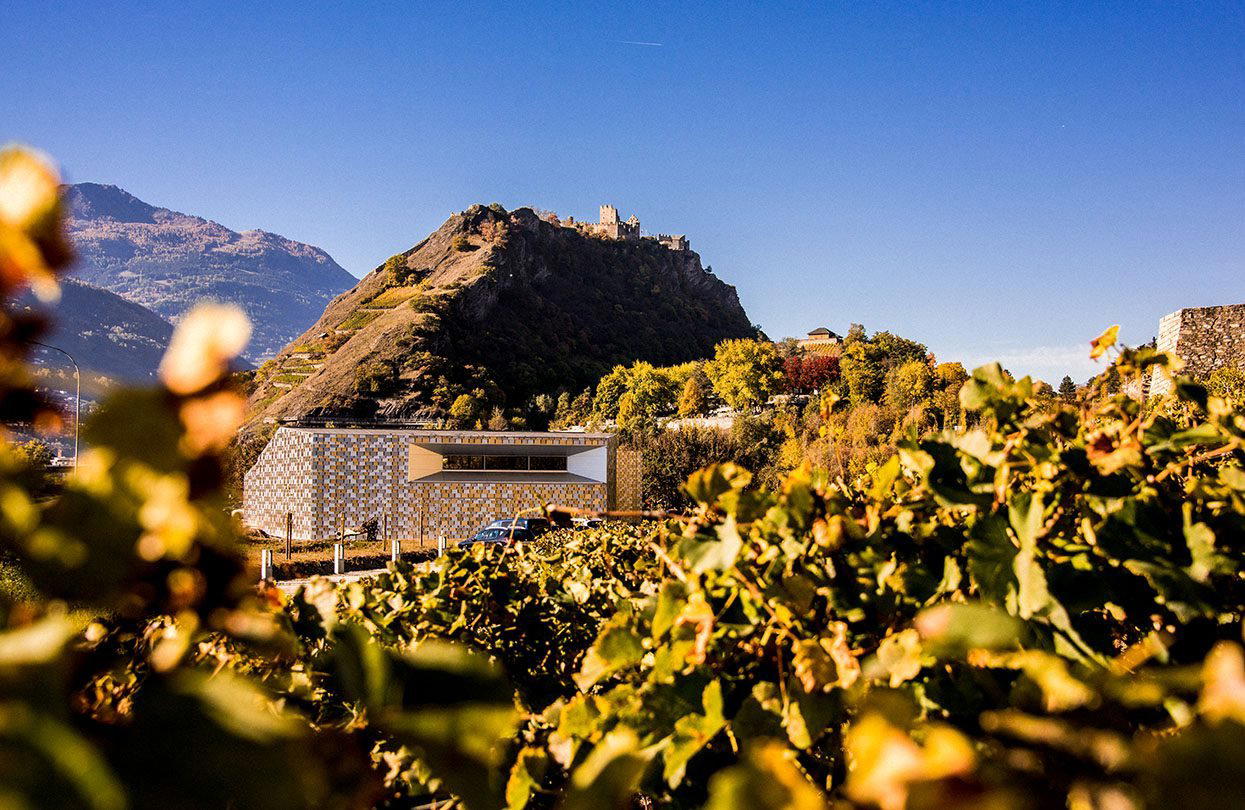
At a Glance
- Quiet
- Cozy
- Rustic
- Solo Exploration
- Wine Education
- Sustainable
- Organic
- Vineyard
- Mountain
- Valais
- Cabernet Blanc
- Still White
- Sparkling
Sustainable, eco-focused winery identity centered on bio-certified Cabernet Blanc wines and steep-slope viticulture in Valais.