
Falstaff Winery - 4 Stars
Santa Barbara gives the Marche winery visit a clear terroir frame: Verdicchio and Montepulciano from the Jesi hills, shaped by clay-limestone soils, Adriatic proximity, and a monastery setting in Barbara. The scale is substantial, with 45 hectares and 900,000 bottles a year, but the argument remains regional rather than generic: native grapes first, international varieties as breadth.

Pearl is the En Primeur Club membership app, where members save venues, book tables and use the concierge.
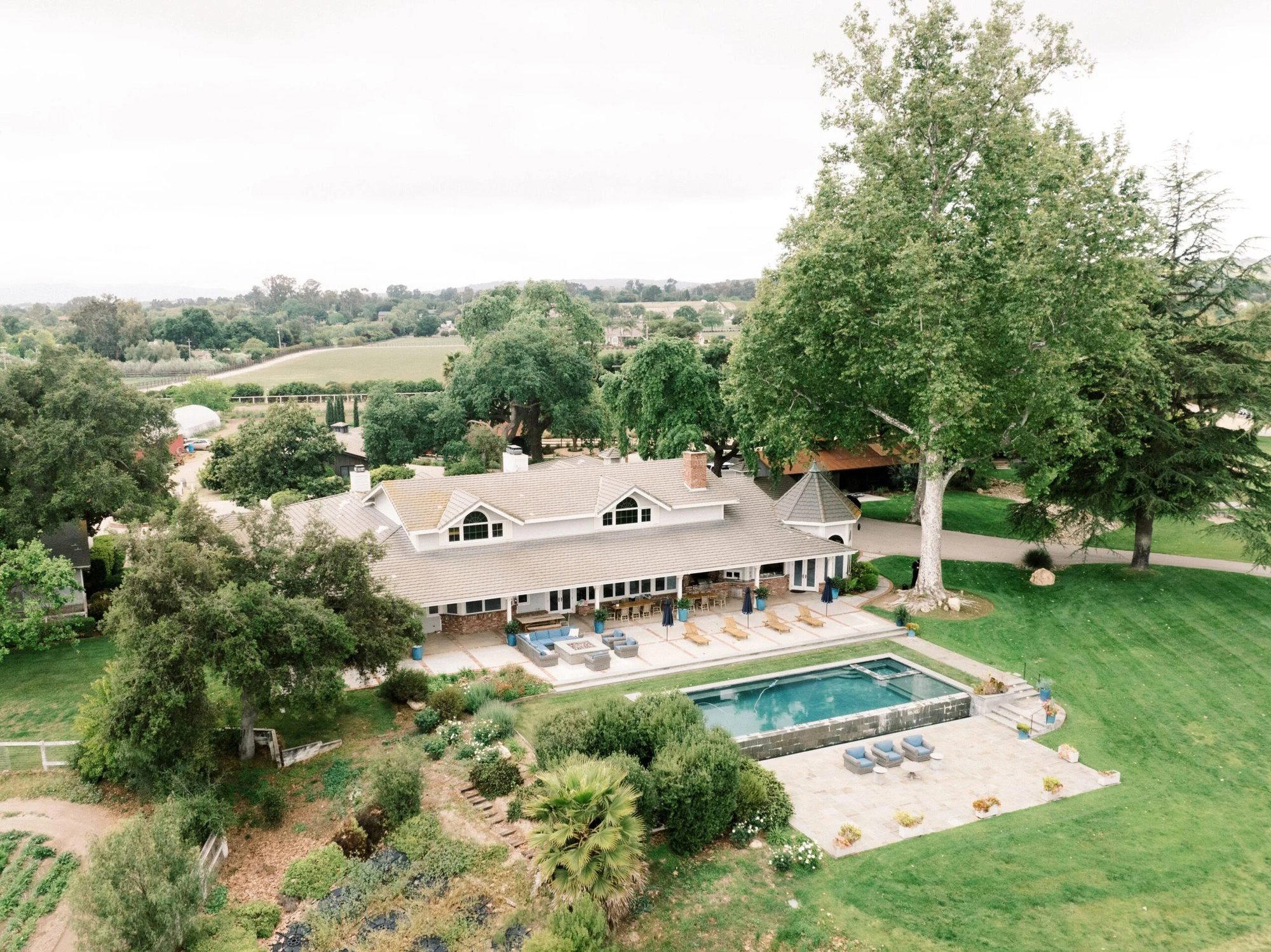
Santa Barbara in Barbara is best described through its setting and atmosphere rather than through menu, production, or service details. The clearest picture is of a historic, tradition-forward venue set inside an ancient monastery, with a strong terroir-driven identity and a polished winery-house feel. That combination gives the venue a particular kind of appeal: less about a list of specific features, and more about the impression created by place, age, and restraint. The tone is classic, rustic, quiet, and somewhat hidden-gem in character, suggesting a destination that is defined by mood as much as by category.
What can be said confidently is that Santa Barbara presents itself as a place where history, setting, and a sense of local identity matter more than spectacle. It is best approached as a venue whose strength lies in atmosphere and context, rather than in claims that cannot be confirmed from the available information. For travelers or readers trying to understand what distinguishes it, the emphasis should remain on the ancient monastery setting, the terroir-led identity, and the calm, polished, winery-house character that frames the experience.
A terroir-driven identity in Barbara
Rather than build the page around unconfirmed claims, the safer way to understand Santa Barbara is as a terroir-driven venue in Barbara with a historic monastery setting and a polished winery-house atmosphere. “Terroir-driven” is important here because it points toward a relationship with place: the venue is presented as rooted in its surroundings, shaped by local character, and more interested in an anchored sense of identity than in a generic hospitality template. Within the limits of the available details, that is the most meaningful way to read its positioning.
The price level is listed as $$, which places it in a moderate bracket. That helps set expectations without overstating what a visit includes. Beyond that, practical details should be confirmed directly before planning a visit. The available description does not support specific promises about menus, production methods, service rituals, awards, or formats, so the strongest editorial approach is to keep the focus on what is actually established: a moderate, setting-led venue in Barbara with a quiet, classic, rustic identity.
A monastery setting without the performance layer
The ancient monastery setting is the clearest feature. It gives Santa Barbara a historic and tradition-forward character, while the overall feel is described as classic, rustic, quiet, and hidden-gem. Those descriptors matter because they suggest a venue that does not need to rely on a loud presentation or a heavily staged narrative. Instead, the setting itself carry much of the weight. An ancient monastery naturally frames the experience with age, texture, and a sense of continuity, making the venue feel grounded before any additional details are even considered.
Venue’s identity is grounded in place and terroir rather than in a confirmed award record or a named service format. That distinction is useful for setting expectations. Santa Barbara should not be framed as something it has not been shown to be; it should be understood through the atmosphere that is actually described. The polished winery-house feel adds a layer of refinement, while the rustic and quiet qualities keep it from reading as overly formal or showy. The result is a profile that feels composed, traditional, and discreet.
Travelers considering Santa Barbara should treat it as a setting-led stop in Barbara. Its appeal is likely to be strongest for those who value historical surroundings and a sense of local character over a checklist of confirmed amenities. The hidden-gem description also points toward a more understated experience, one that may reward visitors who are comfortable with subtlety and who are drawn to places where atmosphere does much of the storytelling.
How to place it in a Barbara itinerary
For Barbara, Santa Barbara can be considered a quiet, historic option with a strong sense of place. It is not best positioned as a spectacle-driven stop, and the current information does not justify presenting it through detailed menu, production, or service claims. Instead, it fits most naturally into an itinerary as a classic, rustic, atmosphere-forward venue, especially for travelers who want a visit shaped by historic architecture, local identity, and a restrained winery-house mood.
Other dining, drinking, hotel, and experience options in Barbara can be compared generically by mood, budget, and logistics, but no additional named venue comparison is here. In that broader planning sense, Santa Barbara occupies the quieter and more traditional side of the spectrum. The $$ price level makes it a moderate option, while the ancient monastery setting gives it a stronger contextual identity than a purely functional stop.
The editorial case is strongest for travelers drawn to historic settings and terroir-driven identity. Santa Barbara is at its clearest when read as a classic, rustic, polished winery-house experience in Barbara, set inside an ancient monastery and priced at $$. Its value, as described, lies in the convergence of atmosphere, restraint, and place: a venue that feels rooted rather than flashy, traditional rather than trend-led, and quietly distinctive without needing to be oversold.
Recognition history
Dated appearances from independent guides and award organizations, with the underlying list record or original source where available.
Falstaff Winery - 4 Stars
Falstaff
Details
- Classic
- Rustic
- Quiet
- Wine Education
- Special Occasion
- Group Outing
- Historic Building
- Private Tasting
- Mountain
- Vineyard
- Verdicchio
- Montepulciano
- Merlot
- Cabernet Sauvignon
- Syrah
- Still Red
- Still White
- Guided Tasting
- Wine Tasting
Historic and tradition-forward, set inside an ancient monastery with a strong terroir-driven identity and a polished winery-house feel.