Richard Leroy

Falstaff Winery - Listed
Richard Leroy is a micro-scale Anjou Noir estate in Rablay-sur-Layon focused on dry Chenin Blanc from schist and volcanic rhyolite soils. The appeal is not château hospitality but terroir pressure: organic and biodynamic farming, hand harvesting, sulfur-free cellar work from 2011, and two tightly watched cuvées, Clos des Rouliers and Les Noëls de Montbenault.

Pearl is the En Primeur Club membership app, where members save venues, book tables and use the concierge.

Richard Leroy is a tiny working vigneron estate in Rablay-sur-Layon. The picture is not one of polished visitor facilities or grand hospitality infrastructure, but of a practical winegrowing address where the emphasis is on farming, élevage, and the cellar work behind the bottles. In other words, the appeal here is not built around ease, performance, or a packaged visitor circuit. It comes from the sense of a producer’s place operating first as a farm and cellar, with any outside interest secondary to the daily work that makes the wines possible.
A small Rablay-sur-Layon vigneron estate
The most reliable way to frame Richard Leroy is as a highly functional estate rather than a conventional destination built around visitor comfort. Its setting is described in working terms: a modest cellar environment, a garage-level barrel room, and an atmosphere focused on the labor of wine rather than spectacle. Those details are useful because they set the scale and mood clearly. This is not a site to approach with expectations of architectural grandeur or hospitality polish; it is better read as a compact, serious address where the physical environment reflects the practical needs of winegrowing and aging.
Details such as vineyard size, parcel names, farming certifications, founding date, production volume, tasting format, public hours, and particular wine styles should be confirmed directly before planning around them. That caution is important because a small estate can be especially easy to misread from afar. Without direct confirmation, assumptions about access, availability, or the shape of a visit can quickly become unreliable, particularly when the identity of the place is tied more to production than to public-facing tourism.
What is clear is the tone of the place. Richard Leroy is presented as vineyard-centric and almost monastic in its seriousness: a small estate where the experience is tied to meticulous farming and élevage, not to a polished tourism circuit. The word “serious” matters here less as a claim of status than as a description of focus. The profile suggests concentration, restraint, and a kind of quiet intensity, with the vineyard and cellar treated as the real center of gravity.
A cellar language built around work rather than display
The description points to a functional cellar and barrel-room setting. That matters because it shapes expectations: this is not framed as a luxury tasting salon or a broad public hospitality venue. It is better understood as a working producer’s environment. The language of the place is practical rather than decorative, and that practicality is part of its character. A cellar like this is not being presented as a stage set for visitors; it is described as the setting in which the essential work of élevage takes place.
For visitors and collectors, the safest expectation is restraint. Do not assume public tastings, food service, retail availability, formal tours, specific bottle offerings, or any set visitor schedule unless those details have been confirmed directly with the estate. This is not merely a logistical note; it is part of understanding the venue properly. If the estate is approached as a working vigneron address first, then the absence of standard visitor infrastructure is not a flaw in the description but a defining element of it.
That should be read alongside the rest of the profile rather than in isolation: the page does not frame the estate through luxury amenities, but through scarcity of emphasis, seriousness of purpose, and a cellar identity rooted in work.
Beyond that, claims about accolades, scores, production methods, named cuvées, or rankings have not been included here. The grounded profile is narrower but clearer: Richard Leroy is a small, serious Rablay-sur-Layon vigneron estate with a workmanlike cellar identity. Keeping the description narrow is also a way of keeping it useful. It avoids adding unsupported decoration and leaves the estate defined by the elements that are actually present in the source picture: size, function, place, and tone.
The visit is closer to grower access than wine tourism
The practical character of Richard Leroy is central to how it should be approached. The estate is described as tiny and intensely focused on vineyard and cellar work, with little emphasis on polished visitor facilities. That framing makes any potential encounter feel closer to grower access than to conventional wine tourism. The point is not that the place lacks interest for visitors, but that its interest lies in proximity to the work itself, not in a curated hospitality format.
That makes it most relevant for people who value the agricultural and élevage side of wine. It is less naturally suited to anyone expecting a casual tourism stop, a restaurant-style experience, or a broad hospitality program, unless those services are confirmed directly in advance. Visitors who are drawn to the working reality of wine production are more likely to understand the appeal of such a setting; those seeking comfort, breadth, or guaranteed structure should be especially careful to verify details before making plans around it.
For broader local planning, consider Richard Leroy within the context of other dining and travel options in Rablay-sur-Layon, while keeping the estate itself in focus as a working vigneron address rather than a general leisure venue. That distinction helps preserve the right expectations. The estate belongs in an itinerary only if its practical, cellar-centered identity is understood from the start, and if any visit-related assumptions have been checked directly rather than inferred from the broader appeal of the area.
Recognition history
Dated appearances from independent guides and award organizations, with the underlying list record or original source where available.
Falstaff Winery - Listed
Falstaff
Continue exploring
More in Rablay-sur-Layon
Wineries in Rablay-sur-Layon
All wineries in Rablay-sur-Layon →Bars in Rablay-sur-Layon
All bars in Rablay-sur-Layon →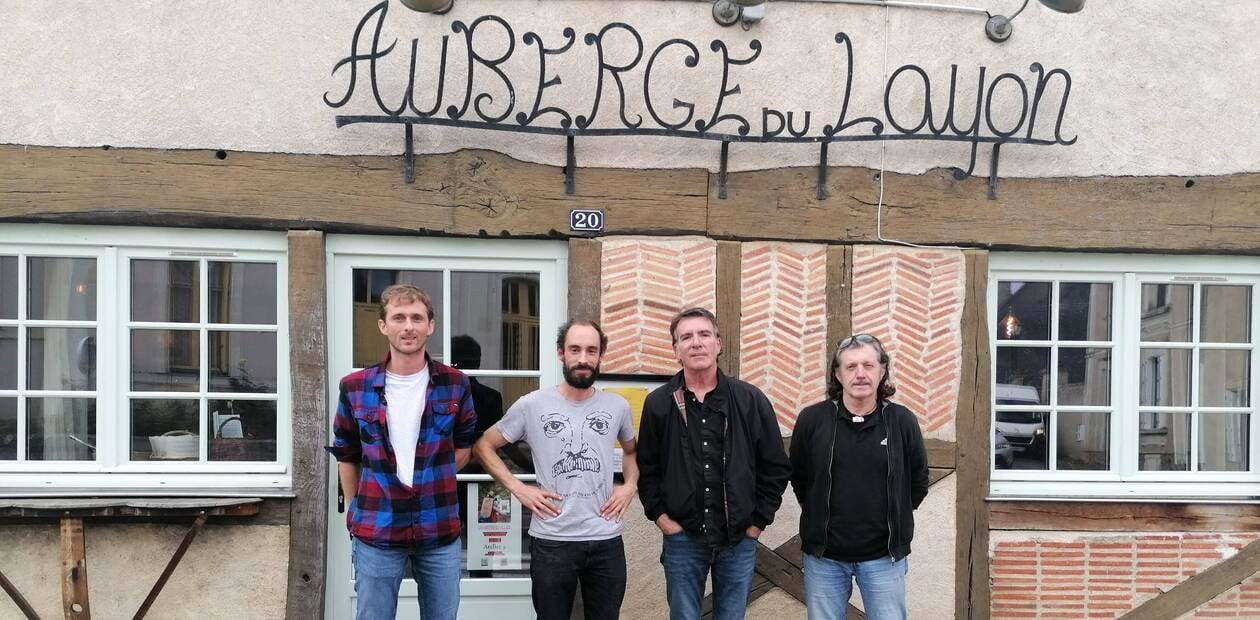
Details
- Well Known
- Rustic
- Intimate
- Scenic
- Sophisticated
- Solo Exploration
- Wine Education
- Special Occasion
- Romantic Getaway
- Vineyard Tour
- Estate Grounds
- Barrel Room
- Private Tasting
- Organic
- Biodynamic
- Sustainable
- Vineyard
- Street Scene
- Chenin Blanc
- Still White
- Dessert
- Appointment Tasting
- Barrel Tasting
- Vineyard Visit
- French
Tiny, working vigneron estate with a functional cellar and garage-level barrel room, focused entirely on meticulous farming and élevage rather than polished visitor facilities, giving visits an intense, vineyard-centric, almost monastic atmosphere.