
Poggio Stenti is a family-run organic estate in Montenero, shaped by Monte Amiata, clay-rich soils, and the Orcia River rather than by trophy chasing. The draw is the integrated Tuscan farm model: Sangiovese-led Montecucco wines, Vermentino, olive oil, and cured meats presented through guided tastings that connect cellar technique to the wider agricultural estate.

Pearl is the En Primeur Club membership app — saves, bookings, and concierge access live there. Same editors, same standards.

Approaching Poggio Stenti means reading Tuscany through agriculture before wine. Vineyards share the estate with olive trees and field crops, and the cellar language is similarly grounded: stainless steel for controlled fermentation, large French and Slavonian oak for aging, and a farm rhythm that treats Sangiovese as part of a broader rural system rather than a stand-alone luxury product.
Montenero sits in a part of southern Tuscany where the Montecucco identity has become increasingly useful for drinkers who want Sangiovese with hillside structure and less dependence on the prestige economy of better-known Tuscan appellations. Here, the argument is not built on medals or critic scores. It is built on land: a 30-hectare organic estate, more than 5 hectares of vineyard, clay-heavy soils, mountain influence from Monte Amiata, and the cooling, geographic presence of the Orcia River.
Monte Amiata, clay soils, and the Montecucco Sangiovese argument
The strongest reason to pay attention to this estate is terroir expression. Monte Amiata’s volcanic origin matters because it shapes the surrounding soils and protects the agricultural zone from harsher weather patterns. The vineyards sit above the Orcia River, in production territory tied to Montecucco Sangiovese DOCG and Maremma Toscana DOC, with a climate described through both mountain and coastal influence. That combination gives the wines their editorial interest: not just ripeness, but ripeness moderated by altitude, river corridor, and soil water retention.
Clay is a practical detail, not a romantic one. In dry Tuscan summers, clay-rich soils hold winter water and help vines avoid blunt heat stress. For Sangiovese, that can matter more than cellar rhetoric: phenolic maturity needs time, but the grape loses definition when warmth becomes the whole story. Poggio Stenti’s production choices follow that logic. Stainless steel is used for freshness and aromatic control, while large oak barrels avoid the sweet, heavy imprint that smaller new barrels can impose on Sangiovese.
The portfolio is regional rather than global in tone. Sangiovese appears across rosato, Montecucco Rosso, and Montecucco Sangiovese DOCG bottlings, while Vermentino gives the estate a white-wine counterpoint inside the Maremma Toscana frame. Cabernet Sauvignon is also part of the planted picture, but the estate’s center of gravity remains Sangiovese and the Tuscan farm table that surrounds it.
A farm tasting, not a showroom pour
The hospitality format belongs to the educational end of Tuscan wine tourism. Tastings here are guided, small-scale, and built around the estate’s combined production of wine, olive oil, and cured meats. That matters because many winery visits reduce place to a flight of labels; this model connects the glass to the farm economy behind it. The Pieri family has managed Podere Stenti since 1950, and that generational continuity gives the visit a different register from a design-led tasting room created mainly for tourism.
There are three experience formats, ranging from a short introduction with 3 tastings to longer food-and-wine formats with 4 or 5 tastings. The longer structure is the more persuasive way to understand the estate, because olive oil and food products are not accessories here. They explain the property’s identity as a mixed agricultural holding, where vineyards, olive grove, grains, and livestock all belong to the same rural logic.
The cellar itself reflects that double identity. It is rustic in setting but not technically casual: modern stainless steel sits alongside traditional barrels, making the production method legible without turning the visit into a laboratory tour. The atmosphere is intimate and conversational, with the scale of a family-run estate rather than a high-throughput hospitality machine. Casual dress fits the tone; the point is attention, not ceremony.
Where Poggio Stenti fits in a Montenero wine itinerary
Montenero rewards travelers who treat wine as part of a wider Tuscan day rather than as a sequence of trophy appointments. The winery is useful for that style of travel because it compresses several local themes into one stop: organic farming, Montecucco appellation identity, Sangiovese, Vermentino, olive oil, and estate food production. It is also a reminder that Tuscan wine culture is not only built by large cellars and famous names; small farms often explain the region with greater clarity.
For readers mapping a broader Montenero stay, the winery sits naturally beside the city’s other planning layers: Our full Montenero wineries guide, Our full Montenero restaurants guide, Our full Montenero hotels guide, Our full Montenero bars guide, and Our full Montenero experiences guide. Nearby wine planning can also include Amantis and Otto Ettari, while a wider Italy and Europe wine map might stretch to 3GP SRL in Treviso, 47 Anno Domini in Trebaseleghe, A Mano Wine in Noci, a6mani in Fragagnano, Abbadia Ardenga in Torrenieri, Abbazia di Crapolla in Neapel, »der Steiner« Hans Steiner in Podersdorf am See, and & Handwein in Mannheim.
The editorial case is clear: come for a compact reading of Montecucco rather than a spectacle. The estate’s credibility lies in organic farming, small production of roughly 25,000 bottles, family continuity since 1950, and a tasting structure that treats wine, oil, and Tuscan food as connected outputs of the same land.
Recognition history
Dated appearances from independent guides and award organizations, with the underlying list record or original source where available.
Falstaff Winery - Listed
Falstaff
Continue exploring
More in Montenero
Wineries in Montenero
Browse all →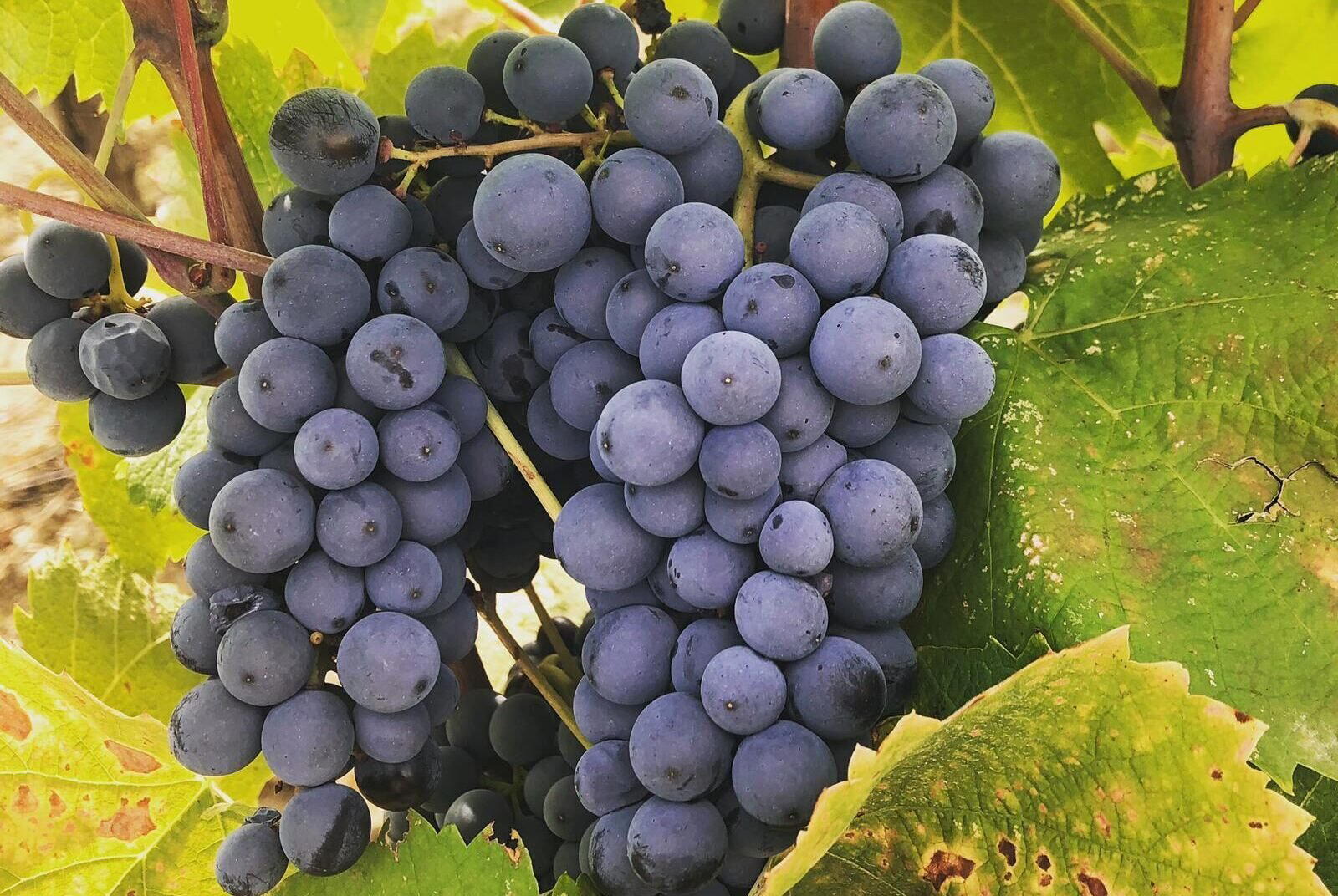
At a Glance
- Rustic
- Scenic
- Cozy
- Intimate
- Romantic Getaway
- Group Outing
- Wine Education
- Special Occasion
- Solo Exploration
- Vineyard Tour
- Estate Grounds
- Barrel Room
- Private Tasting
- Organic
- Sustainable
- Vineyard
- Mountain
- Montecucco Sangiovese Docg; Maremma Toscana DOC
- Sangiovese
- Vermentino
- Cabernet Sauvignon
- Still Red
- Still White
- Still Rosé
- Guided Tasting
- Tour & Tasting
- Food Pairing Tasting
Family-run organic estate on the slopes of Monte Amiata, with a rustic cellar that blends traditional barrels and modern stainless steel, offering intimate, educational tastings focused on the Montecucco terroir and Tuscan food specialties.