
Poggio Salvi is a family-run Tuscan winery in Sovicille with a lineage dating to 1872 and a tasting format built around Sangiovese-led regional wines. The estate’s appeal is not trophy collecting; it is a clear, grounded read on Chianti Colli Senesi tradition, with guided tastings, classic local varieties, and a countryside setting that keeps the land in view.

Pearl is the En Primeur Club membership app — saves, bookings, and concierge access live there. Same editors, same standards.

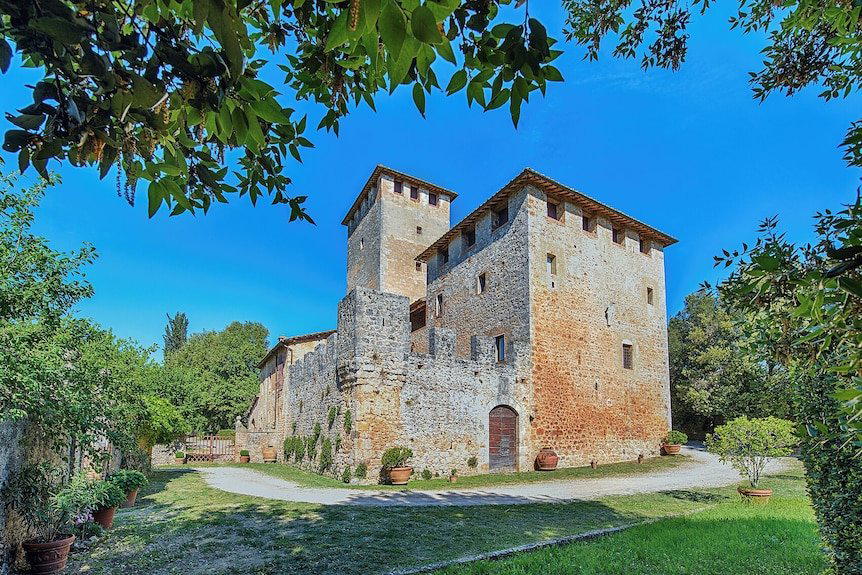
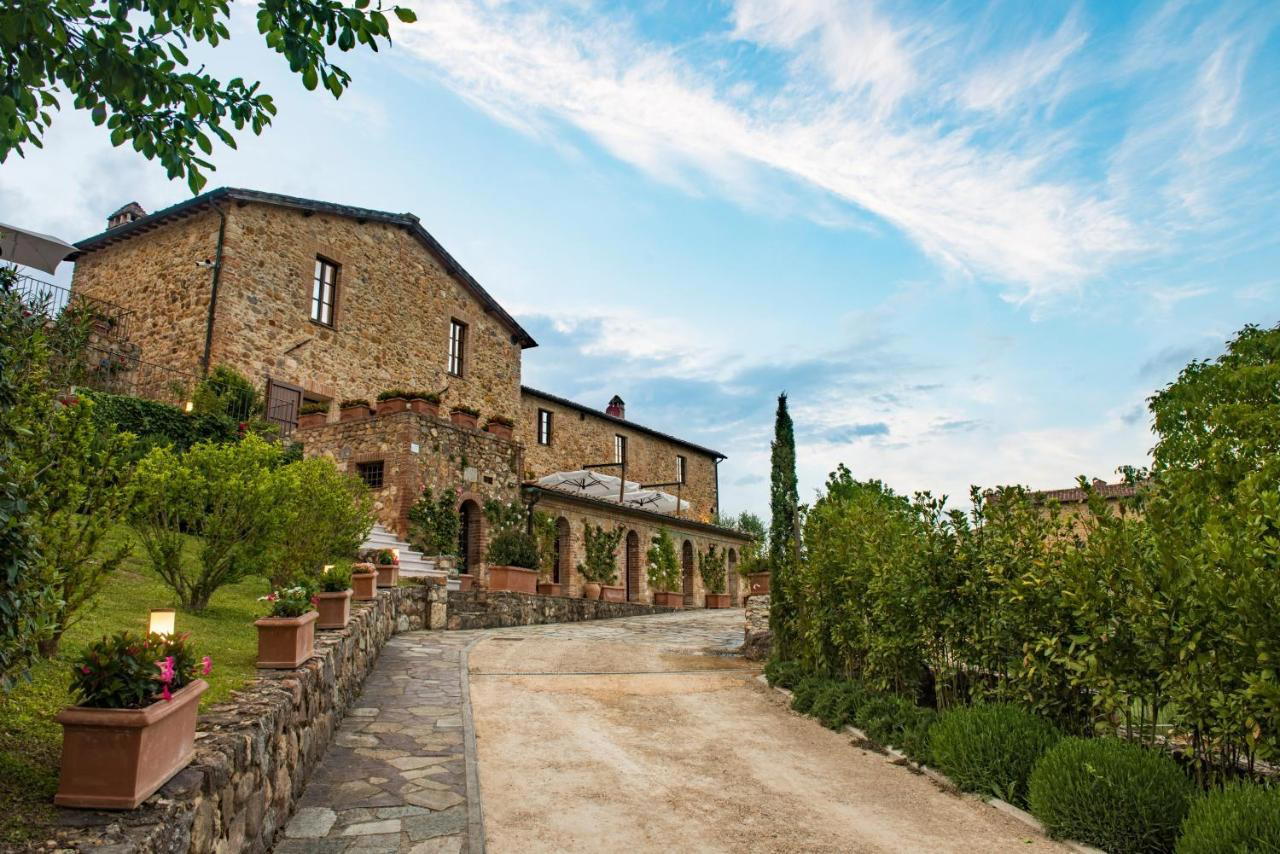
The approach to a Tuscan winery still matters. Before labels, cellar language, or tasting-room polish, the first argument is usually the land: hillside exposure, cypress-lined roads, vineyards broken by woods, and the slow shift from Siena’s stone density into open countryside. In Sovicille, that is the useful context for Poggio Salvi. The estate sits within the Chianti Colli Senesi DOCG orbit, where Sangiovese is less a fashionable choice than the grammar of the place.
Tuscany’s wine tourism often splits into two modes. One is the staged estate visit, built for photography and quick consumption. The other is the family-run cellar where the tasting is closer to a lesson in continuity: grape names, harvest decisions, local habits, and why a red wine from this side of Siena tastes different from a red wine made for export expectations. Poggio Salvi belongs to the second camp. Its family winemaking tradition dates to 1872, a more useful credential here than a wall of medals, because the experience is rooted in a long local pattern rather than a recent hospitality concept.
Sangiovese, altitude, and the Chianti Colli Senesi frame
The estate’s production makes sense only when read through Tuscan mixed farming and the dominance of Sangiovese. Poggio Salvi works with Sangiovese alongside Colorino, Canaiolo, Mammolo, Trebbiano, Malvasia, and Merlot, a list that places the wines inside a recognizably regional register. The red program is naturally the anchor, but the presence of Trebbiano and Malvasia keeps the tasting from becoming a narrow red-wine exercise. Sweet wine also matters in this context: Vin Santo belongs to the table culture of Tuscany as much as to the cellar.
The hillside position, given at 280 metres above sea level, is not a decorative fact. In inland Tuscany, elevation and exposure can shape ripening, freshness, and the difference between broad fruit and a more savoury profile. No serious reading of Chianti-area wine should treat terroir as a slogan; it is a set of pressures on the grape. Sangiovese, in particular, tends to reveal those pressures quickly. It can turn thin when pushed badly and compelling when acidity, tannin, and fruit are held in balance. That is why a guided tasting in this part of Tuscany is at its strongest when it explains site before style.
The winery’s stated production scale also fits the regional middle ground: a medium producer with wines vinified and bottled at the Sovicille estate, plus additional production in Montepulciano and Maremma. That detail matters because Tuscany is not a single flavour map. Montepulciano, Maremma, and the Sienese hills each carry different expectations, climates, and commercial identities. For visitors, the value is in seeing how a family estate positions its core Sangiovese-led identity while working across more than one Tuscan zone.
A tasting room built for explanation rather than spectacle
The hospitality format is intimate and educational, with standard tastings, vineyard tours with tasting, guided educational tastings, and tastings with light lunch among the formats associated with the estate. That combination says a great deal about the intended audience. This is not a destination built around status performance. It is better suited to travellers who want to understand why Colorino or Canaiolo appears beside Sangiovese, how Tuscan white grapes fit into a red-dominant region, and why a dessert wine can be more than an afterthought.
The strongest recognition signal is visitor-led rather than award-led: on a wine-tourism platform, alongside its listed winery recognition there. That is not the same as critic scoring, and it should not be treated as such. It does, however, point to consistency in the guest experience. In a region where cellar-door visits can drift into either rote tasting flights or luxury theatre, a high satisfaction score attached to personal hosting is meaningful.
Service details reinforce the same read. The estate is described as small in capacity tier, conversational in noise level, and suitable for groups, with outdoor seating, accessible parking, wheelchair access, dog-friendly policies, and shipping available. Those are not glamour signals; they are operational ones. They suggest a winery that has thought about actual visitors: couples building a Siena-area day, groups looking for a countryside tasting, and solo travellers who prefer a hosted conversation to a crowded bar pour.
Winemaker Jacopo Bonucci gives the production a named technical reference point, but the estate’s broader story remains land and continuity rather than personality. That distinction matters. Tuscany has plenty of wine narratives built around heroic individuals; the more durable ones tend to begin with site, grapes, and the family’s willingness to keep farming through changing markets. The winery’s conventional production philosophy, open allocation status, and absence of a wine-club gatekeeping model make it accessible in a literal sense, but the better reason to go is interpretive: it offers a clear entry into Chianti Colli Senesi without forcing the visitor through a luxury script.
Within Sovicille, the winery also belongs to a wider rural itinerary rather than a stand-alone pilgrimage. Readers comparing countryside stops can place it alongside Castello Poggiarello, then widen the lens through our full Sovicille wineries guide. For trip structure, EP Club also keeps separate edits for Sovicille restaurants, Sovicille hotels, Sovicille bars, and Sovicille experiences.
For a broader Italian winery map, useful contrasts include 3GP SRL in Treviso, 47 Anno Domini in Trebaseleghe, A Mano Wine in Noci, a6mani in Fragagnano, Abbadia Ardenga in Torrenieri, Abbazia di Crapolla in Neapel, and Abbazia Monte Oliveto in Asciano. Beyond Italy, »der Steiner« Hans Steiner in Podersdorf am See and & Handwein in Mannheim show how smaller European wine addresses can take different routes through hospitality, scale, and regional identity.
Recognition history
Dated appearances from independent guides and award organizations, with the underlying list record or original source where available.
Falstaff Winery - Listed
Falstaff
At a Glance
- Scenic
- Rustic
- Intimate
- Classic
- Wine Education
- Group Outing
- Romantic Getaway
- Solo Exploration
- Special Occasion
- Vineyard Tour
- Estate Grounds
- Panoramic View
- Historic Building
- Private Tasting
- Vineyard
- Mountain
- Garden
- Chianti Colli Senesi DOCG
- Sangiovese
- Colorino
- Canaiolo
- Mammolo
- Trebbiano
- Malvasia
- Merlot
- Still Red
- Still White
- Dessert
- Standard Tasting
- Vineyard Tour With Tasting
- Guided Educational Tasting
- Tasting With Light Lunch
Historic family-run Tuscan estate with an intimate, welcoming tasting room atmosphere, combining rustic countryside charm with a personal, educational hosting style focused on storytelling about the family, territory, and wines.