
Falstaff Winery - Listed
Hollick Estates belongs to the Coonawarra cellar-door tradition where vineyard setting, table wine and lunch carry equal weight. The Penola estate combines an old stone cottage cellar door, estate views, tastings across Cabernet Sauvignon, Riesling, Sangiovese and Tempranillo, and an Italian-leaning restaurant built around handmade pasta.

Pearl is the En Primeur Club membership app, where members save venues, book tables and use the concierge.
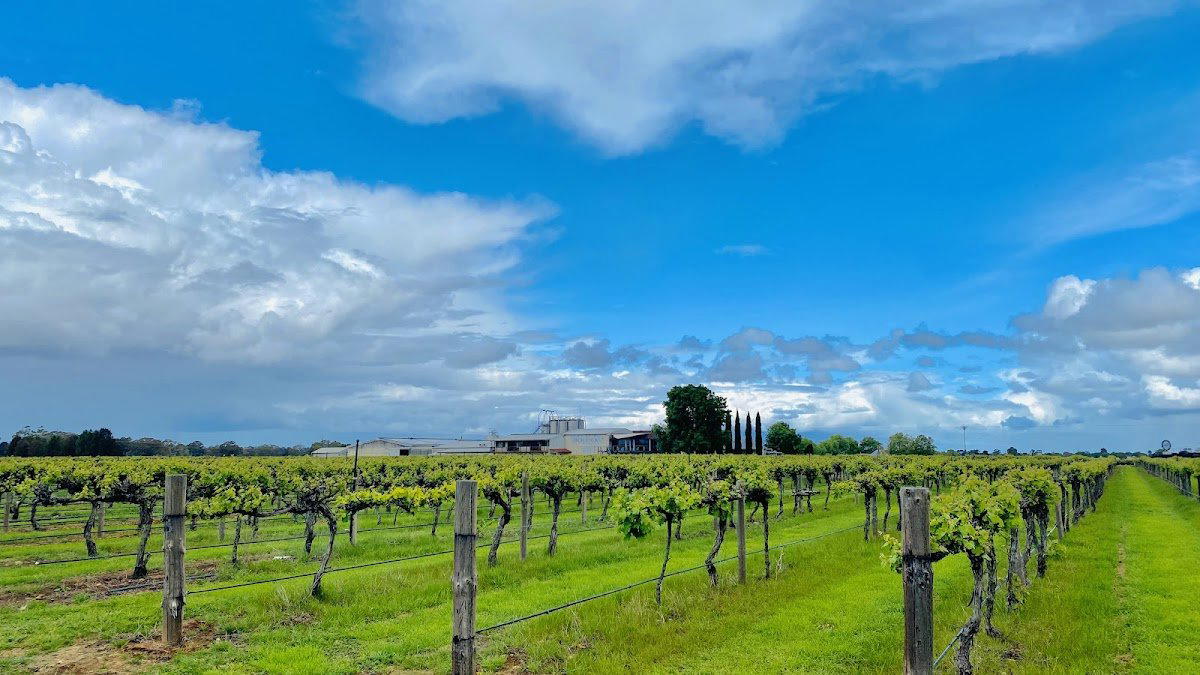
The approach to Coonawarra wine is often visual before it is technical: low buildings, ordered rows of vines, garden edges, and the particular calm of a cellar door that expects guests to stay longer than a quick tasting. Hollick Estates works in that mode. An old stone cottage leads into the cellar-door experience, while the upstairs restaurant looks across vines through floor-to-ceiling windows. The effect is not theatre. It is the regional argument made plainly: wine here is tied to the land in front of the glass.
In Penola, that matters. Coonawarra’s reputation has long been anchored by Cabernet Sauvignon and its terra rossa soils, but the more interesting visitor experiences are not only about the flagship red. They show how a cellar door can frame the region through texture, view, food and pacing. Hollick Estates, opened in 1983, sits in that broader evolution from tasting counter to estate hospitality, with wine, restaurant and grounds operating as a single visit rather than separate transactions.
Coonawarra through the glass, not just the label
The estate’s tasting identity is built around premium table wines and alternative varietals, a useful signal in a region often reduced to one grape in shorthand. Cabernet Sauvignon remains part of the conversation, but the listed range also includes Riesling, Sangiovese and Tempranillo, which gives the cellar door more breadth than a narrow single-variety stop. That range does not rewrite Coonawarra’s identity; it widens the reader’s sense of what a regional tasting can include.
The format supports that breadth. Bar tastings, seated tastings, estate-range flights, icons-range flights and food-and-wine pairing are all part of the visitor offer. For travellers building a Coonawarra day, this places the estate in the category of stops that can absorb a full slot rather than function as a short retail counter. The tour duration is listed at 60 to 90 minutes, which is a practical clue: the experience is designed for tasting with context, not a rushed pour-and-purchase rhythm.
Terroir is often overused as a marketing word, but here the physical setting does useful editorial work. The property is described as a boutique winery with three estate vineyards across Coonawarra and Wrattonbully, and the hospitality rooms look directly over planted vines. That visible connection between cellar door and vineyard matters because it keeps the tasting grounded. The glass is not detached from place; the rows outside are part of how the visit explains itself.
For a second Coonawarra reference point in Penola, Patrick of Coonawarra gives travellers another way to read the region’s cellar-door culture. For broader planning across the town, keep our full Penola wineries guide close, then build meals, rooms and evening stops through our full Penola restaurants guide, our full Penola hotels guide, our full Penola bars guide and our full Penola experiences guide.
The restaurant makes the cellar door a longer Coonawarra stop
Winery restaurants can feel incidental when the kitchen merely extends dwell time. The stronger regional model is different: food gives the wines a second setting and lets the estate act as a lunch destination. Hollick Estates is described as one of Coonawarra’s first winery restaurants, which gives it a specific place in the region’s hospitality history. The cooking leans traditional Italian, with pasta made from scratch using family recipes. Tagliatelle and gnocchi are named as part of that pasta language, useful because they point to comfort and craft rather than tasting-menu spectacle.
That Italian frame suits the estate’s wider range. Sangiovese and Tempranillo make more sense when the visit includes food, while Riesling and sparkling styles give the restaurant more flexibility than a heavy red-only cellar-door meal. The editorial value here is balance: a wine region known for structured reds is using restaurant hospitality to slow the day down and broaden the drinking context.
The room’s architecture reinforces that pace. A warm upstairs dining space with expansive vineyard views puts the vines into the meal without turning the setting into a staged panorama. Alfresco dining, lawns and gardens add another layer for groups and families, while the non-smoking areas, wheelchair access, free Wi-Fi, carpark and electric vehicle charging point show a property built for contemporary visitor flow. The atmosphere reads relaxed rather than formal, with a conversational noise level and casual dress code.
Australia’s wine-travel map is broad enough that Coonawarra should not be read in isolation. Urban and regional cellar-door formats differ sharply, from 19 Crimes in Southbank and Accolade Fine Wines in Melbourne to smaller regional producers such as Adelina Wines in Clare Valley, Alkina Estate in Greenock, Alkina Wine Estate in Barossa Valley and All Saints Estate in Rutherglen. Even outliers such as Alice Springs Brewing Co in Alice Springs, »der Steiner« Hans Steiner in Podersdorf am See and & Handwein in Mannheim underline the same point: the format of the visit changes how a drink is understood.
How to read the visit
The right way to treat Hollick Estates is as a Coonawarra hospitality stop with wine at the centre and food as a serious supporting structure. It suits visitors who want a seated, view-led estate experience rather than a purely technical production tour. The wine club, shipping availability, online orders and shop point to a cellar-door model that continues beyond the property, but the strongest reason to go remains the on-site combination of tasting, vineyard outlook and restaurant.
Its practical shape is clear enough for planning. Walk-ins are part of the visit type, while reservations are recommended, especially if the restaurant or a more structured tasting is part of the plan. The estate is good for groups and children, but not dog friendly. Payment is accepted by cash, credit card and debit card. For travellers mapping a Penola day, the smart move is to give the estate enough time for both wine and the room; treating it as a quick stop misses the point of a winery restaurant built around landscape as much as pour.
Recognition history
Dated appearances from independent guides and award organizations, with the underlying list record or original source where available.
Falstaff Winery - Listed
Falstaff
Continue exploring
More in Penola
Wineries in Penola
All wineries in Penola →
Details
- Scenic
- Rustic
- Classic
- Cozy
- Romantic
- Well Known
- Romantic Getaway
- Group Outing
- Celebration
- Family
- Wine Education
- Special Occasion
- Estate Grounds
- Vineyard Tour
- Panoramic View
- Historic Building
- Private Tasting
- Vineyard
- Garden
- Cabernet Sauvignon
- Tempranillo
- Sangiovese
- Riesling
- Still Red
- Still White
- Sparkling
- Dessert
- Bar Tasting
- Seated Tasting
- Estate Range Flight
- Icons Range Flight
- Food And Wine Pairing
- English
Charming estate combining an old stone cottage cellar door with a warm, inviting upstairs restaurant featuring floor-to-ceiling windows and expansive vineyard views, creating a relaxed yet refined atmosphere.