
Falstaff Winery - 2 Stars
Guido F. Fendi is a small Maremma winery in Manciano, set in the rural hills of southern Tuscany where red soils, vineyards and a quiet agricultural mood define the visit. The estate’s focus is still wine from Sangiovese, Vermentino, Cabernet Sauvignon, Merlot and Syrah, with guided tasting and vineyard-tour formats shaping the experience.

Pearl is the En Primeur Club membership app, where members save venues, book tables and use the concierge.

Guido F. Fendi in Manciano is best understood through its setting: a rural Tuscan estate atmosphere in the Maremma hills, surrounded by vineyards and red soils. The impression is quiet, rustic and traditional rather than polished or design-led, with an agricultural feel that suits visitors looking for a more understated countryside stop. It is the kind of place whose identity comes less from a declared concept and more from its surroundings: the texture of the land, the vineyard context and the sense of being set apart from a busier town-centre rhythm.
What is clear is the character of the place: scenic, classic, quiet and rooted in the landscape around Manciano. That makes it useful to think of Guido F. Fendi first as a setting-driven venue, where the Maremma countryside is the primary draw, rather than as a stop to approach with firm expectations about a particular format. Visitors who value atmosphere, rural texture and a low-key Tuscan mood are likely to understand its appeal most clearly.
Red soil, vineyard quiet and the Maremma setting
The strongest read here is the setting. Guido F. Fendi is associated with vineyards, red soils and the Maremma hills, giving it a rural Tuscan estate ambiance rather than the feeling of an urban dining room or polished destination venue. The red soil and vineyard landscape help define the experience before any other detail is considered, placing the venue firmly in a countryside frame. Instead of a sleek or highly curated impression, the mood leans toward the grounded, agricultural side of Tuscany, where the surrounding land is part of the appeal.
For planning purposes, treat it as a quiet countryside venue in Manciano with a rustic, traditional agricultural mood. Specifics such as opening hours, food service, booking requirements or other practical details should be confirmed directly before making plans. In practical terms, it is best approached with flexibility: confirm what is available, then decide how it fits into the day. The most dependable expectation is not a particular service style, but the chance to spend time in a scenic Maremma setting with a calm, rural character.
Within Manciano, Guido F. Fendi stands out as a scenic hidden-gem style venue for those drawn to rural atmosphere and the surrounding landscape. Other dining or hospitality options in Manciano can be considered separately depending on the rest of the itinerary. This distinction matters because Guido F. Fendi should not be framed as the universal answer to every plan in the area; rather, it suits a specific kind of interest. If the priority is a countryside stop shaped by vineyards, red earth and an understated estate feeling, it fits naturally. If the priority is a known dining format or a tightly scheduled experience, it is worth confirming details before building the day around it.
A rural estate atmosphere rather than a polished destination format
The appeal is not a high-design hospitality format, but the feeling of a rural Tuscan estate in the Maremma hills. Expect a classic, quiet and rustic atmosphere shaped by vineyards, red soils and the surrounding countryside. That quieter identity is central to how the venue should be read. It suggests a place that is more about setting and sense of place than spectacle, with the agricultural landscape doing much of the work. In this context, rustic should be understood positively: not as a lack of care, but as an emphasis on tradition, terrain and a slower rural mood.
Price is listed as $$, placing Guido F. Fendi in a moderate bracket. Because no specific menu, tasting structure or service format should be assumed from the available information, the price marker is best used only as a broad planning cue rather than a detailed estimate of what a visit will involve. It helps position the venue generally, but it does not replace direct confirmation of what is currently offered. As with the rest of the practical details, the safest approach is to verify before arrival and keep expectations tied to the setting rather than to unconfirmed specifics.
For a wider Manciano plan, use Guido F. Fendi as a countryside-focused stop and confirm practical details directly. The most reliable reason to include it is its rural Maremma setting and traditional agricultural character. It works well in an itinerary that has room for landscape, quiet and a more understated Tuscan atmosphere, rather than one built entirely around polished destination dining. Taken on those terms, Guido F. Fendi adds a scenic, local-feeling layer to Manciano: vineyards, red soils, the Maremma hills and a restrained rural mood that remains the clearest and most dependable part of its identity.
Recognition history
Dated appearances from independent guides and award organizations, with the underlying list record or original source where available.
Falstaff Winery - 2 Stars
Falstaff
Continue exploring
More in Manciano
Wineries in Manciano
All wineries in Manciano →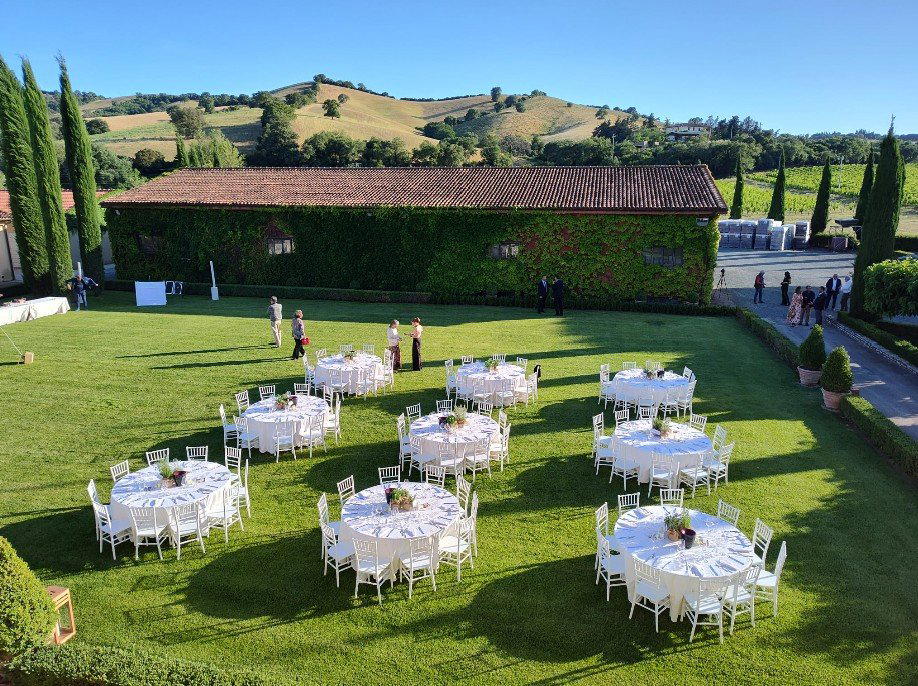
Bars in Manciano
All bars in Manciano →
Restaurants in Manciano
All restaurants in Manciano →
Details
- Rustic
- Scenic
- Quiet
- Classic
- Group Outing
- Wine Education
- Solo Exploration
- Estate Grounds
- Vineyard Tour
- Organic
- Sustainable
- Vineyard
- Mountain
- Sangiovese
- Vermentino
- Cabernet Sauvignon
- Merlot
- Syrah
- Still Red
- Still White
- Still Rosé
- Guided Tasting
- Vineyard Tour
- Italian
Rural Tuscan estate ambiance in the Maremma hills, surrounded by vineyards and red soils, with an authentic, traditional agricultural feel rather than a polished design destination.