Cave de l'Etat du Valais - Domaine du Grand Brûlé

Falstaff Winery - Listed
A state-owned Valais winery in Leytron, Cave de l'Etat du Valais - Domaine du Grand Brûlé is strongest when read through place rather than personality: alluvial soils, Alpine sun, and a public stewardship model dating to 1918. The range moves across Petite Arvine, Cornalin, Merlot, Pinot Noir and Chenin Blanc, with tastings geared toward visitors who want terroir context as much as a glass in hand.
Approaching Cave de l'Etat du Valais - Domaine du Grand Brûlé in Leytron is best done with a simple expectation: this is a Valais winery setting focused on tastings and on showing terroir-driven wines. The picture is not a restaurant-style venue with a documented menu, chef, seat count or service schedule; it is a classic state-owned winery environment where the experience centers on wine, place and practical hospitality. That distinction is important, because it shapes the way the venue should be understood. The strongest reading is not as a full dining destination with every operational detail mapped out in advance, but as a purposeful stop for visitors who want to spend time with Valais wines in the place where they are being presented.
The atmosphere is described as welcoming and professional, with staff noted as helpful. That makes the domaine a useful stop for visitors who want a grounded introduction to Valais wine culture without relying on claims about awards, vineyard size, individual cuvées or special tasting formats. In other words, the appeal rests on the essentials that are actually supported: a winery setting in Leytron, a tasting-oriented purpose, and a hospitality style that feels approachable while still being organised and serious about the wines.
Valais wine culture, kept in focus
The reliable reason to consider Cave de l'Etat du Valais - Domaine du Grand Brûlé is its setting and purpose: tastings in a classic Valais state-owned winery, with attention on terroir-driven wines. Rather than presenting the venue through unsupported details about specific grapes, scores or production figures, the safer reading is broader and more useful: this is a place for understanding how the wines are framed in their local context. The value is in the encounter between visitor, setting and glass, rather than in a long list of claims that cannot be confirmed from the available information.
For visitors, that means the experience should be approached as a wine-focused stop rather than as a conventional dining reservation. It is the kind of place where expectations should be adjusted away from courses, table turnover and menu planning, and toward tasting, conversation and orientation. If food, a seated meal or a highly structured programme is essential to the day, those elements should not be assumed from this description alone.
The price level is listed as $$, which gives a general planning signal without confirming individual tasting fees or bottle prices. Anyone planning around a specific budget, language requirement, group size or timing should confirm those details directly before visiting. That is especially sensible for a winery visit, where the practical experience can depend on arrangements that are not captured by a simple price marker. The $$ indication is useful as a broad cue, but it should not be treated as a substitute for direct confirmation of what is available on the day.
A tasting setting rather than a staged dining room
The setting is best described as classic and professional, with a focus on showcasing terroir-driven wines. The tone is welcoming rather than formal, and the staff have been described as helpful. Those are the grounded hospitality cues. They suggest a visit that can feel accessible without needing to be casual in the careless sense: the emphasis remains on presenting the wines clearly and treating the setting with respect.
Most accurate advice is to view Cave de l'Etat du Valais - Domaine du Grand Brûlé as a wine-tasting destination in Leytron and to check practical arrangements before making a special trip. That approach protects the visit from mismatched expectations. A traveller who arrives expecting a restaurant may be looking for the wrong kind of experience, while a traveller who arrives for a focused winery stop is closer to what the available description supports.
The domaine is therefore best evaluated on its own terms: not by comparison with a full-service restaurant, and not by claims about neighbouring addresses, but as a specific winery setting whose role is to introduce or deepen a sense of Valais wine in situ.
Why the state-owned winery setting matters
That makes the venue most relevant for people who want an accessible, place-based wine experience in Leytron. The state-owned winery setting gives the visit a particular frame: it reads as institutional, classic and connected to regional wine culture, rather than as a purely private hospitality concept. Without adding claims about scale, history or output, it is still fair to say that this context helps explain why the emphasis falls on terroir-driven wines and on the practical act of tasting them in a local setting.
In practical terms, the appeal is clarity. Cave de l'Etat du Valais - Domaine du Grand Brûlé is presented here as a $$ winery tasting experience in Leytron with a welcoming, professional atmosphere and helpful staff. Beyond that, specific operational or menu-like details should be confirmed directly rather than assumed. Visitors who keep those boundaries in mind are likely to understand the venue more accurately: a focused Valais winery stop, useful for tasting and orientation, rather than a place defined by restaurant conventions or unsupported extras.
Frequently asked questions
What's the vibe at Cave de l'Etat du Valais - Domaine du Grand Brûlé?
The tone is classic Valais: welcoming, professional and focused on tastings in a state-owned winery setting. Staff are described as very helpful, and the experience is centered on terroir-driven wines in Leytron.
What's the pricing like at Cave de l'Etat du Valais - Domaine du Grand Brûlé?
Pricing at Cave de l'Etat du Valais - Domaine du Grand Brûlé is listed as $$.
Where can I find Cave de l'Etat du Valais - Domaine du Grand Brûlé?
Cave de l'Etat du Valais - Domaine du Grand Brûlé is in Leytron.
What's the standout thing about Cave de l'Etat du Valais - Domaine du Grand Brûlé?
Its standout feature is the classic Valais state-owned winery setting, where tastings focus on terroir-driven wines in a welcoming and professional atmosphere.
Recognition history
Dated appearances from independent guides and award organizations, with the underlying list record or original source where available.
Falstaff Winery - Listed
Falstaff
Request a visit to Cave de l'Etat du Valais - Domaine du Grand Brûlé
Tell us when you would like to go and how many people, and we put the request to the estate and reply to you by email.
Continue exploring
More in Leytron
Wineries in Leytron
All wineries in Leytron →
Restaurants in Leytron
All restaurants in Leytron →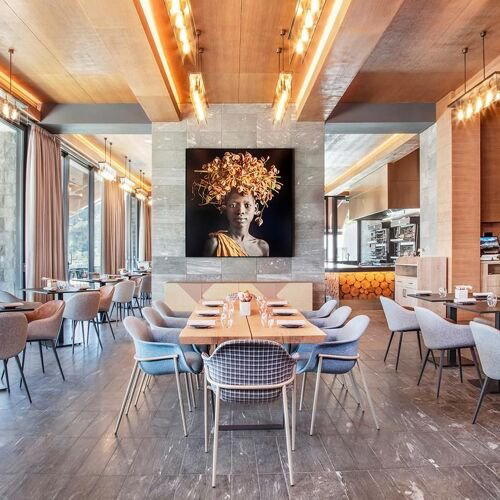
Details
- Classic
- Scenic
- Rustic
- Intimate
- Group Outing
- Celebration
- Solo Exploration
- Wine Education
- Special Occasion
- Cave Tasting
- Estate Grounds
- Private Tasting
- Sustainable
- Vineyard
- Mountain
- Petite Arvine
- Cornalin
- Merlot
- Pinot Noir
- Chenin Blanc
- Still Red
- Still White
- Still Rosé
- Sparkling
- Dessert
- Bar Tasting
- Private Tasting
- Cellar Visit
- French
- German
Tastings take place in a classic Valais state-owned winery setting with a focus on showcasing terroir-driven wines; the atmosphere is welcoming and professional, with staff described as helpful and the experience comparable to open cellar days where guests can discover a wide range of wines in a relaxed, convivial environment.