
Falstaff Winery - Listed
Accademia dei Racemi is the Manduria project to understand Primitivo through soil rather than polish. Founded in 1996 by Gregory Perrucci and tied to Felline, it works across terra rossa, terra bianca, black earth, and sand, with organic sourcing across roughly 120 hectares and a portfolio rooted in Primitivo, Susumaniello, Negroamaro, Vermentino, and Zinfandel-labelled Primitivo.

Pearl is the En Primeur Club membership app — saves, bookings, and concierge access live there. Same editors, same standards.
- Address
- Manduria, Puglia, Italien

Accademia dei Racemi in Manduria is best understood as a producer-driven, terroir-focused winery project rather than a venue built around luxury design or a highly polished visitor-center experience. The picture is narrow but useful: this is a place associated with authenticity, experimentation, indigenous Apulian varieties, and attention to soil types. For travellers, that means the reason to pay attention is not spectacle. It is the project’s role in making Manduria feel like a wine destination where agricultural choices, local grapes, and a sense of origin matter.
Because the confirmed information is limited, the most responsible way to frame Accademia dei Racemi is also the clearest one. It should not be presented through founding stories, named personnel, exact vineyard sizes, specific bottlings, awards, scores, tasting formats, or visitor logistics. What can be said is that the project is known more for producer identity and terroir work than for a polished hospitality wrapper. That distinction is important: some wine stops are sold through architecture, scenery, or a tasting-room performance; this one is better approached as a working, idea-led winery project in Manduria.
A producer-driven winery project in Manduria
The most grounded reason to include Accademia dei Racemi in a Manduria guide is its emphasis on indigenous Apulian varieties and soil types. Those two themes give the project its editorial shape. Rather than treating Apulian wine as a broad regional category, the focus points toward local raw material and the differences that come from place. In practical guide terms, that makes Accademia dei Racemi relevant for visitors who want to understand Manduria through wine culture, not just add a generic tasting stop to an itinerary.
The tone is also worth setting correctly. The description does not support a luxury-cellar pitch, a formal fine-dining-style experience, or a detailed promise about how visits operate. Instead, it points to a producer culture where authenticity and experimentation are more central than design polish. That does not make the project less serious. It simply means expectations should be aligned with a winery identity that is agricultural, local, and research-minded rather than hospitality-led.
Price is listed as $$, which places the venue in a moderate range for guide purposes. Travellers should therefore treat the listing as a starting point and confirm practical details directly before building a day around it.
Why the project matters in Puglia's shift from generic wine to origin-focused identity
Accademia dei Racemi is useful because it reflects a broader idea in Puglia: local varieties and local soils can be discussed as more than background. In a region often simplified by outsiders into warmth, ripeness, and value, a producer that foregrounds indigenous Apulian varieties and soil types offers a more precise way to think about wine from Manduria.
That precision matters for travellers as well as for drinkers. A visit or purchase connected to this kind of producer is not only about whether a wine is enjoyable in the glass. It is about how the wine is presented as part of place: what grows locally, how soil differences are treated, and how much emphasis is placed on experimentation instead of a standardized, luxury-branded experience. Accademia dei Racemi’s identity sits squarely in that second lane.
This is also why it should not be oversold. There is no confirmed basis here for calling it award-winning in a particular year, naming a specific critic score, describing a cellar design, or promising a set tasting format. The more accurate recommendation is simpler: choose Accademia dei Racemi when you want a Manduria winery reference point that is producer-led, terroir-minded, and rooted in indigenous Apulian wine culture.
How to place it in a Manduria wine itinerary
In a Manduria itinerary, Accademia dei Racemi makes the most sense as a substance-first wine stop. It is not best framed as the prettiest cellar, the most formal tasting room, or a luxury hospitality address. It is better framed as a project for travellers who want to understand how a producer can use local varieties and soil-focused thinking to express a more specific version of Apulian wine.
Confirm current arrangements directly before travelling, especially if the visit would anchor a full day. If you are pairing it with meals, lodging, bars, or non-wine activities, treat those as separate Manduria planning decisions rather than assuming that the winery itself provides a full hospitality program.
The critical read is direct: Accademia dei Racemi belongs in the guide because it represents an authentic, experimental, terroir-focused winery project in Manduria. Its appeal is not built on luxury design or an elaborately documented visitor experience. Its appeal is the idea that indigenous Apulian varieties and soil types deserve attention, and that Manduria can be read through the work of producers who take those elements seriously.
Recognition history
Dated appearances from independent guides and award organizations, with the underlying list record or original source where available.
Falstaff Winery - Listed
Falstaff
Continue exploring
More in Manduria
Wineries in Manduria
Browse all →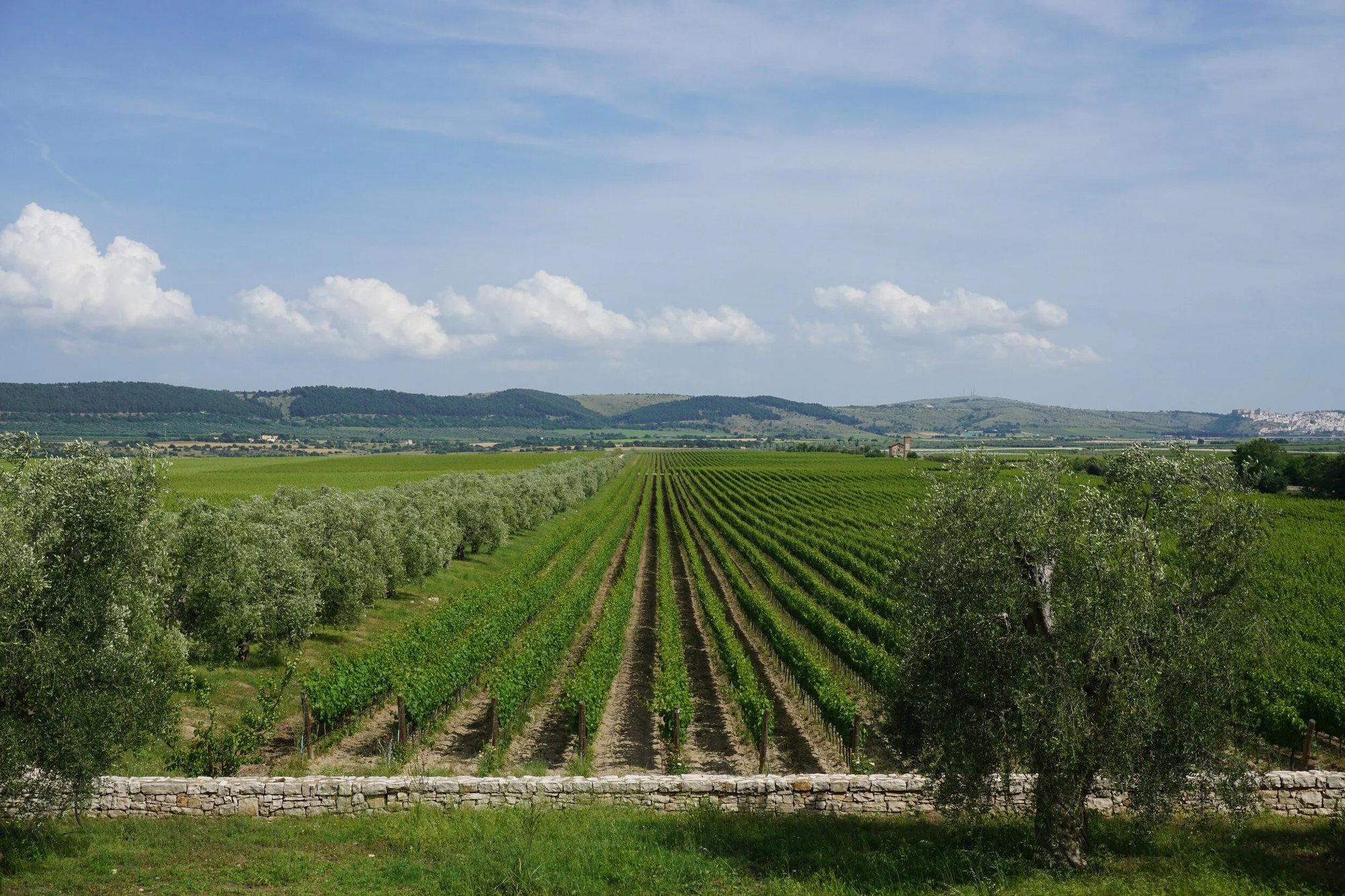
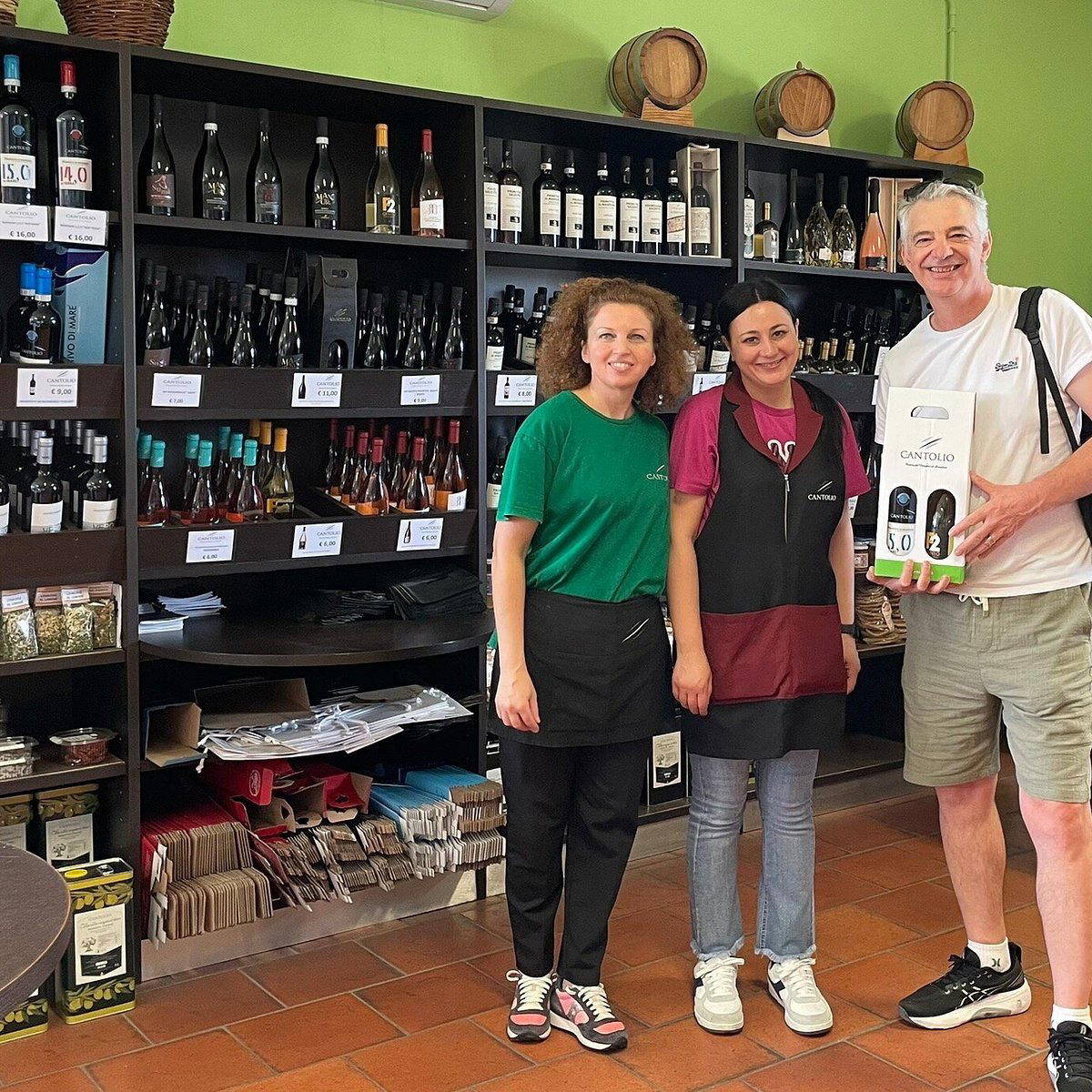
Restaurants in Manduria
Browse all →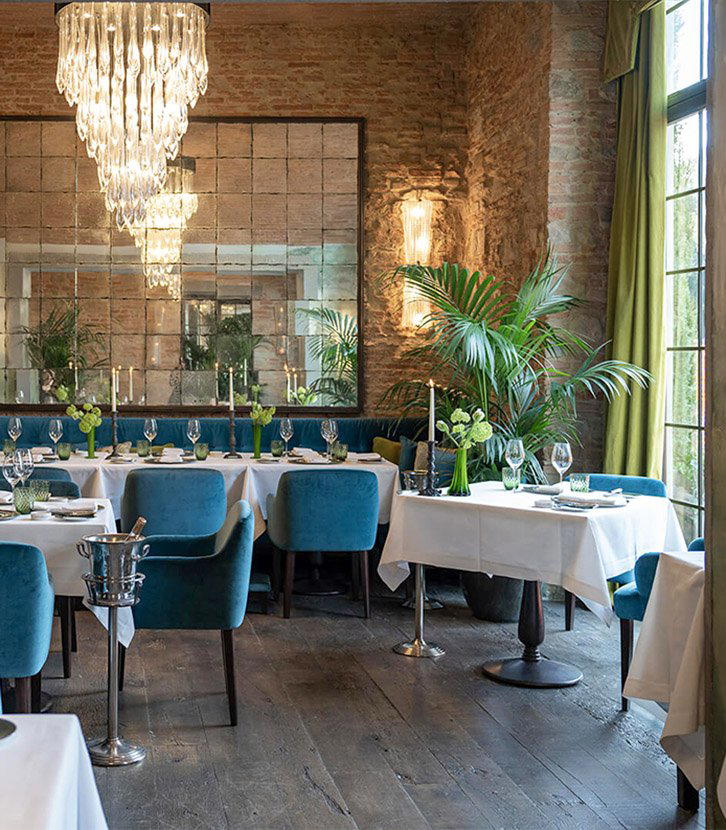
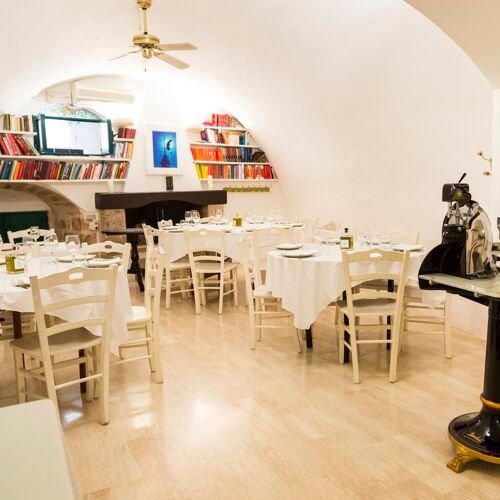
Hotels in Manduria
Browse all →
Details
- Rustic
- Classic
- Well Known
- Wine Education
- Solo Exploration
- Group Outing
- Organic
- Sustainable
- Vineyard
- Primitivo
- Zinfandel
- Susumaniello
- Negroamaro
- Vermentino
- Still Red
Producer-driven, terroir-focused winery project known more for its innovative work with indigenous Apulian varieties and soil types than for a polished visitor center, with an emphasis on authenticity and experimentation over luxury design.