
Michelin Plate
Our verdict
Scala sits at Mdina’s threshold, where the Silent City’s restaurant culture shifts from day-trip convenience to slower Maltese and Mediterranean dining. Public detail on cuisine, price and format is sparse, so the stronger read is contextual: this is a Mdina address to weigh against the city’s established hotel dining rooms, palace settings and courtyard restaurants.

Pearl is the En Primeur Club membership app, where members save venues, book tables and use the concierge.
The menu
What to order
- Yakitori-style octopus
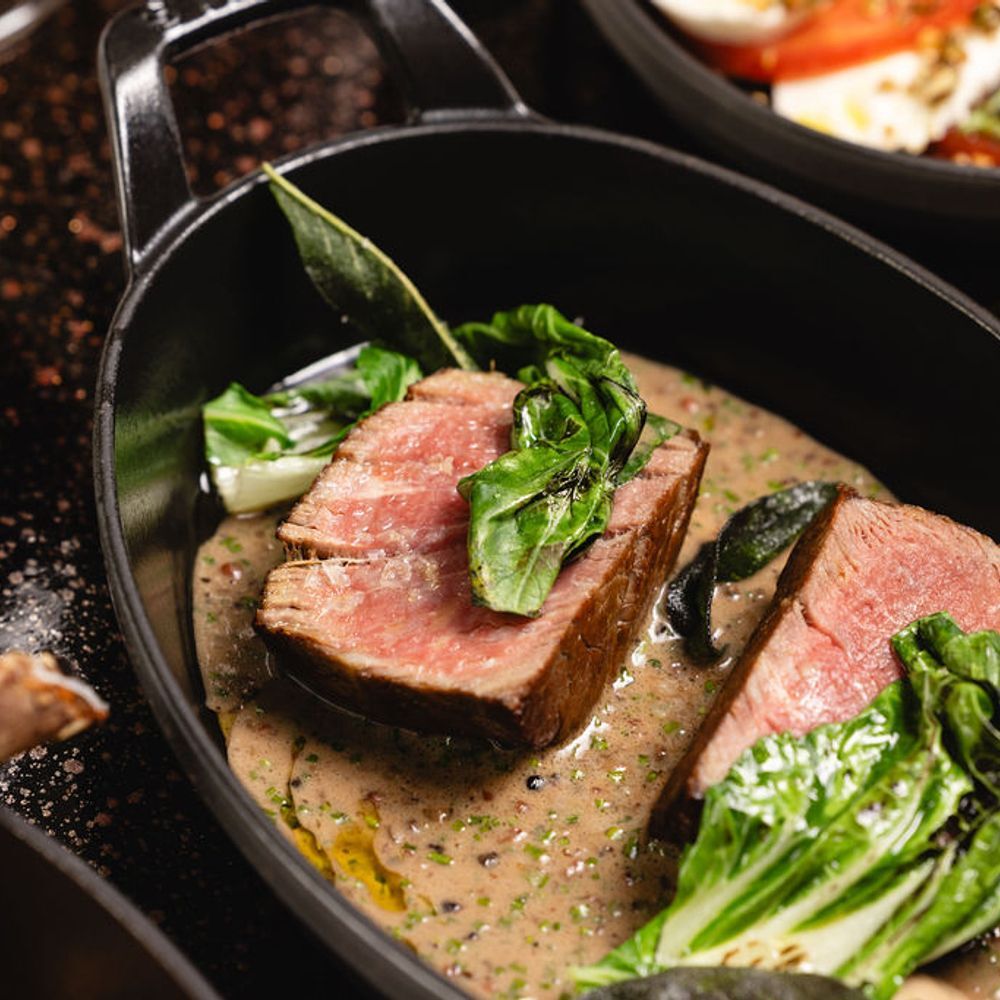
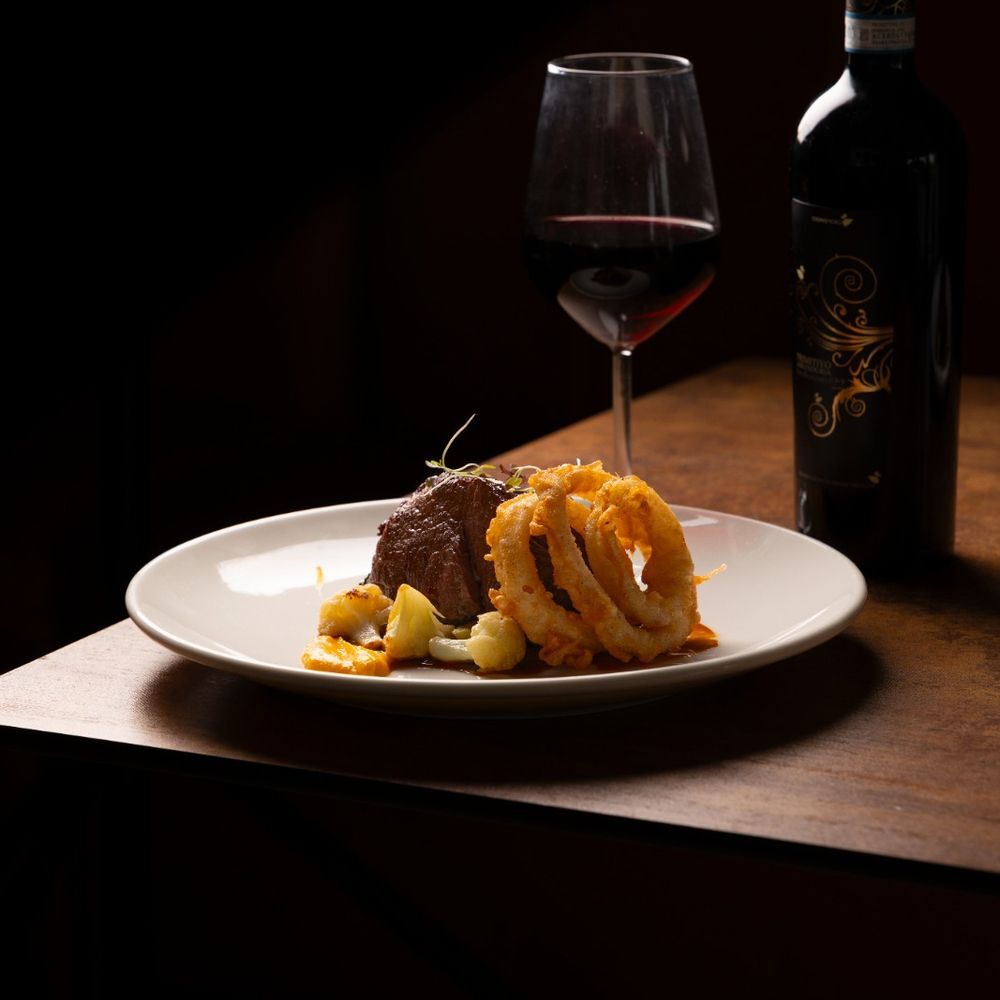
- Rossini-style beef fillet
- Lasagna
Approaching Mdina is already part of the meal: stone ramparts, a compressed gate, carriage traffic yielding to footfall, and the sudden quiet that makes restaurant choice feel less casual than in Sliema or St Julian’s. Scala sits in Mdina, a meaningful threshold in the old city’s dining landscape, where restaurants are judged not only by what reaches the plate but by how well they handle a historic setting that can turn lunch into theatre before the menu speaks.
Mdina dining follows a narrow physical grammar. Rooms are often carved into limestone, terraces compete with broad old-city views, and menus often draw on Malta’s pantry: fish from surrounding waters, rabbit and pork traditions from inland cooking, capers, olives, gbejna, tomatoes, citrus, herbs and the steady pull of Sicily. The stronger kitchens in and around the old city know sourcing is not decorative. On a small island, ingredient identity is quickly exposed; seafood, vegetables and cheeses either taste connected to place or they do not.
Mdina rewards kitchens that treat Maltese produce as structure, not garnish
The ingredient question is sharp in Mdina because the city attracts two diners. One wants the postcard setting and will forgive generic cooking. The other wants Maltese specificity without a museum-piece meal. Scala belongs in that second conversation only if local produce functions as architecture rather than accent: seafood handled with restraint, vegetables carrying sweetness and salinity, and traditional flavours placed inside a contemporary service rhythm.
That is the citywide test. The de Mondion Restaurant represents Mdina’s formal end, where setting, service and Maltese references must carry weight. The Xara Palace points to the heritage-hotel model, where architecture frames the meal as much as the kitchen. Other Mdina dining rooms sit closer to the old-city courtyard tradition, while nearby restaurants broaden the local comparison beyond the walled core. Scala’s relevance comes from this context: the restaurant must turn location into a reason to eat, not just a reason to stop.
Malta’s restaurant scene has moved away from purely tourist-facing menus toward sharper regional identity. Valletta has helped drive that shift, showing how capital-city dining can polish Maltese and European references. Around the islands, the range is wider, from resort-area familiarity and marina-adjacent dining to seafront leisure circuits, international appetites and Gozo comparisons. Mdina’s job is different. It must avoid becoming a stage set.
The entrance to the Silent City changes the dining equation
Scala’s position in Mdina gives it an advantage: it can sit naturally within a visit to the old city. It also creates pressure. A restaurant in a high-interest historic city can become a convenience choice unless the kitchen adds substance. In Mdina, substance usually means a menu that acknowledges the island rather than flattening it into generic comfort food.
For ingredient-led dining, Malta offers a compact, demanding pantry. Local fish varies by season and landing; tomatoes and citrus can carry more character than imported luxury ingredients; capers, olives and sheep’s cheese do heavy work when used with discipline. The most grounded restaurants here tend not to chase maximal plating. They build flavour from salt, acid, herbs, smoke, olive oil and produce that can survive simple preparation. That is why Mdina’s serious meals read differently from Malta’s waterfront dining: less spectacle, more whether the plate makes sense inside limestone walls and an older rhythm of eating.
The Mdina comparison set is small enough for precision. A palace dining room suits those wanting ceremony. A courtyard restaurant suits those wanting the city’s enclosed quiet. A Mdina address suits a meal built around arrival or departure, especially for travellers pairing the city with Rabat, the bastions or a late-afternoon walk through the old streets. Scala is strongest on that route if the priority is a composed restaurant pause rather than a quick snack between sights.
How to place Scala within a Malta itinerary
For a Mdina day, decide what role the meal should play. If the city is the main event, a restaurant in Mdina keeps the schedule efficient. If dinner is the event, compare Scala with Mdina’s more formal rooms and ask whether the meal needs ceremony, heritage surroundings or a quieter register. The difference is practical; in a small walled city, room, timing and appetite shape the experience as much as cuisine category.
Travellers mapping a broader Malta food itinerary should treat Mdina as a heritage counterpoint to Valletta, St Julian’s and the coastal resort towns. Use Our full Mdina restaurants guide for the dining shortlist, then cross-check the city through Our full Mdina hotels guide, Our full Mdina bars guide, Our full Mdina wineries guide and Our full Mdina experiences guide. The point is not to overpack the day. Mdina rewards fewer stops and better timing.
Scala’s editorial case is practical and contextual rather than personality-driven. With no public chef narrative, published price band or named signature dishes provided here to anchor the assessment, the useful question is whether it serves the Mdina moment well: arrival in the Silent City, a Maltese pantry close at hand, and a dining scene where setting can sharpen the food or distract from it. In that frame, judge Scala by sourcing discipline, restraint and its ability to connect the old city to the plate.
For readers comparing beyond Malta, the contrast is instructive. In some large cities, format and specialization often lead the decision. Mdina reverses that order. Here, place comes first, then the kitchen must prove it deserves the setting.
Frequently asked questions
Is Scala okay with children?
Yes, Scala’s setting in Mdina can make it workable for families, especially for a meal built around a visit to the old city. The experience reads as part of a heritage-city itinerary rather than a highly specialized counter format.
What's the vibe at Scala?
The atmosphere is shaped by Mdina, so it suits a meal folded into a visit to the city rather than a purely destination-led sit-down. Expect a place that functions as part of a day in the old city, with Mdina itself doing much of the work.
Has Scala won any awards?
Yes. Scala is listed in the Michelin Guide with a MICHELIN Plate distinction.
Where exactly is Scala?
Mdina.
How hard is it to get a table at Scala?
Those details are not published. Its location in Mdina makes it a practical choice for timing a visit around the old city. Check the venue's official channels for the latest details.
Comparable Spots, Quickly
Comparable venues by cuisine and price in the same metro.
| Venue | Cuisine | Price | Awards | Notes |
|---|---|---|---|---|
| Scala | Modern German Regional Cuisine | $50–100 | Michelin Plate | Not listed |
| Root 81 | Modern Mediterranean with Local Ingredients | $50–100 | Michelin Plate | Mediterranean Cuisine |
| The Golden Fork | Modern Mediterranean with Maltese Heritage | $50–100 | Michelin Plate · Wine Spectator Award of Excellence | Modern Cuisine |
| Trattoria AD 1530 | Mediterranean Trattoria | Not listed | Relais Chateaux Award | Not listed |
| The de Mondion Restaurant | Modern Mediterranean Fine Dining | $200–300 | 1 Michelin Star · La Liste Top Restaurants | Mediterranean Maltese |
| The Xara Palace | Modern Mediterranean Fine Dining | Not listed | Relais Chateaux Award | Maltese Traditional |
Recognition history
Dated appearances from independent guides and award organizations, with the underlying list record or original source where available.
Michelin Plate
Michelin
Continue exploring
More in Mdina
Restaurants in Mdina
All restaurants in Mdina →


Bars in Mdina
Browse all →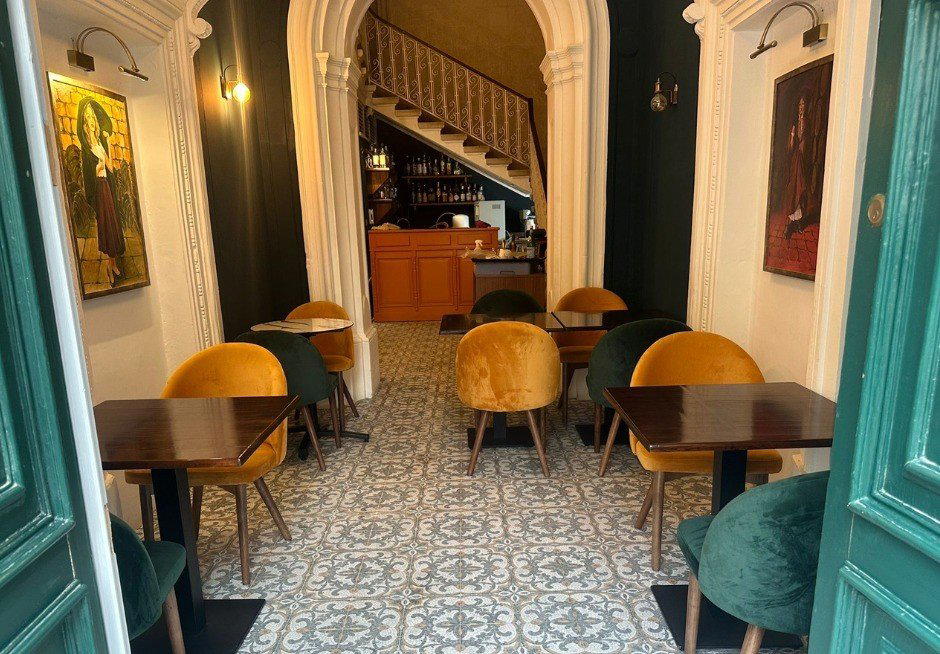
Hotels in Mdina
All hotels in Mdina →


Wineries in Mdina
Browse all →
Details
- Elegant
- Romantic
- Cozy
- Scenic
- Sophisticated
- Date Night
- Special Occasion
- Business Dinner
- Group Dining
- Celebration
- Historic Building
- Terrace
- Panoramic View
- Standalone
- Design Destination
- Extensive Wine List
- Local Sourcing
- Garden
- A La Carte
- Tasting Menu
- Wine
- Vegetarian Friendly
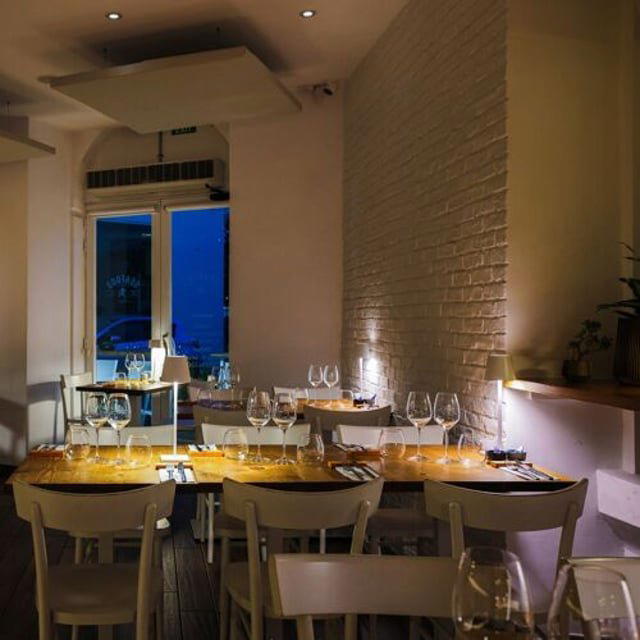
Warm, intimate lighting and a refined yet relaxed atmosphere, with attentive service and views over the rural landscape creating a romantic, special-occasion feel.