Koko

Michelin Plate
Our verdict
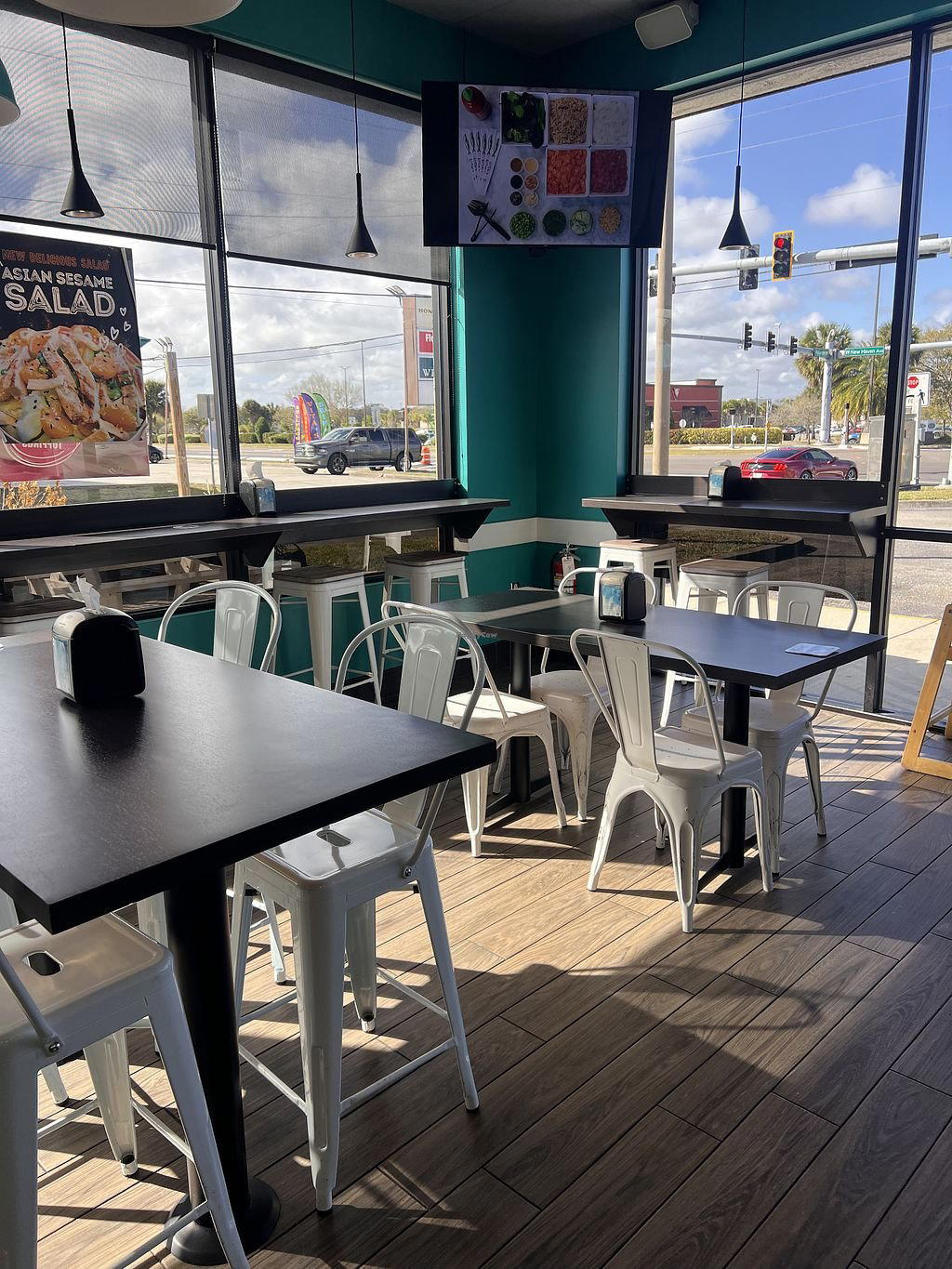
Koko occupies a small corner of Cocoa Beach's downtown dining strip, offering a contemporary-cool setting with concrete floors, a black ceiling, and a compact layout. The space leans modern and casual, suited to visitors threading surf days with quick, efficient meals. Limited public information places it in the fast-casual tier common to Florida beach towns.

Pearl is the En Primeur Club membership app, where members save venues, book tables and use the concierge.
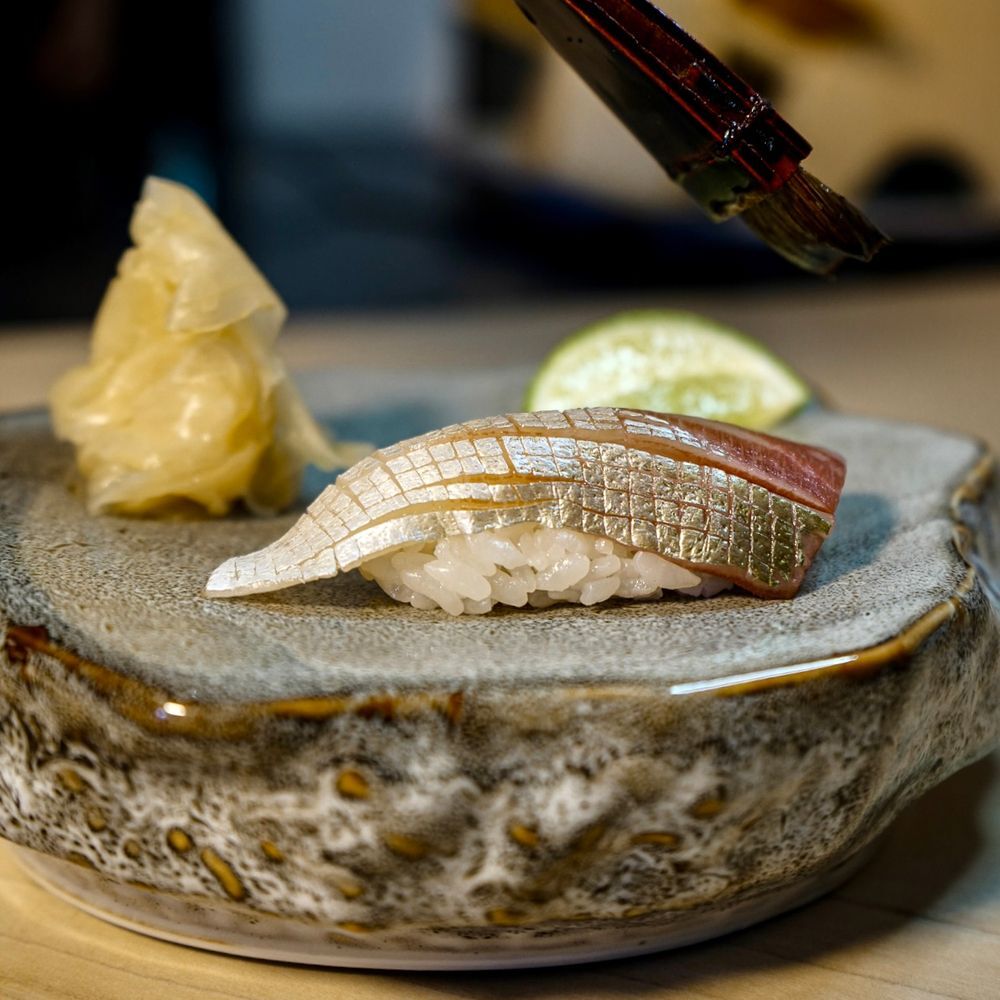
The menu
What to order
- Vegan Japanese curry
- French onion soup-inspired ramen
Cocoa Beach's restaurant strip runs along the A1A corridor and a few blocks inland, where surfers, cruise-terminal traffic, and Kennedy Space Center visitors create steady demand for quick-service formats. Downtown Orlando Avenue holds the highest concentration of independent operators, and Koko sits at 24 North Orlando, a block from the beach access points and within walking distance of most lodging clusters. The venue uses concrete floors and a black ceiling to signal a contemporary aesthetic, a format that distinguishes it from the tiki-hut and diner templates that still dominate the Cocoa Beach dining scene. Florida's Space Coast culinary identity remains split between old-line seafood houses, some operating since the Apollo era, and newer counter-service concepts targeting transient foot traffic. Koko falls into the latter category, trading on speed and a streamlined interior rather than heritage or tablecloth service. Our full Cocoa Beach restaurants guide maps the broader dining terrain across price tiers and formats.
What the Format Implies
Concrete floors and a black ceiling read as cost-controlled minimalism, a design choice common to fast-casual operators who prioritize turnover and build-out speed over acoustics or layered finishes. The material palette signals efficiency: hard surfaces, easy to clean, no carpet or upholstered seating to maintain. Black ceilings hide HVAC ducts and wiring without the expense of a finished ceiling, a trade-off that works in high-volume environments where table turns matter more than ambiance. Cocoa Beach's climate, humid year-round, salt-laden air, accelerates wear on interior finishes, so operators in the area often default to durable, low-maintenance materials. The venue's lack of a published phone number, website, or hours reinforces its positioning as a walk-in format rather than a reservation-driven destination. Most Cocoa Beach dining operates on a first-come basis, and visitors booking Cocoa Beach hotels should expect limited advance planning for meals outside the resort properties.
Ingredient Sourcing on the Space Coast
Florida's Space Coast sits between two agricultural zones: citrus groves to the west and Atlantic fisheries to the east. Local sourcing in the region splits along those lines, with stone crab, Florida shrimp, and snapper forming the reliable seafood roster, and citrus, tomatoes, and peppers anchoring produce availability. Cocoa Beach's dining scene, however, skews heavily toward imported protein and frozen product, a function of transient clientele and the economics of fast turnover. Operators who commit to local sourcing, primarily upscale hotel dining rooms and a handful of chef-driven independents, pay a premium for deliveries from distributors in Orlando or Melbourne, as no dedicated fishmonger or produce aggregator operates at scale within Cocoa Beach itself. The venue's positioning suggests a focus on convenience and speed rather than farm-to-table storytelling, a pragmatic choice in a market where most diners prioritize proximity to the beach over ingredient provenance. For context on how other casual concepts navigate Florida's ingredient landscape, see entries like 'Ama 'Ama in Kapolei, which operates in a similar coastal-tourist environment with transparent sourcing.
Cocoa Beach lacks the deep Latin American food networks that shape Miami's ingredient access or the Japanese distributors that supply Los Angeles. Venues like 'O Munaciello in Miami and Jōdo Saké Bar in Los Angeles benefit from concentrated ethnic food infrastructure; Cocoa Beach operators, by contrast, typically source through broadline distributors. That structural reality limits the range of specialty ingredients available at the fast-casual tier, and most Space Coast dining reflects Florida Panhandle and Southern traditions, fried seafood, citrus-forward salads, and barbecue, rather than niche regional cuisines. Visitors seeking more ingredient-focused dining can explore Cocoa Beach restaurants with published chef bios and sourcing statements, though options remain thin compared to metro Florida markets.
The absence of published hours or booking information at Koko suggests a reliance on walk-in traffic and limited operational complexity. That model works in Cocoa Beach's seasonal rhythm, where winter and spring break drive volume and summer humidity dampens foot traffic. Operators in the area often adjust hours week to week based on weather and cruise-ship schedules, making real-time confirmation via phone or in-person inquiry the most reliable approach. For visitors threading multiple stops, Cocoa Beach bars and Cocoa Beach experiences offer additional context on timing and booking norms across the downtown strip.
Concrete-and-black interiors appeal to a narrow demographic slice: younger diners who prioritize Instagram-ready backdrops and efficient service over comfort or tradition. The format aligns with national fast-casual chains like Chipotle or Sweetgreen, where hard surfaces and industrial ceilings signal modernity and speed. In Cocoa Beach, that aesthetic reads as transplanted urbanism, a deliberate contrast to the surf-shack nostalgia that defines much of the town's visual identity. Whether that trade-off resonates depends on what you value. If you're threading surf sessions and need fast fuel, the streamlined format works. If you're looking for a meal with depth or a sense of place, the venue's positioning suggests limited payoff. For comparison, ¿Por Qué No? in Portland and 'Ai Love Nalo in Waimanalo Beach demonstrate how fast-casual formats can anchor regional ingredient stories when operators commit to sourcing discipline and transparent communication.
The venue's design choices and operational signals place it in the walk-in, quick-service tier, a category that serves a functional role in beach towns but rarely generates the culinary momentum that drives repeat visits or critical attention. Visitors with flexible schedules can confirm hours and offerings in person; those planning tightly sequenced itineraries should prioritize venues with published details and verifiable reputations. For a fuller picture of Space Coast dining, cross-reference our Cocoa Beach restaurants guide, which tracks format signals, sourcing trends, and booking norms across the local market.
Frequently asked questions
Does Koko work for a family meal?
The concrete floors and black ceiling at 24 N. Orlando Ave. create a contemporary space that typically runs louder than fabric-lined dining rooms, which may suit older children better than toddlers. Space Coast families often default to beachfront casual spots for young groups, though Koko's design suggests a turnover-driven format that accommodates varied party sizes.
What kind of setting is Koko?
Concrete floors and a black ceiling mark Koko as contemporary-cool minimalism, the cost-controlled aesthetic common to fast-casual operators prioritizing turnover. The Space Coast location at 24 N. Orlando Ave. sits between citrus groves to the west and Atlantic fisheries to the east, positioning the venue within Florida's regional sourcing corridor.
What awards or recognition does Koko have?
Koko has received recognition including: Concrete floors and a black ceiling lend a contemporary-cool....
Where is Koko located?
Koko is located at 24 N. Orlando Ave. Cocoa Beach, Florida, 32931, USA, Cocoa Beach.
What's the best way to book Koko?
Contact details for Koko in Cocoa Beach are not listed in the current venue profile. Fast-casual formats in the Space Coast corridor typically operate on a walk-in or short-wait basis rather than advance reservations, though calling ahead during peak tourist season remains advisable.
What's the signature at Koko?
The concrete-and-black-ceiling design at 24 N. Orlando Ave. suggests a contemporary format, and the Space Coast location provides access to Atlantic seafood and Florida citrus, though specific dishes remain unverified.
Comparable venues by cuisine and price in the same metro.
| Venue | Cuisine | Price | Awards |
|---|---|---|---|
| KokoThis venue (the venue you are viewing) | Modern Japanese Izakaya & Omakase Pub | $50–100 | Michelin Plate |
Recognition history
Dated appearances from independent guides and award organizations, with the underlying list record or original source where available.
Michelin Plate
Michelin
Koko
Featured Guides
Continue exploring
More in Cocoa Beach
Details
- Modern
- Cozy
- Intimate
- Trendy
- Date Night
- Special Occasion
- Solo
- Casual Hangout
- Chefs Counter
- Waterfront
- Open Kitchen
- Standalone
- Sake Program
- Beer Program
- Local Sourcing
- Sustainable Seafood
- A La Carte
- Omakase
- Small Plates
- Counter Dining
- Sake
- Beer
- Pescatarian Friendly
A small, dimly lit Japanese pub with a modern, intimate feel, counter and bar seating, and a relaxed but focused atmosphere that centers on carefully crafted dishes, sake, and conversation rather than loud background noise.