Claudine
Our verdict
Claudine belongs to the small-island dining category where the setting does much of the framing, but the serious question is sourcing: what can be grown, landed, preserved, or flown into an outer-island kitchen with discipline. On Desroches Island, that makes the restaurant less about urban restaurant theatre and more about how a remote Seychelles table handles freshness, constraint, and resort-level consistency.

Pearl is the En Primeur Club membership app, where members save venues, book tables and use the concierge.
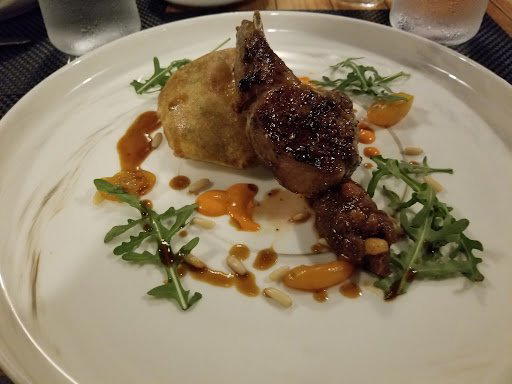
The menu
What to order
- Mediterranean grilled seafood
- Portuguese-inspired dishes
- Greek and Spanish small plates
Approaching a restaurant on Desroches Island changes the usual dining calculus. The cues are not city lights, street frontage, or a crowded bar; they are salt air, low vegetation, and the quiet compression of an island where every ingredient has travelled either a short distance from the sea and garden or a long one by logistics chain. In that context, Claudine is better read as part of the Seychelles resort-dining tradition than as a standalone urban restaurant: the meal is shaped by isolation, climate, and the practical intelligence required to feed guests well far from the capital.
Outer-island restaurants work under a different pressure from mainland kitchens. Produce, seafood, dairy, spices, and dry goods do not arrive with the same frequency or range that a restaurant in a major city can assume. That constraint can flatten a menu when handled poorly, but it can also sharpen it. The stronger island kitchens tend to focus on freshness, clean preparations, and a sense of place rather than long tasting-menu choreography. Claudine sits inside that logic, where ingredient sourcing matters because distance is not an abstraction; it is part of the cost, rhythm, and character of the table.
Outer-island sourcing is the real measure here
Seychelles cooking has always been a conversation between sea, spice, and trade routes. Resort dining in the islands often has to balance local texture with international comfort cooking. The editorial question is not whether a menu declares itself local, but how convincingly it lets the islands set the terms. On Desroches, fish and tropical produce are the natural anchors, while imported ingredients carry more weight because they have crossed serious distance to reach the plate.
This is why comparisons within the archipelago are more useful than comparisons with capital-city restaurants. Ahi, also on Desroches Island, belongs to the same micro-market, where guest expectations are shaped by remoteness and resort infrastructure. Elsewhere in the Seychelles, island-resort tables such as Aria and La Perle show how widely the category can range, from casual shoreline formats to highly managed luxury-island dining rooms.
That spread matters because Seychelles dining is not one scene. Larger islands have greater access, more local traffic, and a broader restaurant economy. Private-island and outer-island restaurants answer to a narrower brief: feeding a captive, international audience while maintaining enough local texture that the meal does not feel interchangeable with any warm-weather resort. The stronger version of that brief is restrained rather than theatrical.
Remote luxury favours clarity over complication
In remote resort dining, ambition often shows through control rather than spectacle. A kitchen has to make sourcing decisions that anticipate weather, transport, guest mix, and seasonality. Seychelles sits far from major supply corridors; that matters at the table because imported luxury ingredients can easily dominate a menu if a kitchen uses them as shorthand for status. A more convincing approach gives local seafood, spice, acidity, and tropical produce enough room to define the meal.
Claudine’s position on Desroches Island places it in a category where convenience and atmosphere are part of the value, but not the whole value. The serious diner should judge it against the realities of outer-island hospitality: consistency across service, ingredient freshness, and how well the cooking avoids the generic resort register. Awards and chef-name signals are not the story here; the meaningful trust signal is contextual, the restaurant operates within a limited island dining field where logistics and sourcing discipline separate competent kitchens from forgettable ones.
For broader planning, the island’s restaurant picture is compact enough that it is better treated as a dining ecosystem rather than a list of unrelated venues. Our full Desroches Island restaurants guide gives the clearest restaurant context, while our full Desroches Island hotels guide, our full Desroches Island bars guide, our full Desroches Island wineries guide, and our full Desroches Island experiences guide explain the surrounding hospitality frame. Cross-market contrasts with dense urban dining underline the difference: city restaurants compete through specialization and density, while Desroches dining competes through place, supply discipline, and the ability to make remoteness feel coherent rather than limiting.
Who should put Claudine on the island plan
The right audience is a traveller who understands that Desroches Island dining is not built around restaurant-hopping. It rewards guests who care about setting, ingredient logic, and the way a kitchen adapts international resort expectations to a small-island environment. Diners seeking chef-led tasting-menu theatre or a documented awards trail will find a different kind of signal elsewhere. Diners interested in how Seychelles hospitality translates ocean, garden, and distance into a polished resort meal will find the more relevant question here.
Frequently asked questions
Is Claudine good for families?
Yes, if the family prefers a relaxed island meal rather than a formal dining room. Claudine is on Desroches Island, so it fits the pace of a stay built around the island rather than a city restaurant run.
Is Claudine formal or casual?
More casual than formal. Claudine is on Desroches Island, where the room is likely to be shaped by resort-dining practicality rather than ceremony.
What part of town is Claudine in?
Desroches Island.
What's the best way to book Claudine?
Use Desroches Island as the starting point for any local reservation request. Because Claudine is on a remote island, advance planning makes more sense than turning up without arrangements.
At-a-Glance Comparison
Comparable venues by cuisine and price in the same metro.
Continue exploring
More in Desroches Island
Restaurants in Desroches Island
All restaurants in Desroches Island →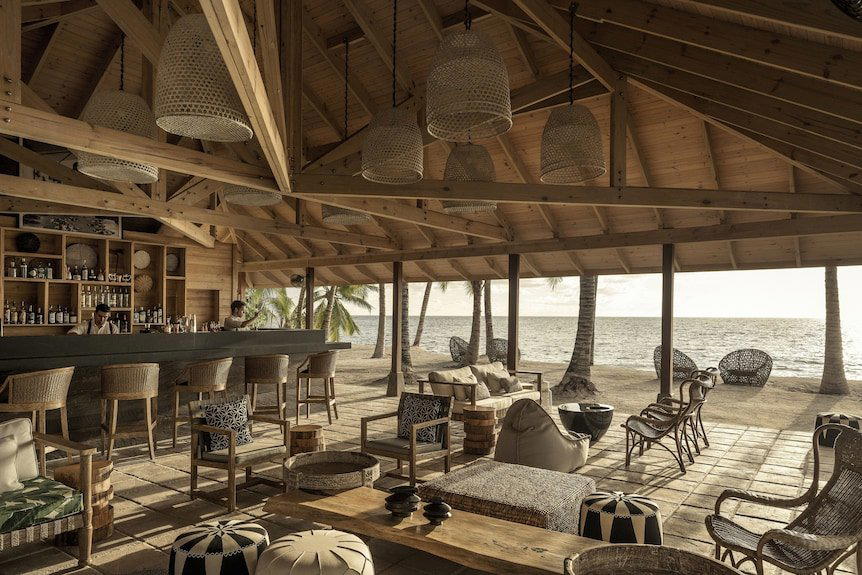
Hotels in Desroches Island
All hotels in Desroches Island →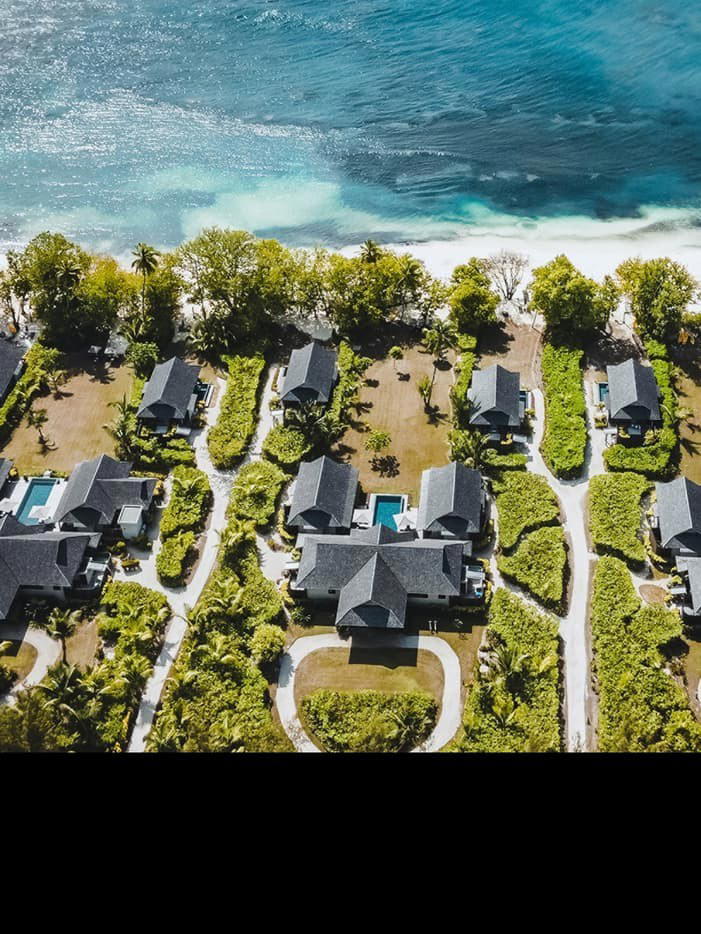
Claudine
The wine
- Extensive wine list
- Craft cocktails
- Zero-proof drinks
Details
- Scenic
- Elegant
- Romantic
- Modern
- Cozy
- Date Night
- Family
- Celebration
- Group Dining
- Special Occasion
- Casual Hangout
- Waterfront
- Terrace
- Panoramic View
- Hotel Restaurant
- Design Destination
- Extensive Wine List
- Craft Cocktails
- Zero Proof
- Local Sourcing
- Sustainable Seafood
- Waterfront
- Garden
- A La Carte
- Buffet
- Wine
- Cocktails
- Beer
- Vegetarian Friendly
- Gluten Free Options
- Pescatarian Friendly
Current opening hours
- Monday
- 7–10:30 AM, 12–3 PM, 6:30–10:30 PM
- Tuesday
- 7–10:30 AM, 12–3 PM, 6:30–10:30 PM
- Wednesday
- 7–10:30 AM, 12–3 PM
- Thursday
- 7–10:30 AM, 12–3 PM, 6:30–10:30 PM
- Friday
- 7–10:30 AM, 12–3 PM, 6:30–10:30 PM
- Saturday
- 7–10:30 AM, 12–3 PM, 6:30–10:30 PM
- Sunday
- 7–10:30 AM, 12–3 PM, 6:30–10:30 PM
Hours can change for holidays and private events. Hours as of .
Relaxed yet refined open-air, poolside setting with natural light by day, softer lighting in the evening, and a breezy beachfront atmosphere suited to couples, families, and resort guests.