Chinook Room
Our verdict
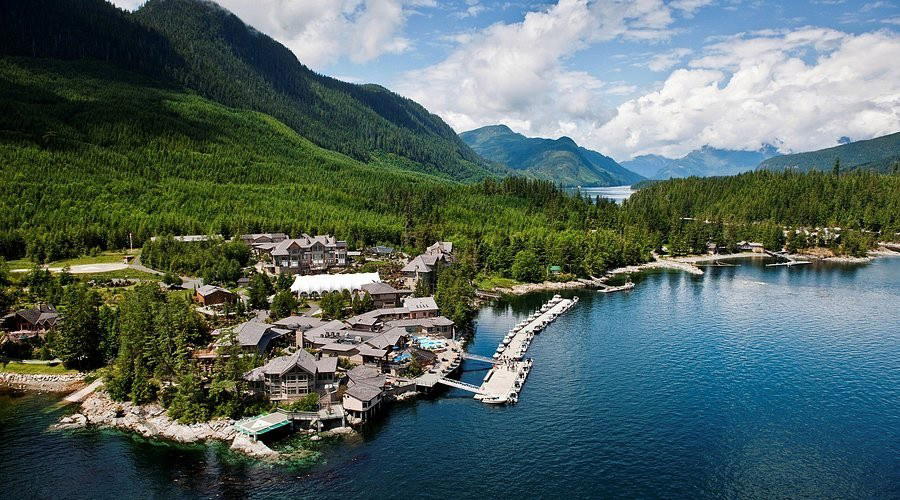
Chinook Room belongs to the remote-resort dining tradition of British Columbia’s coast, where the setting shapes the meal as much as the kitchen does. On Sonora Island, the point is not urban spectacle but proximity: tidal water, forest, and the ingredient logic of a region built around seafood, seasonal produce, and lodge hospitality.

Pearl is the En Primeur Club membership app — saves, bookings, and concierge access live there. Same editors, same standards.
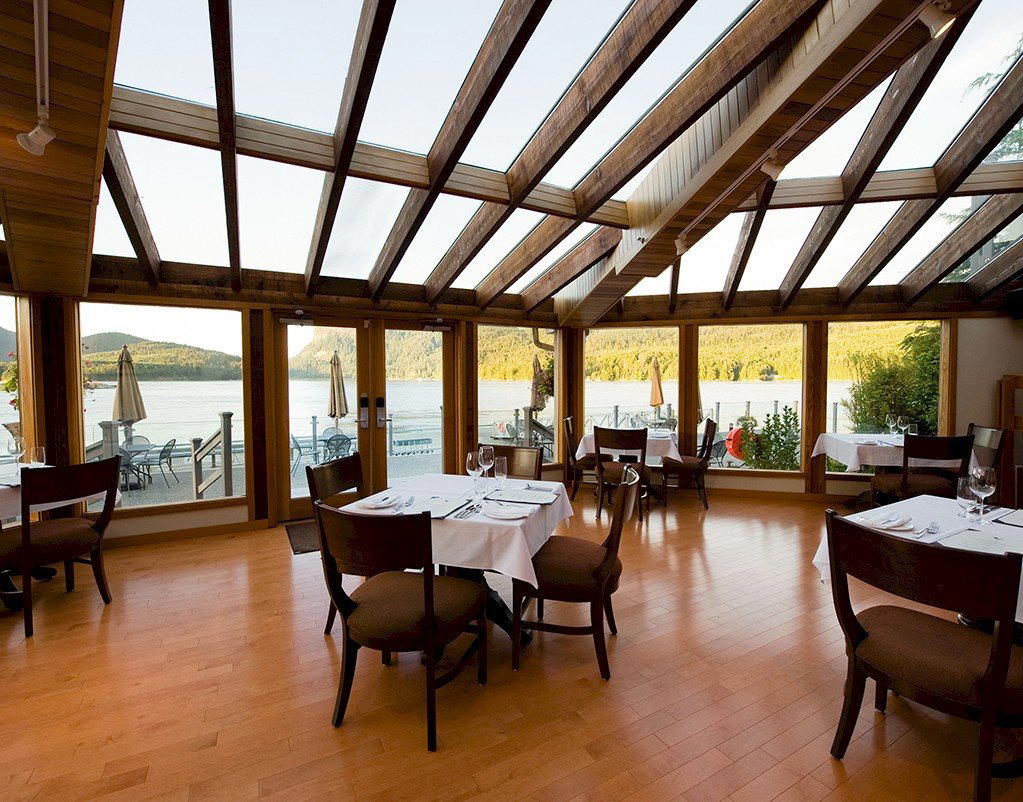
Approaching a dining room on Sonora Island means entering a different Canadian restaurant rhythm. The city grid drops away; the coast becomes the organizing force. Water, forest, weather, and transfer logistics all matter here, and a meal reads through that isolation before a menu is even considered. Chinook Room sits within that island context, which gives the experience a more contained feeling than a conventional city restaurant.
Coastal dining in British Columbia is often strongest when it resists importing a big-city template. The region’s natural advantage is not theatrical plating or encyclopedic luxury signaling; it is a sense of place. Seasonal ingredients, regional suppliers, and the wider coast give kitchens a vocabulary that does not need much translation. On Sonora Island, that sourcing question carries extra weight because the remoteness makes every choice more deliberate.
Remote coastal dining is defined by supply, season, and restraint
Island restaurants operate under a different set of pressures from Vancouver, Toronto, or Montréal dining rooms. A downtown kitchen can change suppliers quickly, chase trend ingredients, and rely on walk-in volume. A remote coastal room has to think in tighter loops: what can travel well, what is worth bringing in, what belongs to the surrounding setting, and what the guest expects after making the journey. That is why the stronger version of this format tends to favor clarity over excess.
The useful comparison on Sonora Island is not with high-turnover city restaurants but with dining rooms that treat place as infrastructure. Sonora Resort frames the broader hospitality ecosystem, while Tyee Dining Room gives another reference point for how island service can move between lodge comfort and polished destination dining. Chinook Room belongs in that conversation because its strongest editorial case is location-specific: a coastal room where the setting naturally pushes the experience toward regional logic.
That matters because Canada’s premium dining culture is often discussed through metropolitan markers: tasting-menu ambition, chef visibility, cellar depth, imported luxury products. Sonora Island asks a cleaner question. Does the restaurant understand where it is? For a coastal room, the answer should show up in the hierarchy of the meal, with the surrounding setting and seasonal British Columbia context carrying more authority than decorative global references. The room’s value is strongest when it behaves like part of the island rather than a restaurant transplanted onto it.
How it fits the Sonora Island circuit
Sonora Island is a narrow dining market, so distinctions between rooms matter. Some meals function as anchors, some as casual interludes, and some as quieter spaces within the same hospitality orbit. Chinook Room’s appeal sits in that latter category: less about public-room theatre, more about a sheltered coastal setting. For travelers comparing island options, that difference is practical as well as atmospheric.
The broader guide structure helps clarify the decision. Start with our full Sonora Island restaurants guide for the dining map, then use our full Sonora Island hotels guide to understand how lodging shapes meal access. The surrounding categories also matter on an island itinerary: our full Sonora Island bars guide, our full Sonora Island wineries guide, and our full Sonora Island experiences guide show how dining, drinking, and activities connect in a place where timing is rarely casual.
Against larger Canadian dining cities, the contrast is sharp. Urban dining rooms, sustainability-minded hotel restaurants, and mountain-resort restaurants each operate in markets with clearer foot traffic and broader dining choice. Sonora Island is different. Here, the restaurant is part of the travel architecture, not an isolated reservation.
That does not make the meal less serious. It changes the criteria. In larger destinations, restaurants can trade on familiar formats, dense neighborhoods, and local demand. A Sonora Island room answers first to destination rhythm: arrival, weather, season, and the expectation that the coast should be present in the experience.
Who should choose this room
Chinook Room makes sense for travelers who want the quieter side of island dining rather than a city-style scene. The editorial argument is strongest for guests who value sense of place, coastal setting, and the discipline required by island logistics. It is less compelling for diners seeking chef-led theatre or a large public restaurant atmosphere.
The smarter way to plan is to treat the meal as part of the island stay, not as a standalone detour. Remote coastal dining rewards coordination: meals, transfers, weather, and local programming sit close together. For a wider North American contrast, dense urban markets show how specialization works when choice is abundant. Sonora Island offers the opposite proposition: fewer rooms, more dependence on place, and a stronger link between the meal and the geography around it.
Frequently asked questions
Is Chinook Room a family-friendly restaurant?
Chinook Room is in Sonora Island. Its quieter island context may suit families looking for a calmer meal, though guests should confirm current access and policies when planning.
What kind of setting is Chinook Room?
Chinook Room is a coastal dining room in Sonora Island, with a more contained feel than a street-facing city restaurant.
What part of town is Chinook Room in?
Sonora Island.
Should I book Chinook Room in advance?
Advance planning is sensible for Sonora Island dining, where options are limited compared with larger Canadian cities. The island setting also means timing, transfers, and schedules can matter.
Comparison Snapshot
Comparable venues by cuisine and price in the same metro.
| Venue | Cuisine | Price | Awards | Notes |
|---|---|---|---|---|
| Chinook RoomThis venue — the venue you are viewing | Upscale Resort Dining | Not listed | Not listed | Not listed |
| Tyee Dining Room | Seafood Fine Dining | Not listed | Relais Chateaux Award | Not listed |
| Sonora Resort | Pacific Northwest Seasonal Fine Dining | $200–300 | Relais Chateaux Award | Canadian Coastal |
| The Pointe Restaurant | Canadian Seafood | Not listed | Not listed | Not listed |
Continue exploring
More in Sonora Island
Restaurants in Sonora Island
All restaurants in Sonora Island →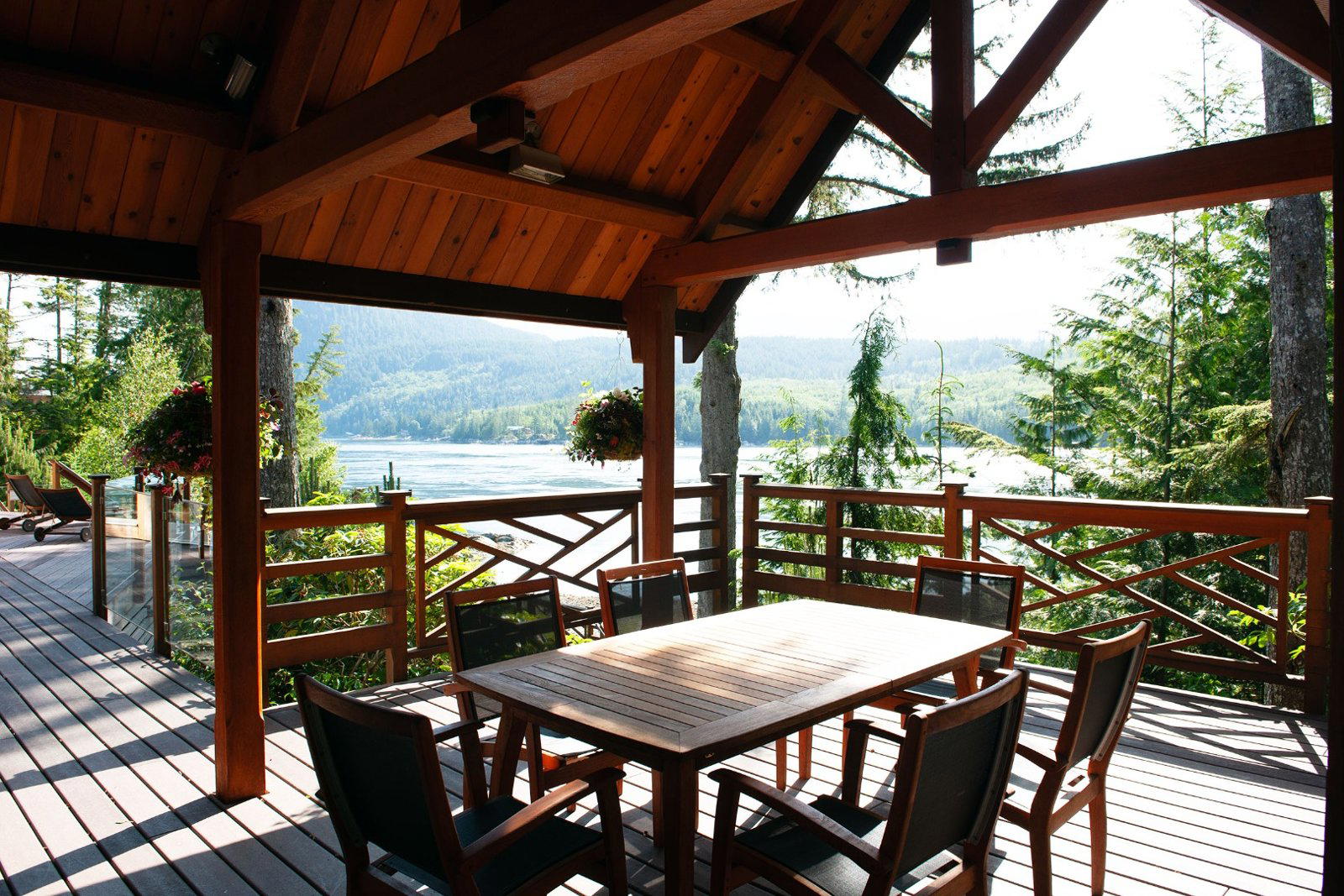
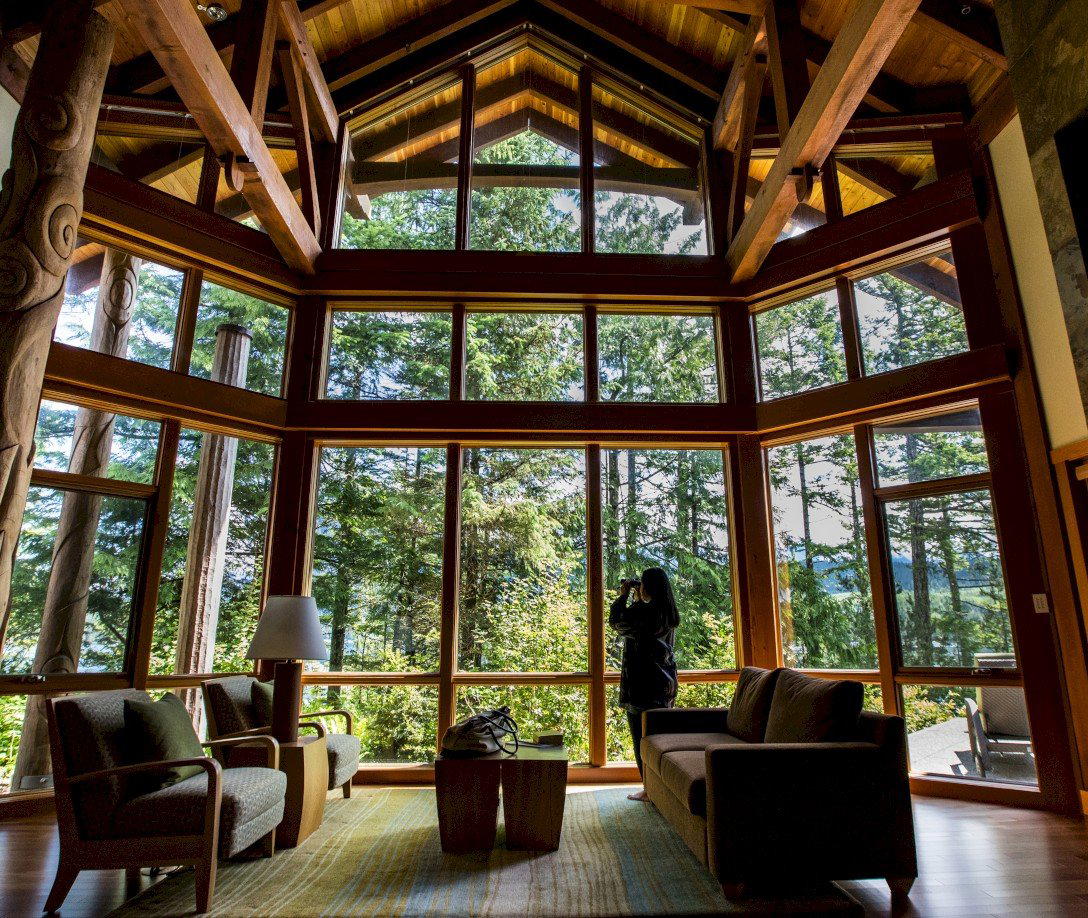
Bars in Sonora Island
Browse all →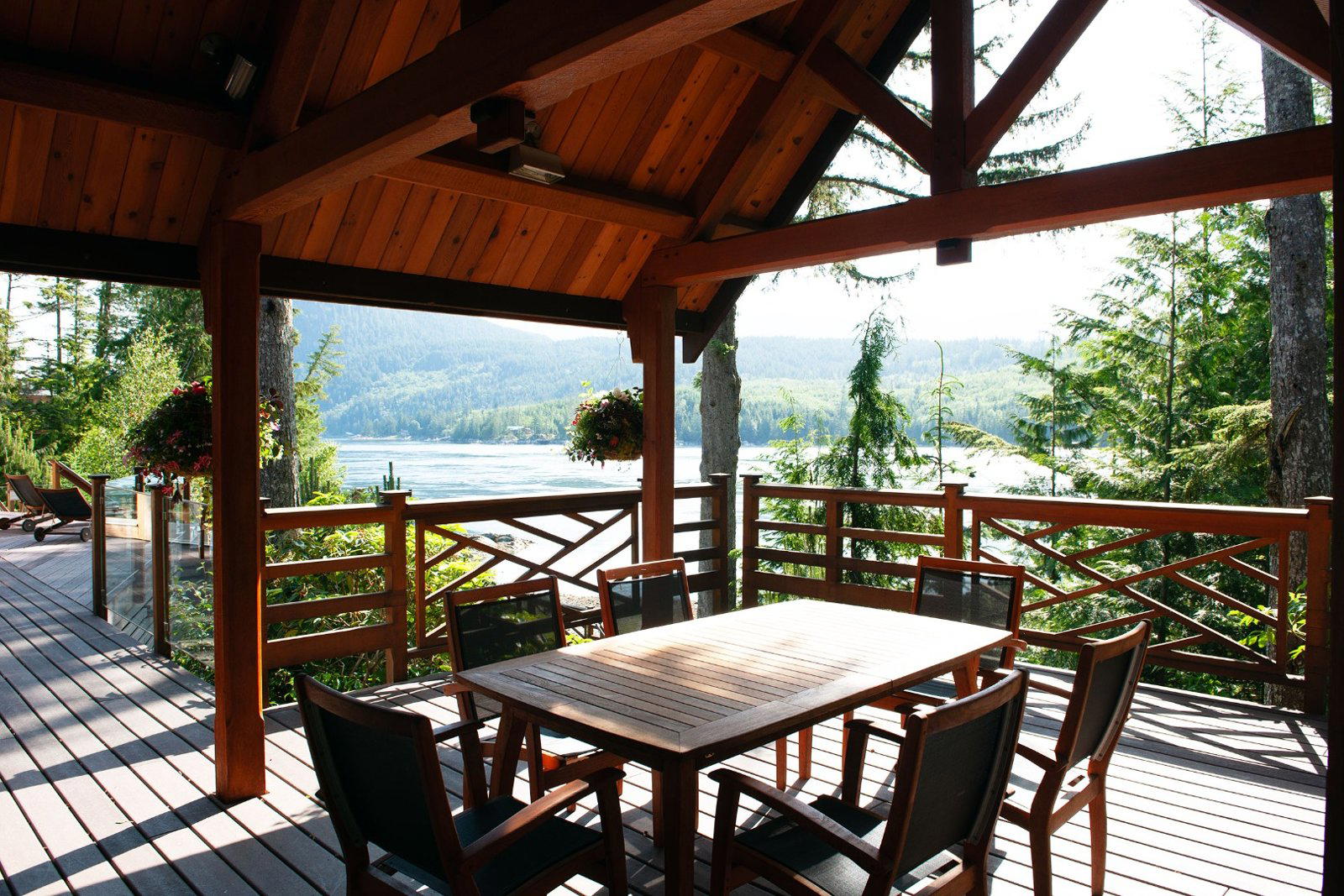

Chinook Room
The wine
- Wine program
- Curated wine list
- Extensive wine list
Details
- Elegant
- Intimate
- Scenic
- Sophisticated
- Date Night
- Special Occasion
- Business Dinner
- Group Dining
- Family
- Private Event
- Waterfront
- Panoramic View
- Hotel Restaurant
- Private Dining
- Extensive Wine List
- Local Sourcing
- Sustainable Seafood
- Waterfront
- Mountain
- A La Carte
- Wine
Refined and intimate with polished service, soft lighting, and expansive views over the surrounding coastal wilderness, matching the overall luxurious yet relaxed atmosphere of Sonora Resort.