Cheyenne Club

Wine Spectator Best of Award of Excellence
Our verdict
Cheyenne Club belongs to the ranch-dining side of Saratoga, Wyoming: a place where the meal is inseparable from open country, lodge rhythms, and the practical logic of feeding guests close to the land. With no public awards or chef-led tasting-menu signals attached, its appeal is less about urban fine-dining theatre and more about sourcing, setting, and the slower tempo of a high-country resort table.

Pearl is the En Primeur Club membership app, where members save venues, book tables and use the concierge.
The menu
What to order
- Wagyu New York Strip with whipped potatoes, red wine jus, greenhouse vegetables
- Parsnip tortellini
- Beef carpaccio
- Lobster salad
- Surf & turf steak bouchon
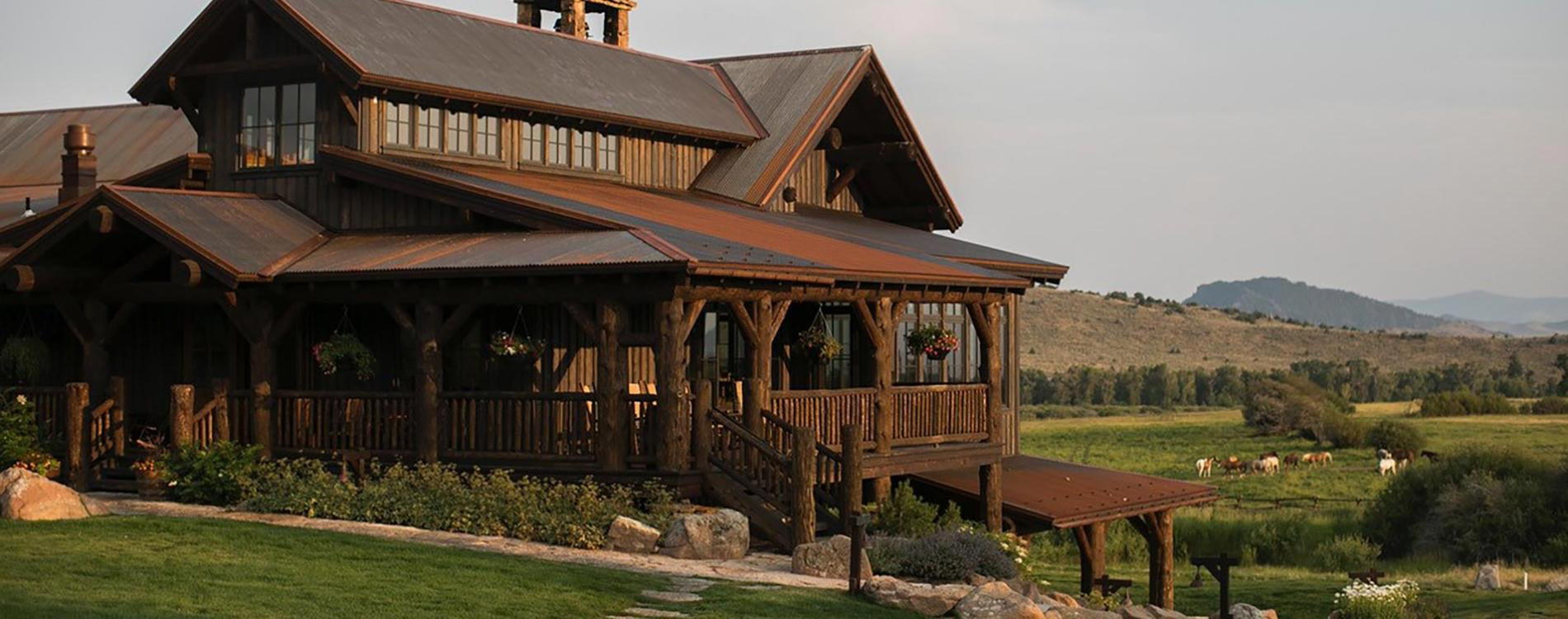
The approach to dining around Saratoga is not defined by neon, foot traffic, or late-night bar energy. It begins with distance: open country, ranch roads, weather moving quickly across the high country, and the sense that dinner can be part of a larger stay rather than a standalone urban appointment. Cheyenne Club sits in that Saratoga ranch-dining context, where the room, the setting, and the rhythm of hospitality matter as much as the plate.
This is the useful lens for reading the experience. Saratoga has a small dining field, and its premium end is shaped less by chef-name culture than by hospitality format: destination properties, stay-oriented service, seasonal operations, and menus that need to serve travelers who have built the day around the area. In that environment, a sense of place is not just a decorative talking point. It is the difference between a meal that feels generic and one that belongs to Saratoga.
Ranch dining works when the kitchen respects the country around it
Wyoming dining rooms are often judged by a different standard than coastal tasting-menu restaurants. The expectation is not a procession of technical signatures; it is whether the room can translate place into dinner without turning the West into costume. Seasonal and regional cues may shape the broader vocabulary, though specific dishes should be read from the current menu rather than assumed in advance.
Cheyenne Club is part of that more grounded category. The Saratoga setting gives it a natural advantage: a ranch-dining context makes the conversation about place feel less forced than it can in city dining rooms that borrow rural language for atmosphere. The stronger version of this format keeps the setting visible but not theatrical, treating the ranch identity as the frame rather than as stage dressing.
That distinction matters in Saratoga because the town’s restaurant map is compact. A guest comparing Cheyenne Club with Creekside Camp, other Saratoga dining rooms, or other nearby restaurant options is not choosing among interchangeable rooms. The decision is between town dining and ranch dining, between a meal that anchors an evening out and one that folds into a wider Saratoga itinerary.
The Saratoga comparison is about format, not hype
Public recognition is not the only lens for reading Cheyenne Club, and that is not unusual for this part of Wyoming. Rural luxury dining in the American West often operates outside the awards circuits that shape larger dining markets. The trust signal here is instead contextual: a dedicated ranch-dining setting in a market where hospitality, lodging, and food are closely linked.
That makes comparisons more useful when they are local and format-led. Creekside Camp points to the same broader ranch-resort ecosystem, while U-Line Garden and Pioneer Kitchen sit in Saratoga’s wider orbit of property-based dining. Out-of-metro references such as Vista Verde Main Dining and Latigo Ranch Dining Room help frame the category: lodge and ranch kitchens that need to deliver consistency across a full stay, not just one photographed dinner service.
For travelers building a Saratoga itinerary, the decision matrix should start with mood. Those seeking a polished city-style restaurant sequence may find the region’s dining scene quieter than expected. Those who care about where a meal sits in the day, after time outside or a long drive across the area, will understand why the ranch table carries weight here. The meal is part of the geography.
How to place it in a wider food itinerary
Cheyenne Club makes the most editorial sense as the anchor for a ranch-based stay rather than as a quick detour. Saratoga’s scale rewards planning by category: restaurants for dinner, hotels for the base, bars for the late drink, wineries and experiences for the broader trip architecture., and Our full Saratoga experiences guide.
Travelers can also read it against a broader American pattern: regional restaurants increasingly gain authority by narrowing the distance between dining room and place. That thread runs differently in coastal, island, and city settings, where the strongest rooms are often defined by a clear relationship between service style and local rhythm. More formal or specialized formats show another version of discipline, with consistency built through repetition and restraint. Saratoga’s version is quieter, more land-bound, and better understood through ranch hospitality than restaurant spectacle.
Frequently asked questions
Is Cheyenne Club child-friendly?
The Saratoga setting points to a ranch-resort style of hospitality, which can suit families as well as overnight guests. In Saratoga, that makes Cheyenne Club feel broader than a formal downtown dining room.
How would you describe the vibe at Cheyenne Club?
It reads as ranch-lodge dining in Saratoga, with a pace shaped by the wider setting. Expect a stay-oriented room rather than an urban restaurant scene.
What part of town is Cheyenne Club in?
Saratoga.
Do they take walk-ins at Cheyenne Club?
A ranch property in Saratoga is the sort of setting that usually rewards planning ahead rather than dropping in. In a small market like Saratoga, that is the practical way to approach Cheyenne Club.
What's Cheyenne Club best at?
Cheyenne Club is strongest as a ranch-style dining room, where the Saratoga setting does much of the work. Its appeal is tied to the place and the wider stay, not to chef-led credentials or hype.
Is Cheyenne Club allergy-friendly?
Allergy handling is best approached in advance at a ranch property like Cheyenne Club. For dietary needs, the Saratoga location suggests a place where planning matters.
In Context: Similar Options
Comparable venues by cuisine and price in the same metro.
| Venue | Cuisine | Price | Awards |
|---|---|---|---|
| Cheyenne ClubThis venue (the venue you are viewing) | Seed-to-table Western fine dining with ranch-raised Wagyu | $150–200 | Wine Spectator Best of Award of Excellence |
| Creekside Camp | Upscale ranch-style American creekside dinners | Not listed | Not listed |
| Pioneer Kitchen | Farm-to-Table American | Not listed | Not listed |
Recognition history
Dated appearances from independent guides and award organizations, with the underlying list record or original source where available.
Wine Spectator Best of Award of Excellence
Wine Spectator
Continue exploring
More in Saratoga
Cheyenne Club
The wine
Cheyenne Club holds the Wine Spectator Best of Award of Excellence, which Wine Spectator gives to lists of usually 350 or more selections.
- Wine program
- Deep wine list
- Wine Spectator
- Wine Spectator Best of Award of Excellence
- Extensive wine list
- Sommelier-led
- Craft cocktails
Details
- Elegant
- Rustic
- Sophisticated
- Well Known
- Romantic
- Special Occasion
- Date Night
- Business Dinner
- Celebration
- Group Dining
- Private Event
- Wine Cellar
- Design Destination
- Hotel Restaurant
- Private Dining
- Extensive Wine List
- Sommelier Led
- Craft Cocktails
- Farm To Table
- Local Sourcing
- Sustainable Seafood
- Organic
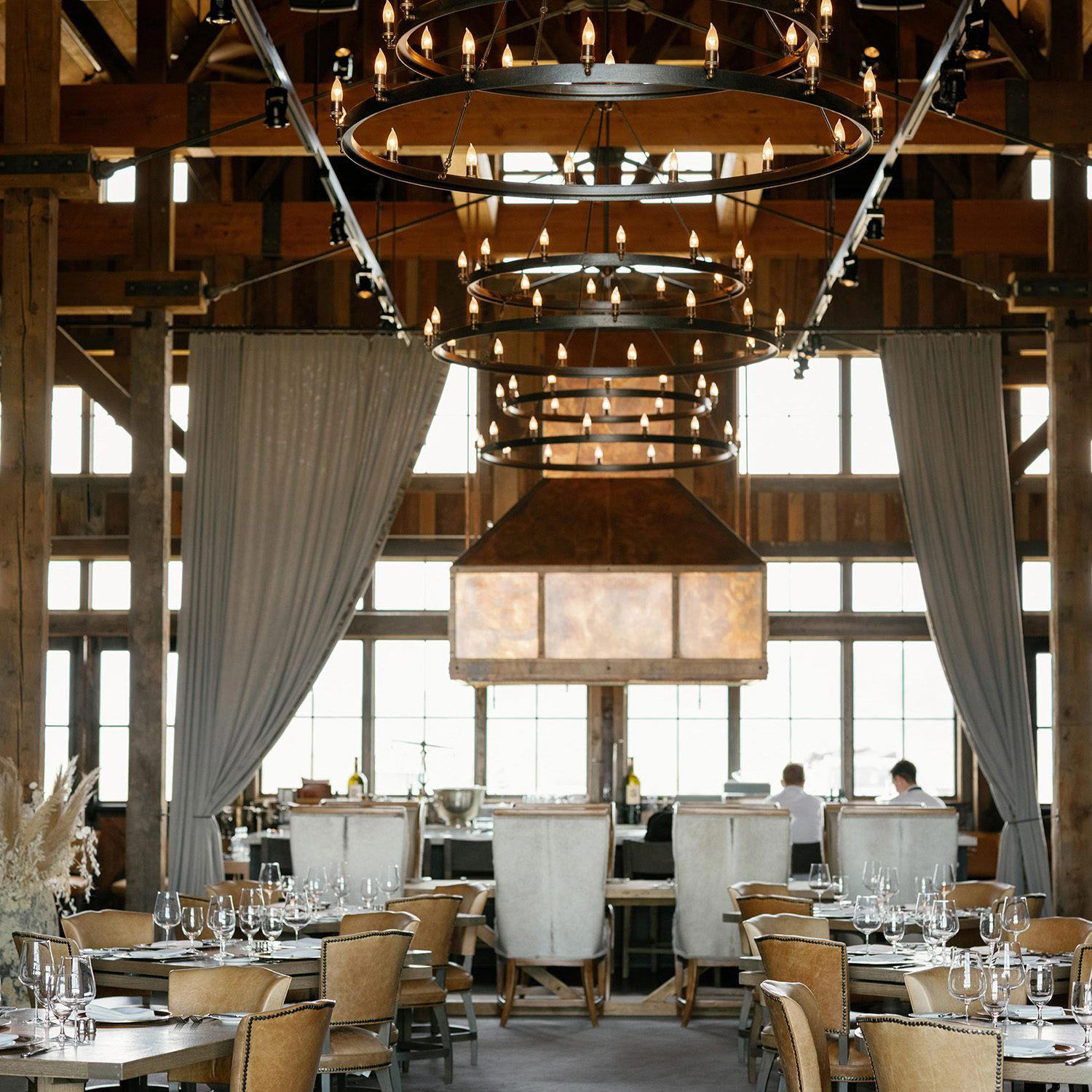
A fusion of rustic Western elegance and modern design, with a serene, sophisticated atmosphere suited to leisurely multi-course dinners and special occasions.