Our verdict
Casuarina Café fits the quieter end of Al Ruwais dining: lagoon-side, informal, and better read through local rhythms than destination-restaurant theatre. Its appeal sits in the way cafés function in Qatar’s northern towns, where coffee, family meals, and waterside pauses matter as much as formal cuisine categories.

Pearl is the En Primeur Club membership app, where members save venues, book tables and use the concierge.
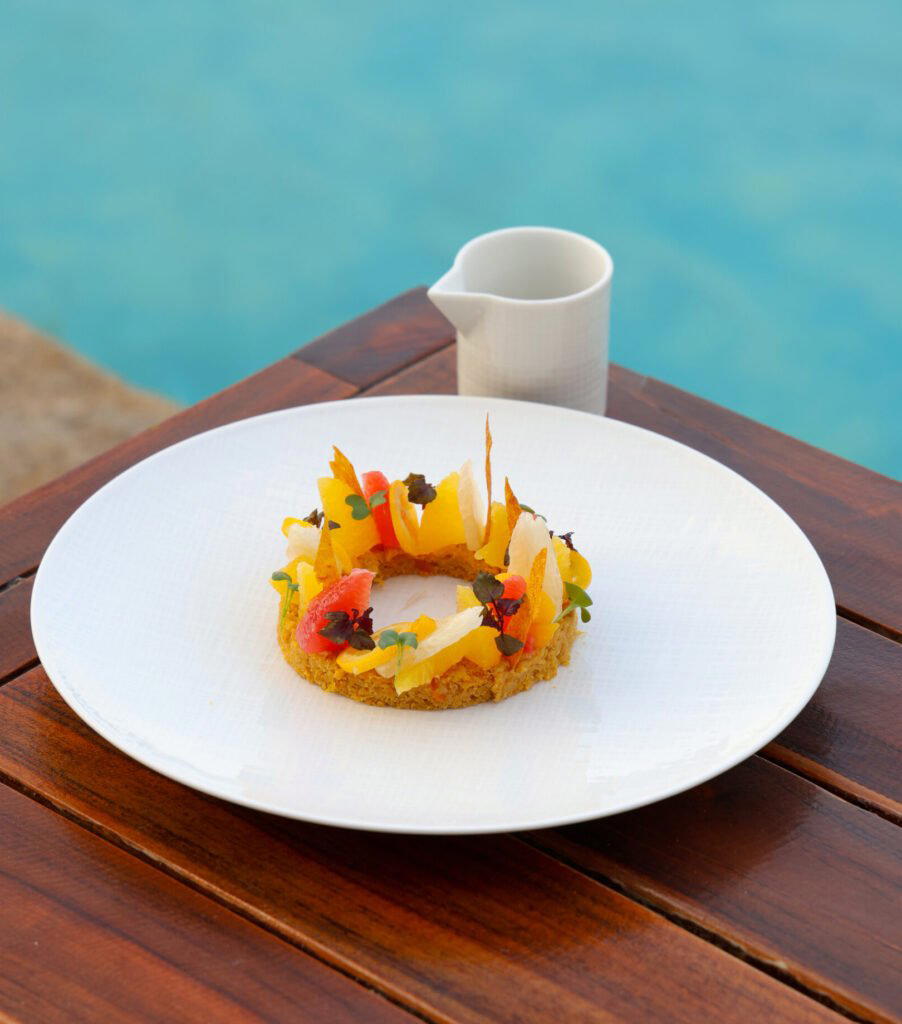
The menu
What to order
- Healthy snacks
- Herbal teas
- Smoothies
- Fresh juice
- Dairy-free pastries
- Gluten-free pastries
Approaching the lagoon side of Al Ruwais, the dining mood changes from Doha’s hotel-driven polish to something more local and practical: water, low-rise streets, and cafés that work as everyday meeting points rather than culinary stages. Casuarina Café belongs to that register. The interest here is not a chef-led tasting format or an awards circuit narrative; it is the role of the casual café in a northern Qatari town, where food and drink sit close to family routines, coastal air, and the slower pace of a settlement built away from the capital’s restaurant corridors.
Lagoon-side café culture in a town built away from Doha's dining circuit
Al Ruwais occupies a different dining geography from Doha, Lusail, or Msheireb. The capital concentrates luxury hotels, imported restaurant groups, and branded dining rooms; the northern coast works at a smaller scale, with cafés and restaurants serving residents, weekend drivers, and travelers moving through the peninsula. That difference matters. A café here is judged less by spectacle than by usefulness: Can it absorb families, casual meetings, a coffee stop, or a meal after time near the water?
Casuarina Café is best understood within that civic pattern. Its lagoon-side position gives it a natural advantage in a town where the setting carries part of the experience. In Qatar, waterside dining often signals hotel terraces and high-spend seafood rooms; in Al Ruwais, the lagoon setting reads more modestly, closer to a neighborhood pause point than a formal destination. That makes the café format particularly apt. It does not need to compete with capital-city dining rooms on tasting-menu ambition; it competes on ease, setting, and how comfortably it fits the day.
The local comparison set is compact. Acacia Dining, Aizoon Restaurant, Al Sidr Restaurant, and Malbu help define the Al Ruwais restaurant map, but the town is not built around the density or specialization found farther south. For readers comparing options, our full Al Ruwais restaurants guide gives the wider picture; the related Al Ruwais hotels guide, Al Ruwais bars guide, Al Ruwais wineries guide, and Al Ruwais experiences guide are better used for trip planning than for expecting the hospitality infrastructure of Doha.
Ingredient sourcing matters more when the format is casual
In a café setting, sourcing is less about rare ingredients and more about supply logic. Qatar’s food system is shaped by desert agriculture, controlled-environment growing, dairy production, fishing traditions, and heavy reliance on imports for many staples. That mix affects cafés differently from luxury dining rooms. A high-end hotel restaurant can build a narrative around specific producers or premium imports; a town café usually has to balance availability, consistency, and price sensitivity while serving a broad audience.
That is why the northern context is important. Al Ruwais sits closer to coastal life than to the capital’s restaurant cluster, and the expectation for a café near the lagoon is likely to be practical rather than ceremonious: hot drinks, accessible food, flexible pacing, and a room that can carry several kinds of visit. Without a named cuisine category or published signature dishes, the editorial read should stay disciplined. The useful point is not to invent a menu personality, but to recognize the format: casual cafés in Qatar often act as social infrastructure, and their success depends on reliability more than culinary authorship.
For travelers building a broader Qatar dining itinerary, contrast helps. Doha terraces and suburban dining rooms belong to a capital-city hospitality circuit, while Lusail and other addresses sit inside denser dining markets. Branded or cuisine-led concepts elsewhere in the country can read differently depending on their setting and audience. Casuarina Café is not competing on that axis. Its value is location, informality, and its place in a town where the dining scene is thinner and therefore more dependent on all-day, multi-use venues.
How to use it in an Al Ruwais itinerary
Casuarina Café makes the most sense as part of a northern Qatar day rather than as a standalone dining pilgrimage. The smarter itinerary treats it as a lagoon-side pause: a place to break up time in Al Ruwais, meet locally, or add a casual meal around coastal sightseeing. That is a different reader decision from choosing a destination restaurant in Doha, and expectations should follow the category. Look for convenience and setting before ceremony.
The absence of a public awards profile also clarifies the comparison. This is not a room being measured against Michelin-listed dining, chef-led counters, or tasting-menu restaurants. It belongs to the everyday café tier, where the trust signal is contextual: a fixed presence in Al Ruwais and a format aligned with local use. Readers seeking more formal restaurant architecture should compare the town’s other options first, then decide whether the trip calls for a casual café or a planned meal.
For a wider editorial frame beyond Qatar, the contrast with specialist venues elsewhere is instructive. Sake-focused rooms, compact snack formats, beef-led dining rooms, and tightly focused city restaurants all signal a different kind of dining decision, built around specialization. Casuarina Café sits at the opposite end of that spectrum: less about a narrow culinary proposition, more about how a café serves place, routine, and the practical needs of Al Ruwais.
Frequently asked questions
Is Casuarina Café okay with children?
Casuarina Café reads as a practical stop for families because it is a café in Al Ruwais. The setting suggests an informal daytime visit rather than a formal dining room.
How would you describe the vibe at Casuarina Café?
The vibe is casual and local, shaped by its lagoon-side context in Al Ruwais rather than by any hotel-style dining room theatrics. It suits a relaxed stop on the northern Qatar side of town.
How do I find Casuarina Café?
Al Ruwais.
Do they take walk-ins at Casuarina Café?
Casuarina Café is listed as a café in Al Ruwais, which points to a format suited to casual visits. If timing matters, check directly before going rather than treating it as a reservation-first address.
Fast Comparison
Comparable venues by cuisine and price in the same metro.
| Venue | Cuisine | Price | Awards |
|---|---|---|---|
| Casuarina CaféThis venue (the venue you are viewing) | Wellness Café | Not listed | Not listed |
| Acacia Dining | Fine dining with Qatari-inspired international and Arabian cuisine | $50–100 | Not listed |
| Aizoon Restaurant | Mediterranean with Arabic Touch | $30–50 | Not listed |
| Al Sidr Restaurant | Health-focused Global Cuisine | Not listed | Not listed |
| Malbu | Mediterranean Seafood Grill | Not listed | Not listed |
| Lyra | Modern Mediterranean | Not listed | World's 50 Best #48 |
Continue exploring
More in Al Ruwais
Restaurants in Al Ruwais
All restaurants in Al Ruwais →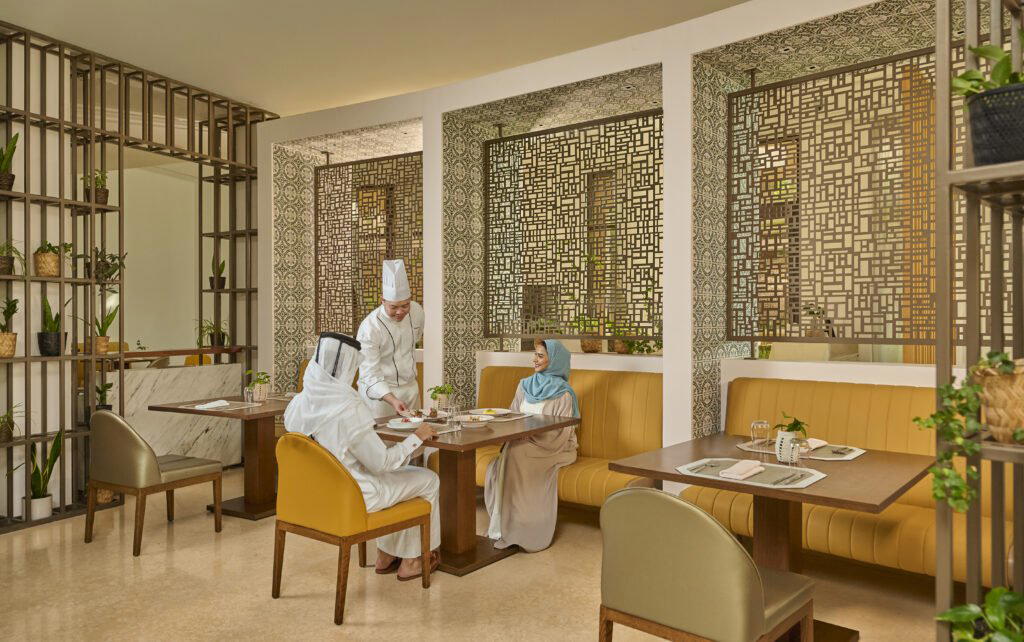
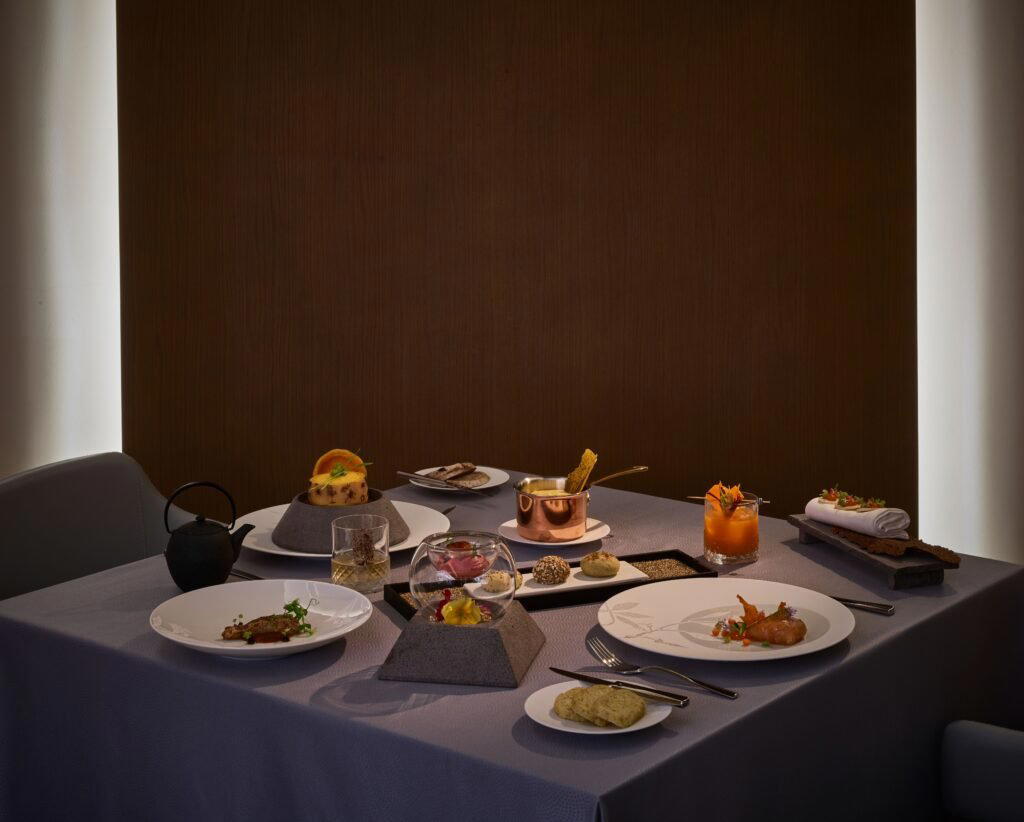
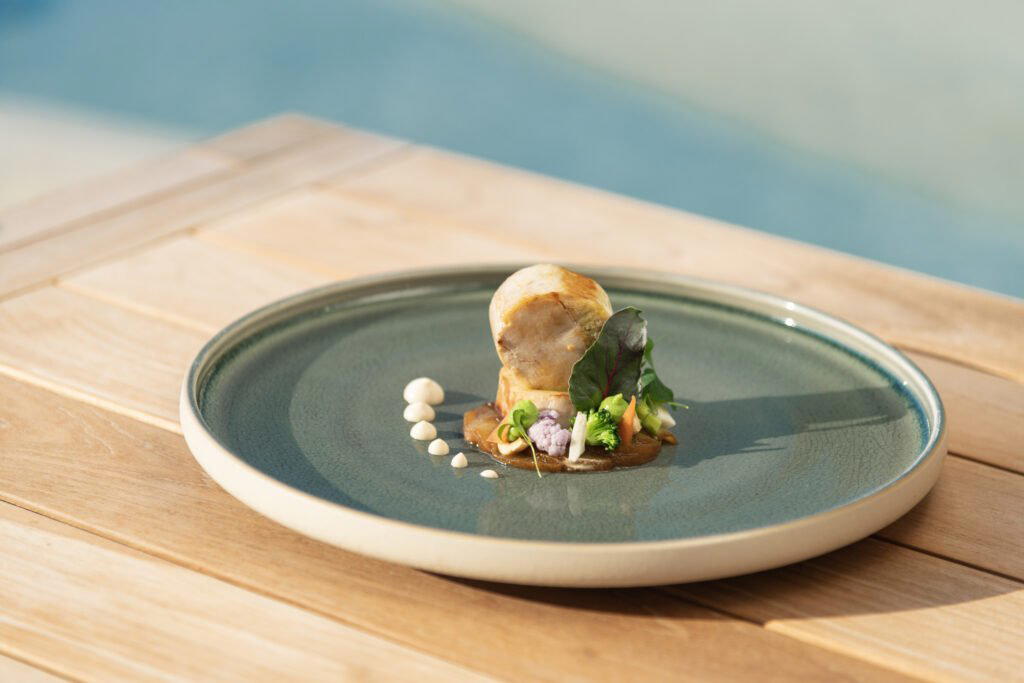
Hotels in Al Ruwais
All hotels in Al Ruwais →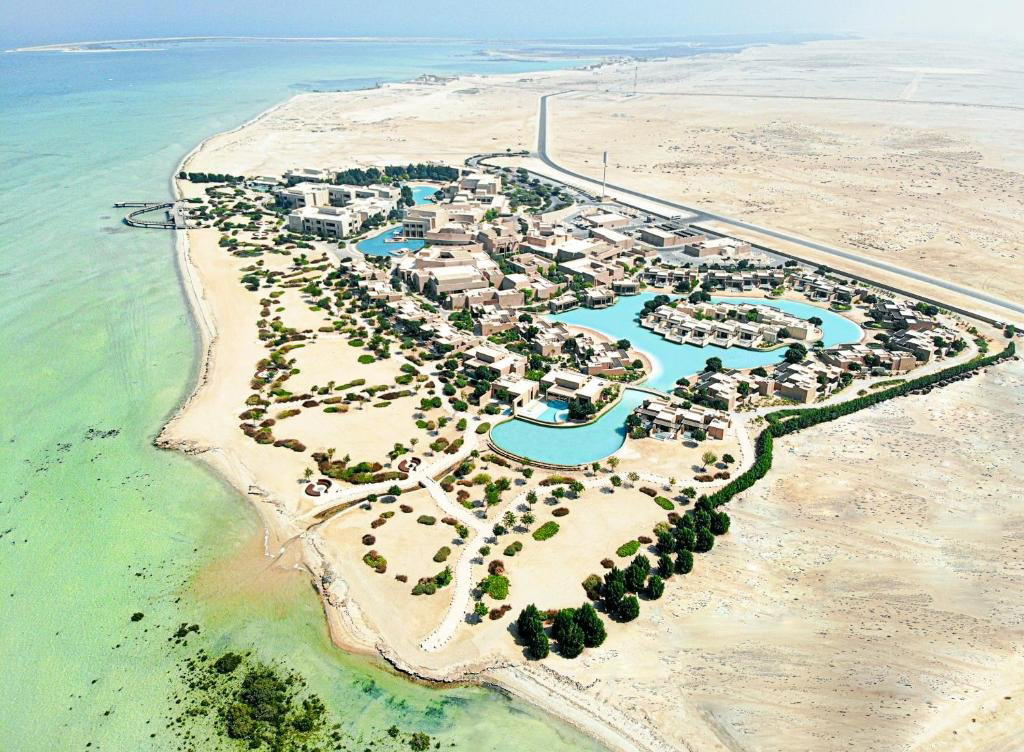
Details
- Quiet
- Scenic
- Cozy
- Modern
- Solo
- Casual Hangout
- After Work
- Waterfront
- Standalone
- Zero Proof
- Organic
- Local Sourcing
- Waterfront
- A La Carte
- Herbal Teas
- Fresh Juice
- Smoothies
- Zero Proof Drinks
- Vegetarian Friendly
- Vegan Options
- Gluten Free Options
Serene and relaxed, with a calm lagoon-side atmosphere suited to a wellness resort setting.