Baracca
Our verdict
Baracca fits Benguerra Island’s beach-dining grammar: informal, coastal, and shaped by proximity to the Bazaruto Archipelago’s fishing culture rather than by urban restaurant ceremony. The draw is the setting and the ingredient logic, with seafood and island produce carrying more weight than chef biography or award theatre.

Pearl is the En Primeur Club membership app, where members save venues, book tables and use the concierge.
The menu
What to order
- Fish Pastel
- Zambezi Chicken
- Mozambican Peri Peri Roasted Chicken
- Crunchy Baracca salad
- Kisawa Coconut
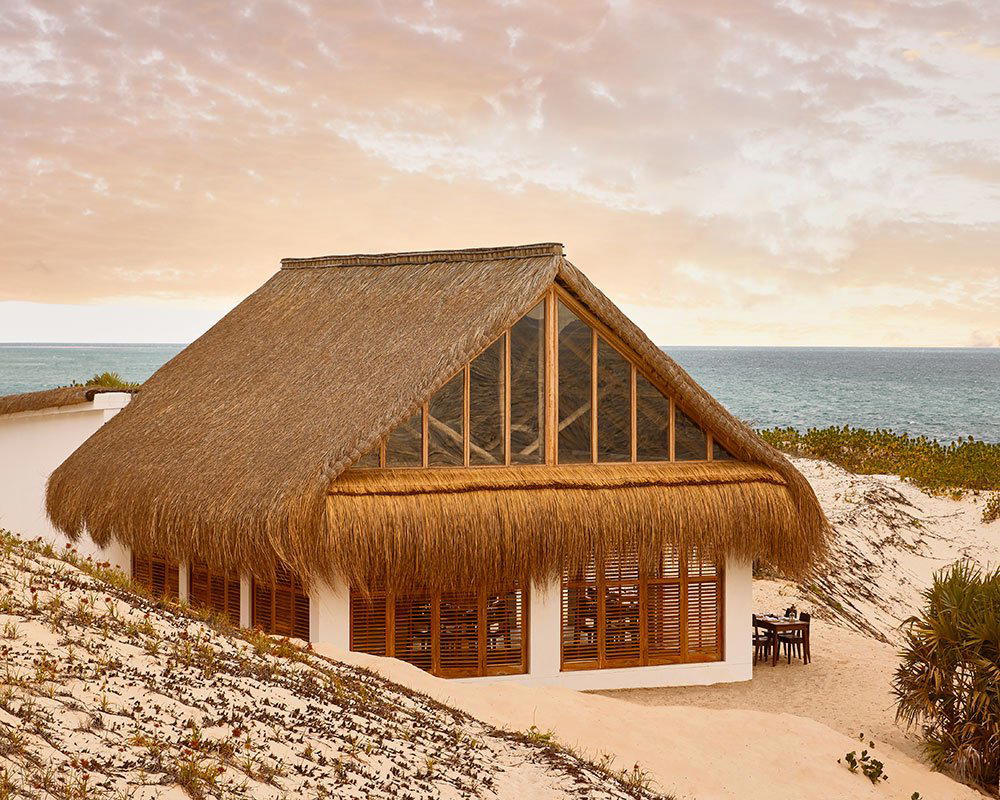
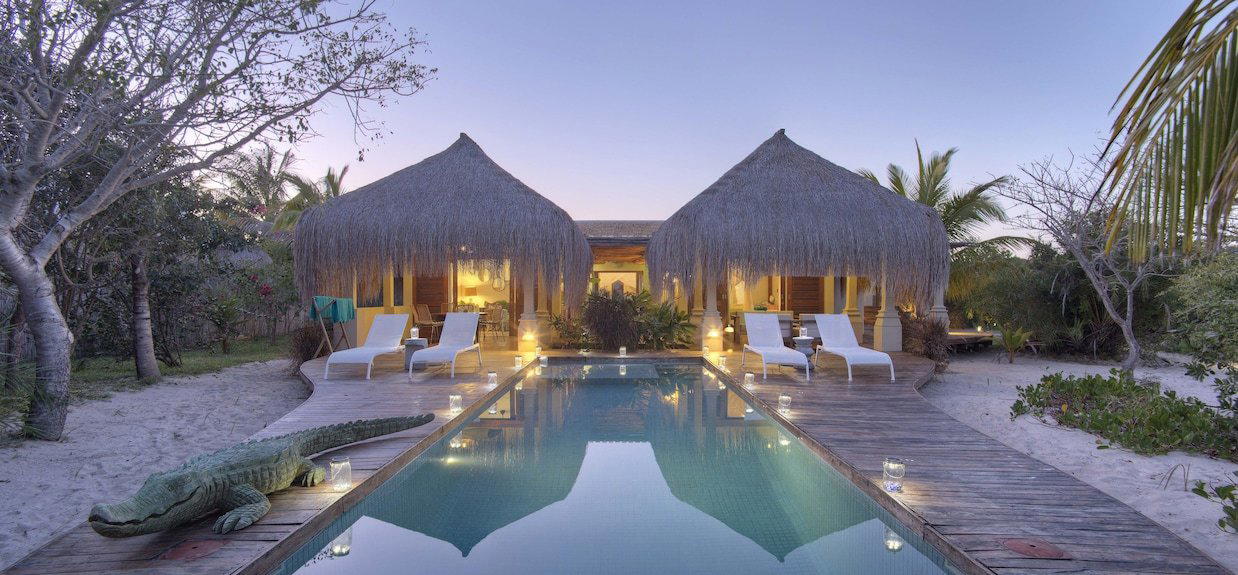
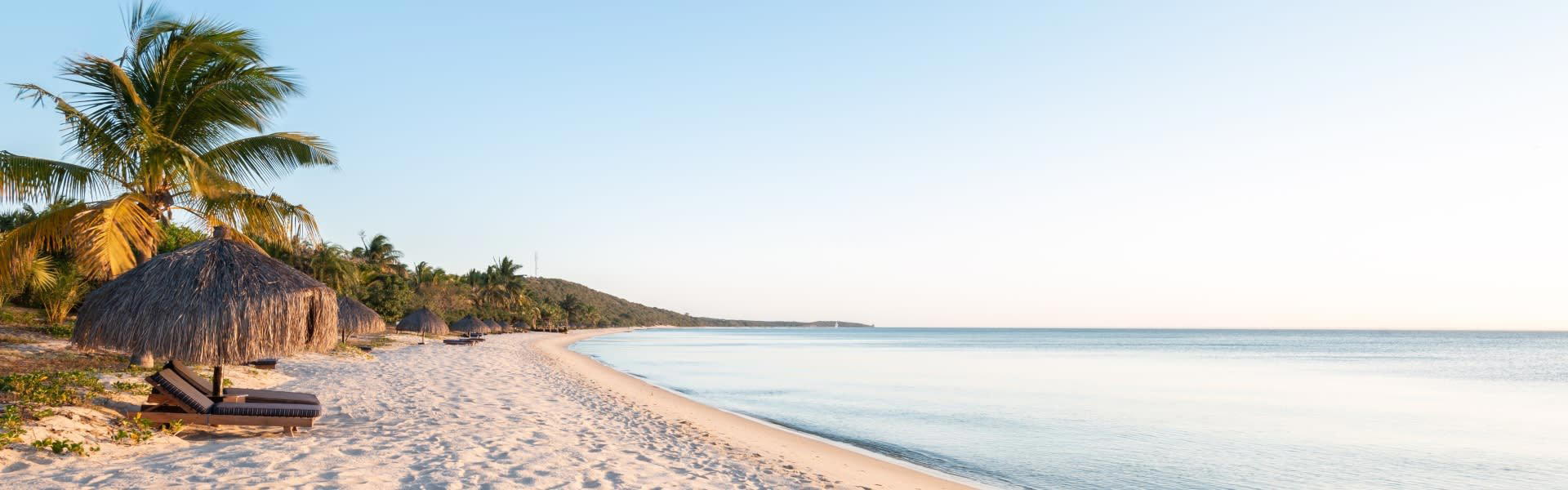
Approaching a beach restaurant on Benguerra Island is less about arrival choreography than exposure: pale sand, Indian Ocean glare, the sound of water close enough to set the pace of the meal. Baracca belongs to that low-slung island register, where the room is not separated from the coast so much as arranged around it. In this part of Mozambique, the strongest dining experiences tend to read the shoreline correctly: coastal produce handled with restraint, heat used for clarity rather than display, and service that understands guests have come for the archipelago, not for metropolitan dining theatre.
That matters because Benguerra sits inside a marine culture with a long relationship to fishing, tides, and simple cooking formats. The Bazaruto Archipelago does not need the heavy language often attached to resort restaurants; its strongest food argument is proximity. When a kitchen leans into the coast, the meal can feel anchored in place without needing elaborate technique. Baracca’s value is best understood through that lens: not as a room that needs external validation to explain itself, but as a beach-format restaurant where sourcing and setting do much of the editorial work.
Beach cooking on Benguerra is strongest when the sourcing stays visible
Mozambique’s coastal cooking has always been shaped by movement: Arab, Portuguese, Indian Ocean, and local traditions meeting around fish, coconut, cassava, rice, lime, chilli, and charcoal. On Benguerra Island, that history becomes more immediate because the sea is not a backdrop; it is the pantry that defines the meal. A restaurant in this position succeeds when it resists importing a generic resort vocabulary and instead lets the archipelago’s natural supply chain set the rhythm.
Baracca sits within that category. The editorial test here is not whether the cooking chases international fine-dining signals, but whether the format respects the island. Beach restaurants in remote resort settings often split in two directions: some overcomplicate the plate to justify the room rate around them, while others flatten local food into tourist shorthand. The stronger middle ground is more disciplined: grill, season, serve, and let the produce explain itself. That is the context in which Baracca makes sense.
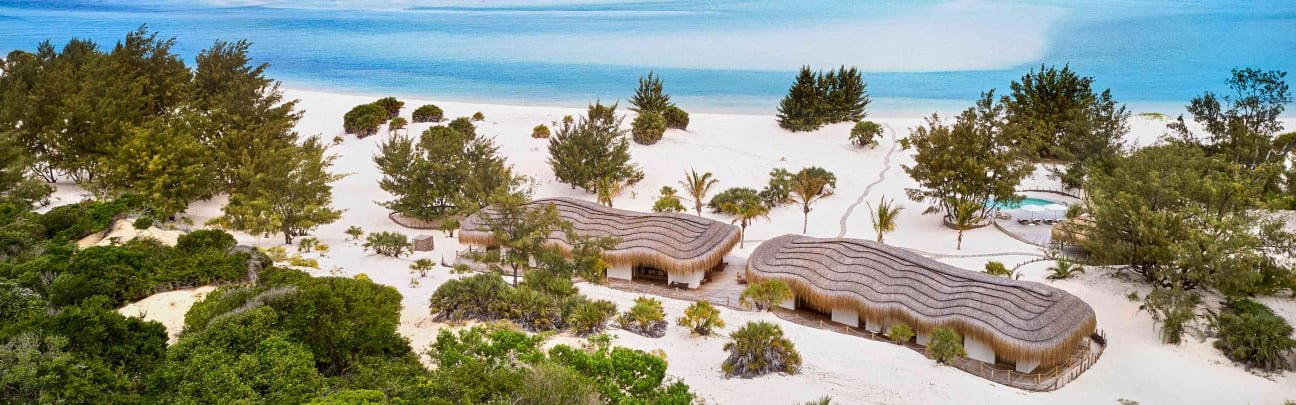
The comparison within Benguerra is useful. Garden Nursery, Pizza Tuk Tuk, and The Cove Mussassa point to a small island dining ecosystem where format matters as much as cuisine label: garden-led, casual, coastal, transportive, or beach-adjacent. Baracca belongs on the shoreline end of that spectrum. Readers mapping the island more broadly should treat Our full Benguerra Island restaurants guide as the primary context, then cross-check where meals fit around stays in Our full Benguerra Island hotels guide, drinks in Our full Benguerra Island bars guide, regional bottles in Our full Benguerra Island wineries guide, and non-restaurant planning in Our full Benguerra Island experiences guide.
The island's dining hierarchy is set by logistics, not awards
Benguerra Island dining is not built like Maputo, Cape Town, Lisbon, or Dubai. There is no dense grid of independent restaurants competing on critics’ lists, reservation systems, and tasting-menu escalation. Access, resort geography, weather, tide patterns, and supply lines shape the experience. That does not lower the standard; it changes the criteria. A beach restaurant here should be judged on whether it translates remoteness into clarity rather than inconvenience.
Baracca’s location on Benguerra Island places it in a format where atmosphere carries genuine weight. The soundscape, the distance from town traffic, and the absence of urban compression are part of the meal’s architecture. In cities, ambience can be manufactured with lighting and playlist discipline. On Benguerra, it comes from exposure to the elements, and that exposure rewards cooking that keeps pace with the setting. Heavy sauces, overworked plating, and imported luxury clichés would feel out of register. Direct coastal food reads better.
The wider Mozambique comparison sharpens the point. Other mainland or inland dining rooms sit in very different frames, where the dining decision may be shaped by traffic, neighbourhood choice, boat logistics, park travel, or lodge rhythm. Clube Naval belongs in that broader travel conversation, while Baracca is different because the shoreline is not a theme; it is the operating condition.
That distinction is useful for travellers who group restaurants by cuisine label alone. A grill on an island, a harbour-style restaurant, and an urban casual room may share broad categories of coastal produce, smoke, or relaxed service, but the meal’s meaning changes with geography. Benguerra’s restaurants operate inside a narrower, more place-dependent economy.
How to read Baracca against global casual formats
Baracca also belongs to a broader global shift in premium travel: casual formats are no longer automatically secondary to formal dining rooms. Across major cities and resort destinations, specialist concepts have narrowed their focus around a single format, ingredient logic, or service rhythm. The point is not to compare a Benguerra beach restaurant directly with named venues elsewhere. The useful comparison is structural: the strongest casual rooms make a promise through format before luxury language enters the conversation.
On Benguerra, that promise is coastal immediacy. Baracca is strongest as part of a day shaped by water, sand, and the practicalities of island movement. Its editorial appeal lies in the way it reflects a destination where food is not separated from environment. For travellers deciding where to spend a meal on the island, the case is clear: choose it when the priority is beach atmosphere and ingredient-led simplicity, not a chef-led dining room defined mainly by external narrative.
Frequently asked questions
Can I bring kids to Baracca?
Baracca is in Benguerra Island, which points to an island setting rather than a formal city dining room. For families staying on the island, that usually makes it a sensible option, especially for a relaxed meal schedule.
What is the atmosphere like at Baracca?
The setting tells the story: Benguerra Island. Expect a quiet, island-led atmosphere with the beach doing much of the work, rather than a high-energy restaurant room.
Where is Baracca in Benguerra Island?
Benguerra Island.
Do they take walk-ins at Baracca?
Baracca’s setting on Benguerra Island suggests a place where seating may be limited by the island pace and beach context. The safer approach is to plan ahead for a meal rather than count on a spontaneous table.
Fast Comparison
Comparable venues by cuisine and price in the same metro.
| Venue | Cuisine |
|---|---|
| BaraccaThis venue (the venue you are viewing) | Mozambican |
| Garden Nursery | Seasonal Garden-to-Table African & Seafood |
| Pizza Tuk Tuk | Italian Pizza |
| The Cove Mussassa | Seafood Beach Cafe & Bar |
Continue exploring
More in Benguerra Island
Restaurants in Benguerra Island
All restaurants in Benguerra Island →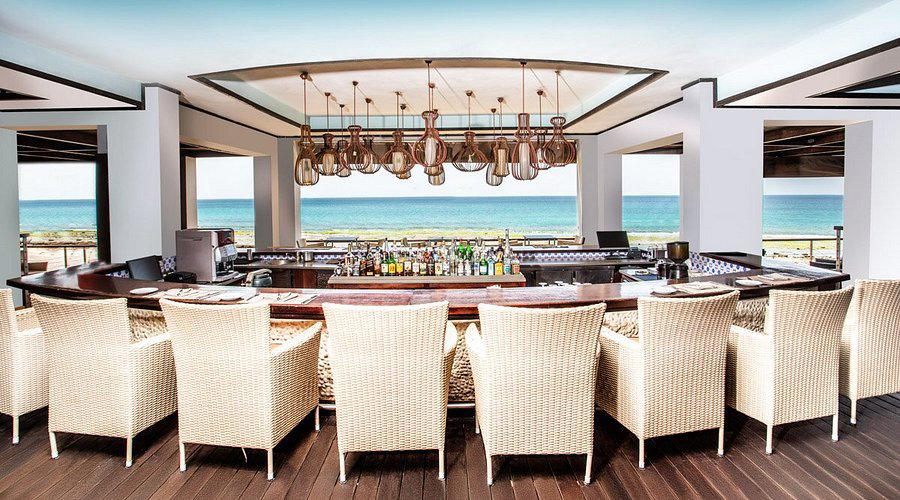
Details
- Scenic
- Romantic
- Intimate
- Celebration
- Casual Hangout
- Special Occasion
- Late Night
- Waterfront
- Standalone
- Craft Cocktails
- Local Sourcing
- Waterfront
- A La Carte
- Cocktails
- Local Flavors
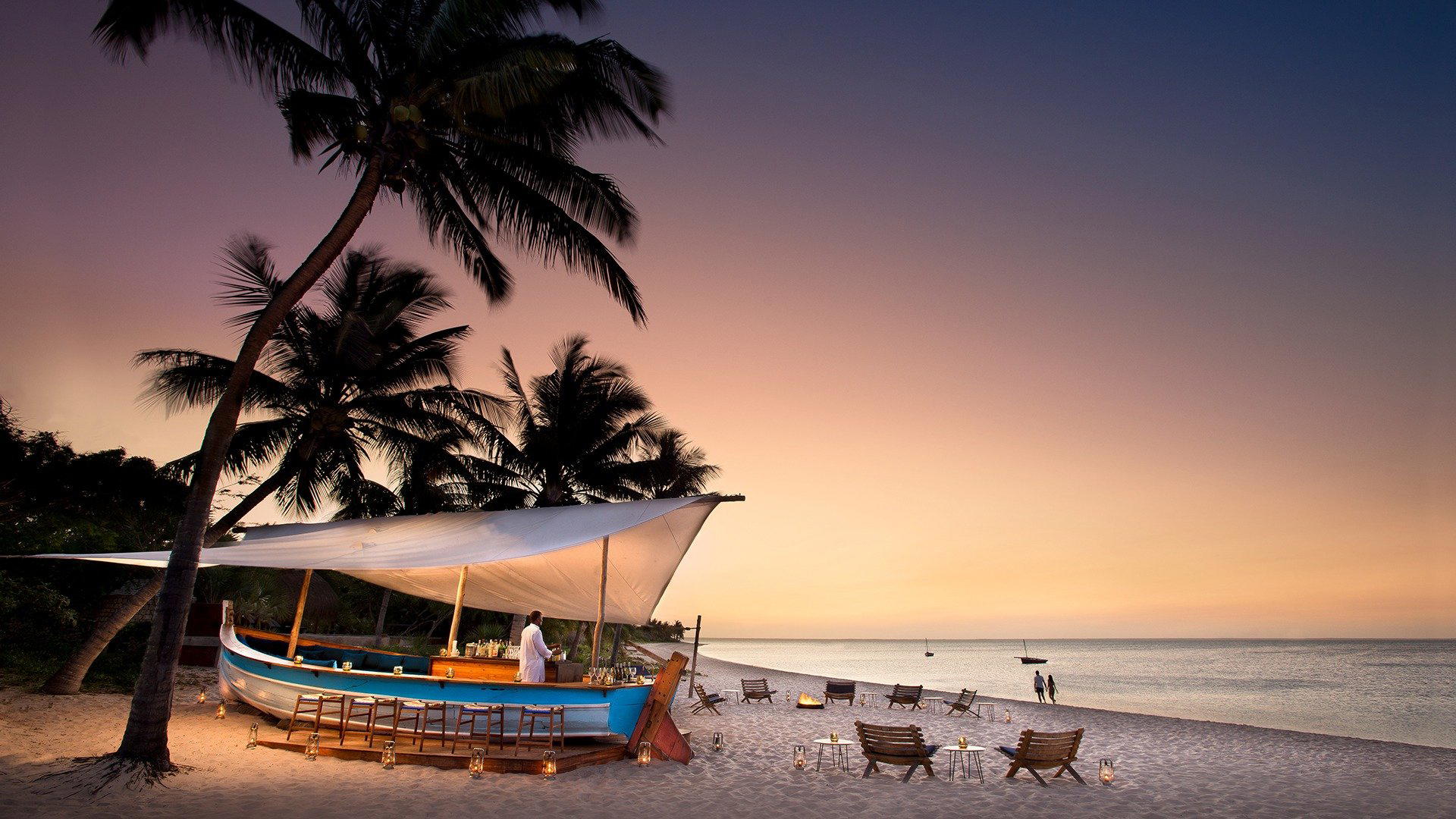
Lively and colorful, with a relaxed barefoot-luxury atmosphere designed for beachside snacks, cocktails, and sunset viewing.