Our verdict
Azrak belongs to the forest-edge dining circuit around Bhakrakot, where sourcing is shaped by Uttarakhand’s foothill agriculture rather than metropolitan restaurant fashion. The draw is contextual: a table in Mohaan, on the Chilkiya Road side of the range, makes more sense when read against local grain, dairy, spice, and seasonal produce traditions than against big-city tasting-menu theatre.

Pearl is the En Primeur Club membership app, where members save venues, book tables and use the concierge.
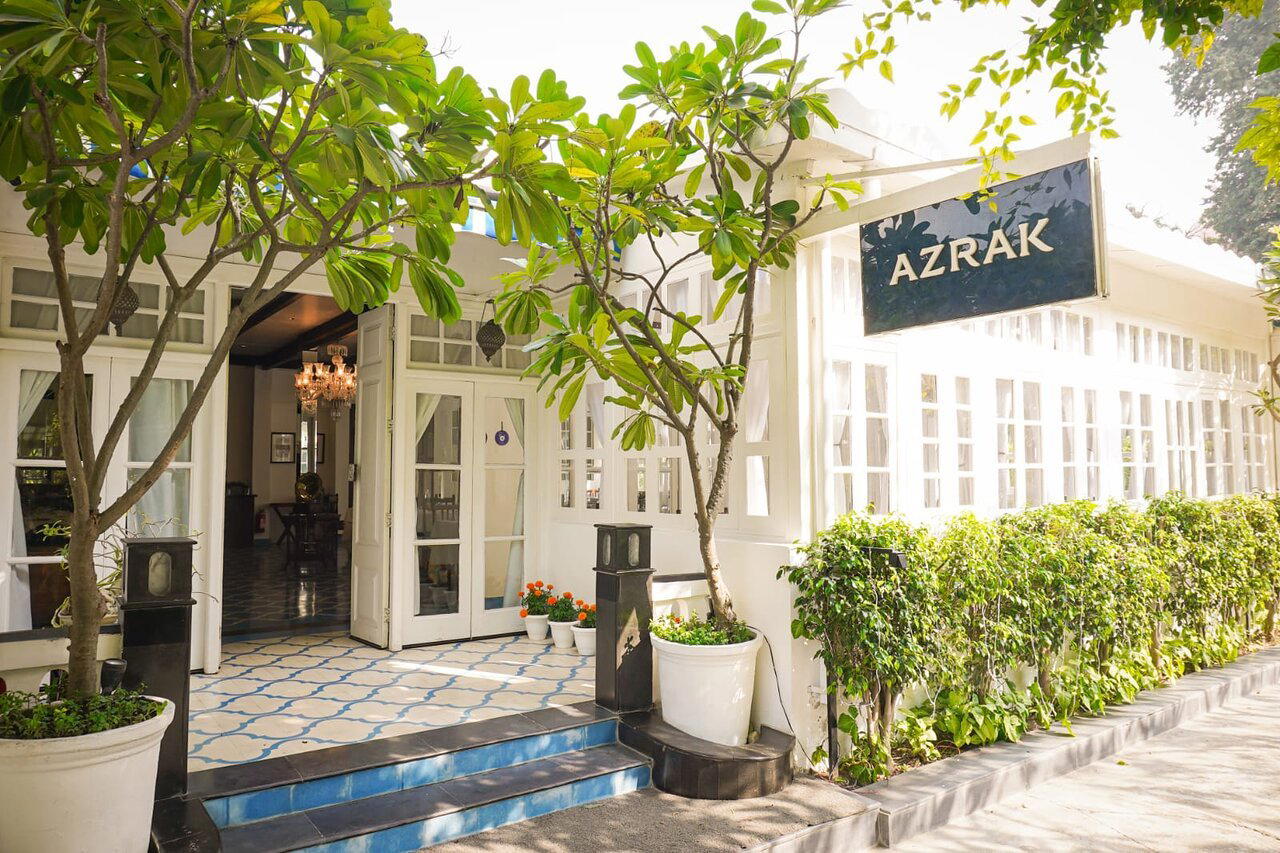
Approaching Bhakrakot, the restaurant conversation changes before the menu does. The setting gives local dining a different rhythm from a large-city restaurant crawl, and that geography matters. In Bhakrakot, a serious meal is judged less by imported luxury cues than by how intelligently it handles place, pace, and the appetite of travellers building food into a wider day.
Azrak sits inside that context rather than in the metropolitan restaurant race. Its reputation is best read through a practical and revealing question: does the format make sense for Bhakrakot’s dining rhythm? In a city where local restaurants, nature-facing cafés, and excursion-linked meals often define the day, a restaurant near the range has to work across occasions without losing its sense of place.
Foothill sourcing matters more here than menu theatrics
Ingredient sourcing is the clearest lens for reading this kind of address. Bhakrakot’s culinary identity is best approached through season, access, and the immediate demands of travellers rather than through fixed luxury signals. Bhakrakot’s restaurant scene also serves visitors who may be comparing a relaxed high-tea format at Machan Hi-Tea with a more nature-framed meal at The Jungle Table. Azrak belongs in that same local decision set, where setting and sourcing carry as much weight as formal culinary technique.
The better way to approach the meal is to look for dishes that feel tied to the local pantry rather than for a long list of luxury markers. In range-side destinations, the stronger kitchens tend to respect the immediate supply chain: produce that suits the season, cooking that fits the climate, and flavours that do not flatten every plate into the same template. That is the difference between a restaurant that is anywhere and one that makes sense in Bhakrakot.
Bhakrakot dining is a timing game, not a trophy hunt
Bhakrakot does not behave like a major metro, where dining plans can revolve around chef reputation, room design, and late-evening momentum. Here, meals are often structured around transit, early starts, stay routines, and the slower tempo of the range. That makes the restaurant’s location part of the editorial assessment: Azrak is positioned for travellers already moving through Bhakrakot, not for diners crossing a dense city grid for a single table.
For readers mapping the wider region, the comparison should stay honest. Heritage dining rooms, large-format urban addresses, and specialist destination restaurants elsewhere operate in different restaurant economies. Azrak is better understood beside Bhakrakot’s own small circuit and other unnamed local options, where geography and regional appetite shape expectations more than national ranking culture.
That distinction is useful because India’s premium dining map is increasingly fragmented. Palace dining, city restaurants, regional dining rooms, and local addresses are not competing for the same meal. Bhakrakot rewards a different reading: what fits the terrain, the day’s schedule, and the produce within reach.
How to place Azrak in a Bhakrakot itinerary
Azrak makes the strongest editorial case when folded into a wider Bhakrakot plan rather than treated as a standalone trophy booking. Start with Our full Bhakrakot restaurants guide to understand the local dining spread, then pair it with Our full Bhakrakot hotels guide if the meal is tied to where you are staying. The surrounding category guides, including Our full Bhakrakot bars guide, Our full Bhakrakot wineries guide, and Our full Bhakrakot experiences guide, help separate a food-led stop from a broader range-side itinerary.
For a wider India lens, contrast the Bhakrakot mood with smaller-format or neighbourhood-driven addresses elsewhere: local cafés and compact dining rooms show how immediate demand can define a room, while bar and snack formats sit in a different cultural and supply context altogether. Azrak’s value is not in imitating those models. It is in reflecting the quieter food logic of Bhakrakot’s range-side setting, where the meal works when the sourcing, setting, and day’s rhythm align.
Frequently asked questions
Would Azrak be comfortable with kids?
Azrak’s Bhakrakot setting suggests a practical stop rather than a formal dining room, which usually suits children better than a white-tablecloth setting. Bhakrakot is the right place to expect a low-key rhythm, not a dress-code atmosphere.
What's the vibe at Azrak?
Azrak reads as a foothill address in Bhakrakot. That points to a setting shaped by place and access rather than room design or chef-celebrity theater.
What part of town is Azrak in?
Bhakrakot.
Do I need a reservation for Azrak?
Advance planning is sensible for Azrak because Bhakrakot dining often depends on the day’s travel rhythm. It is worth checking arrangements before making the trip.
Comparison Snapshot
Comparable venues by cuisine and price in the same metro.
| Venue | Cuisine |
|---|---|
| AzrakThis venue (the venue you are viewing) | Kumaoni, Garhwali & multi-cuisine all-day dining |
Continue exploring
More in Bhakrakot
Hotels in Bhakrakot
All hotels in Bhakrakot →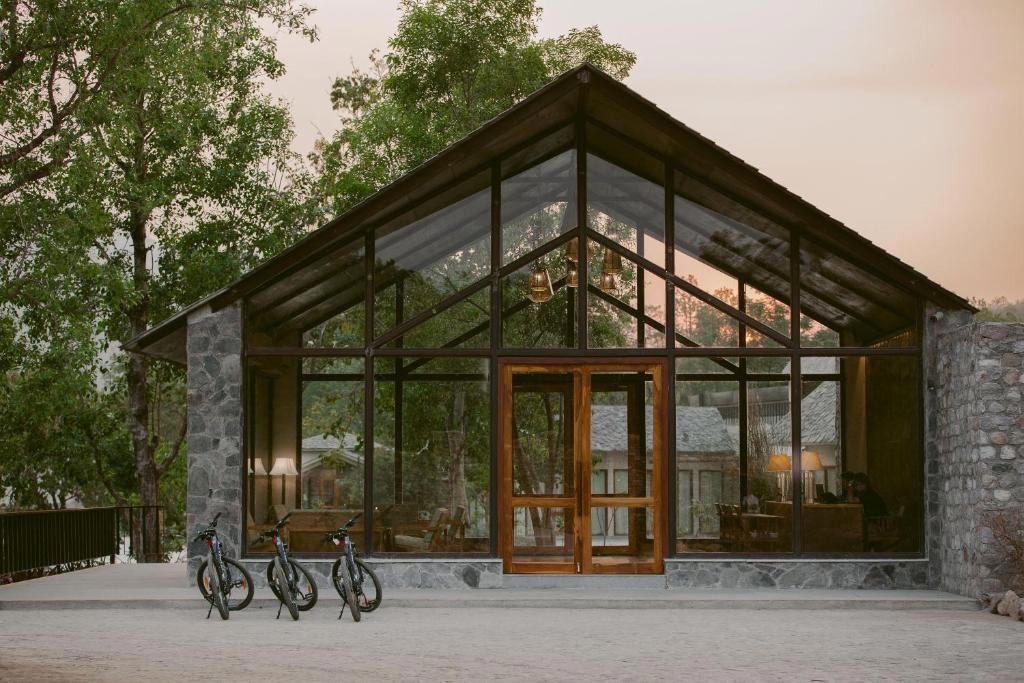
Details
- Scenic
- Elegant
- Cozy
- Rustic
- Family
- Group Dining
- Celebration
- Date Night
- Casual Hangout
- Hotel Restaurant
- Standalone
- Local Sourcing
- Garden
- Mountain
- A La Carte
- Buffet
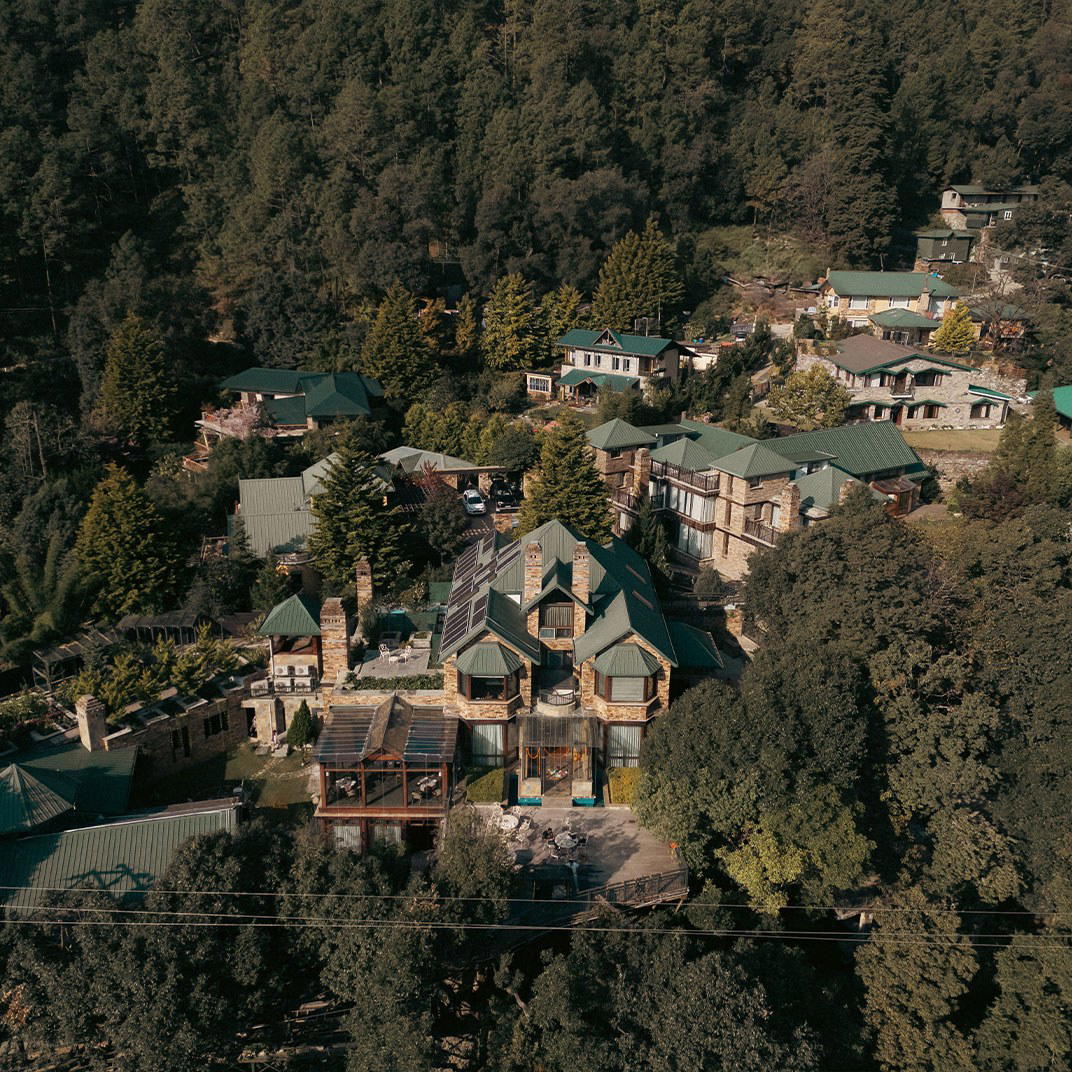
Set within a luxury jungle resort, Azrak offers an elegant yet relaxed all-day dining room with views of surrounding greenery, where guests highlight beautifully presented local delicacies and attentive resort-style service.