Under the Bodhi Tree
Our verdict
Under the Bodhi Tree sits in Naalehu, the southernmost town in the United States, where the Big Island's volcanic soil and isolation from mainland supply chains shape what ends up on the plate. The restaurant's name gestures toward contemplative stillness, and the surrounding Ka'u district delivers that in full: this is not a dining room that competes with Honolulu's resort corridor, but rather one that draws meaning from its remove.

Pearl is the En Primeur Club membership app — saves, bookings, and concierge access live there. Same editors, same standards.
- Address
- Naalehu, United States
- Directions
- Get directions
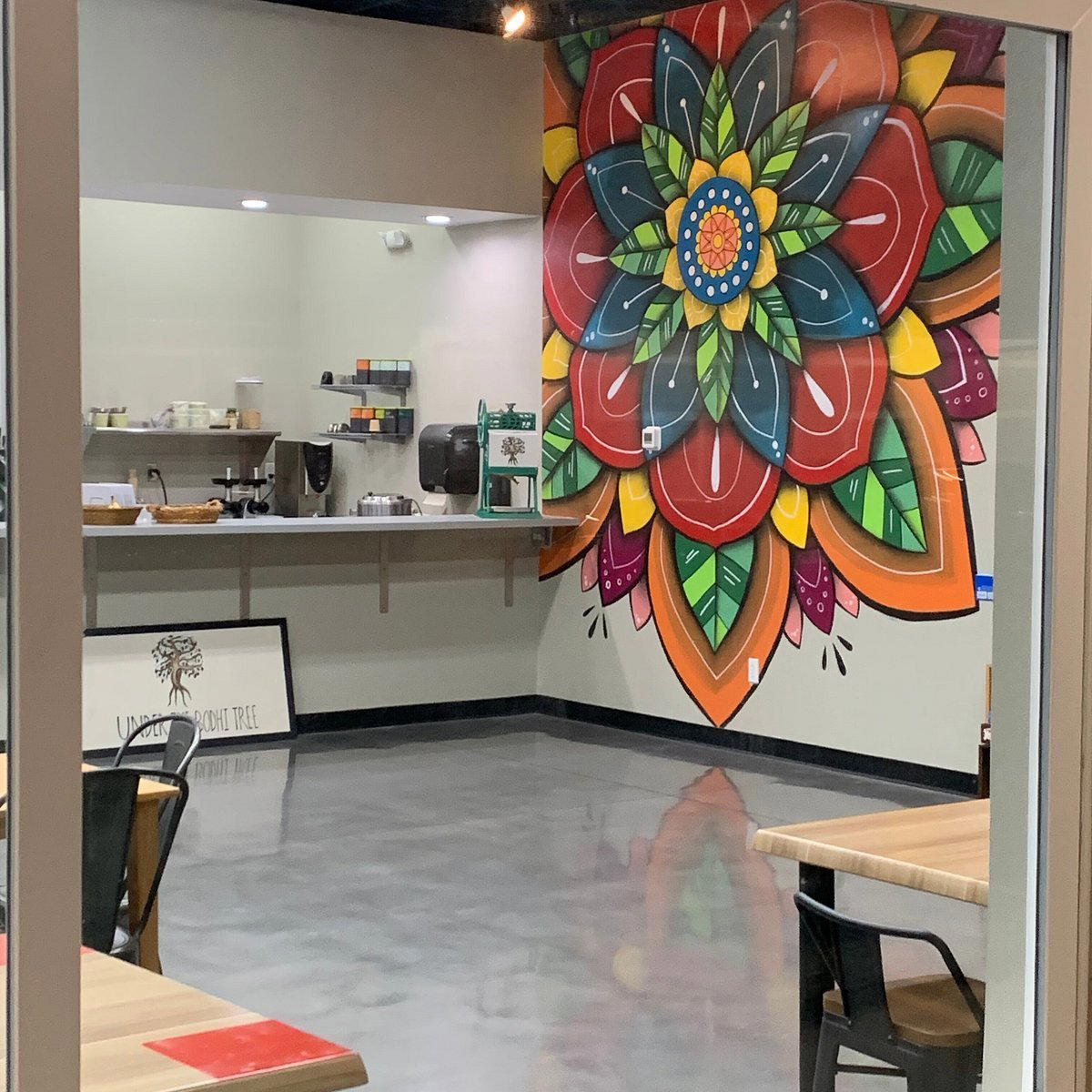
Eating at the Edge of the Map
Naalehu is not a town that tourists pass through on the way to somewhere else. It is, by geography, the end of the line: the southernmost incorporated community in the United States, sitting on the Ka'u coast of Hawaii's Big Island, where the land drops toward the Pacific and the nearest commercial airport is more than an hour's drive north. Restaurants that operate here do not inherit the foot traffic of Kona or Hilo. They are chosen deliberately, which means the dining room at Under the Bodhi Tree tends to draw a different kind of attention than the resort-corridor properties that define most visitors' experience of Hawaiian food.
The name itself sets a tone. The Bodhi tree is the fig under which the Buddha is said to have attained enlightenment — a symbol of rootedness, patience, and arrival after long travel. In a town this far from the hospitality infrastructure of the rest of the state, the name reads less as affectation and more as an accurate description of what it feels like to find a considered restaurant at this latitude. You have, after all, come a considerable distance to sit here.
Ka'u as a Sourcing Territory
The editorial frame that matters most for understanding Under the Bodhi Tree is not the restaurant itself but the agricultural territory it occupies. Ka'u is one of the least-discussed farming districts in Hawaii, overshadowed in culinary conversation by Hamakua mushrooms, North Shore shrimp farms, and the well-documented produce networks around Waimea. But Ka'u has its own claim: the district produces some of the most decorated coffee in the world — Ka'u coffee has placed at the top of international green coffee competitions, and the volcanic soil that supports that coffee also supports a range of subtropical produce that does not travel well and therefore rarely appears on mainland menus or in Honolulu's high-volume kitchens.
This geographic isolation is precisely what gives ingredient-focused restaurants in this district their structural advantage. Supply chains that might be considered a liability for high-turnover operations become an asset when the kitchen's identity is built around what grows within reach. Across the American restaurant scene, the sourcing-forward model has become a recognizable category: Blue Hill at Stone Barns in Tarrytown built its reputation around a working farm; Single Thread Farm in Healdsburg integrates its own agricultural operation directly into menu planning; Smyth in Chicago draws on a rural farm in Tennessee to anchor its tasting format. In each case, the sourcing geography is the argument, not a footnote. A restaurant in Ka'u that takes that same approach is working with terrain that few mainland kitchens can replicate, the volcanic mineral content, the elevation variation between sea level and upland farms, the endemic species that simply do not exist in continental agriculture.
What the Big Island's Southern Coast Means for a Menu
Hawaii's Big Island is the youngest of the main Hawaiian islands geologically, which means its soil is still actively forming and its agricultural profile is unusually dynamic. The Ka'u district sits at the convergence of lava fields and arable upland, a transition zone that produces microclimates within short distances of each other. Heart of palm, breadfruit, lilikoi, rambutan, and Surinam cherry all grow in this region alongside more familiar tropical produce. A kitchen serious about working with local supply in this district has access to ingredients that appear on virtually no other American restaurant menus, not because they are rare in a global sense, but because they do not survive the logistics of distribution to mainland or even O'ahu-based kitchens.
That specificity is what separates a sourcing story in Ka'u from the generalized farm-to-table language that became a marketing default across American dining after roughly 2010. Saying a restaurant sources locally in Napa or Vermont is a category claim with dozens of peers. Saying a restaurant sources from the southernmost farming district in the United States, in a volcanic soil zone with no comparable territory in the country, is a geographic argument with no direct competition.
Placing Under the Bodhi Tree in the Broader American Conversation
The American restaurants that have built durable reputations around sourcing specificity tend to share a few structural traits: they are often in secondary or tertiary markets rather than primary dining cities; they maintain tight seat counts or reservation windows that reflect the supply constraints of working with non-industrial producers; and they accumulate recognition slowly, through word of mouth and specialist press rather than the high-volume review cycles that drive awareness in New York or Los Angeles. Providence in Los Angeles built its seafood identity around sourcing discipline over years of sustained operation. Addison in San Diego took a decade to reach its current recognition tier. Frasca Food & Wine in Boulder demonstrated that regional specificity, in that case, Friulian wine and food culture, could sustain a serious restaurant far outside a major metropolitan area.
Under the Bodhi Tree operates in a market with even fewer institutional resources than Boulder or San Diego. What it has is the Ka'u district, a name that carries weight among coffee and agriculture specialists, and the structural argument that isolation, when treated as an asset rather than a constraint, produces a kind of culinary specificity that more connected markets cannot replicate. For comparison points at the sourcing-forward end of the American spectrum, Oyster Oyster in Washington, D.C. and The Wolf's Tailor in Denver each demonstrate how ingredient conviction can carry a restaurant's identity in markets where the dining infrastructure is thinner than in New York or San Francisco.
Planning Your Visit
Getting to Naalehu requires a commitment that filters the casual visitor out of the equation. From Kona International Airport, the drive south along Highway 11 takes roughly 50 to 60 minutes through coffee country and lava fields. From Hilo, the approach from the east runs a similar distance through the Hawaii Volcanoes National Park corridor. Neither route is difficult, but both require a rental car and deliberate planning, there is no shuttle service, no rideshare coverage, and no option to arrive spontaneously from a resort. For those visiting our full Naalehu restaurants guide, this entry should be read as a destination unto itself rather than a stop on a broader itinerary. Calling ahead or checking for a current web presence before building an itinerary around this address is the practical baseline.
Frequently asked questions
Is Under the Bodhi Tree good for families?
Naalehu draws a self-selecting crowd willing to make the drive to Hawaii's southernmost town, which tends to mean a quieter, more deliberate dining atmosphere rather than a high-energy family-casual one. The setting suits adults and older children comfortable with an unhurried meal.
How would you describe the vibe at Under the Bodhi Tree?
The location sets the tone before you walk in: Naalehu is the southernmost incorporated community in the United States, which means arriving here is a deliberate act rather than a casual detour. The atmosphere reflects that — grounded, unhurried, and oriented toward the land and produce of Ka'u rather than toward performance or spectacle. It reads less like a destination restaurant and more like a serious outpost of place-based cooking.
What makes Under the Bodhi Tree worth the drive from Kona or Hilo?
Under the Bodhi Tree occupies a specific geographical position that no other restaurant in the United States shares: Naalehu is the southernmost town in the country, and the surrounding Ka'u district produces coffee, macadamia nuts, and agricultural goods from some of the youngest volcanic soil in the Hawaiian archipelago. That sourcing territory is the core argument for the detour — this is not cuisine available by proximity to any major city or airport. From Kona International Airport, the drive south takes roughly an hour, filtering out anyone not committed to the experience.
What do people recommend at Under the Bodhi Tree?
Dishes rooted in local produce from this corner of Hawaii's youngest main island are the consistent frame of reference. Checking the venue directly before visiting will give you the most accurate picture of the current menu.
Do I need a reservation for Under the Bodhi Tree?
The town itself has limited dining options, so arriving without a plan carries real risk.
| Venue | Cuisine | Price | Awards | Notes |
|---|---|---|---|---|
| Under the Bodhi TreeThis venue — the venue you are viewing | Island-Inspired Chinese | Not listed | Not listed | Not listed |
| Le Bernardin | French Seafood Fine Dining | $300–500 | 3 Michelin Stars · World's 50 Best #13 | French, Seafood |
| Lazy Bear | Modern American Tasting Menu | Not listed | 2 Michelin Stars · World's 50 Best #25 | Progressive American, Contemporary |
| Atomix | Modern Korean Tasting Menu | $300–500 | 2 Michelin Stars · World's 50 Best #7 | Modern Korean, Korean |
| Per Se | French Fine Dining Tasting Menu | $300–500 | 3 Michelin Stars · World's 50 Best #40 | French, Contemporary |
| Masa | Traditional Japanese Omakase | $500+ | 2 Michelin Stars · World's 50 Best #27 | Sushi, Japanese |
Details
- Casual Hangout
- Local Sourcing
- A La Carte
casual local eatery