Our verdict
Kaiserbahnhof occupies a historically charged address at Franz Joseph-Platz 3 in Laxenburg, the imperial village south of Vienna long associated with Habsburg seasonal residence. For travellers moving between Vienna and the southern Austrian countryside, it represents a considered stop.

Pearl is the En Primeur Club membership app — saves, bookings, and concierge access live there. Same editors, same standards.
- Address
- Franz Joseph-Platz 3, 2361 Laxenburg, Austria
- Phone
- +43223624541
- Hours
- Mon–Tue ClosedWed–Fri 11:30 AM–3 PM, 5:30–10 PMSat 11:30 AM–10 PMSun 11:30 AM–5 PM
- Website
- kaiserbahnhof.at
- Directions
- Get directions
- Booking
- Book on the venue's website
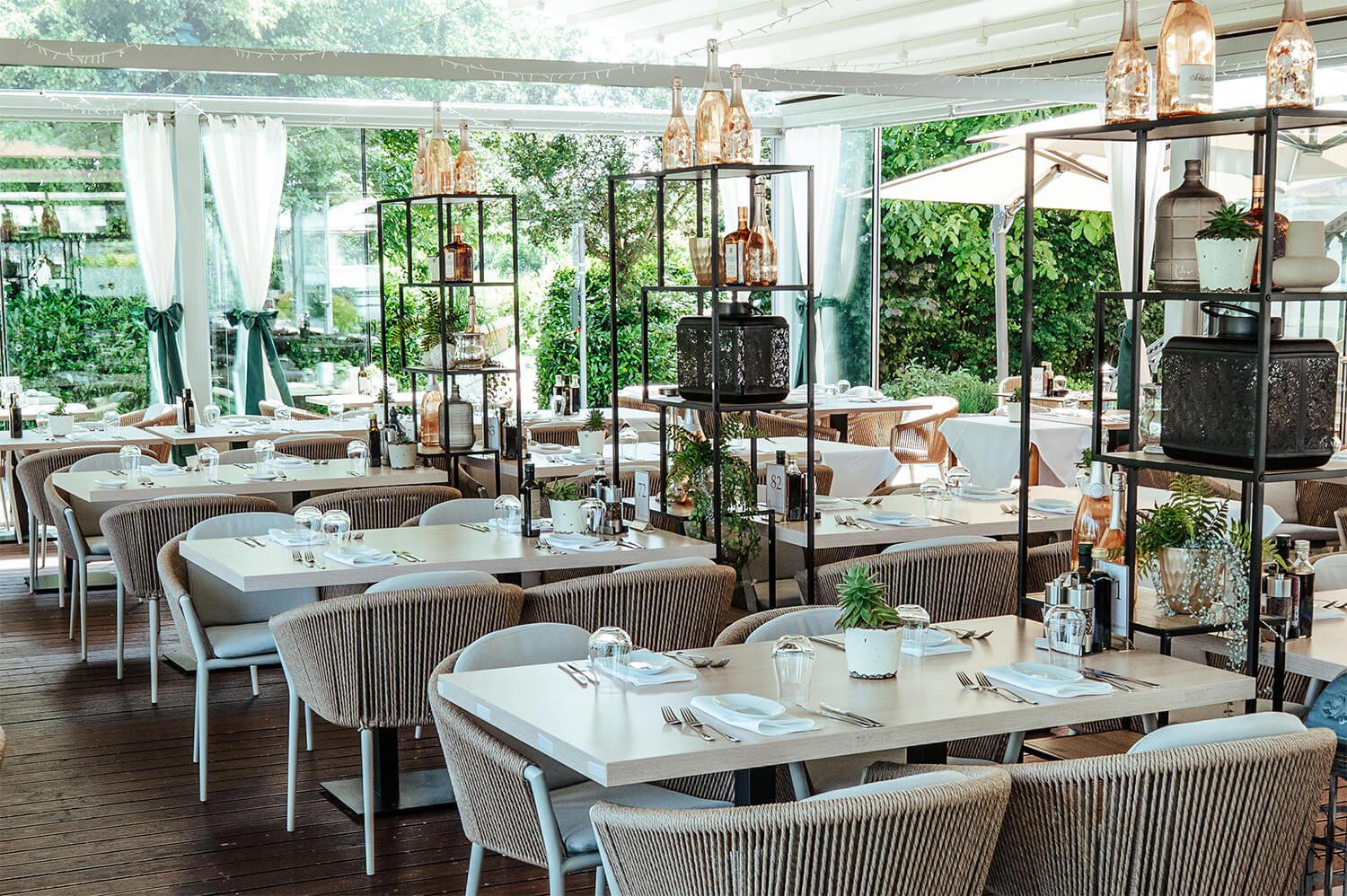
An Imperial Village, a Layered Dining Tradition
Laxenburg is not a dining destination in the conventional sense. The small town, positioned roughly 15 kilometres south of Vienna's centre, draws most of its visitors through the Schlosspark and its association with Habsburg summer courts. That historical weight shapes what serious dining means here in ways that differ from Vienna's urban restaurant scene or the alpine restaurant circuits of Salzburg province. A restaurant operating at Franz Joseph-Platz 3 is, by geography and address alone, in conversation with that imperial inheritance, whether or not it chooses to acknowledge it directly.
Austrian fine dining outside Vienna has, over the past two decades, moved decisively toward a sourcing-led identity. The country's leading tables, from Steirereck im Stadtpark in Vienna to Landhaus Bacher in Mautern an der Donau and Obauer in Werfen, have built reputations around regional producers, seasonal calendars, and a willingness to let Austrian ingredients anchor technically ambitious cooking. That shift reflects a broader European pattern, but Austria's version has a particular character: the country's agricultural geography, running from the Pannonian plains to the alpine valleys, gives chefs access to an unusually diverse larder within relatively short distances.
Where Kaiserbahnhof Sits in the Regional Picture
The Kaiserbahnhof name is a direct reference to the imperial railway station that once served Laxenburg as a stop on journeys between Vienna and the Habsburg summer estates. That historical framing, whether the restaurant leans into it through décor, menu narrative, or simply the weight of the address, positions it differently from the alpine dining rooms that define much of Austria's internationally recognised fine-dining circuit. While venues like Griggeler Stuba in Lech, Stüva in Ischgl, and Gourmetrestaurant Tannenhof in Sankt Anton am Arlberg operate within an alpine tourism economy, Kaiserbahnhof operates in the quieter register of a day-trip or short-stay village close to the capital.
That proximity to Vienna is both an asset and a constraint. Diners can reach Laxenburg from the city in under 30 minutes by car, making it accessible for an evening reservation without requiring an overnight stay. At the same time, the restaurant competes for attention against Vienna's dense concentration of serious tables, meaning that the value proposition must be clear: something specific to this place, this address, this provenance, that cannot be replicated inside the Ringstrasse.
The Sourcing Logic of Lower Austrian Cooking
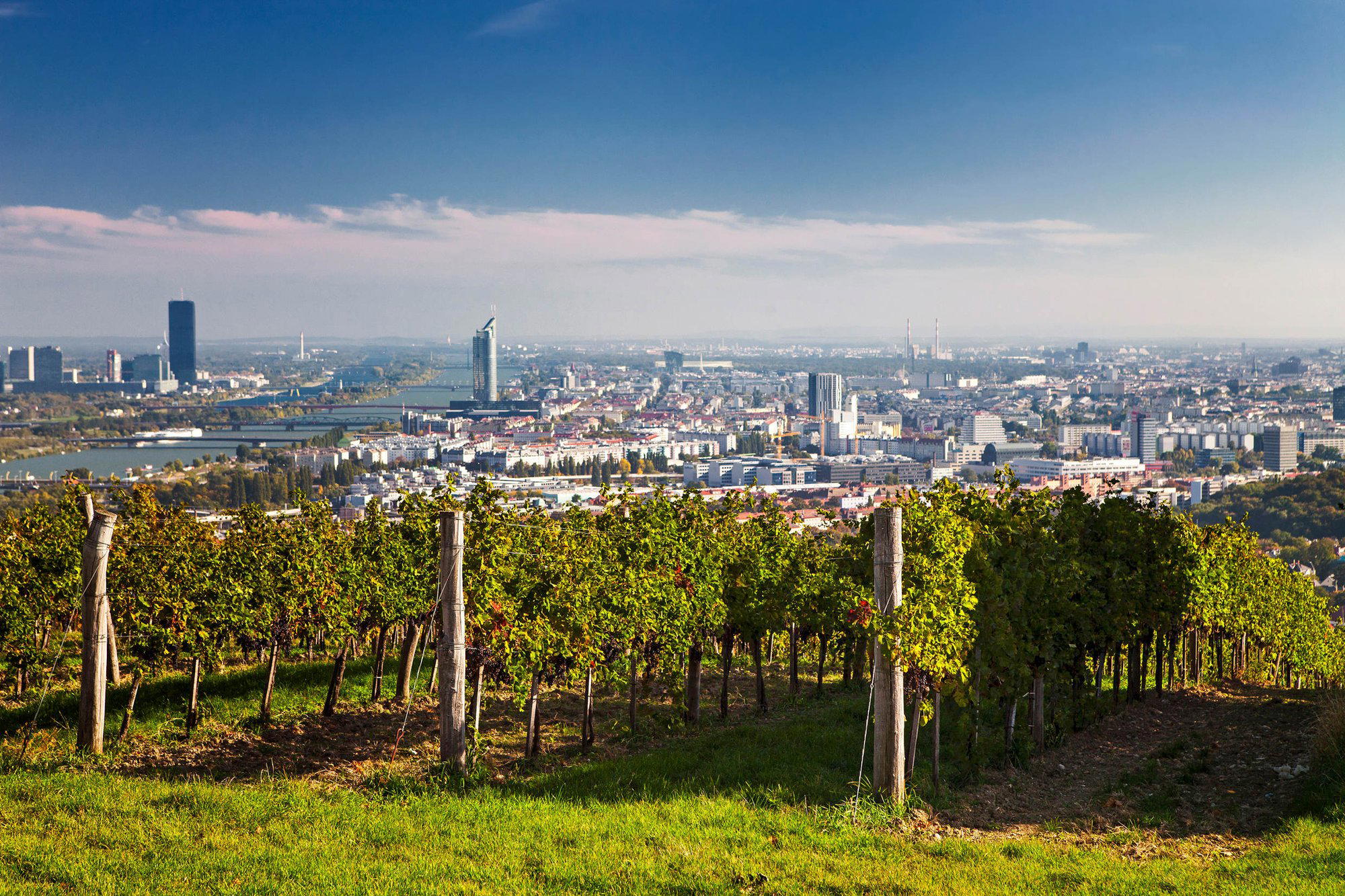
Lower Austria, the federal state that surrounds Vienna and encompasses Laxenburg, produces an exceptional range of raw materials. The Pannonian climate in the east supports viticulture and grain farming; the forests and meadows to the west and south yield game, mushrooms, and dairy of genuine quality. Restaurants working seriously with Lower Austrian sourcing can draw on producer networks that supply some of the country's most recognised tables, including those in Vienna proper.
This matters for understanding what a venue like Kaiserbahnhof represents within Austrian food culture. The sourcing-led approach now common at Austrian destination restaurants, visible in the herb garden programs at Kräuterreich by Vitus Winkler in Sankt Veit im Pongau and the market-driven seasonal menus at Döllerer in Golling an der Salzach, has its Lower Austrian equivalent in restaurants that work directly with the agricultural richness of the Vienna Basin and the surrounding hills. A restaurant at this address, in a village that once fed imperial courts, inherits a tradition of provision that predates the modern farm-to-table framing by several centuries.
The Broader Austrian Fine-Dining Context
Austria's restaurant scene rewards those willing to travel beyond the major cities. The country's Michelin-recognised tables are distributed across a remarkable geographic range, from the Salzburg alpine corridor covered by venues like Ikarus in Salzburg and Atelier Fischer in Sankt Gilgen, to the Burgenland wine country where Taubenkobel in Schützen am Gebirge operates, to Tyrol's table at Schwarzer Adler in Hall in Tirol and Restaurant 141 by Joachim Jaud in Mieming. The concentration of serious cooking in small towns and villages is not incidental; it reflects a hospitality tradition in which destination travel to a specific table has long been culturally normal.
Lower Austria, and Laxenburg specifically, occupies an underexplored corner of that map. The area lacks the alpine visual drama that markets Tyrol or Salzburg restaurants to international audiences, and it lacks the urban critical mass of Vienna. What it offers instead is a different kind of authority: proximity to imperial history, access to a diverse agricultural hinterland, and a quieter pace that suits a certain kind of careful dining. Venues in the Styrian capital, such as Artis in Graz, or the Upper Austrian countryside, as at Ois in Neufelden, operate in a similar register: serious cooking in smaller markets, often with strong regional sourcing identities and without the international visibility of their alpine or urban peers.
For readers building an itinerary that moves between Vienna and Austria's southern or western regions, Laxenburg represents a logical waypoint. The Schlosspark alone draws visitors throughout the warmer months, and a restaurant at the Franz Joseph-Platz address is positioned to serve both day-trippers from the capital and travellers pausing on longer routes. That audience, broadly Austrian and Central European rather than international, shapes the kind of cooking and service register a serious restaurant here would logically target.
Planning Your Visit
Laxenburg is leading reached from Vienna by car, with the journey from the city's southern districts taking roughly 20 to 25 minutes depending on traffic. Public transport options exist but require connections and add travel time considerably, making a car or taxi the practical choice for an evening reservation. The Franz Joseph-Platz address places Kaiserbahnhof within walking distance of the Schlosspark entrance, which suggests a natural pairing of an afternoon in the park with a dinner reservation. Visitors coming from Bratislava, roughly 50 kilometres to the east, will find Laxenburg a convenient first or last stop on a Vienna circuit. For planning around the broader Austrian dining circuit, our full Laxenburg restaurants guide covers the local options in more detail.
Frequently asked questions
Can I bring kids to Kaiserbahnhof?
Laxenburg itself is a family-oriented town, anchored by the Franzensburg castle park, which draws visitors of all ages from Vienna and the surrounding region.
How would you describe the vibe at Kaiserbahnhof?
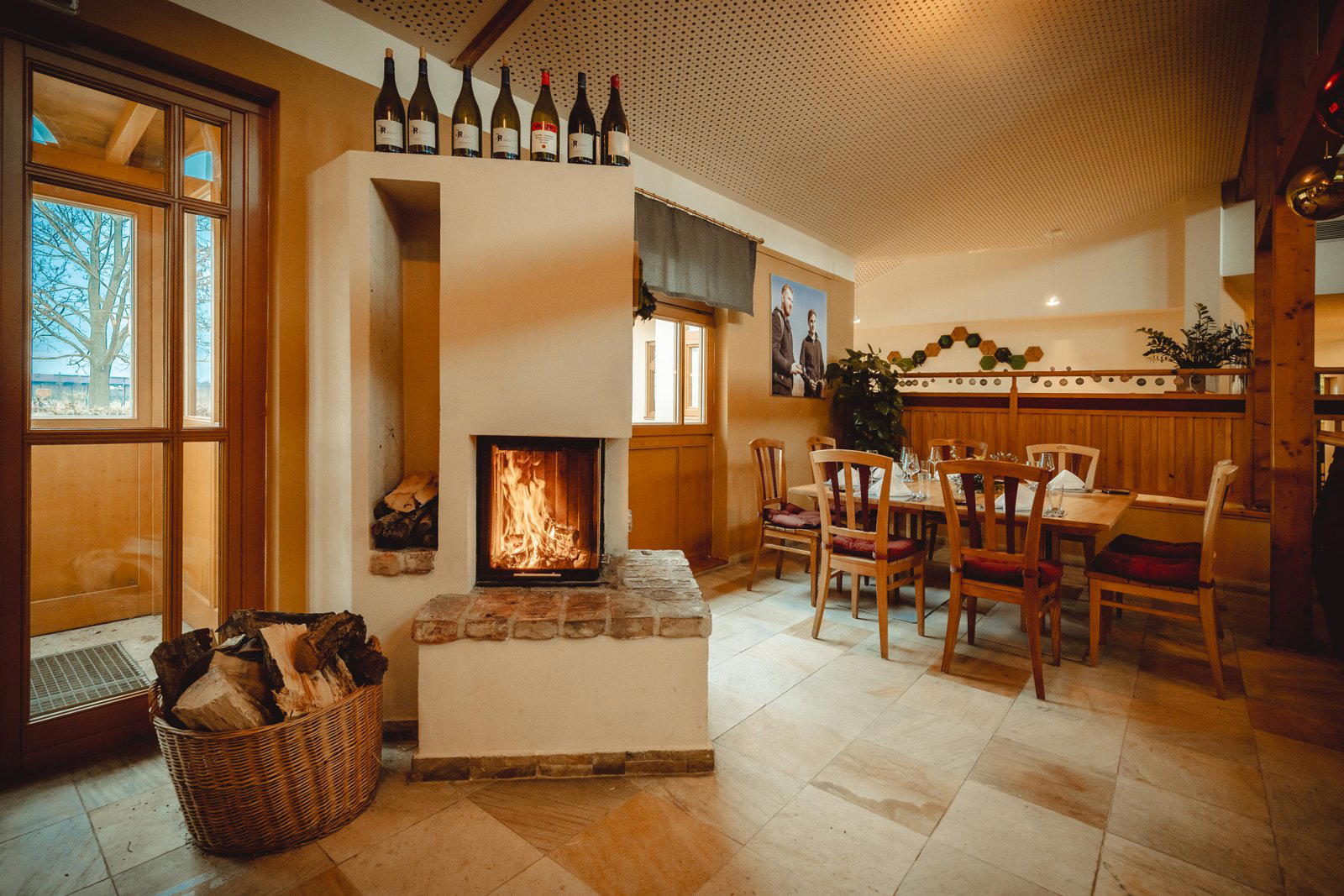
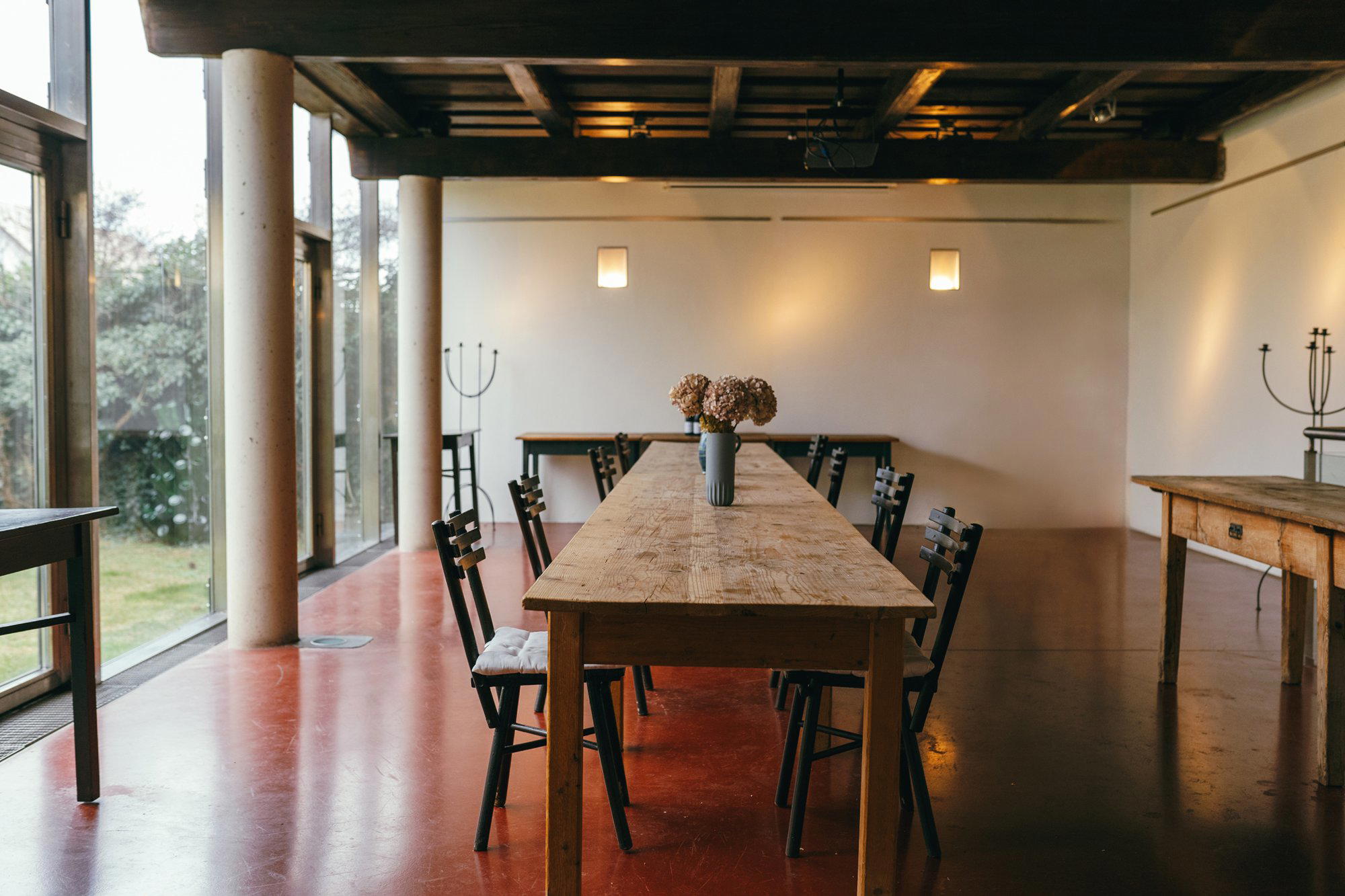
The name alone sets the tone: Kaiserbahnhof references the imperial railway station that once connected Laxenburg to Vienna, which places the venue in a historically layered context rather than a generic rural setting. The town of Laxenburg reads as a quiet counterpoint to Vienna's density, and a restaurant operating under that name is working with a specific sense of place, not a generic countryside aesthetic.
Why is Kaiserbahnhof worth the detour from Vienna to Laxenburg?
Laxenburg sits roughly 15 kilometres south of Vienna's centre, making it reachable in under 30 minutes by car from the city's southern districts. Kaiserbahnhof occupies a historically significant address at Franz Joseph-Platz 3, on the site connected to the imperial railway era, which gives the venue a contextual weight that few restaurants this close to a capital city can claim. For visitors already planning time in the Laxenburg palace park, combining that with a meal here is a coherent half-day itinerary rather than a separate trip.
What's the best thing to order at Kaiserbahnhof?
What is well established is that Lower Austria's Pannonian climate produces strong raw materials across vegetables, game, and wine, and regional restaurants in this corridor tend to anchor menus to seasonal local sourcing.
What's Kaiserbahnhof's location?
Kaiserbahnhof is located at Franz Joseph-Platz 3, 2361 Laxenburg, Austria, Laxenburg.
Fast Comparison
Comparable venues nearby, for context on price, style, and recognition.
| Venue | Cuisine | Price | Notes |
|---|---|---|---|
| KaiserbahnhofThis venue — the venue you are viewing | Austrian & Mediterranean Fine Dining | Not listed | Not listed |
| Eugen21 | Modern Austrian with International Influences | $50–100 | Sudbahnhof |
| Schlossquadrat | Viennese Beisl & Italian Pizzeria | $20–30 | Margareten |
| Cucina Ballerini | Authentic Sicilian | $50–100 | Hernals |
| zuckergoscherl am Rochusmarkt | Modern Austrian with Vegan Options | $20–30 | Wien-Mitte |
| DEVAL | Modern Austrian Fine Dining | $100–150 | Hofburg |
Continue exploring
More in Laxenburg
Restaurants in Laxenburg
Browse all →
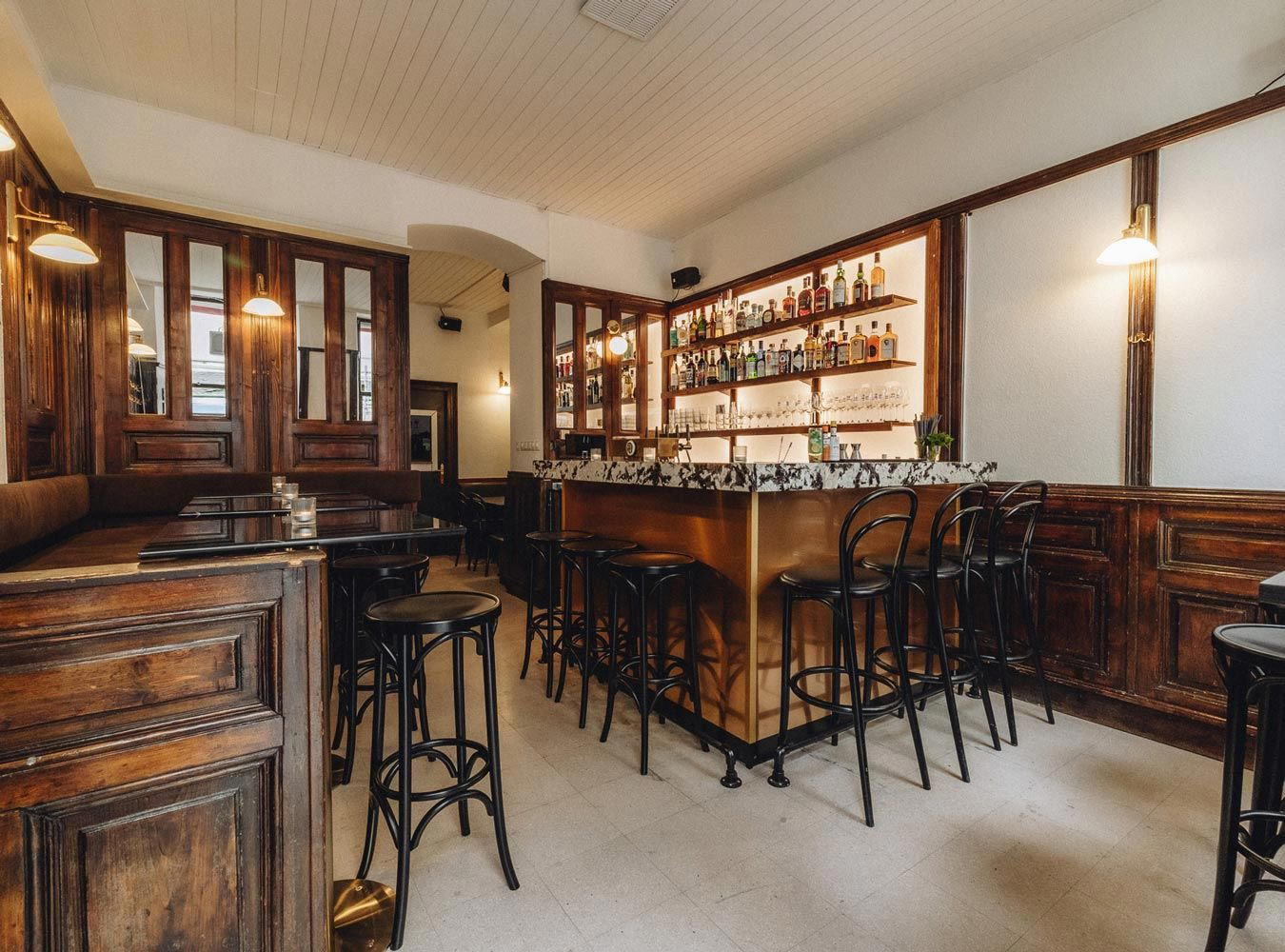
Bars in Laxenburg
Browse all →
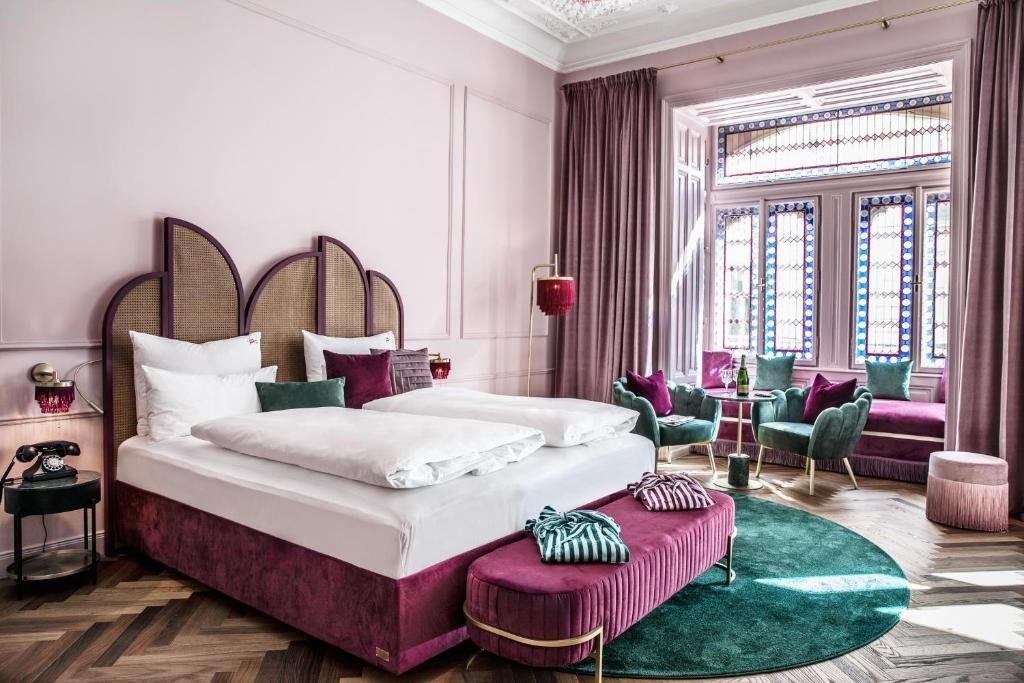
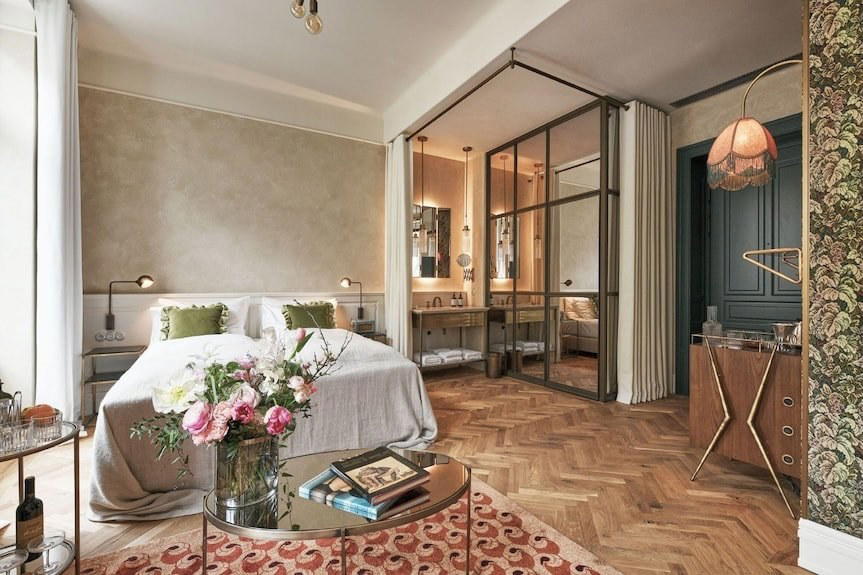
Hotels in Laxenburg
Browse all →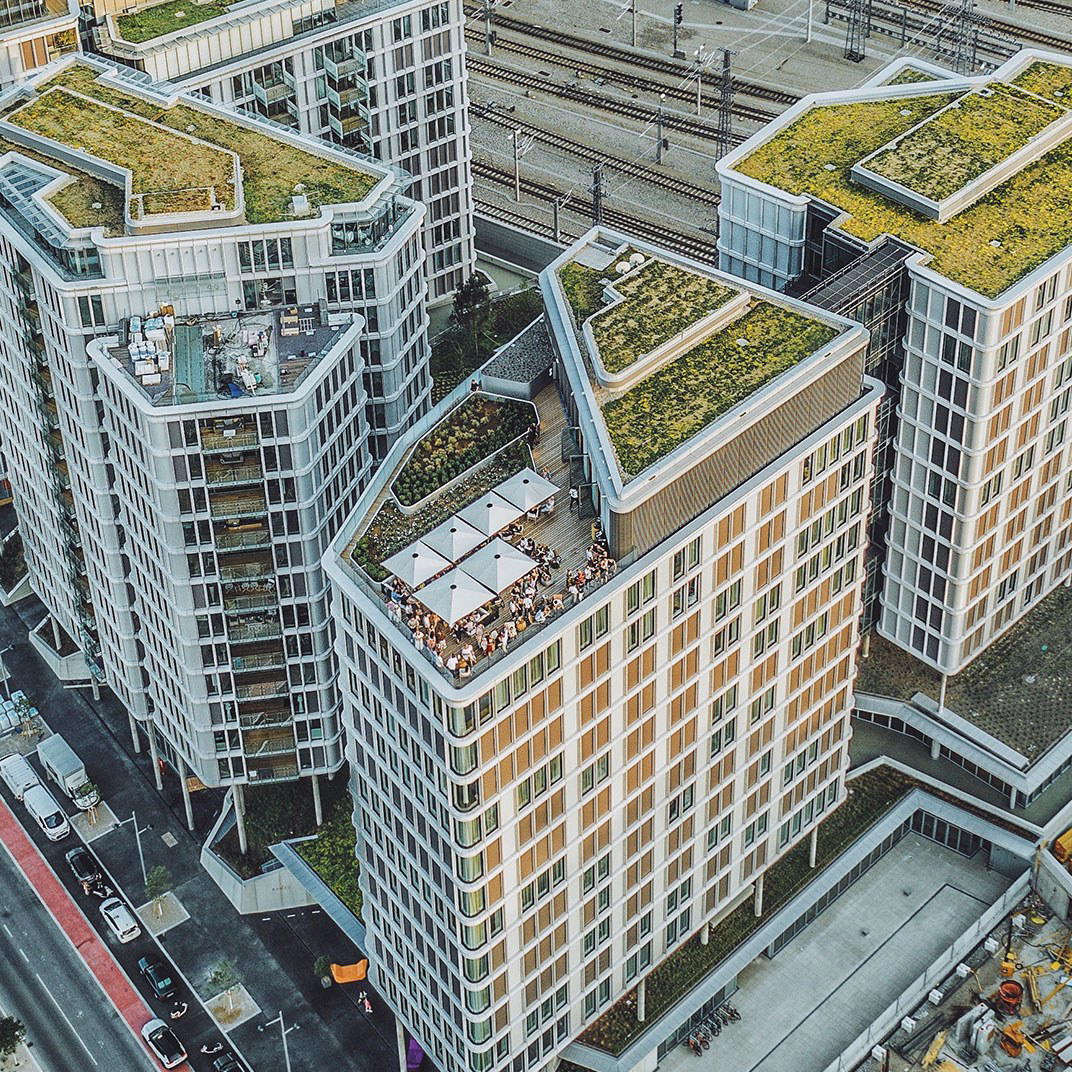
Details
- Romantic
- Elegant
- Historic
- Scenic
- Special Occasion
- Private Event
- Family
- Historic Building
- Private Dining
- Garden
- Garden
- A La Carte
Current opening hours
- Monday
- Closed
- Tuesday
- Closed
- Wednesday
- 11:30 AM–3 PM, 5:30–10 PM
- Thursday
- 11:30 AM–3 PM, 5:30–10 PM
- Friday
- 11:30 AM–3 PM, 5:30–10 PM
- Saturday
- 11:30 AM–10 PM
- Sunday
- 11:30 AM–5 PM
Hours can change for holidays and private events. Last verified .
Stilvolles historisches Ambiente with nice ambience that makes guests feel immediately at ease.