Our verdict
Set at the edge of Minoh's forested parkland north of Osaka, Ichijunisai Ueno Minoh occupies a position that few urban-adjacent kaiseki addresses can replicate: immediate proximity to a living larder of mountain ingredients. The restaurant draws on the seasonal produce, river fish, and foraged materials that define Osaka's northern hinterland, placing it within a kaiseki tradition where the sourcing address is as legible as the cooking style.

Pearl is the En Primeur Club membership app, where members save venues, book tables and use the concierge.
The menu
What to order
- Tempura combo
- Salmon rice dish
- Hassun platters
- Chawanmushi
Where the Forested Edge Shapes the Plate
Arriving at Minoh by the Hankyu Mino-o line from Osaka's Umeda district, the shift is immediate. Within thirty minutes of one of Japan's densest urban centres, the air changes, the street noise recedes, and the path toward Minoh-o Park begins to feel less like an approach to a restaurant and more like an approach to the landscape that feeds it. This is not incidental atmosphere. In kaiseki cuisine, the relationship between a kitchen and its immediate geography is the discipline. Ichijunisai Ueno Minoh, addressed at 2-5 Minookoen on the park's threshold, makes that relationship structural.
The kaiseki tradition in the Osaka–Kyoto corridor has long organised itself around seasonal availability and regional sourcing, but proximity to Minoh's cedar-and-maple terrain gives kitchens here a narrower, more specific claim on mountain vegetables, freshwater fish from the Minoh River system, and the kind of foraged aromatics that deteriorate quickly enough to make local sourcing a practical necessity rather than an aspirational one. What you eat here reflects a geography that is measurable in walking distance from the kitchen door.
The Kaiseki Framework and What It Demands of Sourcing
Kaiseki, in its formal sense, is a sequential cuisine structured around the Japanese calendar. Each course category, from the sakizuke opening through the hassun seasonal platter to the yakimono grilled course and beyond, exists to foreground a moment in the agricultural and climatic year. The format does not flatter produce that has travelled far or been held in cold storage; its architecture assumes freshness as a baseline. This is why the address of a kaiseki restaurant carries real information about the cooking.
In cities like Osaka, where HAJIME in Osaka and other ambitious kitchens have pushed the form toward French-influenced innovation, the sourcing web necessarily extends further, to specialist producers, international techniques, and supply chains calibrated for consistency at scale. Kitchens operating at the forested edge of a prefectural park work from a different premise: the sourcing radius contracts, the seasonal window narrows, and the menu becomes a more direct transcript of what the surrounding land is doing on a given week. Both approaches are legitimate; they are simply different arguments about what kaiseki is for.
Comparable addresses in Japan's mid-sized cities and rural-adjacent towns, among them Gion Sasaki in Kyoto, which has long anchored its sourcing in the Kyoto basin's seasonal produce network, and akordu in Nara, which draws on the Yamato region's agricultural depth, demonstrate how a strong regional sourcing identity can define a kitchen's competitive position independently of urban volume or media visibility.
Minoh's Geography as a Sourcing Context
Minoh sits at the northern edge of Osaka Prefecture, where the Kita-Osaka plateau rises toward the Rokko range. The Minoh River, which runs through the park and terminates at the 33-metre Minoh waterfall upstream, supports freshwater species, particularly sweetfish, known in Japanese as ayu, that appear in Kansai kaiseki menus as one of summer's clearest seasonal markers. Ayu has a well-documented culinary significance across the river systems of central Honshu, and kitchens with direct access to local catch, rather than distributed supply, work with a product whose condition at the time of cooking differs materially from centrally distributed equivalents.
Mountain vegetables, including warabi fern shoots, takenoko bamboo shoots in spring, and matsutake mushrooms in autumn, appear across Kansai kaiseki at predictable points in the calendar, but proximity to Minoh's forested terrain shortens the elapsed time between harvest and plate in ways that affect texture and intensity. This is the sourcing argument that a location like Ichijunisai Ueno Minoh advances: not exclusivity, but immediacy.
For further context on how Japanese kaiseki kitchens in less-trafficked cities build sourcing identities, the accounts of 一本木 石川製 in Nanao on the Noto Peninsula and 古仁屋山乃 in Sapporo in Hokkaido illustrate how regional geography consistently produces differentiated menus even within a shared formal structure. See also 湖畔庵籟 in Takashima, on Lake Biwa's western shore, and 羽根屋 in Nishikawa Machi for comparable Kansai-adjacent sourcing contexts.
Placing Ichijunisai Ueno Minoh in the Broader Kansai Dining Pattern
Kansai's premium dining circuit runs most visibly through Kyoto and Osaka, where restaurants with Michelin recognition, 50 Best citations, and sustained media attention concentrate. Kitchens in Minoh do not typically compete for the same reservation traffic as that tier. The traveller making a dedicated trip from central Osaka, a thirty-minute train ride, is self-selecting for a specific kind of experience: quieter, more geographically anchored, less subject to the international reservation pressure that shapes booking conditions at addresses like Harutaka in Tokyo or Goh in Fukuoka.
This does not make the cooking less rigorous; it makes the context different. Kaiseki in a park-adjacent setting in a mid-sized Osaka suburb operates outside the incentive structure that pushes urban kitchens toward international-format tasting menus, translated menus for overseas visitors, and online booking systems calibrated for global discovery platforms. Whether that insularity is a limitation or an asset depends on what you are looking for. For Japanese-language fluency and a willingness to engage with booking processes that may require local knowledge, the reward is a meal that remains primarily in conversation with its immediate landscape rather than with a global audience.
Restaurants operating at a comparable remove from the main circuit, Birdland in Sakai, Denko Sekka in Hiroshima, and bodai in 那智勝浦町, each represent versions of this argument: that a kitchen positioned outside the primary media circuit can maintain a more specific, locally responsive identity precisely because it is not optimising for external validation.
Planning a Visit
Minoh is accessible from Osaka-Umeda station on the Hankyu Mino-o line in approximately thirty minutes, making it viable as a day or evening excursion from central Osaka or as a stop between Osaka and the northern Kansai corridor. The address at 2-5 Minookoen places the restaurant at the park entrance, which is walkable from Mino-o station in under ten minutes. Given the restaurant's location and format, advance reservation is expected practice for any kaiseki address at this level, contact through the venue directly, or with the assistance of a hotel concierge, is the most reliable approach in the absence of a published online booking system. Seasonal timing matters: spring bamboo and autumn matsutake windows are the two periods when the sourcing argument is most legible on the plate. Visiting outside those peaks is not a disadvantage, but the menu will read differently.
For broader orientation across Mino's dining options, see our full Mino restaurants guide. Travellers comparing Kansai kaiseki options may also find value in reviewing how international-format Japanese tasting menus at addresses like Atomix in New York City and Le Bernardin in New York City adapt Japanese sourcing philosophies for non-Japanese contexts, a useful frame for understanding what is preserved and what is translated when kaiseki leaves its geographic home. Additional regional comparators including Bistro Ange in Toyohashi, Blue Ocean Steak in Nakagami District, and Cafe Naoshima Konichiwa in Naoshima illustrate the range of dining formats operating within the broader Kansai and Setouchi region.
Frequently asked questions
Is Ichijunisai Ueno Minoh good for families?
Kaiseki at this level follows a structured, multi-course sequential format that demands patience and quiet attention from diners. The setting in Minookoen, at the forested edge of Mino, is serene rather than casual, making it less suited to young children. Families with older teenagers who appreciate formal Japanese dining will find the environment appropriate.
Is Ichijunisai Ueno Minoh better for a quiet night or a lively one?
Ichijunisai Ueno Minoh is firmly in quiet-night territory. Located at 2-5 Minookoen in Mino, well outside Osaka's central entertainment corridors, the restaurant draws its identity from the calm of the surrounding park and river valley. Expect measured pacing, low ambient noise, and a dining register closer to contemplative than convivial.
How do I get to Ichijunisai Ueno Minoh from central Osaka, and is it practical as an evening excursion?
The restaurant sits at 2-5 Minookoen in Mino, Osaka Prefecture, directly accessible from Osaka-Umeda on the Hankyu Mino-o line in approximately thirty minutes. That journey time makes an evening kaiseki reservation viable without an overnight stay, though last train schedules from Mino-o Station should be confirmed before booking. The Minookoen address places the restaurant at the park entrance, within walking distance of the station.
What should I eat at Ichijunisai Ueno Minoh?
The kitchen operates within the kaiseki framework, which means the menu is sequential and calendar-driven rather than à la carte. Visiting with the expectation of a fixed, chef-determined progression is the correct approach.
What part of town is Ichijunisai Ueno Minoh in?
Ichijunisai Ueno Minoh is located at 2-5 Minookoen, Minoh, Osaka 562-0002, Japan, Mino.
How It Stacks Up
Comparable venues nearby, for context on price, style, and recognition.
| Venue | Cuisine | Price | Awards | Notes |
|---|---|---|---|---|
| Ichijunisai Ueno MinohThis venue (the venue you are viewing) | Traditional Seasonal Kaiseki | $150–200 | Not listed | Not listed |
| Tominokoji Yamagishi (富小路やま岸) | Kyoto Kaiseki Omakase | $300–500 | Not listed | Nakagyo-ku |
| Tenzushi (天寿し 京町店) | Kyushu-mae Omakase Sushi | $300–500 | Not listed | Kokura Kita-ku |
| Sushi Hachiya | Kanazawa Seasonal Sushi | $100–150 | Not listed | Shimeno Nakamachi |
| Tenyou (点邑) | Michelin-Starred Tempura | $100–150 | Michelin Plate | Nakagyo-ku |
| Omoto Teppenyaki | Teppanyaki with Ishigaki Beef | $150–200 | Not listed | Maezato |
Continue exploring
More in Mino
Restaurants in Mino
All restaurants in Mino →
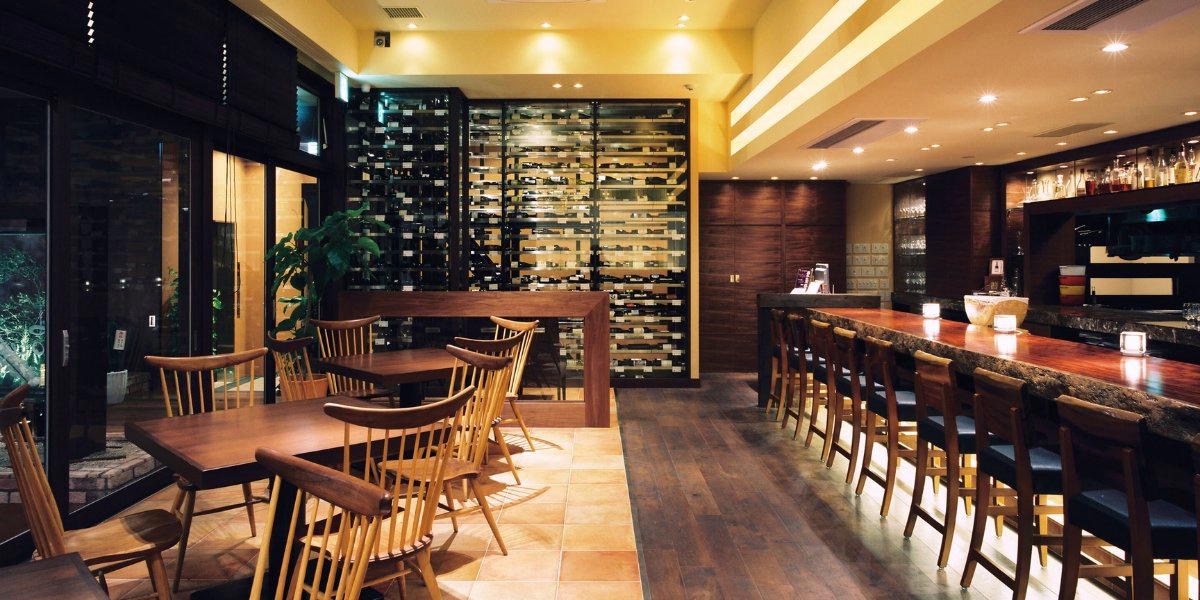
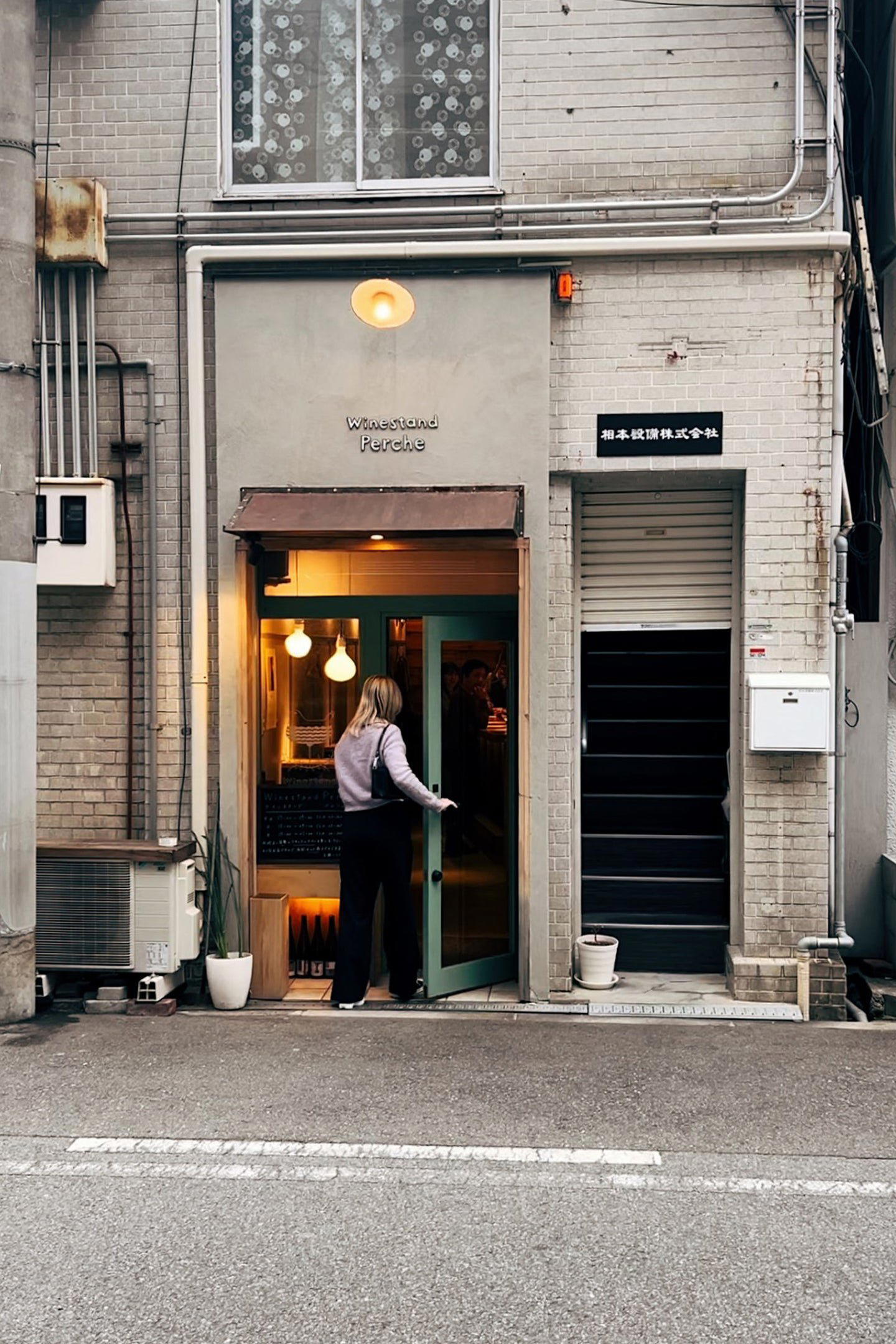
Bars in Mino
Browse all →

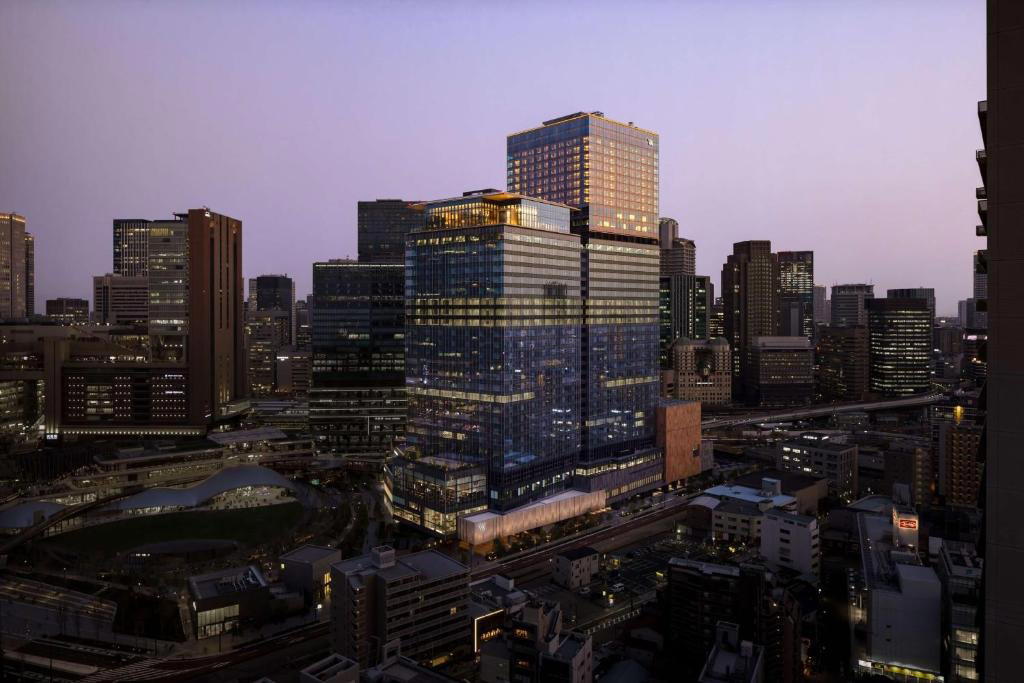
Hotels in Mino
Browse all →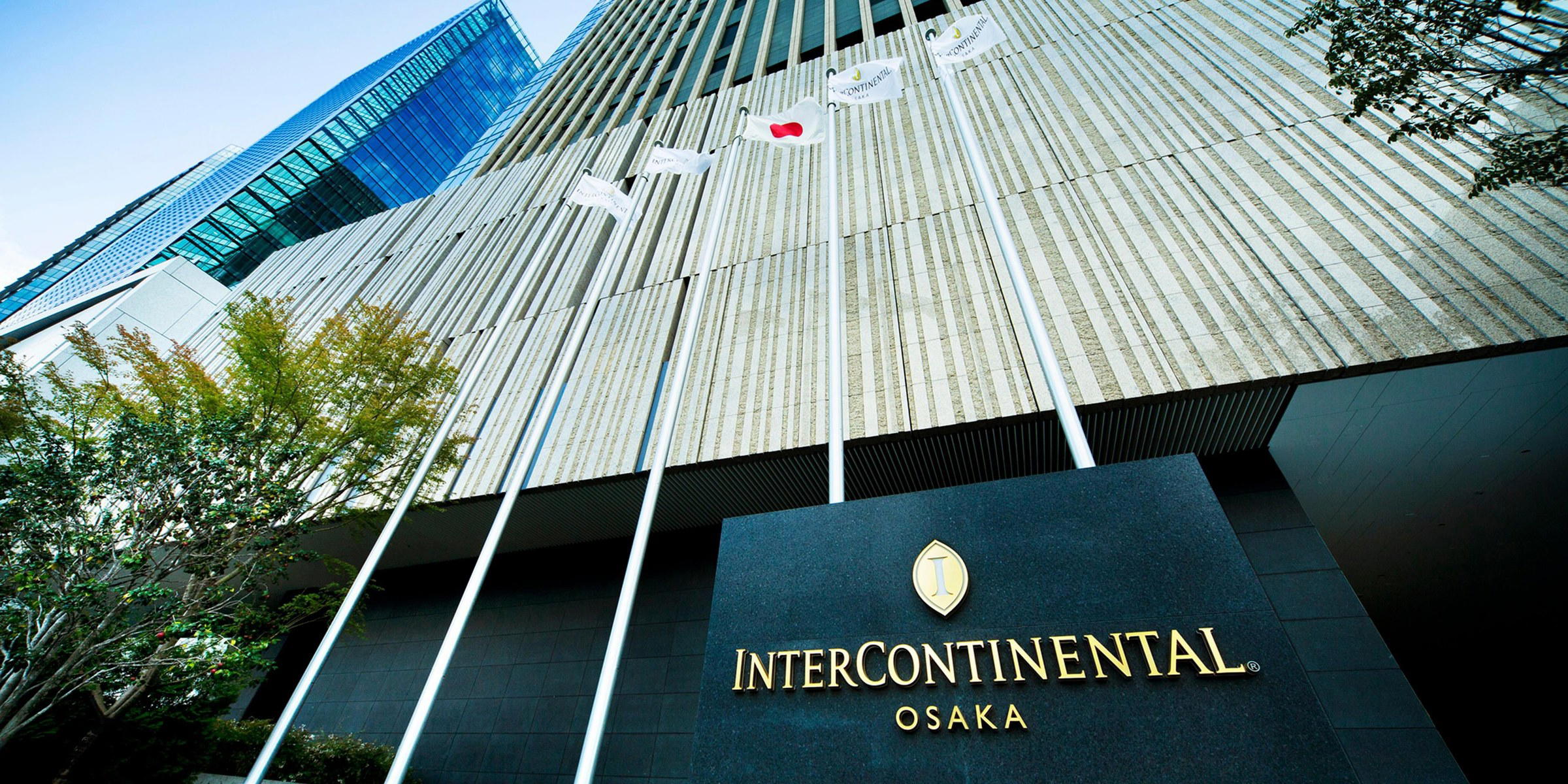
Wineries in Mino
Browse all →
Details
- Scenic
- Elegant
- Quiet
- Intimate
- Classic
- Special Occasion
- Celebration
- Date Night
- Business Dinner
- Private Dining
- Garden
- Historic Building
- Standalone
- Sake Program
- Sommelier Led
- Local Sourcing
- Organic
- Garden
- Mountain
- Tasting Menu
- Set Menu
- Sake Pairing
- Seasonal Beverages
- Organic Focus
- Allergy Accommodating
Current opening hours
- Monday
- 12–2 PM, 6–8 PM
- Tuesday
- Closed
- Wednesday
- 12–2 PM, 6–8 PM
- Thursday
- 12–2 PM, 6–8 PM
- Friday
- 12–2 PM, 6–8 PM
- Saturday
- 12–2 PM, 6–8 PM
- Sunday
- 12–2 PM, 6–8 PM
Hours can change for holidays and private events. Hours as of .
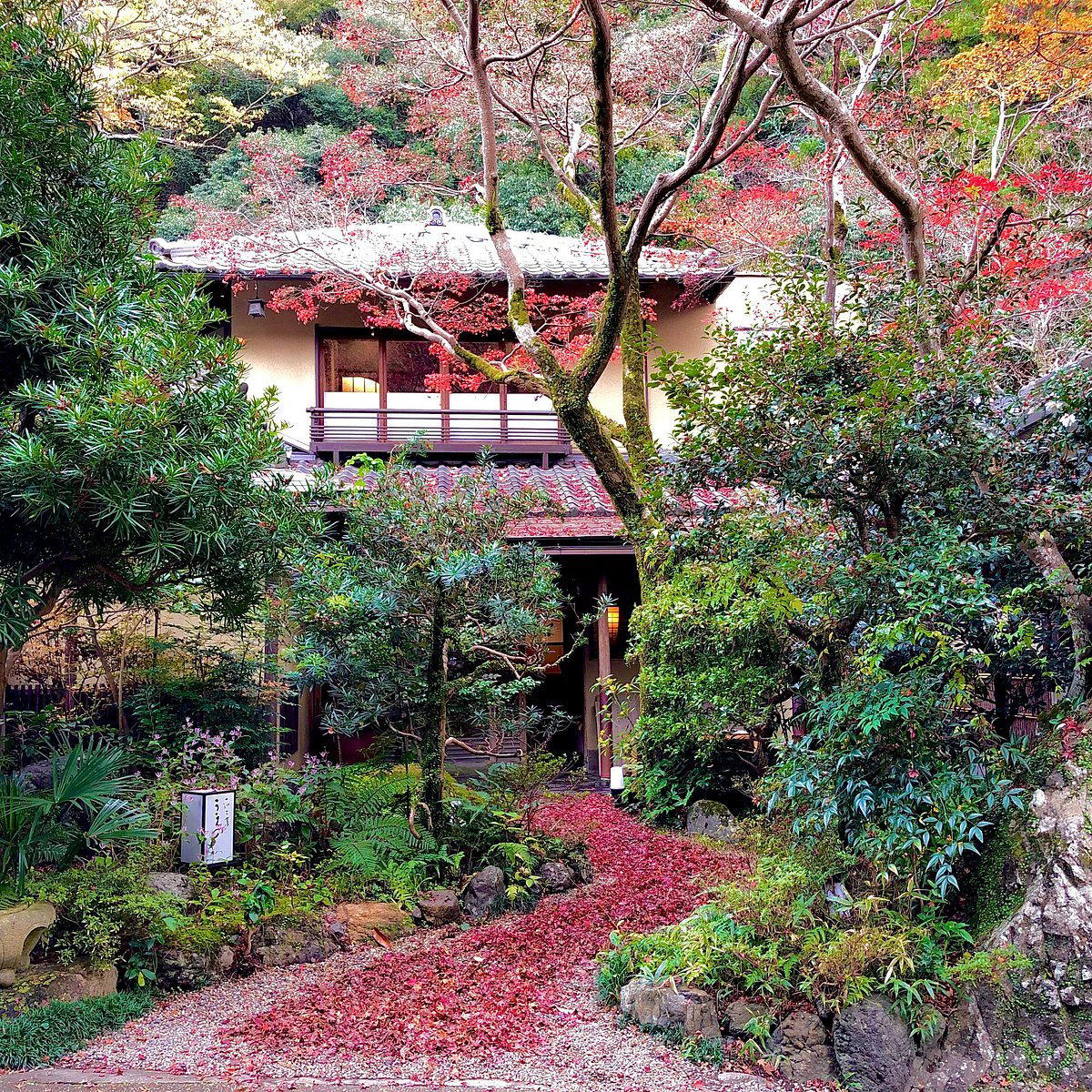
Serene and tranquil with natural light filtering through forest surroundings; intimate private rooms steeped in historic elegance with views of lush greenery and river murmurs.