Holsterhof

Michelin Plate
Our verdict
Set on a working camping farm in rural Limburg, Holsterhof has earned a Michelin Plate (2024) for modern cuisine that draws directly from its agricultural surroundings. Two set menus built around daring ingredient combinations, including a red curry and coconut milk preparation with quail and black lentils, sit within a light-filled dining room where the service runs warm and unhurried. For Posterholt, this is as serious a kitchen as you will find.

Pearl is the En Primeur Club membership app, where members save venues, book tables and use the concierge.
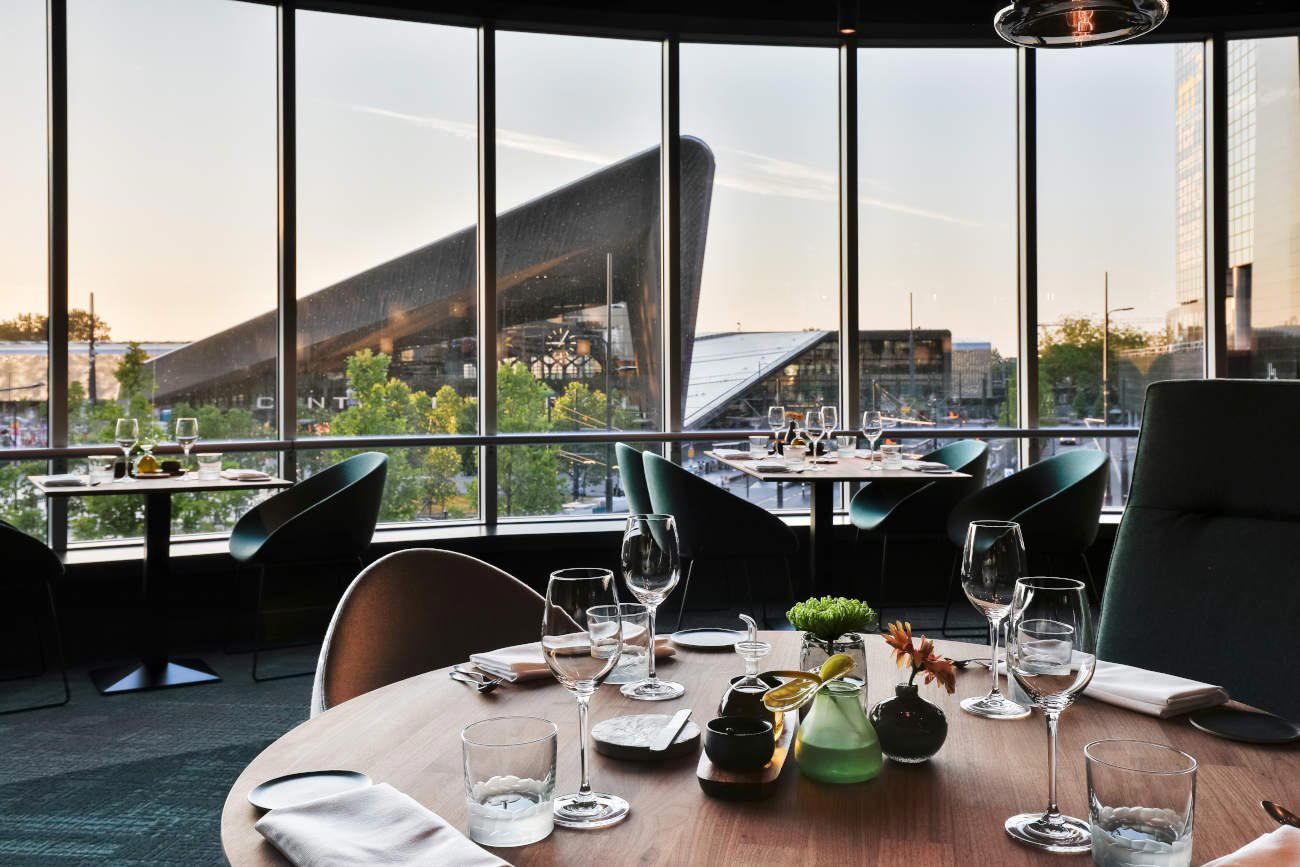
A Farm Dining Room in Rural Limburg
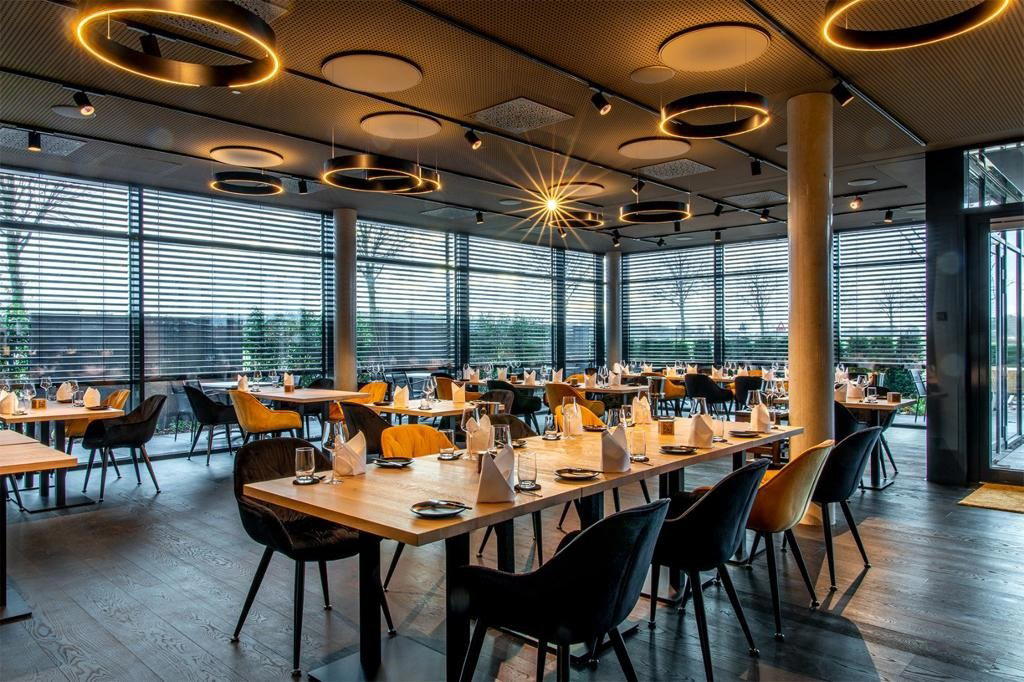
The road into Posterholt offers little warning of what awaits at Paalderweg 2. Limburg's southeastern corner is green, quiet, and agricultural in the way that most of the Netherlands stopped being decades ago. The approach to Holsterhof passes through that landscape: a working camping farm where the rhythms of food production remain visible. The dining room itself sits inside a modern, light-filled structure that reads as deliberate contrast to the earthy surroundings, glass and clean lines opening onto lush greenery, a spatial decision that places the source material of the kitchen permanently in view.
That tension between field and plate is not incidental. In a country where premium dining has historically concentrated in Amsterdam, Zwolle, and the major southern cities, farm-adjacent restaurants operating at a serious culinary level represent a distinct and smaller category. For context, consider that neighbours in the Dutch Michelin tier De Librije in Zwolle at three stars, or 't Nonnetje in Harderwijk at two, operate in urban or semi-urban settings where ingredient sourcing is an active logistical exercise. At Holsterhof, the farm is the setting, and the kitchen's relationship to produce starts a few hundred metres from the stove.
What the Kitchen Does with Its Ingredients
Michelin awarded Holsterhof a Plate in 2024, the designation reserved for kitchens producing food of consistent quality without yet reaching the star threshold. The recognition aligns with what the evaluators noted in their citation language: a chef who builds daring combinations without overcomplicating the plate, and who applies particular skill in sauce construction. Those two qualities matter in the context of ingredient-led cooking. A technically strong sauce maker can bring out what a producer has achieved; poor sauce work can flatten it. The red curry with coconut milk applied to quail leg and black lentils, cited specifically in the Michelin assessment, is an example of that balance in practice: the curry adds depth rather than heat-for-its-own-sake, and the black lentils provide structural contrast to the tender leg without competing for attention.
Two set menus form the entire offering. When a menu changes to reflect what is available and at its peak, the set format is the mechanism that makes that possible without creating operational chaos. At Holsterhof, the Michelin note that the kitchen consistently surprises with subtle nuances points to a menu that moves rather than repeats.
The price bracket is €€€, placing Holsterhof below the €€€€ tier occupied by the multi-star addresses in the Dutch system. That positioning is worth noting for planning purposes: comparable culinary ambition at this level, say, Brut172 in Reijmerstok or Basiliek in Harderwijk, both operating modern cuisine at the €€€ mark, appeal to diners making a considered choice rather than an impulse booking.
Service and the Room
The front-of-house operation is led by a hostess whose handling of the room is described in the Michelin assessment as relaxed and friendly. In practice, this means the room does not carry the formality of the starred Dutch urban tables. Ciel Bleu in Amsterdam and Aan de Poel in Amstelveen both operate with a more structured service cadence. At Holsterhof, the farmhouse setting logically shapes the interaction: guests are at a working property in a rural village, and the service style reflects that without becoming casual to the point of inattention.
The room's modern, light-filled character means the experience shifts with the time of day and the season. Limburg's agricultural calendar is pronounced: the landscape goes from bare winter fields to green summer cover in a matter of weeks, and the dining room's relationship to the view outside changes accordingly. Booking for an evening in late spring or summer, when the surrounding greenery is at full density, gives the glass-heavy space a different quality than a late autumn dinner. That seasonal dimension is not incidental given the kitchen's sourcing orientation.
Where It Sits in the Dutch Dining Picture
The Netherlands has developed a coherent mid-to-high tier of modern cuisine restaurants outside its major cities, many of them in Limburg, Gelderland, and Noord-Brabant. De Groene Lantaarn in Staphorst, De Treeswijkhoeve in Waalre, and De Bokkedoorns in Overveen are part of that broader pattern: serious kitchens embedded in non-urban settings, drawing from local produce traditions and building reputations that pull diners out of the cities. Holsterhof fits that pattern, with the additional layer that its farm context is not aesthetic; the camping farm is operational, which shapes what the kitchen has immediate access to and how it thinks about ingredient cycles.
For an international comparison, the farm-embedded restaurant model has found its most developed expression in Scandinavia and parts of northern Europe, where proximity to production is treated as a structural advantage rather than a marketing angle. Borkonyha Winekitchen in Budapest represents a different version of the same principle in central Europe: regional produce positioned seriously within a modern cuisine framework. Holsterhof's Limburg setting offers its own version: a border region with agricultural traditions that run from the Netherlands into Belgium and Germany, and a kitchen that builds menus within that supply reality.
Planning a Visit
Holsterhof is located at Paalderweg 2, 6061 NV Posterholt, in the southeastern corner of the Netherlands close to the German border. Posterholt itself is a small village, and reaching it comfortably requires a car; the nearest significant transport hub is Roermond, roughly ten kilometres to the west. Given the rural setting and the Michelin recognition, booking ahead is advisable, as this is not a walk-in table. Hours and current menu pricing are best confirmed directly with the restaurant. Use the experiences guide to plan a fuller itinerary in the region.
The €€€ price bracket and farm setting make Holsterhof accessible to a wider range of guests than a starred urban restaurant would be, though the set menu format means diners commit to the kitchen's direction rather than ordering à la carte. That structure rewards guests who are interested in what the kitchen is doing with seasonal ingredients rather than those seeking a flexible à la carte experience.
Frequently asked questions
Is Holsterhof child-friendly?
Holsterhof sits on a working camping farm in a village setting, which gives the space a relaxed, open character uncommon at the €€€ price tier. That said, the kitchen operates on set menus at a level recognised by a 2024 Michelin Plate, so the format is structured rather than casual. Families with older children comfortable with a multi-course sitting will find the rural, light-filled surroundings accommodating.
What is the atmosphere like at Holsterhof?
The dining room is modern and light-filled, set within the greenery of the Limburg countryside on a camping farm at Paalderweg 2, Posterholt. Service is relaxed and friendly, the Michelin Plate citation (2024) specifically notes this tone as part of the overall experience. The combination of a contemporary interior with a rural agricultural setting gives the room a character distinct from urban €€€ restaurants.
What dish is Holsterhof famous for?
The 2024 Michelin Plate citation singles out a red curry with coconut milk paired with quail leg and black lentils as a marker of the kitchen's approach: daring combinations executed without unnecessary complexity. Chef Kaj is noted specifically as an expert sauce maker, and this dish illustrates how depth of flavour is built through technique rather than ingredient volume. It appears in the two set menus the kitchen works with consistently.
What type of food is Holsterhof known for?
Holsterhof is a modern-cuisine restaurant in the €€€ price tier.
In Context: Similar Options
A quick comparison for context.
| Venue | Cuisine | Price | Awards | Notes |
|---|---|---|---|---|
| HolsterhofThis venue (the venue you are viewing) | Modern French with Asian Influences | $50–100 | Michelin Plate | Not listed |
| De Librije | Modern Dutch Fine Dining | $200–300 | 3 Michelin Stars · World's 50 Best #46 | Modern Cuisine |
| Aan de Poel | Modern French Fine Dining | $150–200 | 2 Michelin Stars · La Liste Top Restaurants | Creative |
| De Lindehof | Contemporary Dutch, Creative | Not listed | Michelin 2 Star | Not listed |
| Fred | Modern French Fine Dining | $200–300 | 2 Michelin Stars · La Liste Top Restaurants | Creative French |
| De Nieuwe Winkel | Botanical Fine Dining | $300–500 | 2 Michelin Stars · La Liste Top Restaurants | Organic |
Recognition history
Dated appearances from independent guides and award organizations, with the underlying list record or original source where available.
Michelin Plate
Michelin
Full recognition history (2 entries)
Michelin Plate
Michelin
Continue exploring
More in Posterholt
Restaurants in Posterholt
All restaurants in Posterholt →
Bars in Posterholt
Browse all →
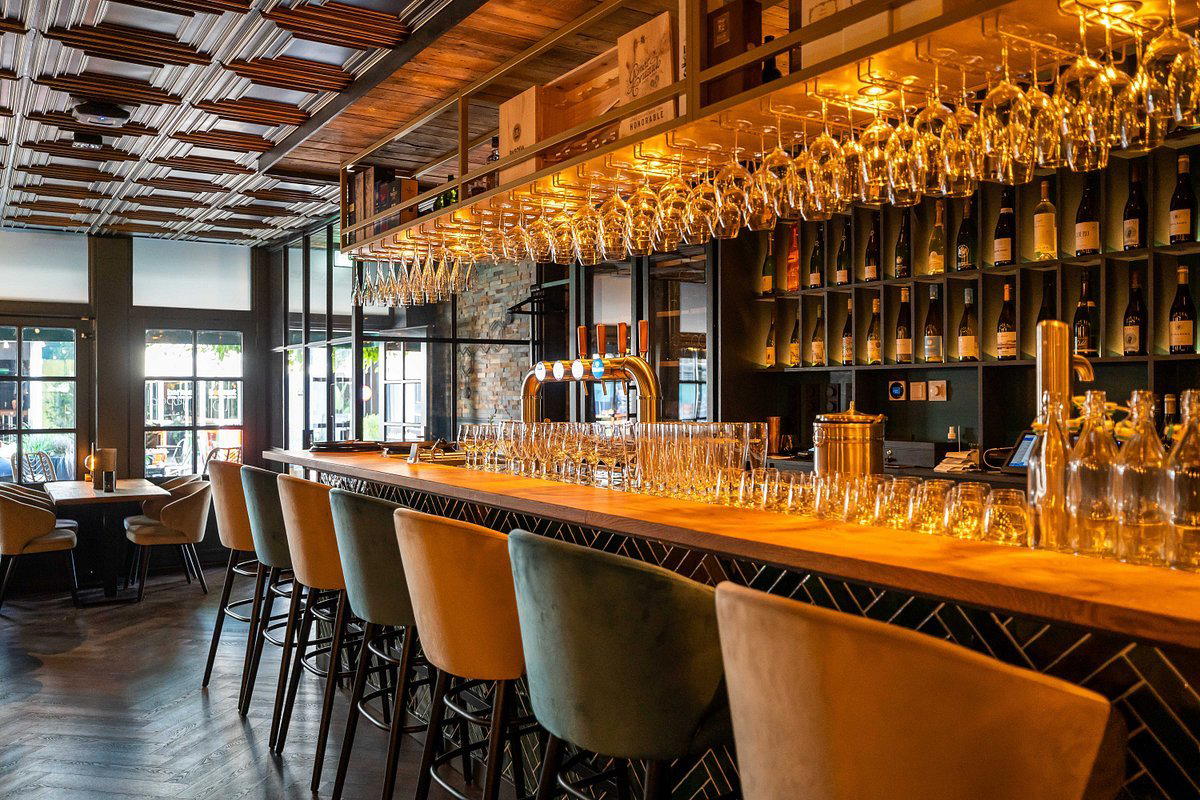
Hotels in Posterholt
Browse all →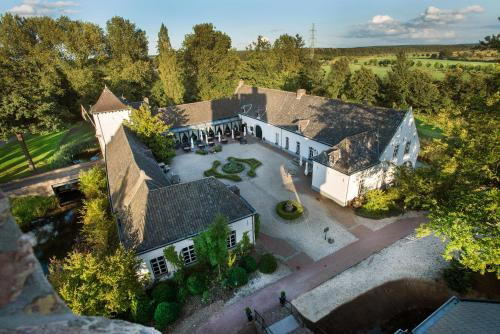
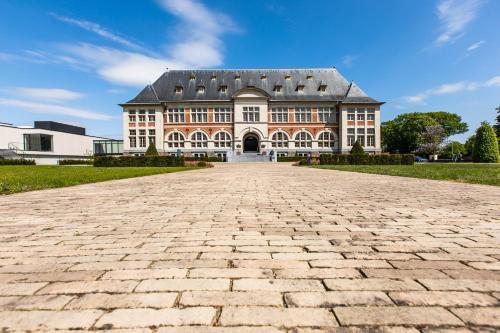
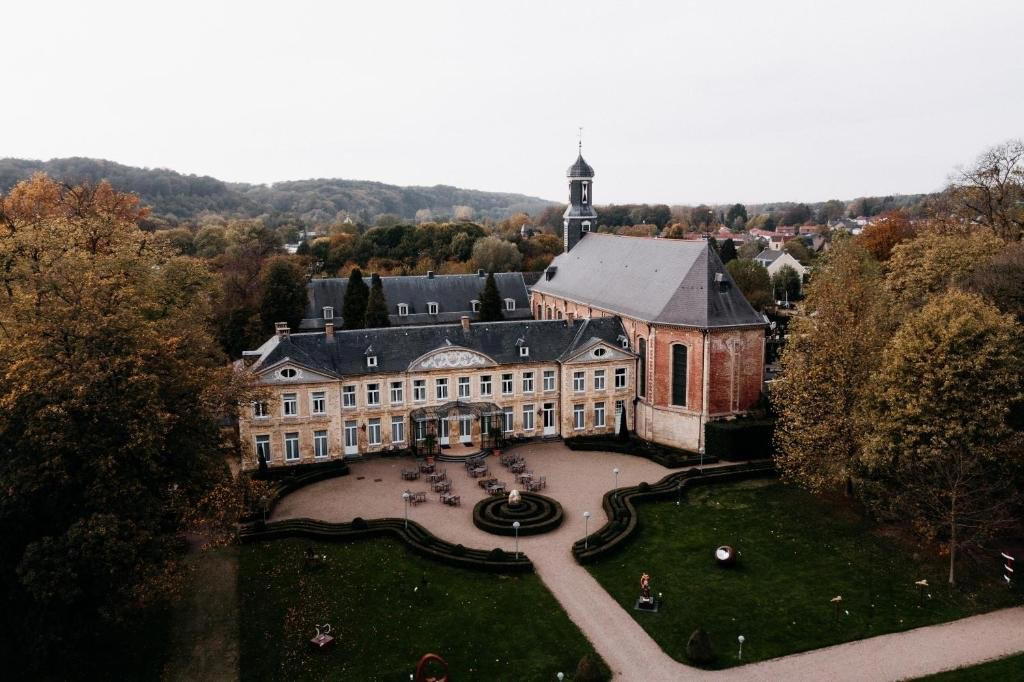
Wineries in Posterholt
Browse all →

Details
- Cozy
- Elegant
- Modern
- Rustic
- Date Night
- Special Occasion
- Open Kitchen
- Extensive Wine List
- Local Sourcing
- Garden
- Set Menu
- Vegetarian Friendly
Current opening hours
- Monday
- Closed
- Tuesday
- Closed
- Wednesday
- Closed
- Thursday
- 6–8 PM
- Friday
- 12–1:30 PM, 6–8 PM
- Saturday
- 12–1:30 PM, 6–8 PM
- Sunday
- 12–1:30 PM, 6–7 PM
Hours can change for holidays and private events. Hours as of .
Modern light-filled space surrounded by lush greenery with a relaxed friendly atmosphere.