Our verdict
Fichtenhof sits in Cauria, a quiet corner of South Tyrol where the agricultural rhythms of the Autonome Provinz Bozen define what ends up on the table. The address, Gfrill, 23, places it in farming country, where proximity to source is less a philosophy than a geographic fact. For visitors willing to travel off the region's better-known circuits, that rootedness is the point.

Pearl is the En Primeur Club membership app, where members save venues, book tables and use the concierge.
Where South Tyrol's Farming Country Shapes the Plate
South Tyrol operates on a logic most Italian regions can only approximate: the distance between field and kitchen is short enough to be measured in minutes rather than supply-chain abstractions. Cauria, a settlement in the Autonome Provinz Bozen, sits inside that logic. The plateau country here, refined, cool, and sharply seasonal, produces ingredients that carry the altitude in them: firmer textures, more concentrated flavour profiles, a growing season compressed enough that producers treat each week of it with some urgency. Fichtenhof, at Gfrill 23, occupies this terrain directly. The address is not a neighbourhood in any urban sense; it is a location in farming country, and that distinction matters when you are thinking about what ingredient sourcing actually means in practice.
The broader South Tyrolean dining tradition has drawn serious international attention in recent years, partly through venues like Atelier Moessmer Norbert Niederkofler in Brunico, where a sourcing philosophy centred on the Alps has been developed into a full creative framework. That kind of high-concept regionalism tends to get the column inches. Fichtenhof operates at a different register, quieter, more rooted in the agricultural texture of the place than in the editorial narrative of it. Whether that translates to a simpler experience or a more direct one depends on what you are looking for when you travel to eat.
The Character of the Setting
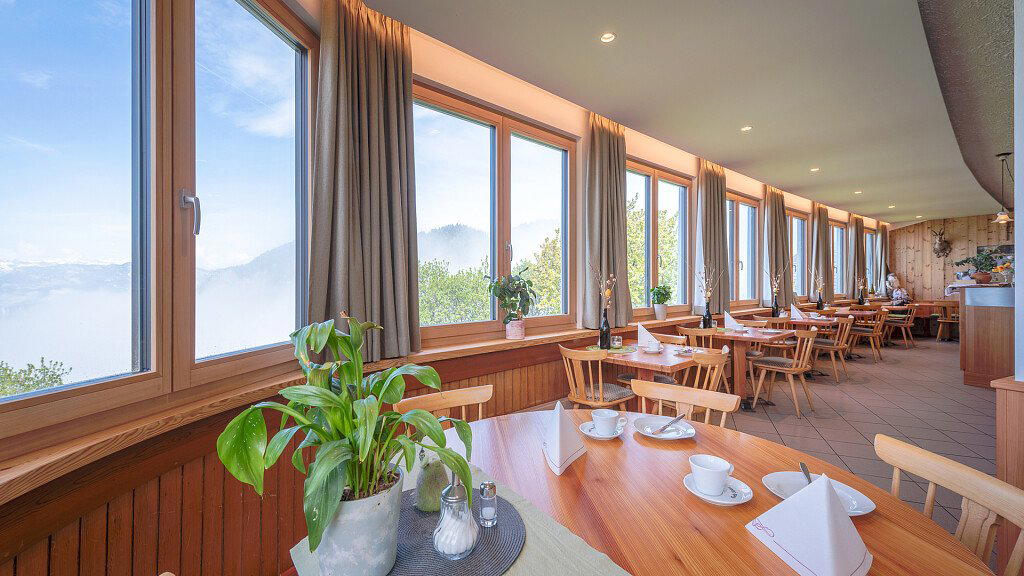
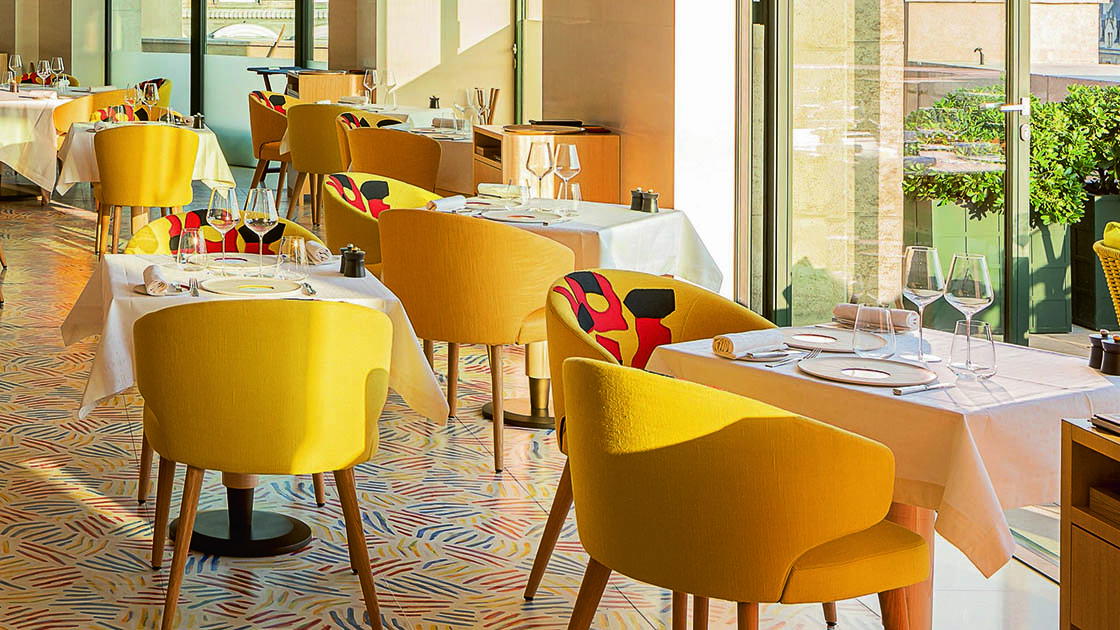
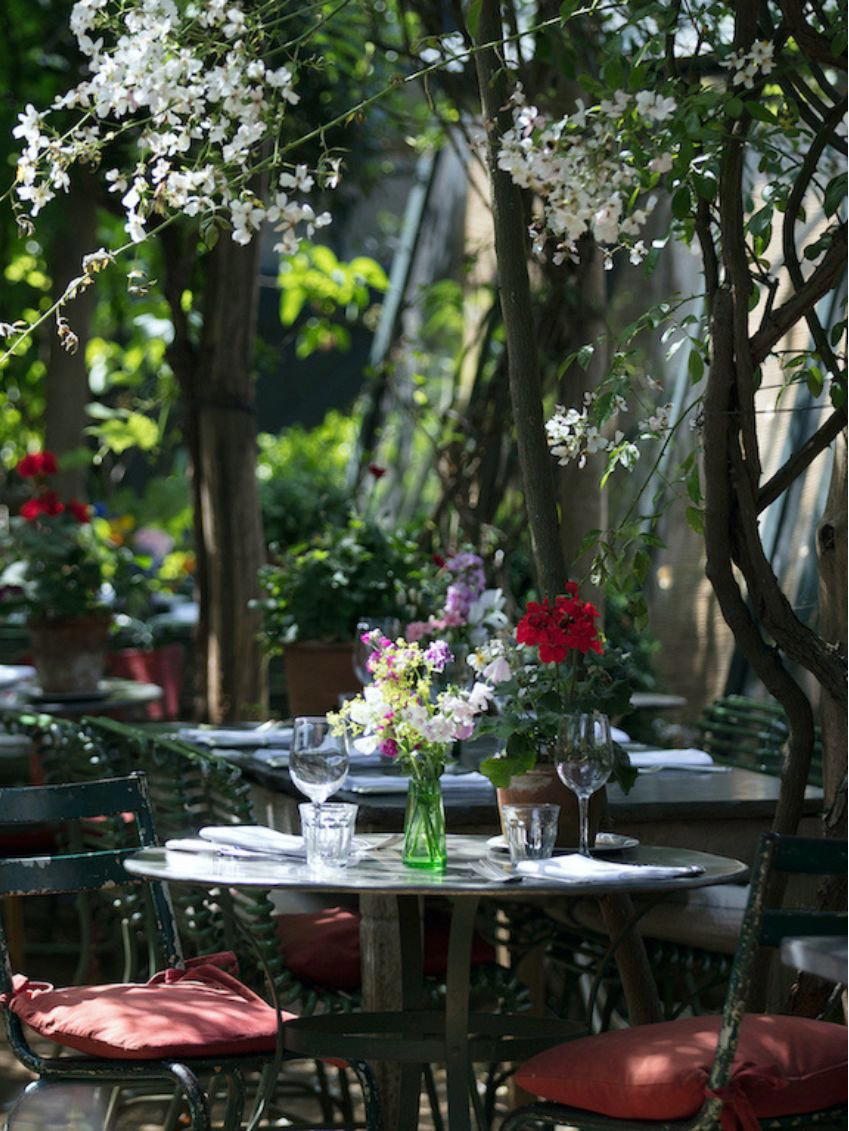
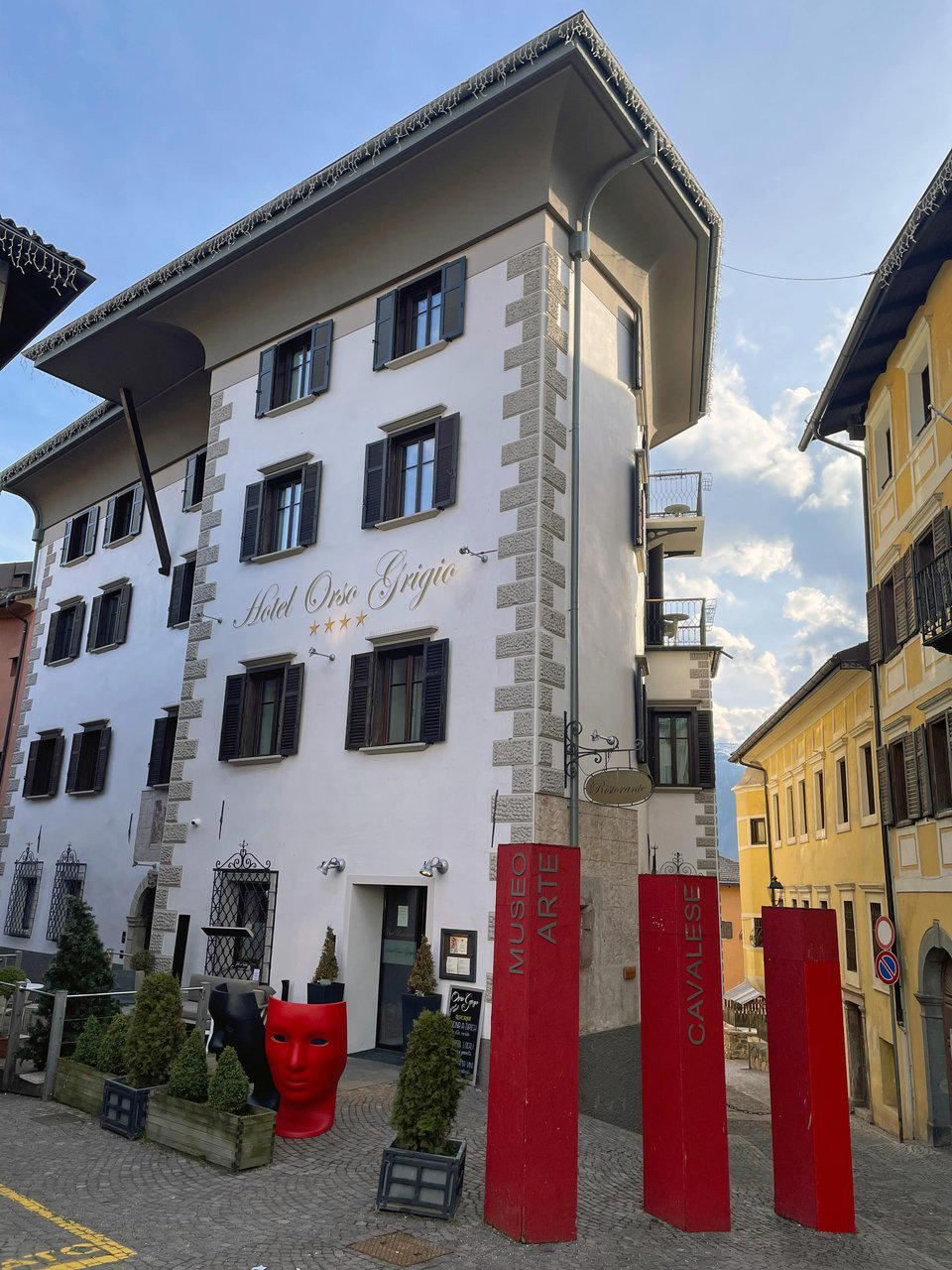
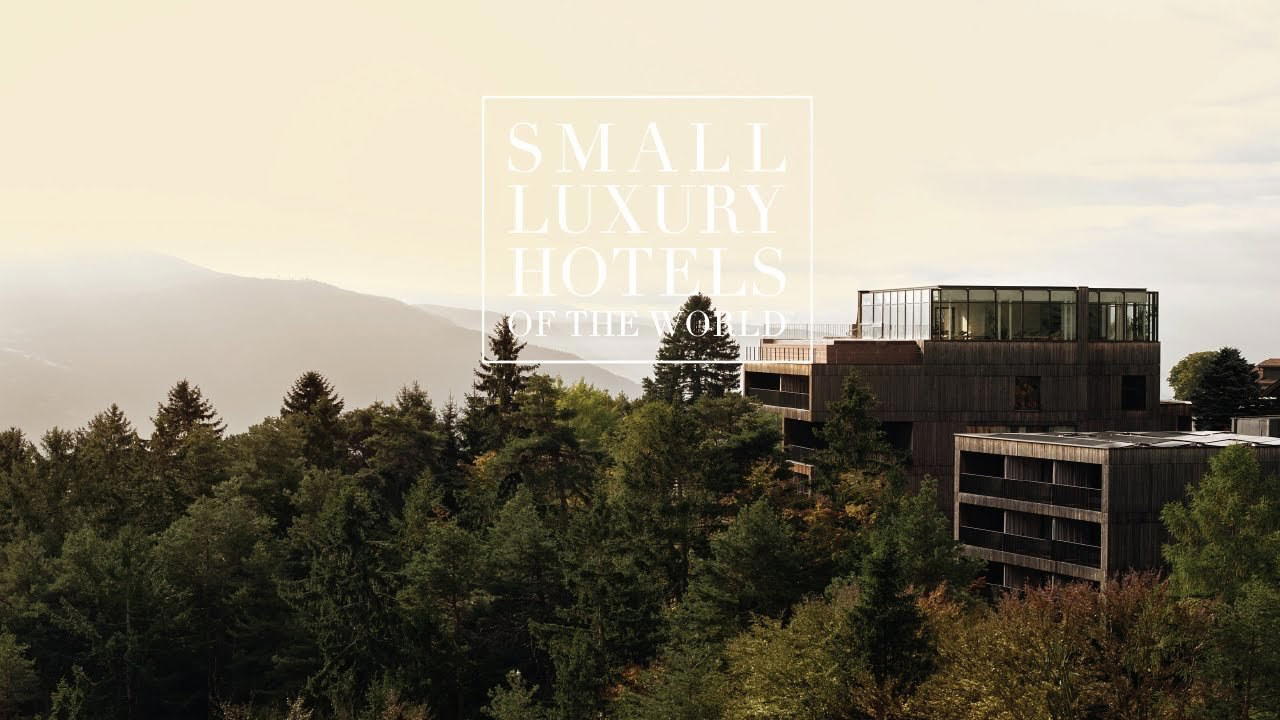
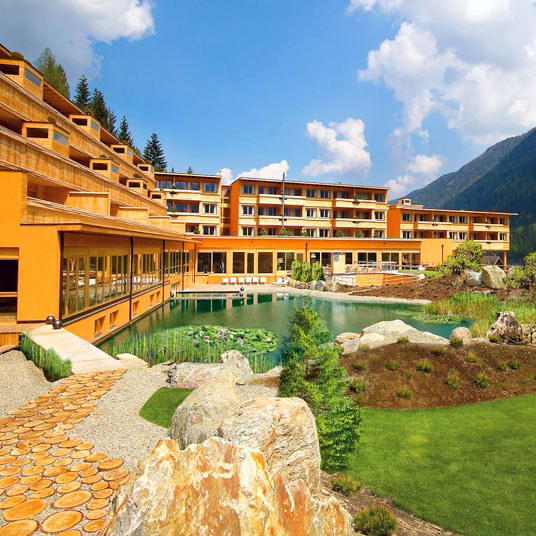
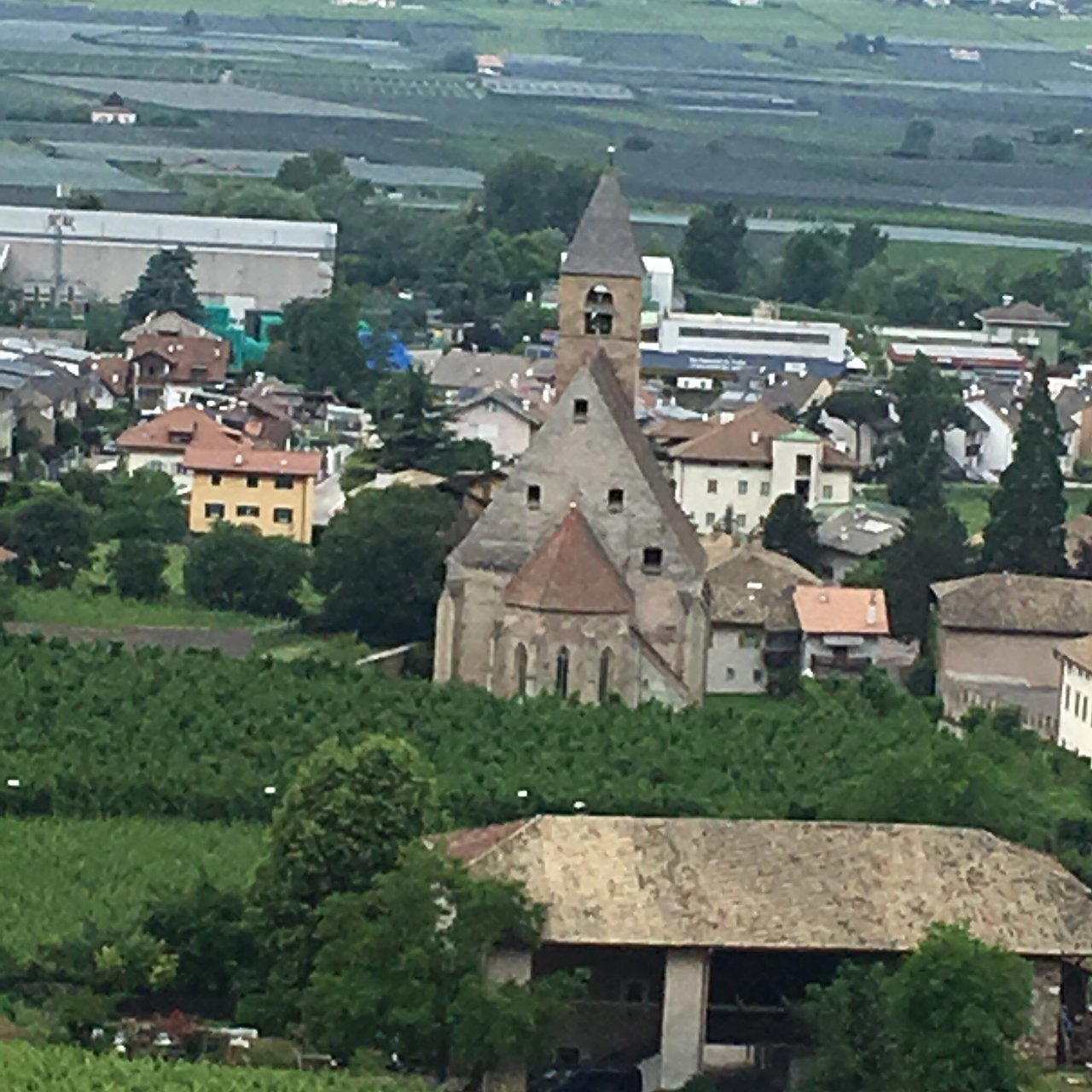
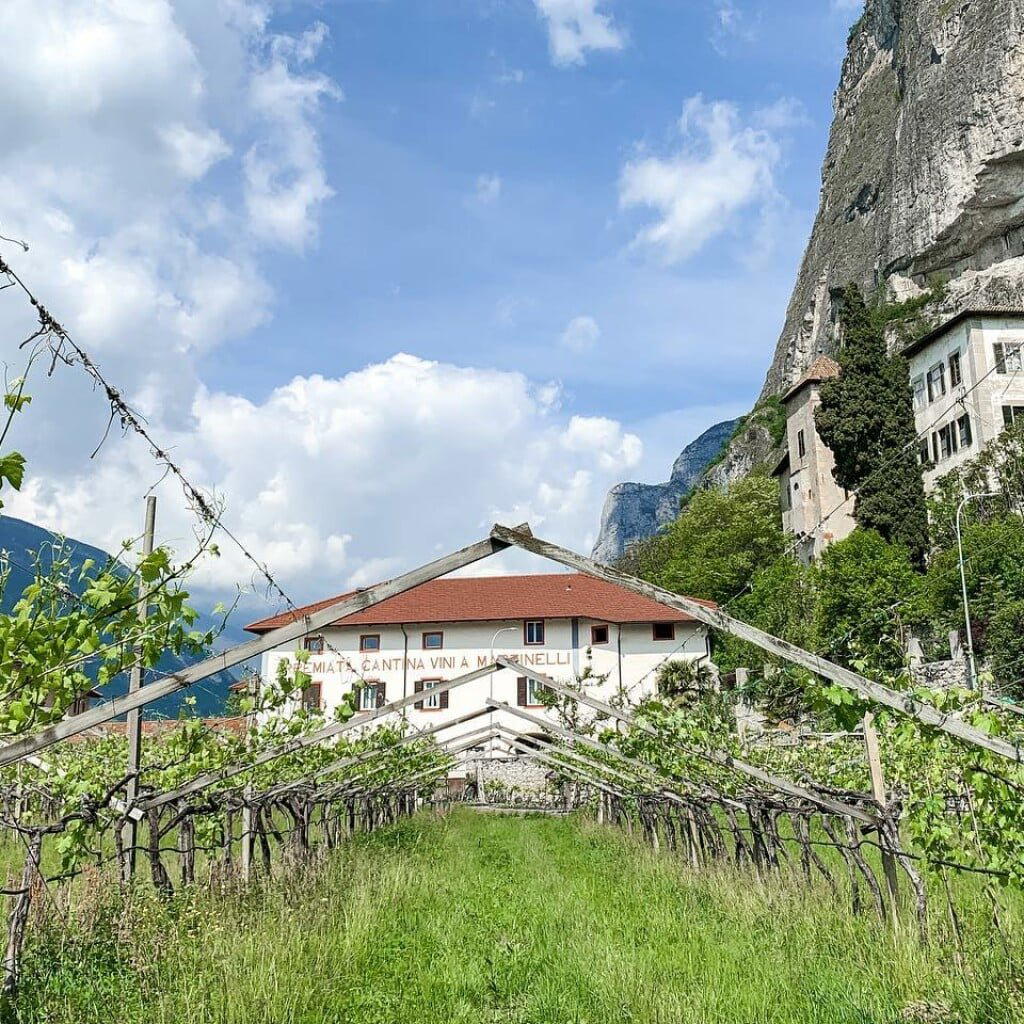
Approaching Fichtenhof means arriving at a property embedded in the agricultural fabric of the South Tyrolean countryside rather than positioned against a scenic backdrop as a design statement. The visual language of this part of the Bolzano province is legible and consistent: working farms, apple orchards at lower elevations, pasture land climbing toward the treeline, and the specific quiet that comes from being at some distance from the through-roads the region's tourist infrastructure tends to follow. The building sits in that context without theatrical separation from it.
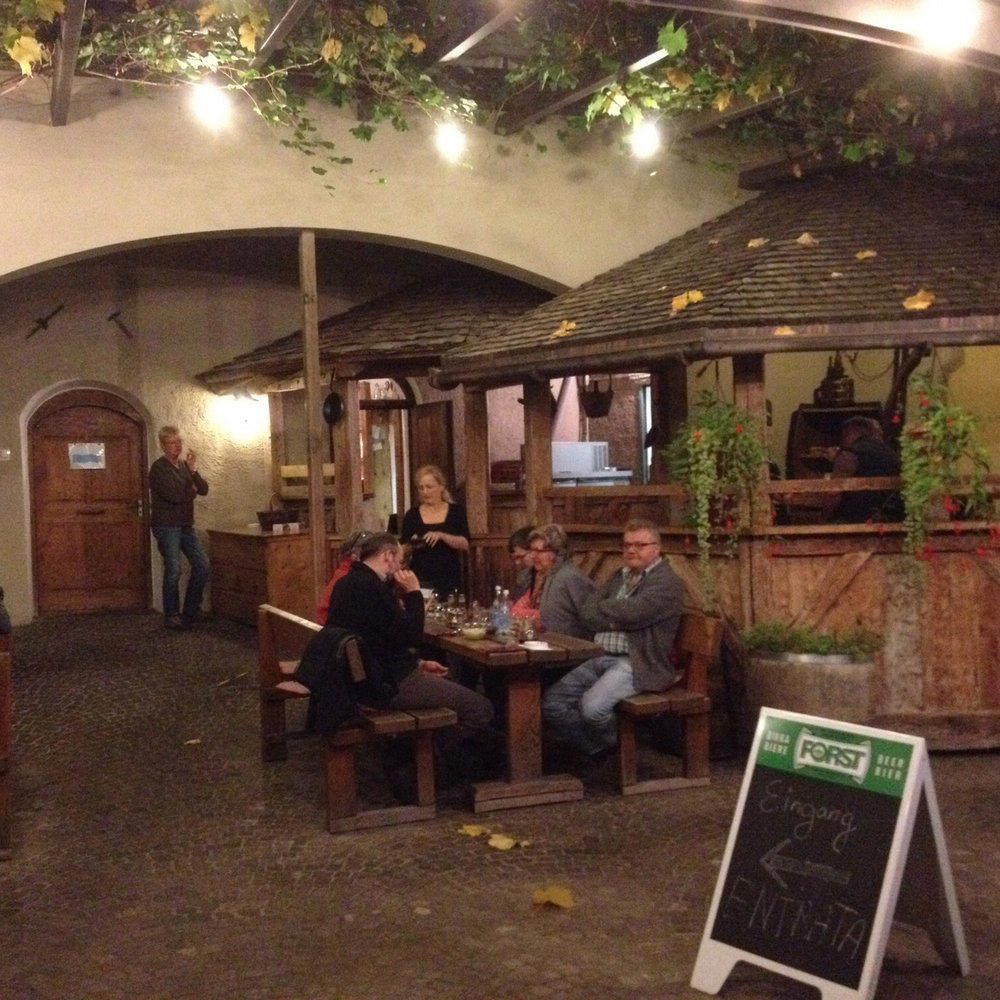
The atmosphere that follows from this setting is less curated than you would find at a property that has been designed for destination dining. That is neither a criticism nor a concession, it is a description of a particular kind of hospitality that South Tyrol's farming communities have practised for generations, where the measure of a meal is the quality of what is on the table rather than the theatre surrounding it. Visitors accustomed to the production values of, say, Osteria Francescana in Modena or La Pergola in Rome should calibrate expectations accordingly. The register here is different, not lower.
Ingredient Sourcing as Geographic Fact
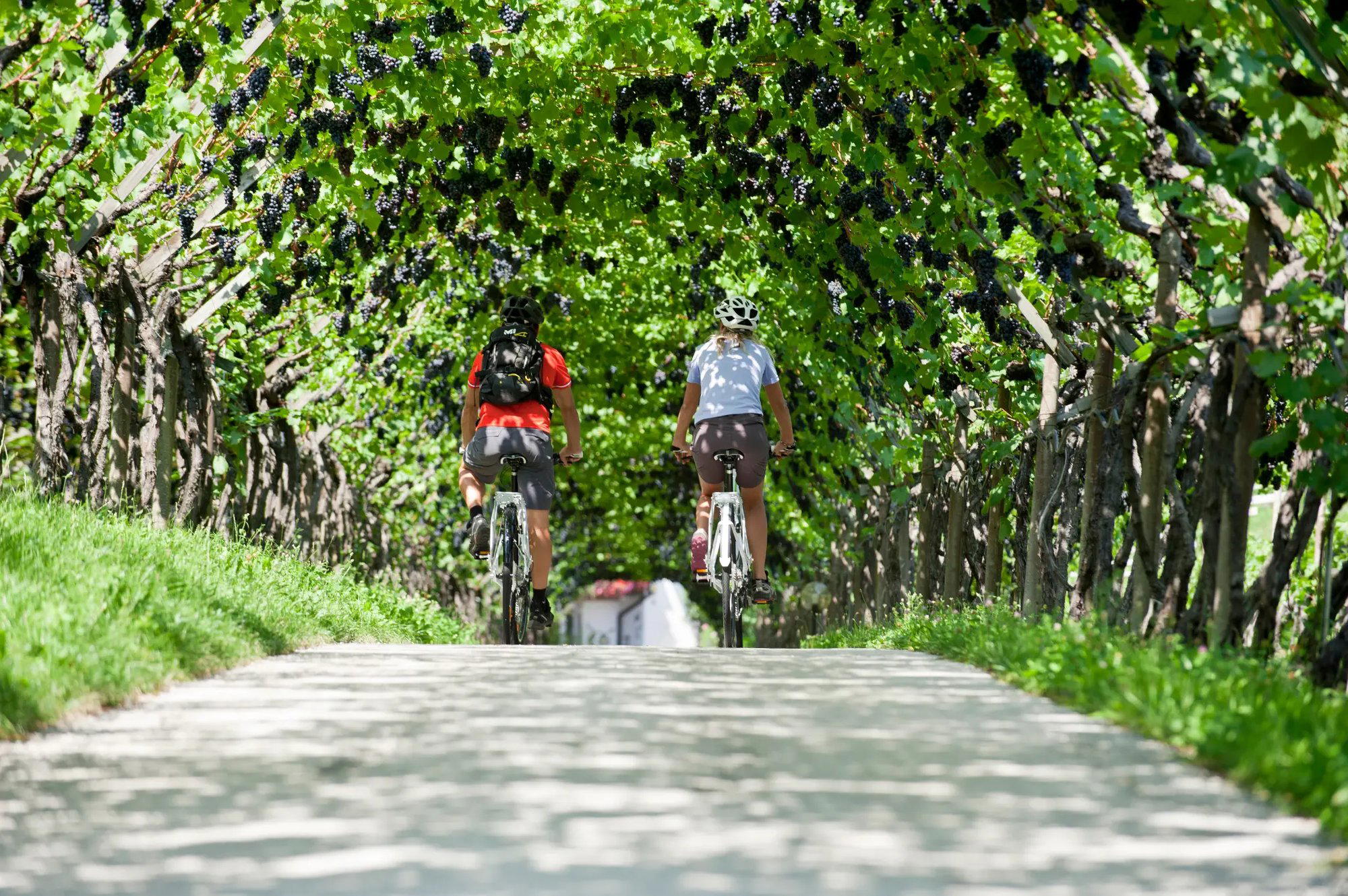
The sourcing argument for South Tyrolean farm kitchens rests less on the fashionable vocabulary of farm-to-table and more on a structural reality: the region's producers are physically close, the climate dictates seasonal rhythms with some force, and the local food culture has a long memory for what the land yields in each part of the year. Speck, dairy from alpine pastures, wild mushrooms from the surrounding forest edges, and produce from the cool-season garden all follow a calendar that the leading South Tyrolean kitchens read rather than override.
At the latitude and altitude of Cauria's plateau, that seasonal compression is especially pronounced. The growing season runs shorter than in the valley floors around Bolzano, and the ingredients that emerge from it carry that fact. This is the kind of sourcing context that Italy's more decorated restaurants in the north, Dal Pescatore in Runate, Le Calandre in Rubano, or Piazza Duomo in Alba, invoke as principle. In a working farm property like Fichtenhof, it is simply the condition of operation.
That distinction between principle and condition is worth sitting with. A restaurant that sources locally because its supply chain is local, because its producers are neighbours, and because its menu is shaped by what those producers have available in a given week is doing something structurally different from a restaurant that has built a sourcing program as a deliberate creative choice. Both approaches can produce serious food; they arrive at it from different directions. South Tyrol's farm-based hospitality tradition belongs to the first category, and Cauria is one of the parts of the province where that tradition has the least dilution from tourism pressure.
Placing Fichtenhof in the Regional Picture
Within Italy's broader fine dining circuit, South Tyrol represents a distinct regional voice, one shaped as much by its German-speaking cultural inheritance and its Alpine geography as by the Italian culinary mainstream. The province produces a hospitality culture that does not map neatly onto the frameworks most visitors bring from experience of restaurants in Rome, Florence, or Milan. Properties like Fichtenhof exist in a different tier of that culture: not the high-concept tasting menu format that draws international critics, but the quieter register of Tyrolean farm hospitality that predates the region's current tourist reputation and will likely outlast its trendiest iterations.
For comparison points at the refined end of Italian dining, Enoteca Pinchiorri in Florence, Enrico Bartolini in Milan, Da Vittorio in Brusaporto, and Villa Crespi in Orta San Giulio all operate within a format-driven, internationally legible luxury framework. Fichtenhof does not compete in that space and should not be evaluated against it. Internationally, the format has parallels at places like Lazy Bear in San Francisco, where the communal, produce-led format is a deliberate structural choice, though the contexts differ substantially.
Travellers building an itinerary around serious eating in northern Italy, perhaps anchoring in Modena, Senigallia (where Uliassi operates at the highest level of Italian seafood cooking), or further south at Reale in Castel di Sangro, and extending northward into South Tyrol will find Cauria a meaningful detour. It is not on the route that most itineraries follow, which is part of the case for it. Quattro Passi in Marina del Cantone or Gambero Rosso in Marina di Gioiosa Ionica represent the southern Italian coastal register; Fichtenhof is the alpine interior counterpoint, and those are genuinely different experiences of what Italy produces at the table. For broader context on the area, see our full Cauria restaurants guide.
For planning, note that Cauria is not a destination with significant transport infrastructure. Arriving by car from Bolzano is the practical approach; the plateau location means that the journey up is part of the experience, and timing arrival for daylight will make that approach considerably more rewarding.
Frequently asked questions
Would Fichtenhof be comfortable with kids?
Fichtenhof sits within the agricultural countryside of Cauria in South Tyrol, a setting that tends to suit families more naturally than urban fine dining rooms. Farm-rooted properties in this part of Südtirol generally operate with an informal register that accommodates children without friction.
What should I expect atmosphere-wise at Fichtenhof?
The address, Gfrill 23, deep in the South Tyrolean countryside outside Cauria, signals the tone before you arrive. This is agricultural South Tyrol, where the built environment is defined by working farms and mountain terrain rather than resort infrastructure. Expect a grounded, rural character shaped by the property's embeddedness in that landscape rather than any positioning toward hospitality spectacle.
Is Fichtenhof typical of South Tyrol's Hofschank farm hospitality tradition?
South Tyrol maintains a distinct category of farm-based hospitality, the Hofschank or Buschenschank, where licensed agricultural properties serve food and drink produced largely on-site, a model regulated under regional law in the Autonome Provinz Bozen. Fichtenhof's address in Cauria places it within exactly this rural Südtirol context, where working farms and kitchens operate as a single unit.
What dish is Fichtenhof famous for?
What the South Tyrolean farm kitchen tradition does consistently produce is cooking anchored to the immediate agricultural region: cured meats, dairy, and seasonal produce sourced within short distances of the kitchen. The cuisine type at Fichtenhof is not formally categorised, so the actual offering should be confirmed with the venue.
Where exactly is Fichtenhof?
Fichtenhof is located at Gfrill, 23, 39040 Cauria, Autonome Provinz Bozen - Südtirol, Italy, Cauria.
Can I walk in to Fichtenhof?
Fichtenhof's location at Gfrill 23 in Cauria means it sits in rural South Tyrol, well outside any pedestrian town centre, making walk-in access practically unlikely without a vehicle. Contacting the property ahead of any visit is the only reliable way to confirm availability and access arrangements.
What is Fichtenhof known for?
Fichtenhof is known as a farm-embedded property in Cauria, operating within the agricultural tradition that defines South Tyrol's approach to food more broadly. In this part of Südtirol, the logic of the kitchen is shaped by geographic proximity to production, the region's farms, orchards, and dairies, rather than by imported culinary frameworks. No formal awards are recorded for Fichtenhof in current documentation.
Fast Comparison
| Venue | Cuisine | Price | Awards | Notes |
|---|---|---|---|---|
| FichtenhofThis venue (the venue you are viewing) | South Tyrolean | Not listed | Not listed | Not listed |
| Atelier Moessmer Norbert Niederkofler | Modern Alpine Fine Dining | $300–500 | 3 Michelin Stars · World's 50 Best #20 | Italian, Creative |
| Dal Pescatore | Classic Italian Fine Dining | $200–300 | 3 Michelin Stars · World's 50 Best #38 | Italian, Italian Contemporary |
| Quattro Passi | Modern Mediterranean Fine Dining | $300–500 | 3 Michelin Stars · World's 50 Best #38 | Italian, Mediterranean Cuisine |
| Reale | Modern Italian Fine Dining | $200–300 | 3 Michelin Stars · World's 50 Best #18 | Progressive Italian, Modern Cuisine |
| Uliassi | Modern Adriatic Italian Fine Dining | $300–500 | 3 Michelin Stars · World's 50 Best #51 | Italian Seafood - Marche, Creative |
Continue exploring
More in Cauria
Restaurants in Cauria
All restaurants in Cauria →
Details
- Rustic
- Cozy
- Scenic
- Family
- Casual Hangout
- Historic Building
- Local Sourcing
- Mountain
- A La Carte
- Vegetarian Friendly
Peaceful mountain atmosphere with friendly family hospitality in a rustic setting surrounded by meadows and forests.