Our verdict
Texcoco and the Tradition of the Open Fire Texcoco sits about 25 kilometres east of Mexico City, on the eastern shore of what was once Lake Texcoco, and it carries a culinary identity that the capital's fine-dining circuit rarely absorbs. The...

Pearl is the En Primeur Club membership app, where members save venues, book tables and use the concierge.
The menu
What to order
- Lamb barbacoa
- Consommé
- Blue corn tortillas
Texcoco and the Tradition of the Open Fire
Texcoco sits about 25 kilometres east of Mexico City, on the eastern shore of what was once Lake Texcoco, and it carries a culinary identity that the capital's fine-dining circuit rarely absorbs. The town's signature is barbacoa: lamb slow-cooked in maguey leaves, sealed in underground pits, and left overnight. That technique predates the colonial period, and Texcoco remains the place in the Estado de Mexico where the practice is most concentrated and most stubbornly local. El Pica 1 operates inside that tradition, and understanding the tradition is the first condition for understanding the restaurant.
The sourcing logic behind pit barbacoa is inseparable from the geography. Lamb from the surrounding valleys of the Estado de Mexico carries different fat ratios and flavour profiles than feedlot alternatives, and the maguey plant, whose leaves act as both steamer and flavour carrier in the pit, grows in the semi-arid highland terrain around Texcoco at altitudes that affect its moisture content and aromatic compounds. These are not decorative details. They are structural to why the dish tastes different here than in a Mexico City restaurant that imports finished product. The ingredient supply chain is short, immediate, and place-specific in a way that the farm-to-table framing of many upscale Mexican restaurants attempts to approximate but rarely achieves at this level of directness.
What the Pit Cooking Method Actually Means
In a moment when sourcing narratives have become standard marketing language across Mexican fine dining, from Pujol in Mexico City to Animalón in Valle de Guadalupe, the underground pit represents something more verifiable than a menu note about local farmers. The technique itself enforces provenance: you cannot run a proper barbacoa operation without access to the right lamb stock and fresh maguey leaves harvested locally. There is no industrial shortcut that produces the same result. That constraint is a form of quality assurance that no certification body needs to audit.
The consommé served alongside barbacoa in Texcoco-style operations deserves its own mention as a sourcing story. The broth is a byproduct of the cooking process, collecting the drippings and aromatics from the sealed pit overnight. It is, in the strictest sense, zero-waste cookery, and it predates any contemporary conversation about sustainable kitchen practice by several centuries. Garbanzos, herbs, and chilli are added regionally, but the base liquid is the pit itself. Diners who come expecting a separate dish are missing the point: the consommé and the meat are one process.
Where El Pica 1 Sits in the Texcoco Scene
Texcoco's barbacoa circuit is not built around fine-dining formats. The venues that anchor it operate on weekend schedules, close when the product runs out, and price at a fraction of what comparable ingredient quality would cost inside Mexico City's premium restaurant tier. El Pica 1 belongs to that circuit. This positions it differently from restaurants like KOLI Cocina de Origen in Monterrey or Levadura de Olla Restaurante in Oaxaca, where indigenous ingredients are reframed through a contemporary tasting format. The Texcoco model has no such intermediary layer. The cooking method is the concept.
For visitors mapping Mexico's ingredient-driven dining against a broader national picture, the contrast is instructive. Operations like Le Chique in Puerto Morelos and Alcalde in Guadalajara work within a modernist framework that translates local sourcing into a structured tasting experience. Texcoco's barbacoa tradition does the opposite: the format is entirely in service of a single ancient technique, and the sourcing is the format. Neither approach is more legitimate, but they represent genuinely different models of how Mexican culinary heritage travels to the table.
Planning a Visit to El Pica 1
Texcoco is accessible from Mexico City via the Mexico-Texcoco highway, and the journey from the eastern edge of the capital takes roughly 40 minutes outside peak traffic hours. The barbacoa tradition in the town is overwhelmingly a weekend phenomenon: Saturday and Sunday mornings are when the pits are opened and product is served, and most operations are sold out well before midday. Arriving early is not a suggestion about preference; it is a logistical condition. Visitors arriving after 11 a.m. on a busy Sunday should expect limited availability.enprimeurclub.com/cities/texcoco) for the most current operational information is the practical approach.
The price point of Texcoco barbacoa, across the circuit as a whole, sits far below Mexico City fine dining. This is relevant context for visitors calibrating a day trip: the value proposition is not about price compression relative to quality, it is that the product is simply not available in the capital at any price with the same freshness and technique integrity. The 40-minute drive is the cost of access, not the meal itself.
The Broader Ingredient-Sourcing Context in Mexican Dining
Mexico's most discussed restaurants of the past decade have built their reputations partly on sourcing narratives: pre-Hispanic ingredients, regional producer relationships, and heirloom varieties that disappeared from mainstream supply chains. Places like Arca in Tulum, Huniik in Merida, and Olivea Farm to Table in Ensenada each approach that sourcing imperative within a particular regional identity. What Texcoco offers is a version of the same principle without the fine-dining apparatus: no tasting menu, no wine pairing, no reservation system derived from international hospitality norms.
That directness is worth taking seriously as a category. Restaurants like Pangea in San Pedro Garza Garcia or HA' in Playa del Carmen operate in a tier where the sourcing story supports a larger, more constructed dining experience. Texcoco inverts that hierarchy. Here, sourcing is the entire infrastructure, and the experience assembles itself around the ingredient rather than around a chef's interpretive lens. For travellers who have eaten through Lunario in El Porvenir or Casa Barroca in Puebla and want to locate themselves in a different current of Mexican food culture, this is the counter-argument in edible form.
Frequently asked questions
Is El Pica 1 child-friendly?
Texcoco's barbacoa venues generally operate as family-oriented, communal spaces, and El Pica 1 fits that tradition. The weekend format and shared-table culture that defines this circuit makes it a practical choice for families. Arrive early, as product typically runs out by midday.
What is the atmosphere like at El Pica 1?
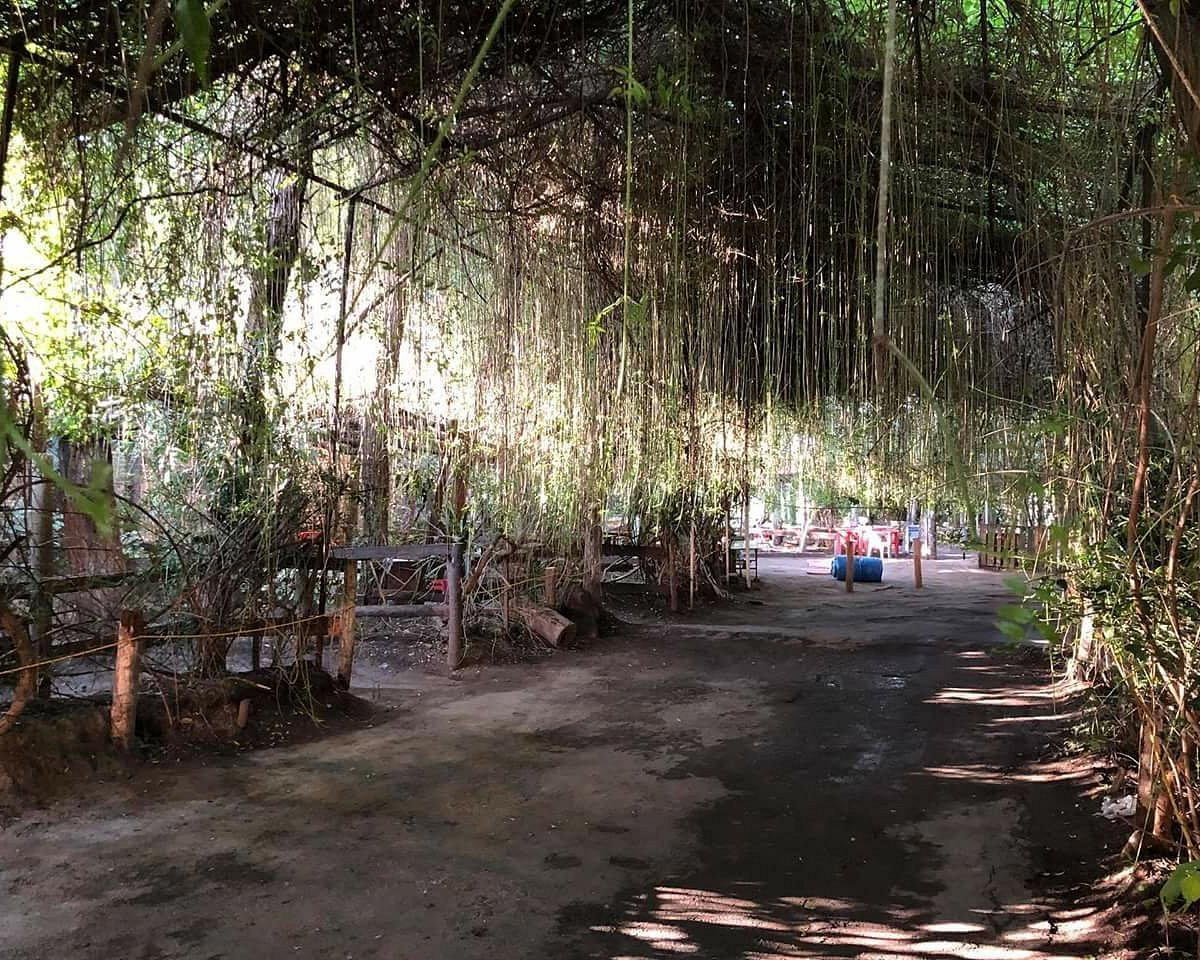
El Pica 1 operates within Texcoco's barbacoa circuit, which runs on a weekend schedule and closes when the product sells out. The setting is functional and unpretentious, shaped by the rhythm of the pit rather than restaurant convention. Expect the kind of energy that comes from a room built around a single, time-specific product.
How far is El Pica 1 from Mexico City, and how do you get there?
Texcoco sits approximately 25 kilometres east of Mexico City, reachable via the Mexico-Texcoco highway in roughly 40 minutes from the capital's eastern edge. El Pica 1 is part of a barbacoa circuit that draws visitors making a dedicated day trip rather than a casual detour. Weekend mornings are the operative window, as supply is finite.
What's the must-try dish at El Pica 1?
Barbacoa is the entire point of the visit. In Texcoco, that means slow-cooked meat from an underground pit, a method with pre-Hispanic roots that the town has maintained as its defining culinary identity for generations. The consommé drawn from the cooking process is typically served alongside.
What's the best way to book El Pica 1?
No booking information is currently documented for El Pica 1. Texcoco's barbacoa operations generally work on a first-come basis, with weekend mornings being the operative window. Given that venues close once supply runs out, arriving before 9am is the practical strategy rather than advance reservation.
What do critics highlight about El Pica 1?
No specific critical reviews or awards are currently documented for El Pica 1. The venue sits within a Texcoco barbacoa tradition that has drawn broader attention as Mexico City's fine-dining scene, including restaurants like Pujol, has foregrounded pre-Hispanic techniques and ingredient sourcing in its own narratives.
Can El Pica 1 adjust for dietary needs?
El Pica 1 is structured around a single core product: pit-cooked barbacoa. Venues built on this format rarely accommodate significant dietary substitutions, as the menu is determined by the pit cycle rather than a conventional kitchen. Visitors with strict dietary requirements should factor this into planning.
Quick Comparison
Comparable venues nearby, for context on price, style, and recognition.
| Venue | Cuisine | Price | Notes |
|---|---|---|---|
| El Pica 1This venue (the venue you are viewing) | Traditional Mexican Barbacoa | $10–20 | Not listed |
| Balam Balam | Traditional Mexican Seafood | $10–20 | Emiliano Zapata |
| Antigua Taquería La Oriental | Mexican Taqueria | Not listed | Huejotzingo |
| Tacos Chilo | Street Tacos | $1–10 | 5 de Diciembre |
| El Rey del Suadero | Authentic Mexican Taqueria | $10–20 | Chapultepec Morales |
| Los Parados de Pepe | Traditional Mexican Taqueria | Not listed | Azcapotzalco |
Continue exploring
More in Texcoco
Restaurants in Texcoco
All restaurants in Texcoco →





Details
- Lively
- Rustic
- Energetic
- Family
- Casual Hangout
- Open Kitchen
- Local Sourcing
- A La Carte
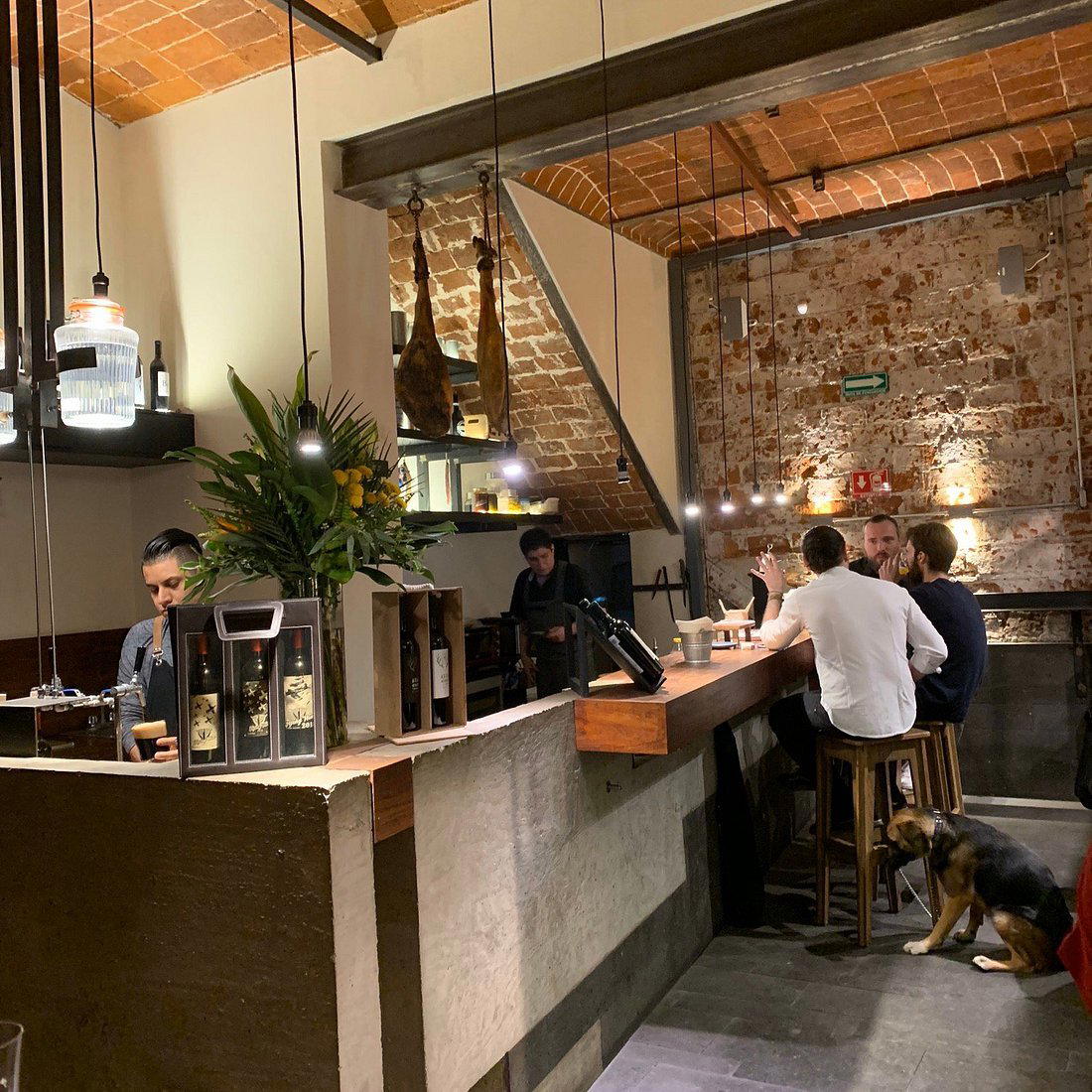
Open-air market-style with shaded canopies, colorful tables, live mariachi music on weekends, smoky aromas, and bustling family crowds.