Colleen's at the Cannery
Our verdict
Colleen's sits on Haiku Road in one of Maui's most agriculturally active corridors, where upcountry farms and coastal fishing traditions converge. The restaurant operates at a remove from the resort dining circuits of Wailea and Ka'anapali, drawing a quieter, more local crowd. For visitors willing to leave the beachfront strip, it offers a grounded alternative to the island's more formulaic hotel dining.

Pearl is the En Primeur Club membership app, where members save venues, book tables and use the concierge.
The menu
What to order
- Fish and Chips
- Upcountry Burger
- Crispy Skin Chicken
- Banana Pancakes
- Eggs Benedict
Eating Where the Farm Meets the Road
Haiku sits in the wet, green folds of Maui's north shore, a few miles inland from the surf breaks at Ho'okipa and well outside the gravitational pull of the island's resort corridor. The town is less a destination than a working community: nurseries, farms, a scattering of local businesses along Haiku Road. It is exactly the kind of place where a neighbourhood restaurant can operate without performing for tourists, and where the sourcing story behind a plate is often more direct than anything you'd encounter at a polished Wailea property. Colleen's, at 810 Haiku Rd, occupies that context directly.
The dining culture of upcountry Maui and the north shore has always been shaped less by hospitality industry trends than by what grows nearby. The slopes of Haleakala produce some of Hawaii's most diverse agricultural output: sweet onions, strawberries, herbs, leafy greens, and specialty crops that rarely make it to the supermarket chain in Kahului, let alone to the mainland. The farms that supply this corridor are small, often family-operated, and their produce tends to move quickly through short local supply chains. A restaurant positioned in Haiku, as opposed to a hotel dining room in Ka'anapali, has structural access to that system in ways that larger, more logistically complex operations do not.
Ingredient Geography: Why Haiku Changes What's on the Plate
The broader argument for farm-proximate dining in Hawaii has been made repeatedly at higher price points, and it is a compelling one. Operations like Single Thread Farm in Healdsburg and Blue Hill at Stone Barns in Tarrytown have built recognized programs around the idea that proximity to agricultural land changes the quality and specificity of what arrives on the plate. In Hawaii, the same principle applies, but it is often the smaller, unheralded restaurants in working communities that practice it most literally, because they have no other choice. They are not flying in product from the continental United States or sourcing from a broad distributor network. They are buying what is available nearby, adjusting menus accordingly, and operating with the kind of seasonal discipline that more celebrated restaurants construct as a deliberate identity.
Hawaii's food sovereignty movement has given additional weight to this pattern. The islands historically imported the vast majority of their food, a legacy of plantation-era land use that deprioritized diversified agriculture. The recovery of local farming over the past two decades has been uneven across the islands, but Maui's upcountry region has been one of the more productive zones, with operations ranging from small homestead plots to mid-scale commercial farms. Restaurants in communities like Haiku are direct beneficiaries of that recovery, and often its most consistent customers.
This matters for the reader making a dining decision. A meal at a restaurant embedded in an active agricultural community is a different exercise than eating at a hotel property where the provenance language on the menu is largely aspirational. The distance between the farm and the kitchen is, in Haiku, sometimes measured in minutes rather than days.
Positioning Against the Island's Dining Tiers
Maui's restaurant scene divides fairly sharply by geography. The resort strip runs roughly from Wailea through Ka'anapali and commands premium prices, high production values, and a clientele that is largely transient. A smaller tier of recognized destination restaurants draws food-motivated visitors willing to drive further, including properties in Lahaina, Paia, and Makawao. Then there is the quieter layer of community-anchored spots in places like Haiku, where the audience is predominantly local and the format reflects that.
Colleen's operates in that third tier, which has real advantages and real constraints. The advantages: a more relaxed atmosphere, lower overhead translated into more accessible pricing relative to the resort strip, and a kitchen that is not calibrated for the expectations of a guest who flew in from a continental city and has a fixed idea of what Hawaiian fine dining looks like. The constraints: less visibility, no marketing infrastructure, and a booking experience that is typically walk-in or phone-based rather than routed through a digital reservation platform.
For comparison, the destination-restaurant tier on Maui asks prices closer to what you would encounter at Providence in Los Angeles or Addison in San Diego, with tasting menus calibrated for the out-of-state traveler's tolerance. Colleen's is a different proposition entirely, and should be evaluated as such rather than against those benchmarks.
The North Shore as a Dining Context
Paia, Haiku's immediate neighbour to the west, has developed a modest dining reputation of its own, with a handful of well-regarded spots drawing surfers, long-term residents, and the increasing number of visitors who treat the Hana Highway as a day's itinerary rather than a transit route. Haiku itself remains quieter and less trafficked, which is both its limitation and its appeal. Visitors who arrive there are generally not passing through; they came deliberately.
That deliberateness shapes the dining experience. A community restaurant in Haiku operates without the walk-in tourist traffic that sustains a Paia lunch spot or a Lahaina waterfront table. The regulars matter more, the feedback loop is tighter, and the kitchen is more likely to be cooking for people who will return next week. This is the social infrastructure behind farm-to-table dining in its most functional form, distinct from the formalized, award-driven versions you find at operations like Smyth in Chicago or The Wolf's Tailor in Denver.
For a broader map of where Colleen's fits within Maui's north shore dining options, see our full Haiku restaurants guide. Other ingredient-focused American restaurants worth holding as reference points include Bacchanalia in Atlanta, Oyster Oyster in Washington, D.C., and Lazy Bear in San Francisco, each of which operates a different tier of the same sourcing-first philosophy. At the opposite end of the ambition scale, The French Laundry in Napa, Le Bernardin in New York City, and Atomix in New York City represent the formal, highly capitalized end of ingredient-driven fine dining. Colleen's is not competing in that space, nor should it be measured by those standards.
Planning a Visit
Haiku Road is accessible by car from Kahului in under twenty minutes, following the Hana Highway northeast past Paia and turning inland. The area is not served by resort shuttles or reliable rideshare, so driving is the practical default. Community restaurants in this part of Maui can keep irregular hours or adjust schedules seasonally without updating online listings.
Additional context: restaurants in this tier of north shore Maui dining tend to operate on a cash-friendly basis, may close on certain weekdays, and rarely require advance reservations for most seatings. That informality is part of the format. Additional references worth consulting include Frasca Food and Wine in Boulder, Emeril's in New Orleans, ITAMAE in Miami, The Inn at Little Washington, and Atelier Moessmer Norbert Niederkofler in Brunico for a wider view of how farm-proximity dining manifests across very different geographies and price tiers.
Frequently asked questions
Can I bring kids to Colleen's?
Colleen's sits on Haiku Road in a low-key north shore community far removed from the resort corridor, which sets an informal, unhurried tone. That context tends to suit families more than a high-pressure dinner service would.
Is Colleen's better for a quiet night or a lively one?
Haiku itself is a residential, agricultural pocket of Maui's north shore, not a nightlife destination, and Colleen's reflects that character. The crowd skews local rather than tourist-heavy, which generally means a lower-decibel room with genuine neighbourhood regulars. Those seeking late-night energy would do better looking toward Lahaina or Kihei.
Is Colleen's a good dining option after driving the Hana Highway?
Colleen's at 810 Haiku Road sits just off the Hana Highway, making it a practical stop for travellers coming back through Maui's north shore before reaching Kahului. Haiku is roughly a twenty-minute drive from the airport, and the restaurant's community-focused setting offers a contrast to the roadside snack stands that dominate the Hana corridor. Confirming current hours before arriving is worth doing, as north shore establishments often keep schedules that differ from resort-area restaurants.
What's the signature dish at Colleen's?
Given its location in Haiku, surrounded by some of Maui's most productive small farms, the cooking likely draws on ingredients grown within a short radius of the 810 Haiku Road address. Checking current offerings directly with the restaurant will give the clearest picture.
At-a-Glance Comparison
Comparable venues nearby, for context on price, style, and recognition.
| Venue | Cuisine | Price | Notes |
|---|---|---|---|
| Colleen'sThis venue (the venue you are viewing) | New American Farm-to-Table | $30–50 | Not listed |
| Betty's Beach Cafe | Beachfront American Seafood | $20–30 | Lahaina |
| Splashers Grill | American Grill with Local Seafood | Not listed | Kailua-Kona |
| Maui Brewing Co. | American Brew Pub | $20–30 | Kihei |
| Pele's Other Garden | Casual Italian-American Deli & Bistro | $20–30 | Lanai City |
| Cool Cat Cafe - Maui | Classic American Diner Burgers | Not listed | Lahaina |
Continue exploring
More in Haiku
Restaurants in Haiku
All restaurants in Haiku →
Colleen's at the Cannery
The wine
- Extensive wine list
- Craft cocktails
- Beer program
Details
- Cozy
- Rustic
- Casual
- Casual Hangout
- Family
- Date Night
- Brunch
- After Work
- Historic Building
- Standalone
- Craft Cocktails
- Beer Program
- Extensive Wine List
- Farm To Table
- Local Sourcing
- Organic
- A La Carte
- Small Plates
- Craft Cocktails
- Local Beer
- Wine
- Vegetarian Friendly
- Vegan Options
- Gluten Free Options
Current opening hours
- Monday
- 7 AM–9:30 PM
- Tuesday
- 7 AM–9:30 PM
- Wednesday
- 7 AM–9:30 PM
- Thursday
- 7 AM–9:30 PM
- Friday
- 7 AM–9:30 PM
- Saturday
- 7 AM–9:30 PM
- Sunday
- 7 AM–9:30 PM
Hours can change for holidays and private events. Hours as of .
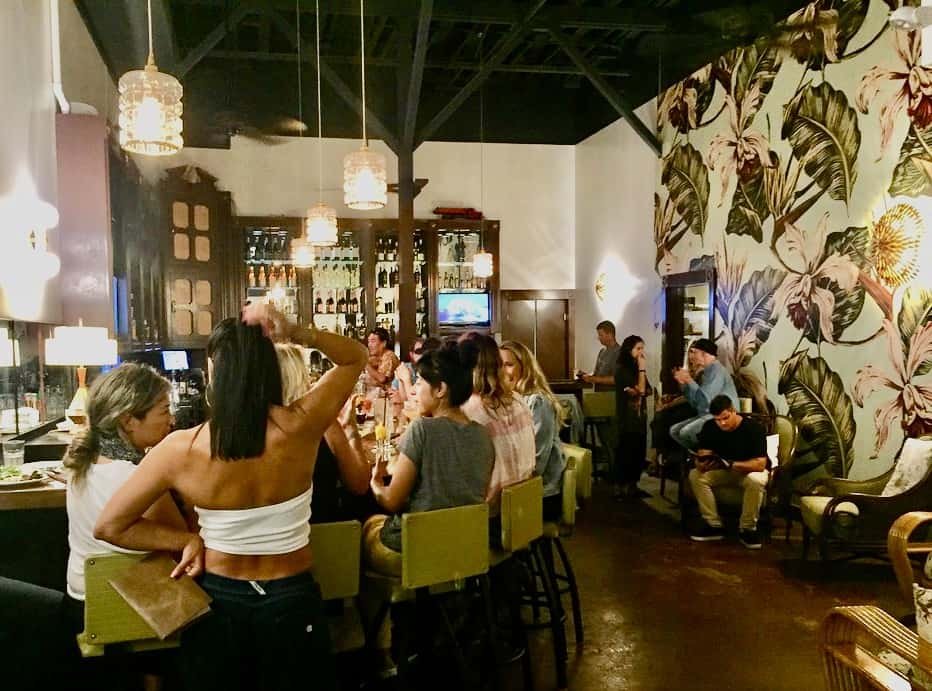
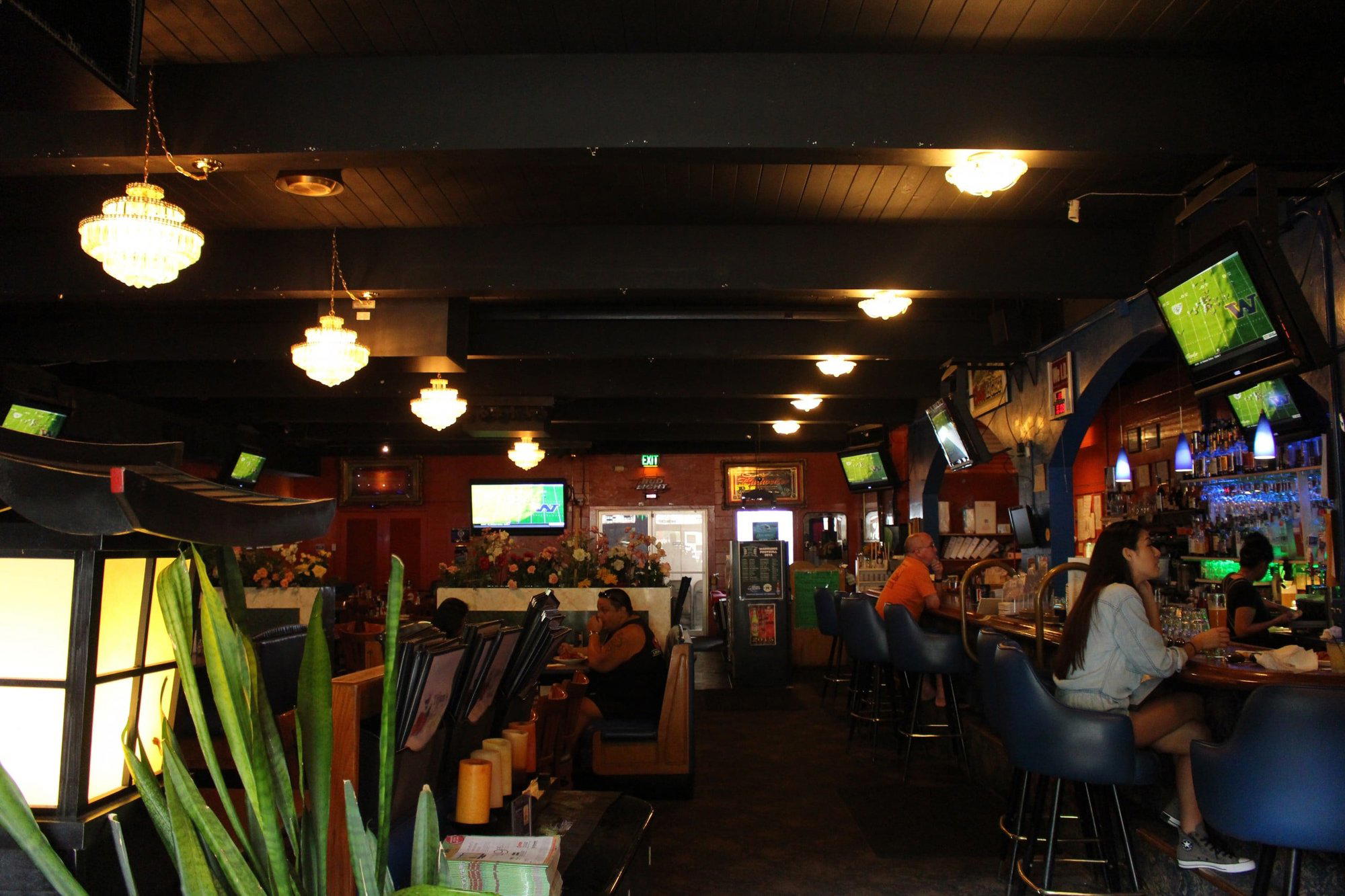
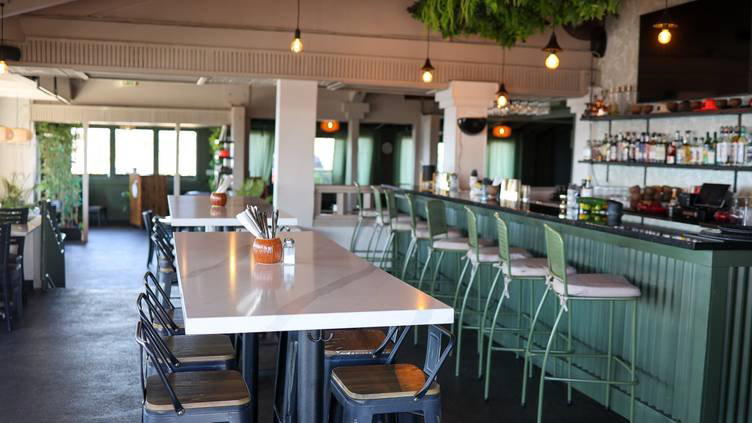
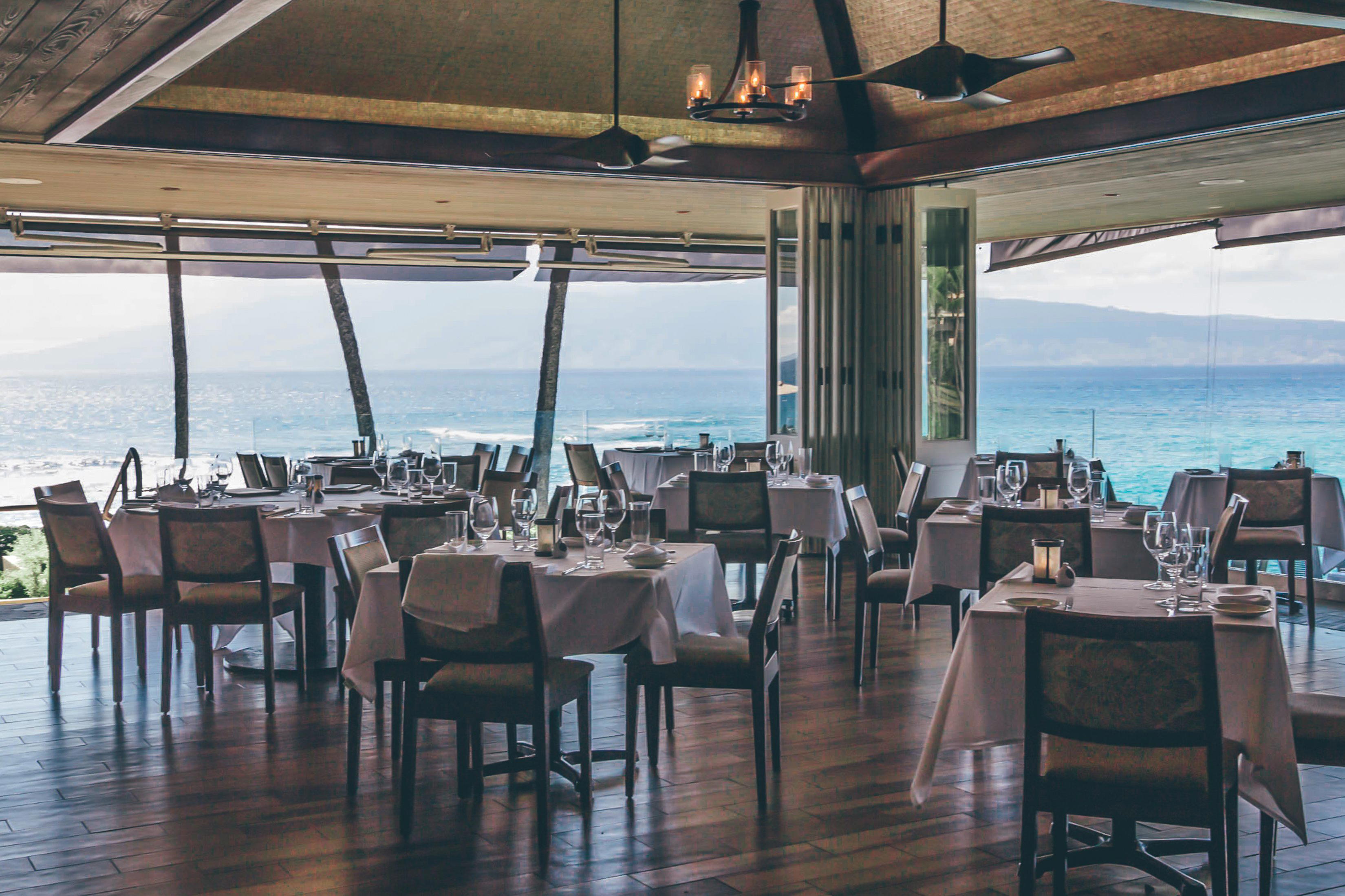
Warm and welcoming interior with high ceilings and booth/table seating; industrial repurposed building with casual, intimate atmosphere that transforms at night.