Google: 4.7 · 67 reviews
1856 Restaurant
.png)
Auburn's only Michelin-recognized restaurant, 1856 earns a 2025 Michelin Plate for contemporary cooking that sits well above the city's casual dining norm. Located on South College Street, it occupies a tier closer to progressive American fine dining than to the Alabama steakhouse tradition, making it the clearest reference point for serious eating in Lee County.
 Discover on Pearl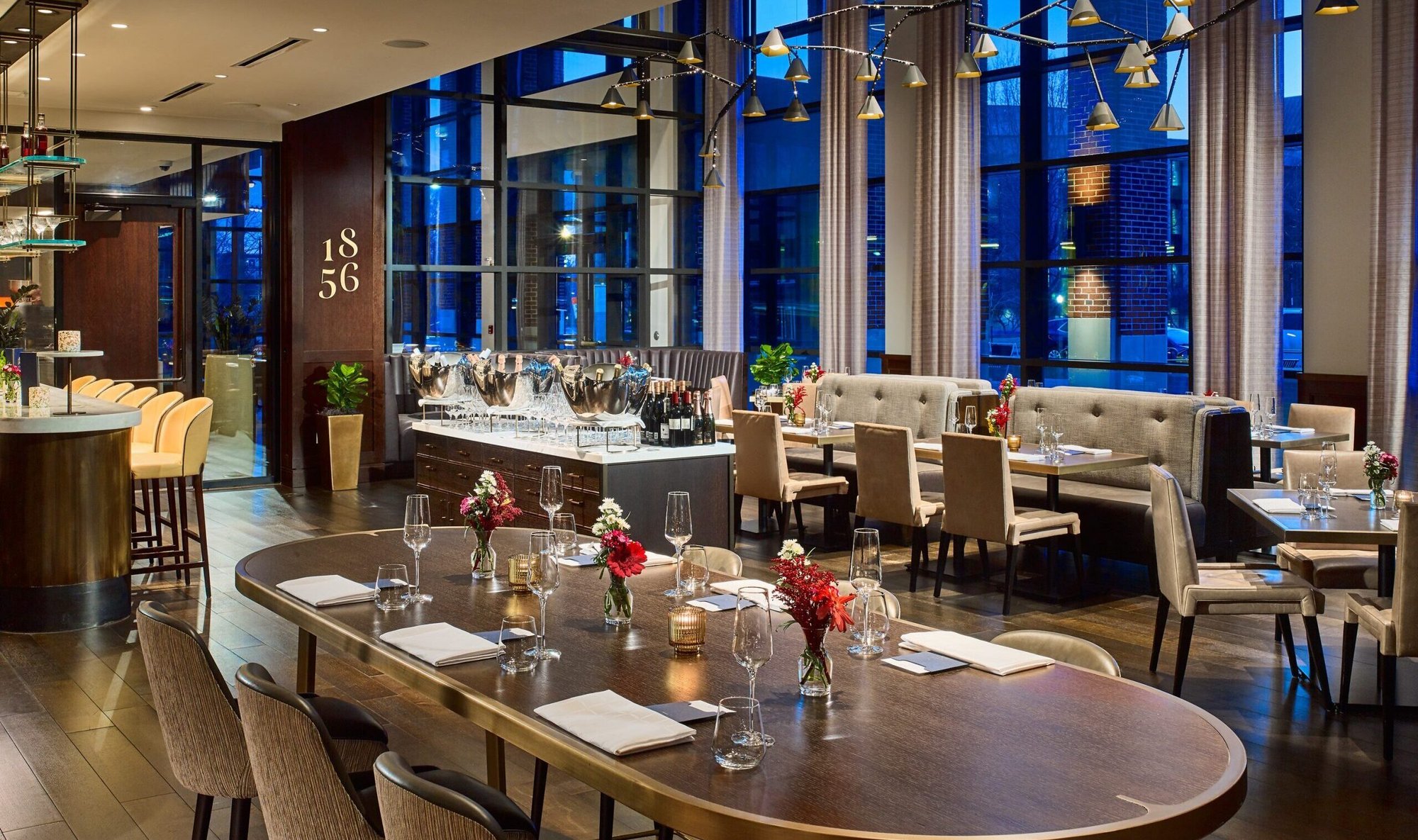
Fine Dining at the Edge of the Plains
South College Street in Auburn runs through a town better known for football Saturdays than for white-tablecloth ambition. That context matters when reading 1856 Restaurant. The address — 205 S College St — places it squarely in a college town, but the 2025 Michelin Plate recognition signals something operating at a different register than the surrounding blocks. Michelin's inspectors do not award Plates as participation trophies: the designation marks cooking that meets a quality threshold worth documenting, even if it stops short of the star tier. In a city where most dining conversation centers on tailgate traditions and chain proximity to campus, that credential is a meaningful data point about what is actually being served here.
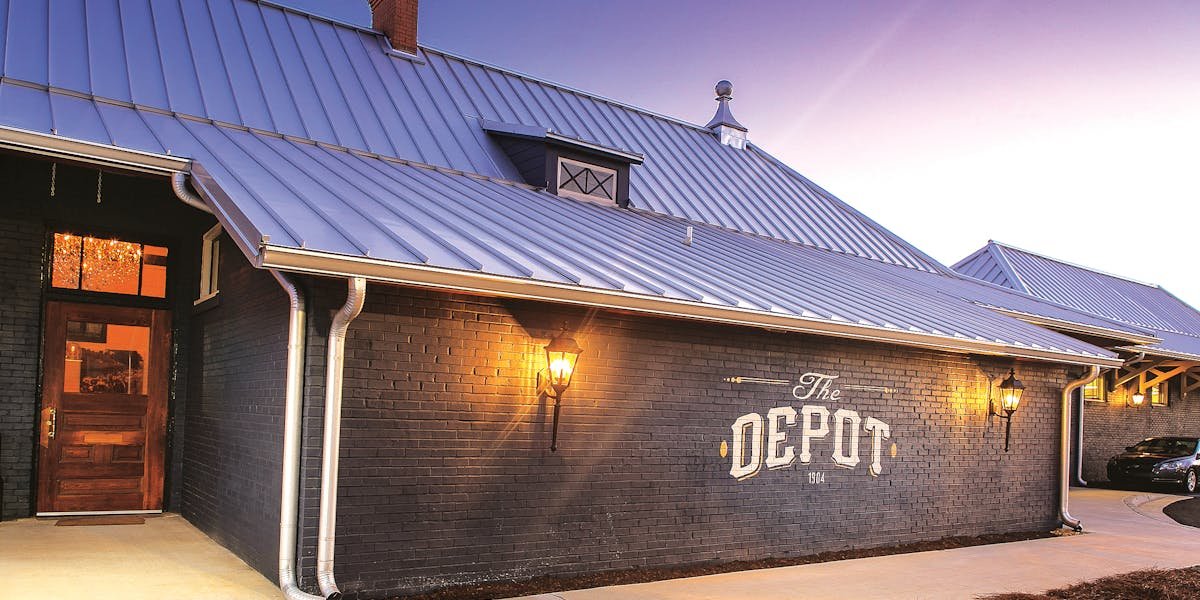
Contemporary fine dining in small American university cities occupies an awkward position. The format , precise sourcing, considered technique, composed plates , typically survives through a narrow slice of the population: faculty, visiting alumni, recruiting visitors, and the occasional destination diner. 1856 appears to function within that model, sitting at the leading of Auburn's price range ($$$$) in a category that has few direct local competitors. The nearest peer in the broader Auburn dining scene is The Depot, though the two operate in clearly different registers.
Where the Ingredients Come From
The editorial angle that makes 1856 worth examining closely is not its Michelin status , it is what that status implies about sourcing discipline in a region that does not make ingredient procurement easy. Contemporary American cooking at the $$$$ tier, wherever it appears, carries implicit expectations about provenance: local farms, seasonal calendars, supply chains that prioritize quality over logistics convenience. In the Deep South, meeting those expectations requires active effort. The agricultural richness of Alabama , heritage grains, Gulf seafood corridors, chicken and pork from small-scale producers, summer produce with genuine variety , is real, but it does not automatically flow toward fine dining kitchens the way it does in, say, the Bay Area or Hudson Valley.
This is what separates the more technically ambitious American restaurants from their peers. Blue Hill at Stone Barns in Tarrytown built its identity on the farm sitting directly behind the dining room. Single Thread Farm in Healdsburg controls its supply chain from soil to plate. At that level of integration, sourcing is inseparable from the cooking itself. Most Michelin Plate restaurants operate at a more modest scale of that same principle , the sourcing decisions are still present and deliberate, but the infrastructure is smaller. In Auburn, building even a modest regional sourcing program involves navigating supplier relationships that are less developed than in coastal culinary markets, which makes the discipline, if it exists here, more notable rather than less.
Gulf Coast access is the most obvious advantage available to Alabama kitchens operating at this level. The drive from Auburn to the Alabama and Florida Gulf coast sits within viable supply-chain range for seafood that does not need to touch a major distribution hub first. Shrimp, flounder, snapper, and oysters from the Gulf represent a regional identity that the leading Alabama restaurants increasingly treat as a point of distinction rather than a default commodity. Contemporary kitchens elsewhere in the American fine dining tier , Providence in Los Angeles or Le Bernardin in New York City , have built reputations around sourcing specificity for seafood. The version available in Auburn is necessarily less formalized, but the raw material is there.
Where 1856 Sits in the American Contemporary Scene
The $$$$ contemporary category in the United States runs from three-Michelin-star programs like Alinea in Chicago and The French Laundry in Napa down through Plate-level recognitions in cities that rarely appear in national food press. 1856 occupies the latter end of that spectrum, and that positioning is not a criticism , it is a description of function. Michelin Plate restaurants at the lower end of the price-tier spectrum in secondary markets often deliver the most interesting value proposition for the format: serious cooking, full price commitment from the diner, and a kitchen that is doing the work without the star-system spotlight.
For comparison, Lazy Bear in San Francisco built a two-Michelin-star reputation around progressive American cooking with a communal format. Addison in San Diego operates in a similarly non-obvious coastal market and has earned sustained Michelin recognition. The Inn at Little Washington made a rural Virginia address work for decades at the highest level. The pattern holds: fine dining does not require a major urban center to be credible, but it does require consistent standards and sourcing discipline to sustain recognition once granted. 1856's 2025 Plate is a first documented marker of that standard being met in Auburn.
Urban contemporary counterparts like 63 Clinton in New York City or AnnaLena in Vancouver operate in environments where the competitive set is dense and the diner base is both large and experienced. Auburn's dining public is different: smaller, more varied in expectation, and less acclimated to the tasting-menu format conventions that $$$$ contemporary restaurants often use. Whether 1856 operates on a tasting menu format or an à la carte structure is not confirmed in available data, but at the $$$$ price point with a contemporary classification, some version of composed, multi-course service is the most likely format.
Planning Your Visit
1856 is located at 205 S College St, Auburn, AL 36830, within walking distance of the Auburn University campus and the historic downtown core. For visitors arriving from outside the city, accommodation options across Auburn range from campus-adjacent hotels to properties along the commercial corridors. Those planning a broader Auburn eating itinerary should consult our full Auburn restaurants guide, and for evening programming beyond dinner, the Auburn bars guide covers the city's drinking options. Wine-focused visitors can cross-reference our Auburn wineries guide, and for context on the wider region, the Auburn experiences guide maps the broader cultural and activity options.
Given the $$$$ price point and Michelin recognition, securing a reservation in advance is advisable, particularly on football weekends when Auburn's visitor population spikes sharply. Specific booking methods are not confirmed in current data; checking directly with the restaurant through their current contact channels is the practical step. Timing matters: Auburn's calendar runs hot in the fall during SEC football season, and that seasonal pressure affects every table in the city's better restaurants.
A Quick Peer Check
A fast peer set for context, pulled from similar venues in our database.
| Venue | Cuisine | Price | Awards | Notes |
|---|---|---|---|---|
| 1856 Restaurant | $$$$ · Contemporary | Michelin Plate (2025) | This venue | |
| Le Bernardin | French, Seafood | $$$$ | Michelin 3 Star | French, Seafood, $$$$ |
| Atomix | Modern Korean, Korean | $$$$ | Michelin 2 Star | Modern Korean, Korean, $$$$ |
| Lazy Bear | Progressive American, Contemporary | $$$$ | Michelin 2 Star | Progressive American, Contemporary, $$$$ |
| Alinea | Progressive American, Creative | $$$$ | Michelin 3 Star | Progressive American, Creative, $$$$ |
| Masa | Sushi, Japanese | $$$$ | Michelin 3 Star | Sushi, Japanese, $$$$ |

At a Glance
- Elegant
- Sophisticated
- Modern
- Intimate
- Date Night
- Special Occasion
- Celebration
- Open Kitchen
- Design Destination
- Private Dining
- Extensive Wine List
- Sommelier Led
- Farm To Table
- Local Sourcing
- Organic
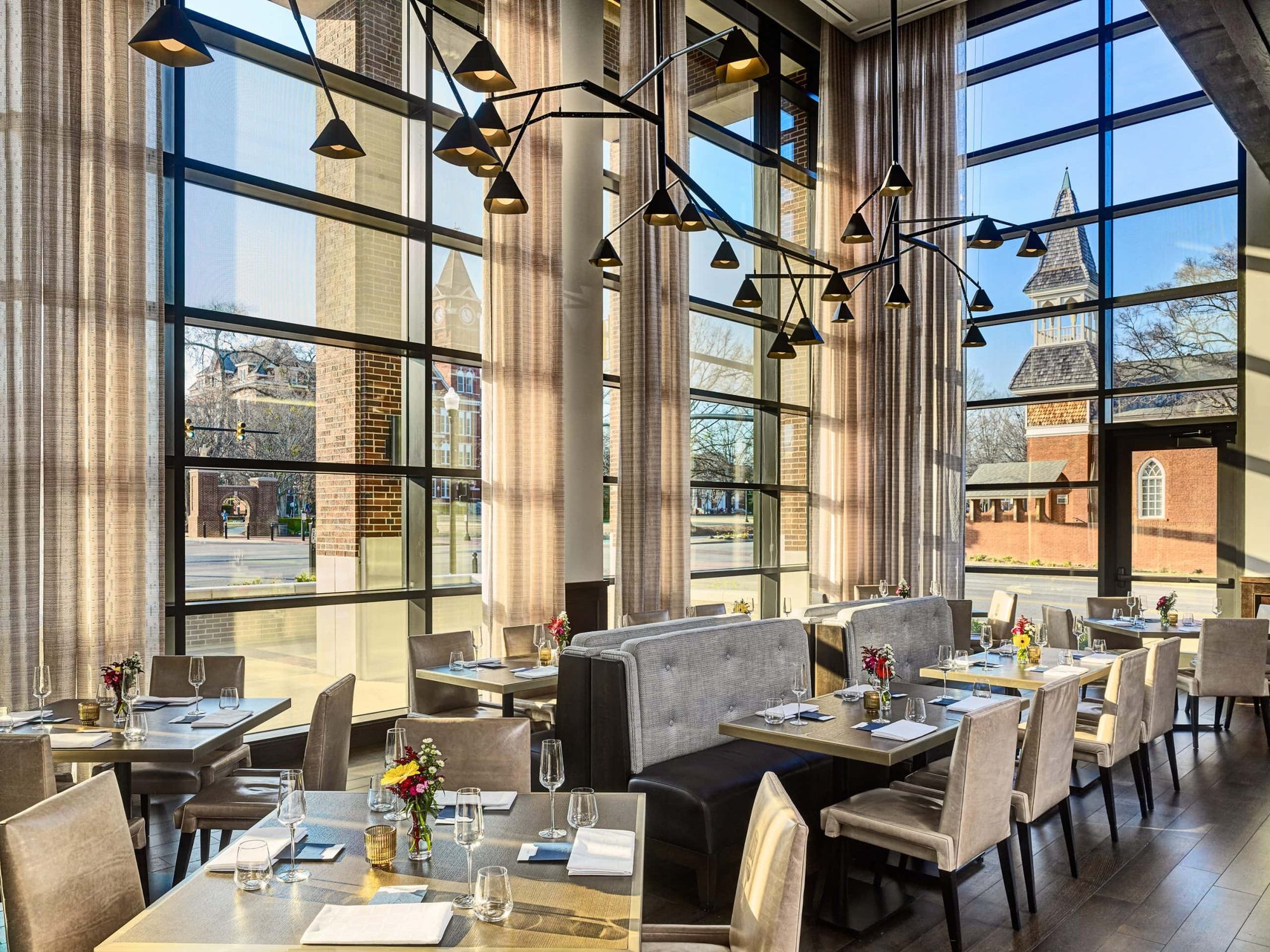
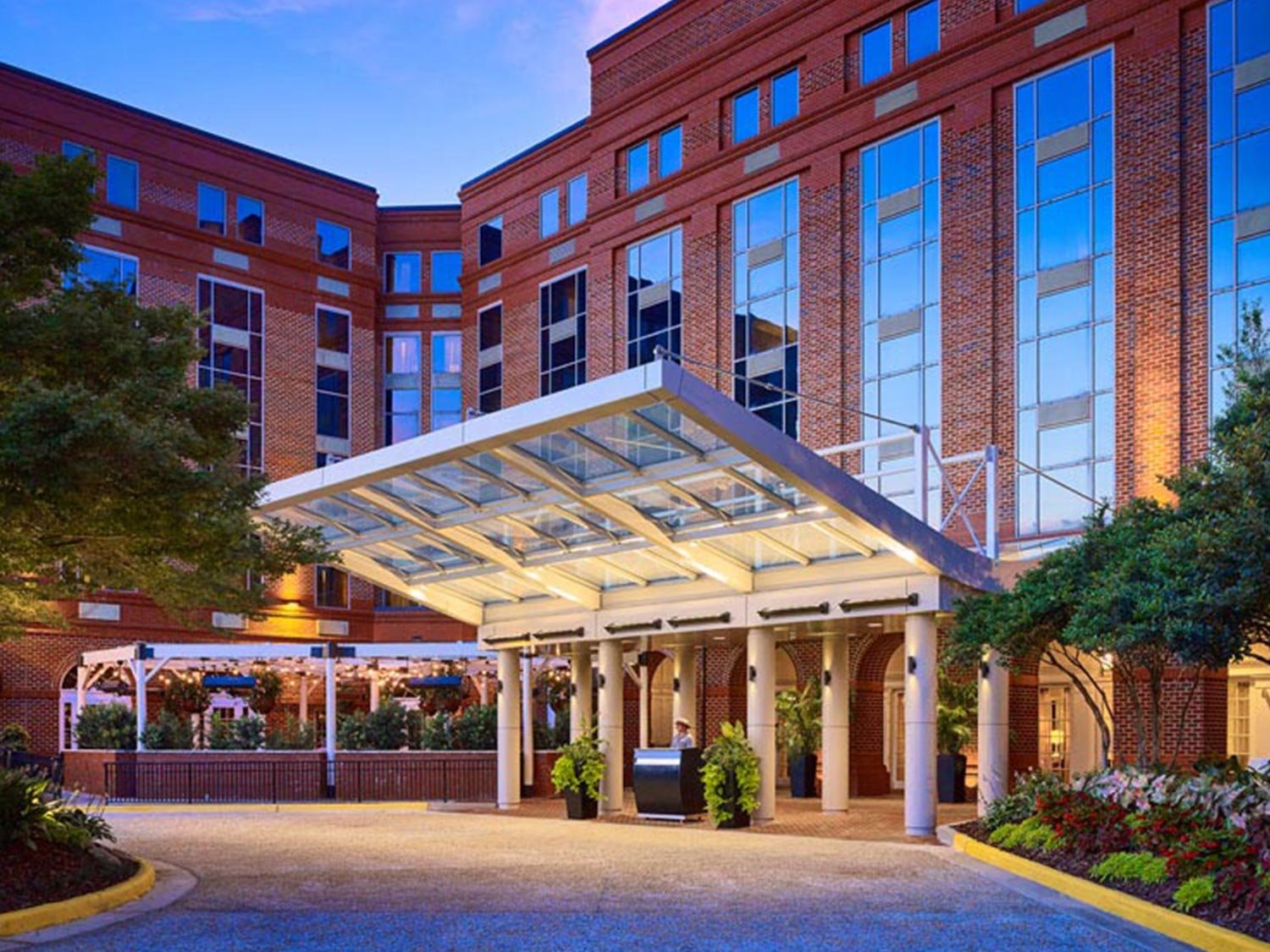
Expansive modern dining room with double-height glass walls reaching toward the sky, creating an airy and refined atmosphere with meticulous attention to detail in every service element.