Google: 4.2 · 4,656 reviews
Café Ruta de la Seda
Café Ruta de la Seda occupies a quiet address in Coyoacán's Del Carmen neighbourhood, where the pace of Mexico City slows to something closer to its colonial roots. The name — Silk Road — signals an orientation toward layered, cross-cultural flavour rather than a single regional tradition. It sits within a dining neighbourhood that rewards walking and afternoon lingering.
 Discover on Pearl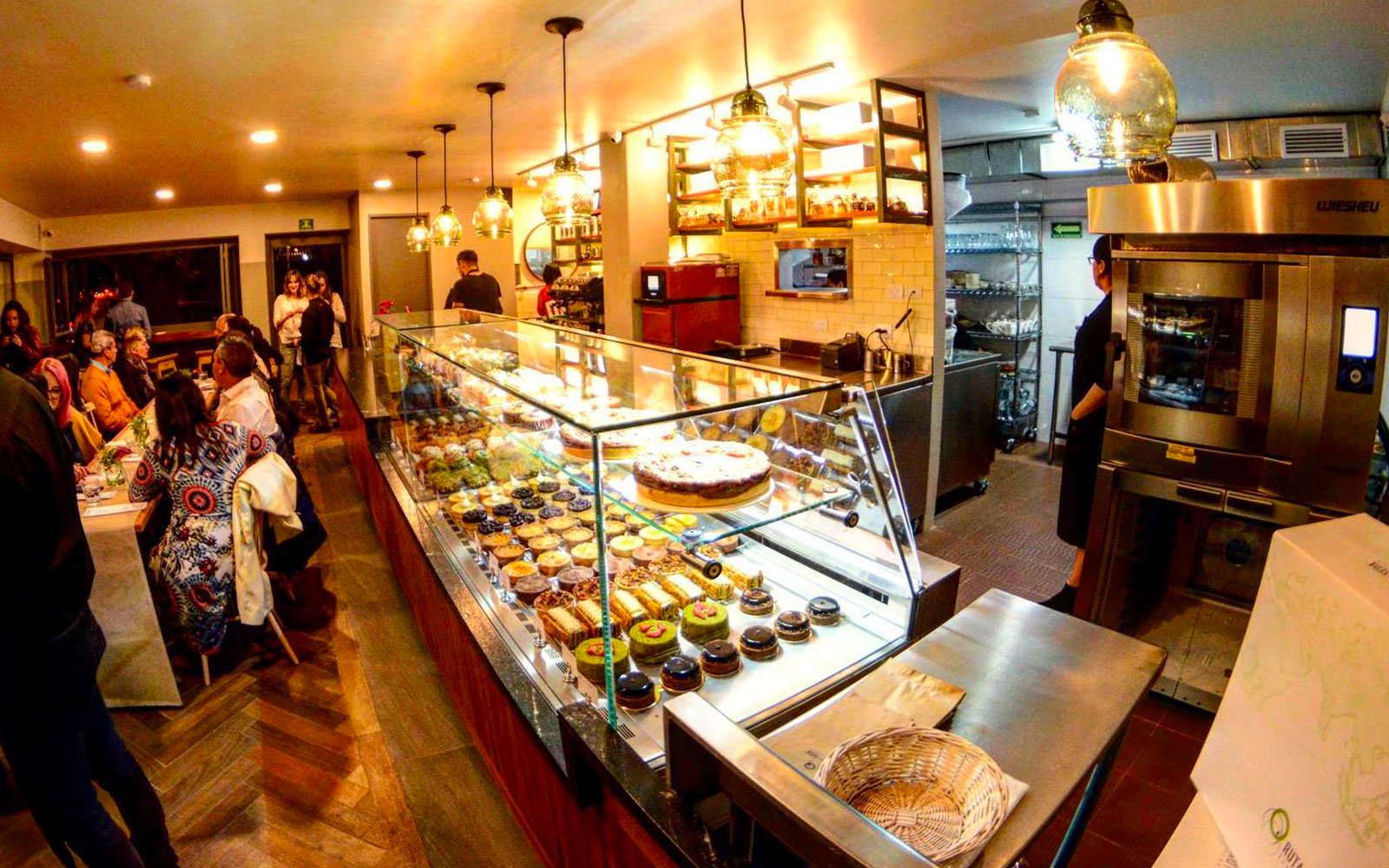
Where Coyoacán Sets the Pace
Coyoacán operates at a frequency distinct from the rest of Mexico City. The cobblestone grids around Jardín Centenario draw a crowd that moves slowly, sits long, and treats the afternoon as a category of its own rather than a transition between appointments. Aurora 1, in the Del Carmen section of the borough, places Café Ruta de la Seda within that rhythm — a street address that suggests deliberate neighbourhood belonging rather than destination-restaurant positioning.
Del Carmen is quieter than the area immediately surrounding the central plaza. It draws the kind of visitors who have already seen the Frida Kahlo museum and are now looking for somewhere that doesn't feel calibrated for them. That tension, between a borough that attracts attention and pockets within it that have resisted the loudest version of tourist infrastructure, is where places like Café Ruta de la Seda tend to function most honestly.
The Arc of an Afternoon Here
The name Ruta de la Seda — Silk Road , is an editorial choice that positions the café somewhere between geography and aspiration. In Mexican café culture, names often signal a studied worldliness, a gesture toward the kind of cross-cultural layering that characterises places operating at the intersection of local hospitality and imported influence. The reference to trade routes is less about geographic specificity and more about an orientation: expect range, expect accumulation of influences, expect flavour that doesn't declare a single origin.
Mexican café culture in neighbourhoods like Coyoacán has grown considerably more considered over the past decade. Where the baseline was once café de olla , cinnamon-steeped, clay-pot brewed, sweetened with piloncillo , the better independent operators have added specialty coffee sourced from Oaxacan or Veracruz-region farms, alongside drink formats that sit closer to European café service. The progression through an afternoon at a café in this tier typically moves from a morning espresso or pour-over into lighter food, then toward afternoon drinks, whether agua fresca, wine, or something fermented and low-alcohol. The Silk Road framing suggests that progression won't feel linear or predictable.
This sequencing matters in a neighbourhood that rewards time spent. Coyoacán's café circuit isn't designed for a single transaction. The visitors who get the most from Del Carmen tend to anchor at one spot for longer than they planned, letting the menu shape the afternoon rather than arriving with a fixed order in mind. That's the implicit contract at cafés operating in this register , the menu exists as a kind of loose itinerary.
Situating the Café Within Mexico City's Independent Scene
Mexico City's independent café and bar scene has developed a recognisable two-tier structure. In Colonia Roma and Condesa, operators compete on technique and visibility, with menus built around recognisable reference points , natural wine, specialty coffee, fermentation programs , and a clientele that reads menus carefully. In Coyoacán, the pressure to perform novelty is lower, and the better spots reflect that: they tend to feel more rooted, less eager to explain themselves.
Against that backdrop, Café Ruta de la Seda occupies a position that sits closer to the Coyoacán model. Its address in Del Carmen rather than directly on the main plaza is itself a legibility signal , it's findable but requires a small amount of intention. Across the city, bars and cafés with that kind of address tend to hold a particular type of loyalty: regulars who chose the place over more obvious options and return because the choice still feels right.
For comparison, the Mexico City bars that have drawn consistent international attention , among them Baltra Bar, Bar Mauro, Bijou Drinkery Room, and Brujas , are built around explicit technical programs and tend to attract visitors specifically seeking that tier of cocktail culture. Café Ruta de la Seda operates in a different register: the draw is neighbourhood belonging and the kind of slow afternoon that technique-forward bars don't always accommodate. Both registers are legitimate; they answer different questions.
For a broader orientation to what Mexico City offers across its dining and drinking neighbourhoods, our full Mexico City restaurants guide maps the scene borough by borough.
Mexican Café Culture in Regional Context
Understanding a Coyoacán café in 2024 requires placing it within the arc of Mexican café culture more broadly. Mexico is the world's tenth-largest coffee producer by volume, with Chiapas and Veracruz accounting for the majority of output, but it is Oaxaca that has driven the specialty narrative internationally. The result is that Mexican cafés operating in a knowing register now have access to a domestic specialty supply chain that didn't exist at scale fifteen years ago. A café in Del Carmen with ambitions beyond the baseline has real sourcing options within the country.
That domestic sourcing story connects to a wider trend across Mexican independent hospitality: a turn toward local ingredient specificity as a point of differentiation. Mezcal programs sourced from single producers, coffee traceable to named farms, seasonal fruit and grain references on food menus , these have become the grammar of serious independent operators in Mexico City's mid-tier.
Across Mexico, the venues drawing sustained attention tend to be those that have found a specific position rather than covering all bases. Arca in Tulum occupies a distinct niche in the Yucatán peninsula's premium hospitality tier. Bekeb in San Miguel de Allende operates within a colonial-city café and bar culture with its own internal logic. El Gallo Altanero in Guadalajara sits within Mexico's tequila-producing heartland and carries that regional specificity into its program. La Capilla in Tequila is a reference point for anyone tracing the origins of the Batanga cocktail. Aruba Day Drink in Tijuana reflects that border city's distinct hospitality character. Each of these is shaped by its specific geography in ways that resist easy export. Café Ruta de la Seda belongs to that same logic: it is a Coyoacán café, formed by the borough's pace and its particular demographic contract.
Planning a Visit
Aurora 1 in Del Carmen is walkable from the Viveros metro station on Line 3, placing it roughly ten minutes on foot from the northern edge of the borough. The address sits away from the densest plaza traffic, which means arrival by foot from the station is more pleasant than it might be closer to Jardín Centenario during weekend peak hours. Given the absence of published booking data, this is almost certainly a walk-in operation , consistent with the café format across this neighbourhood tier. Timing toward a late morning or early afternoon arrival aligns with how Coyoacán's café circuit generally operates, when the foot traffic has thinned from weekend brunch peaks but the neighbourhood remains lively enough to make the walk worthwhile. Contact details and current hours are not confirmed in available records, so verifying opening days before travelling from another borough is advisable. Internationally comparable neighbourhood café experiences in terms of pace and format include places like Bar Leather Apron in Honolulu and Coco Bongo in Cancun, though both operate in quite different registers , the point of comparison is the deliberateness of the visit, not the format.
Style and Standing
A quick peer list to put this venue’s basics in context.
| Venue | Cuisine | Awards | Notes |
|---|---|---|---|
| Café Ruta de la Seda | This venue | ||
| Fifty Mils | World's 50 Best | ||
| Hanky Panky | World's 50 Best | ||
| Baltra Bar | World's 50 Best | ||
| Bar Mauro | World's 50 Best | ||
| Bijou Drinkery Room | World's 50 Best |
Continue exploring
More in Mexico City
Bars in Mexico City
Browse all →
Restaurants in Mexico City
Browse all →
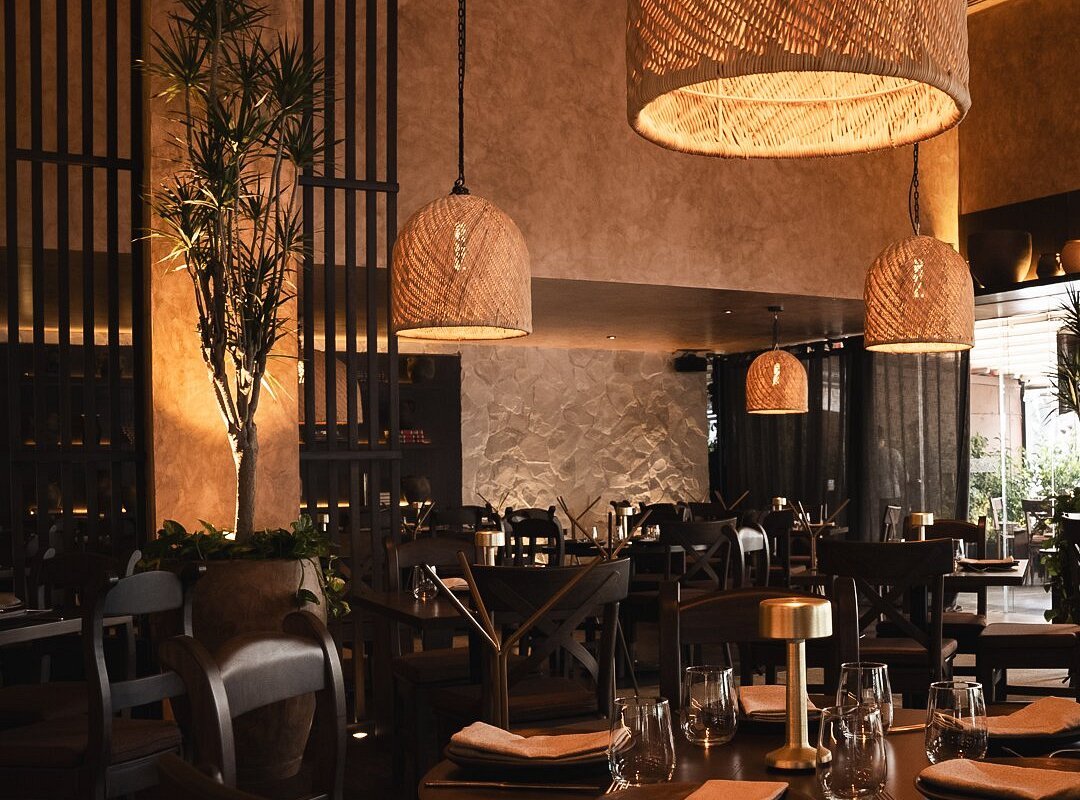
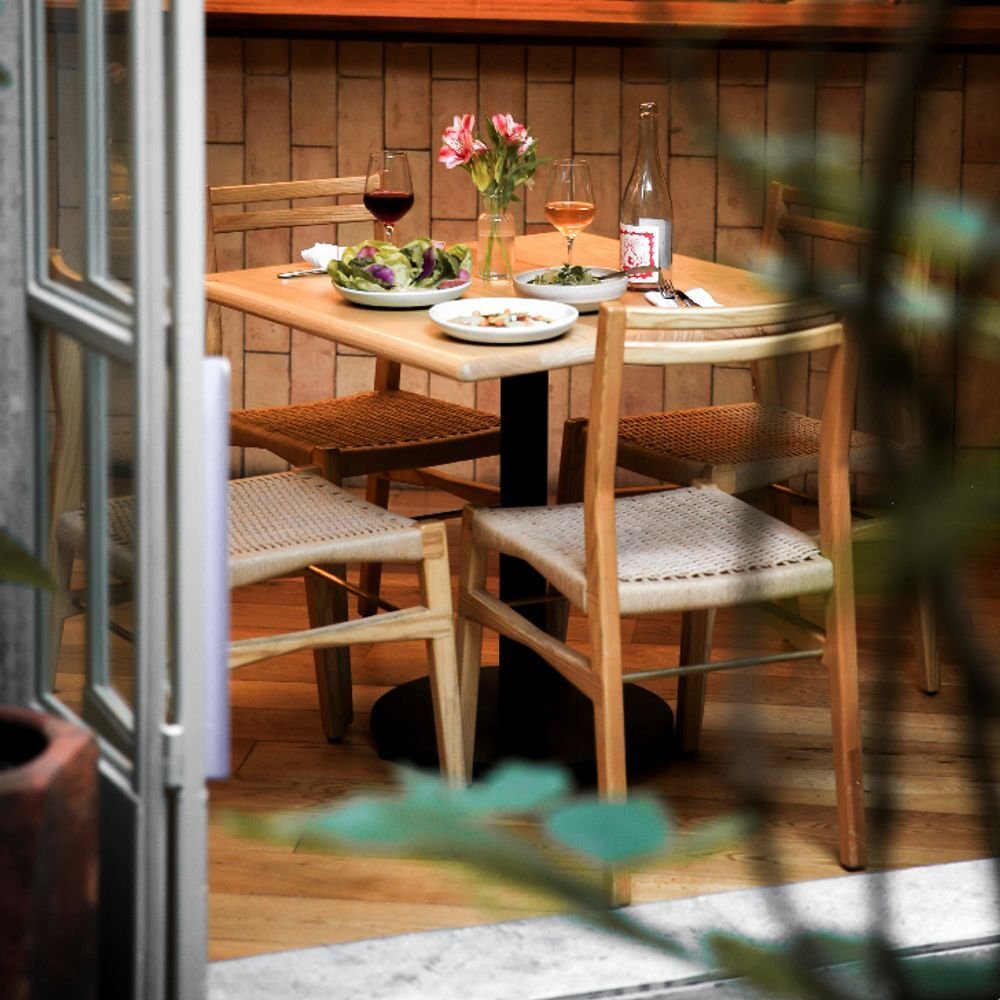
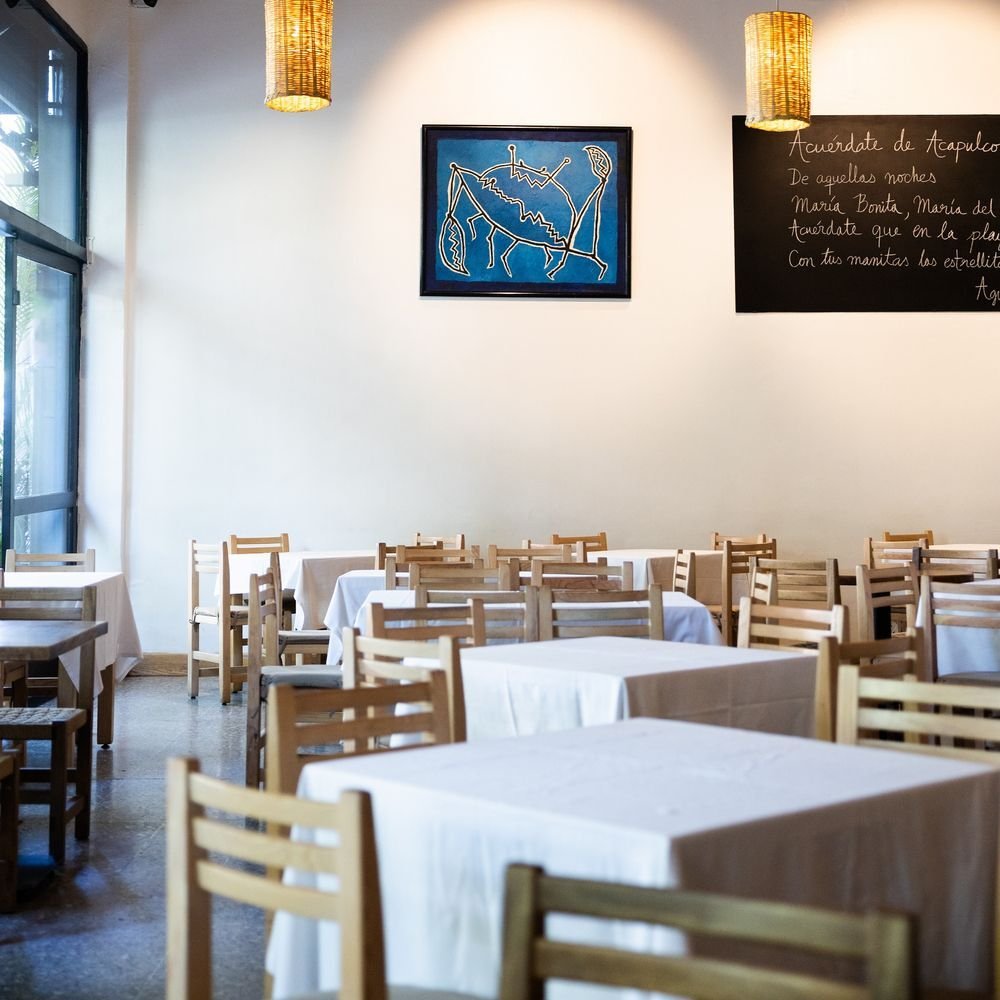
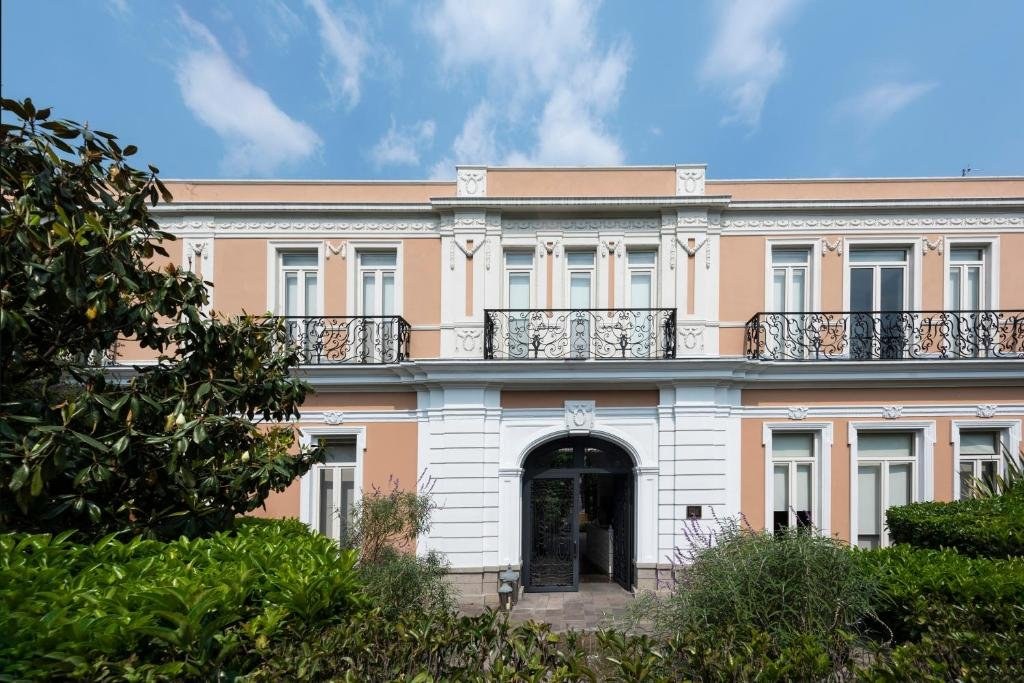
At a Glance
- Cozy
- Rustic
- Casual Hangout
- Standalone
- Seated Bar
- Lounge Seating
- Street Scene
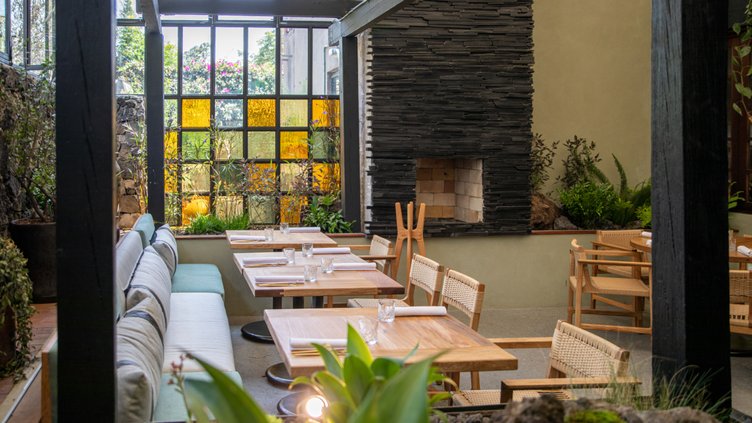
Cozy and peaceful cafe in a quiet square with good music, offering a lovely roadside organic atmosphere.