Google: 4.5 · 3,853 reviews
BRUS
On Guldbergsgade in the Nørrebro district, BRUS occupies a former brewery space that now anchors Copenhagen's craft beer and fermentation scene. The venue pairs an in-house brewing operation with a kitchen built around fermented and foraged ingredients, placing it firmly in the city's wider new-Nordic food culture. It reads less like a pub and more like a working laboratory with a dining room attached.
 Discover on Pearl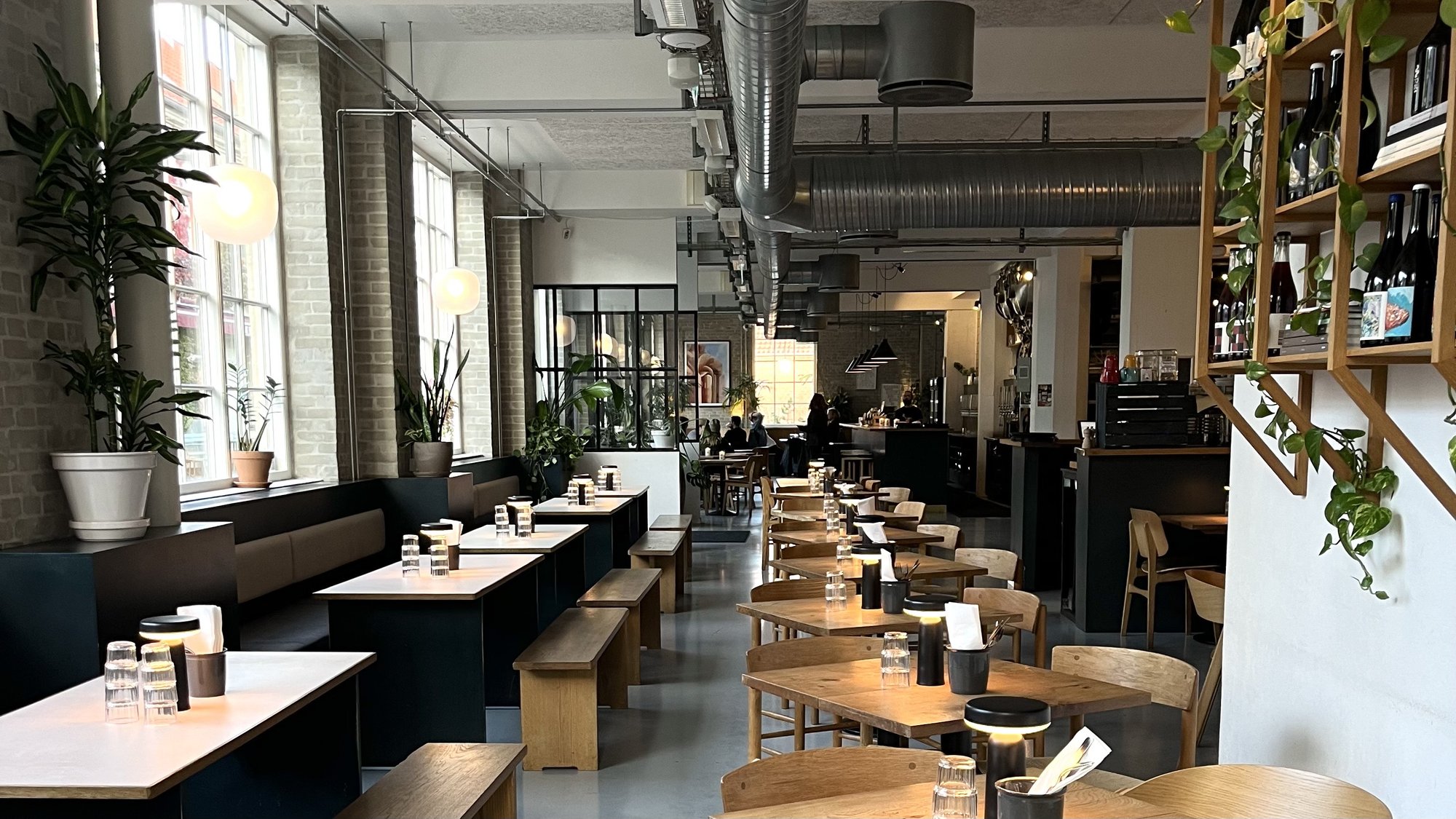
A Brewery Tap in Nørrebro That Operates on Its Own Terms
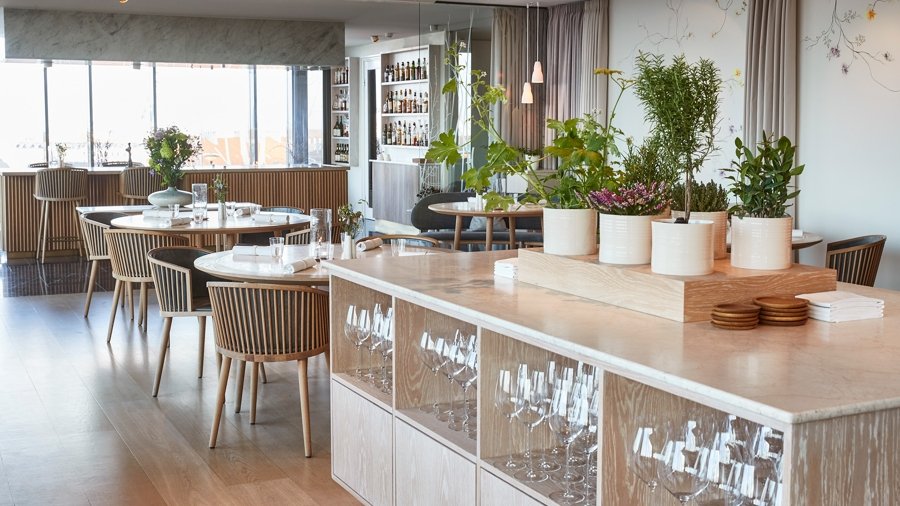
Guldbergsgade runs through the quieter residential stretch of Nørrebro, a neighbourhood that has become one of Copenhagen's more interesting eating and drinking corridors precisely because it resists the polish of the city centre. BRUS sits at number 29, occupying a converted industrial space of the kind that defines the area's approach to hospitality: high ceilings, exposed structural elements, and a footprint generous enough to house a working brewery alongside a bar and kitchen. Walking in, the brewing vessels are visible from the main floor. The space doesn't hide its production infrastructure behind a design layer; the equipment is part of the architecture.
Space as Argument: What the Interior Communicates
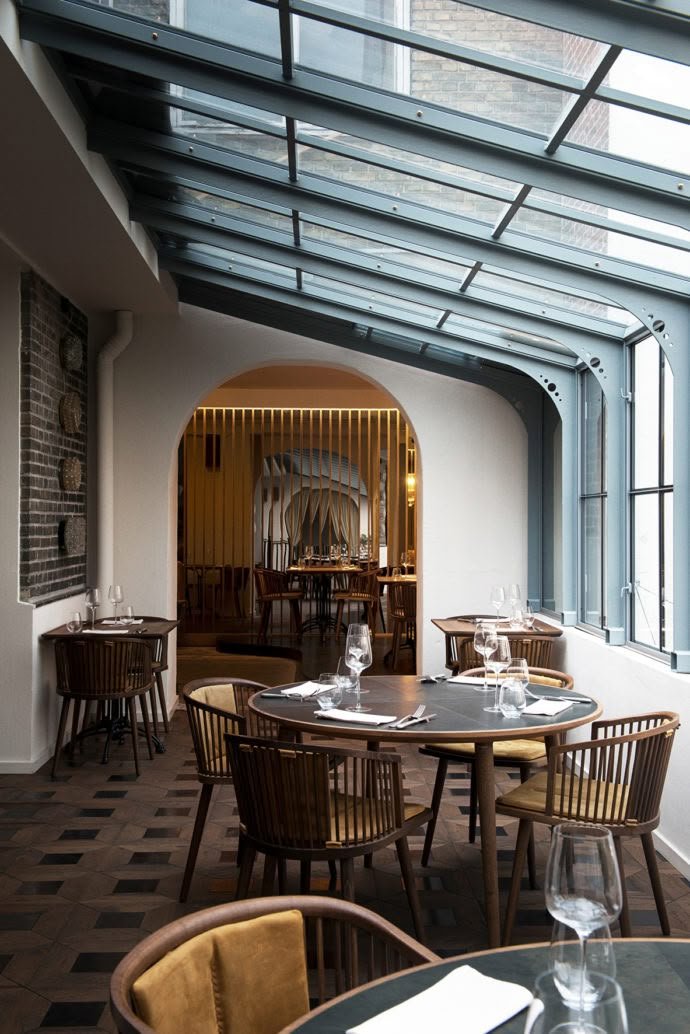
Copenhagen's most discussed drinking venues tend toward two formats: the intimate, low-light cocktail room and the open-plan neighbourhood tavern. BRUS belongs firmly to the second category, but with a scale that sets it apart from most. The industrial conversion format, common in cities like London and Berlin, arrived in Copenhagen later and with more restraint. At BRUS, the result is a room that feels functional rather than styled, which is its own kind of design statement. Long communal tables occupy the central floor, with smaller arrangements toward the perimeter. The brewing operation visible from the seating area anchors the room's identity in a way that no decorative gesture could replicate: what you are drinking is made here, and the space makes that legible.
This kind of vertical integration — production and consumption in the same room — has become a recognisable format in European craft beer culture, but it is less common in Copenhagen than in cities like Amsterdam or Brussels. Within the Danish capital's bar scene, BRUS occupies a distinct position by combining that format with a kitchen program and a tap list that extends well beyond its own production into broader Nordic and international craft brewing. For a comparison of Copenhagen venues that prioritise curation over production, Ruby and Charlie's Bar represent the cocktail-focused end of that spectrum.
The Tap List and What It Represents
The craft beer movement in Scandinavia consolidated quickly after its initial wave in the early 2010s, and Danish breweries now hold positions in the international conversation that would have seemed unlikely fifteen years ago. BRUS emerged from that consolidation period, founded by the team behind To Øl, one of the Danish breweries that built an international reputation through collaboration and experimentation rather than volume. That lineage matters for understanding the tap list: the house beers reflect an interest in pushing formats, and the guest taps reflect a curatorial sensibility that extends to producers working at a similar register elsewhere in Europe and beyond.
The kitchen program at BRUS follows a logic consistent with the space and the production focus: approachable, ingredient-driven food designed to work alongside beer rather than compete with it. In a city where the fine dining tradition runs deep, venues like BRUS serve a different but complementary function , they are where Copenhagen's food-aware population eats without ceremony, on evenings when a three-hour tasting menu is not the point. For those exploring Denmark's bar scene more broadly, Bardok in Aarhus and Hugos No. 19 in Køge offer useful regional comparisons.
Nørrebro's Position in the Copenhagen Drinking Map
Copenhagen's bar and restaurant geography has shifted over the past decade. Vesterbro, once the city's most talked-about neighbourhood for eating and drinking, now competes with Nørrebro and Frederiksberg for the kind of new openings that generate sustained attention. Nørrebro's advantage is demographic: a younger, more mixed population that supports a range of formats, from the corner bodega to the natural wine bar to the production brewery. BRUS sits at a point in Guldbergsgade that functions as a neighbourhood anchor rather than a destination-only address. Locals come on weekday evenings; visitors make the journey from the centre at weekends.
Getting there from the city centre takes roughly fifteen minutes by bike, which is how most Copenhageners would approach it, or slightly longer by metro and foot from Nørreport. The venue's address in the 2200 postal district places it well into residential Nørrebro rather than on its busier commercial edges. For those building a broader Copenhagen drinking itinerary, Bird and 71 Nyhavn Hotel offer contrast in format and atmosphere. Wine-focused options elsewhere in Denmark include Oasis Vinbar in København K, Visselulles Vinbar in Sønderborg, and No 43 in Hørsholm. For international context on what serious bar programming looks like in different cities, Bar Leather Apron in Honolulu and Jewel of the South in New Orleans are useful reference points. Our full Copenhagen restaurants guide maps the broader scene.
Planning Your Visit
BRUS operates as an all-day venue with the kitchen running from midday into the evening, which makes it one of the more flexible addresses in Nørrebro for visitors arriving at irregular hours. Weekend afternoons are when the communal tables fill to capacity and the production floor provides a backdrop to the kind of extended, unhurried session the space was designed for. Booking is advisable for larger groups given the communal table format, though walk-ins at the bar are standard for smaller parties. The address at Guldbergsgade 29 is easy to locate, and the venue's scale means it is rarely difficult to find a seat at the bar itself even on busier evenings.
Frequently Asked Questions
- What do regulars order at BRUS?
- The house beers from To Øl's production program are the natural starting point, given that the brewery operation is the venue's defining feature. Regulars tend to track the seasonal and small-batch releases, which rotate through the tap handles and represent the more experimental end of the brewing program. The kitchen's food menu, designed to pair with beer rather than stand independently, draws repeat visitors who treat the venue as a neighbourhood dining address rather than a destination bar.
- What should I know about BRUS before I go?
- BRUS is a working brewery and tap room in Nørrebro, Copenhagen's 2200 district, founded by the team behind To Øl. It is not a cocktail bar or fine dining address; the format is communal, casual, and production-focused. Prices align with Copenhagen's mid-range bar and casual dining tier, which means costs are higher than comparable venues in most European cities. The space is large by Copenhagen standards, but weekend evenings and weekend afternoons fill quickly, particularly the communal central tables.
- Is BRUS only about its own beers, or does the tap list include other producers?
- The tap list at BRUS extends beyond the house To Øl production to include guest beers from Nordic and international craft breweries, which positions it as a curated beer bar as much as a taproom. This dual identity, part production facility and part showcase for the wider craft beer conversation, reflects a programming approach more common in cities like Brussels or Amsterdam than in Copenhagen. For visitors with a serious interest in the current European craft beer scene, that curatorial layer is worth noting alongside the house releases.
A Lean Comparison
A quick snapshot of similar venues for side-by-side context.
| Venue | Notes | Price |
|---|---|---|
| BRUS | This venue | |
| Bird | ||
| Charlie's Bar | ||
| Ruby | ||
| Ancestrale | ||
| Baest |
Continue exploring
More in Copenhagen
Bars in Copenhagen
Browse all →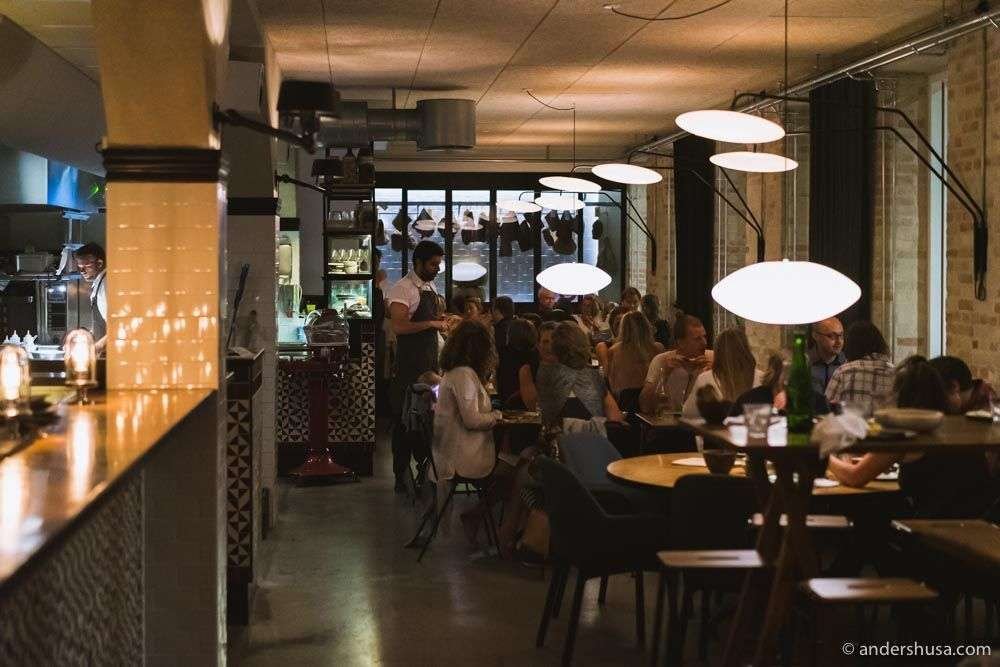
Restaurants in Copenhagen
Browse all →
At a Glance
- Lively
- Trendy
- Industrial
- Modern
- After Work
- Group Outing
- Casual Hangout
- Standalone
- Seated Bar
- Lounge Seating
- Outdoor Terrace
- Craft Beer
Buzzing industrial space in a former foundry with large windows, timber bar, Scandinavian minimalism, and lively atmosphere.