Google: 4.6 · 616 reviews
Basant Modern Indian Restaurant
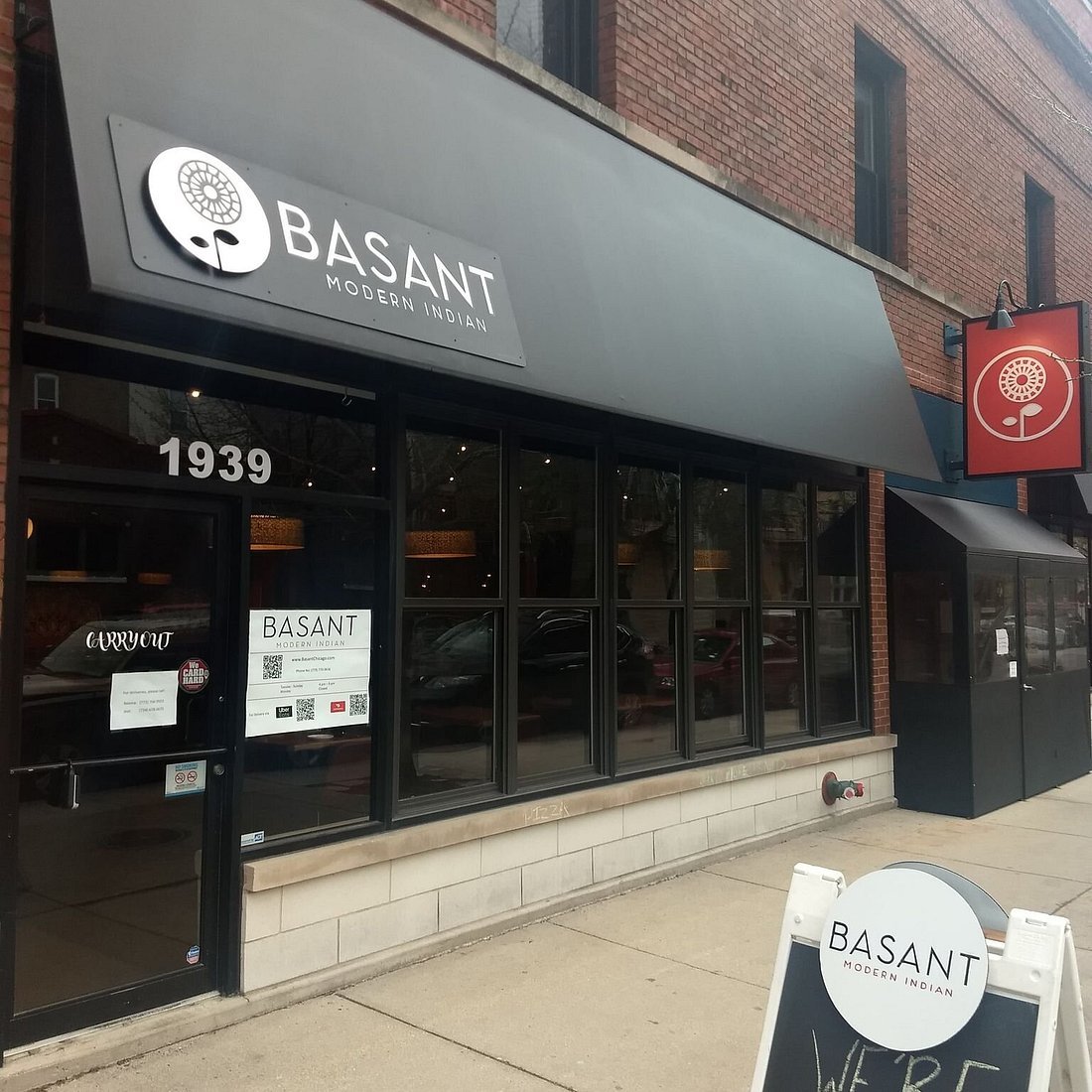
Basant Modern Indian Restaurant occupies a residential stretch of Irving Park at 1939 W Byron St, bringing a contemporary approach to Indian cooking into one of Chicago's quieter north-side neighbourhoods. The room and its menu sit at the intersection of South Asian culinary tradition and modern Chicago dining sensibility, making it a notable addition to the city's evolving Indian restaurant scene.
 Discover on Pearl
- Address
- 1939 W Byron St, Chicago, IL 60613
- Phone
- +1 773 770 3616
- Website
- basantchicago.com
A Neighbourhood Room With a Point of View
Irving Park's Byron Street is not where Chicago's dining establishment typically looks for its next reference point. The north side block is residential in character, the kind of street where a restaurant has to earn its place through word-of-mouth rather than foot traffic. Basant Modern Indian Restaurant at 1939 W Byron St occupies exactly that kind of position: a neighbourhood address that signals a deliberate departure from the downtown visibility game.
The choice of location says something about what modern Indian dining in Chicago has become. A decade ago, the city's Indian restaurant scene was concentrated in Devon Avenue's dense stretch and a handful of South Loop outposts. The newer cohort of modern Indian rooms has been more scattered, more interested in neighbourhood integration than ethnic-enclave clustering. Basant sits inside that shift, placing itself among the north side's residential dining culture rather than alongside its historic peers on Devon.
What the Room Communicates
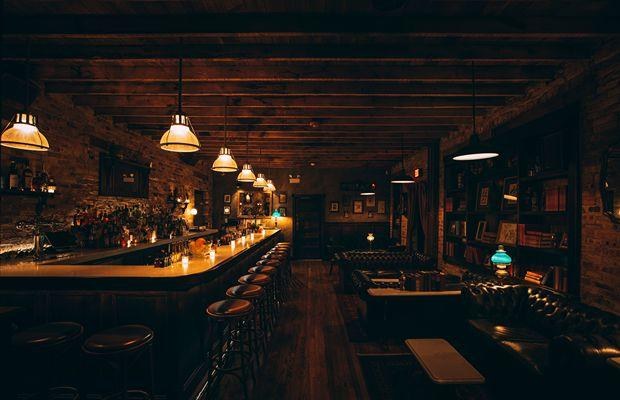
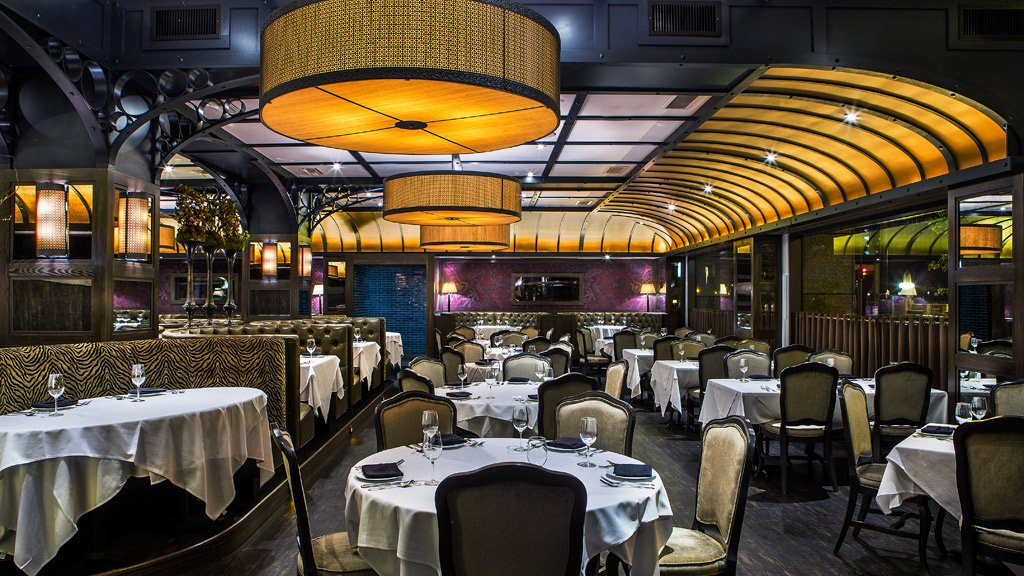
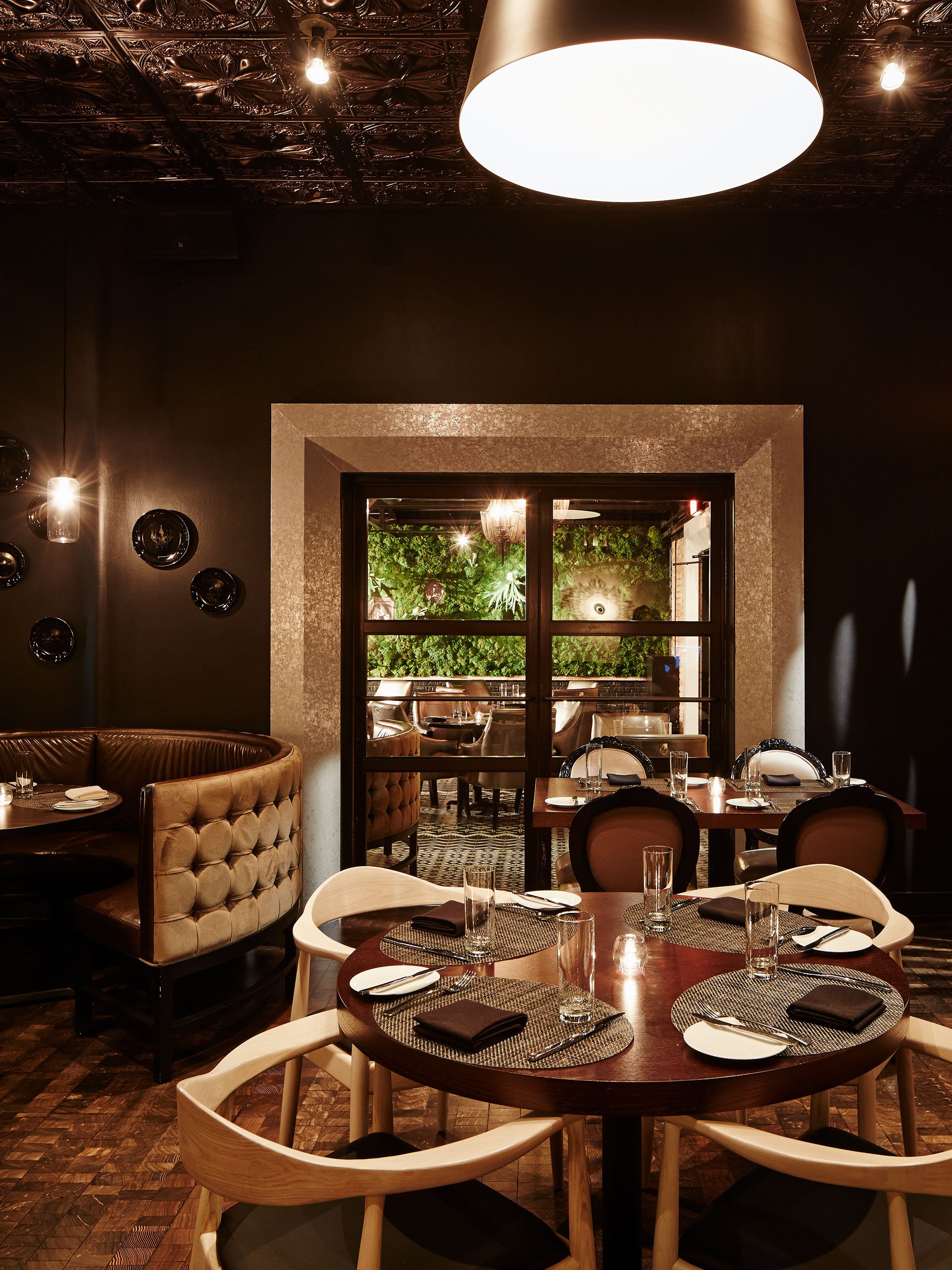
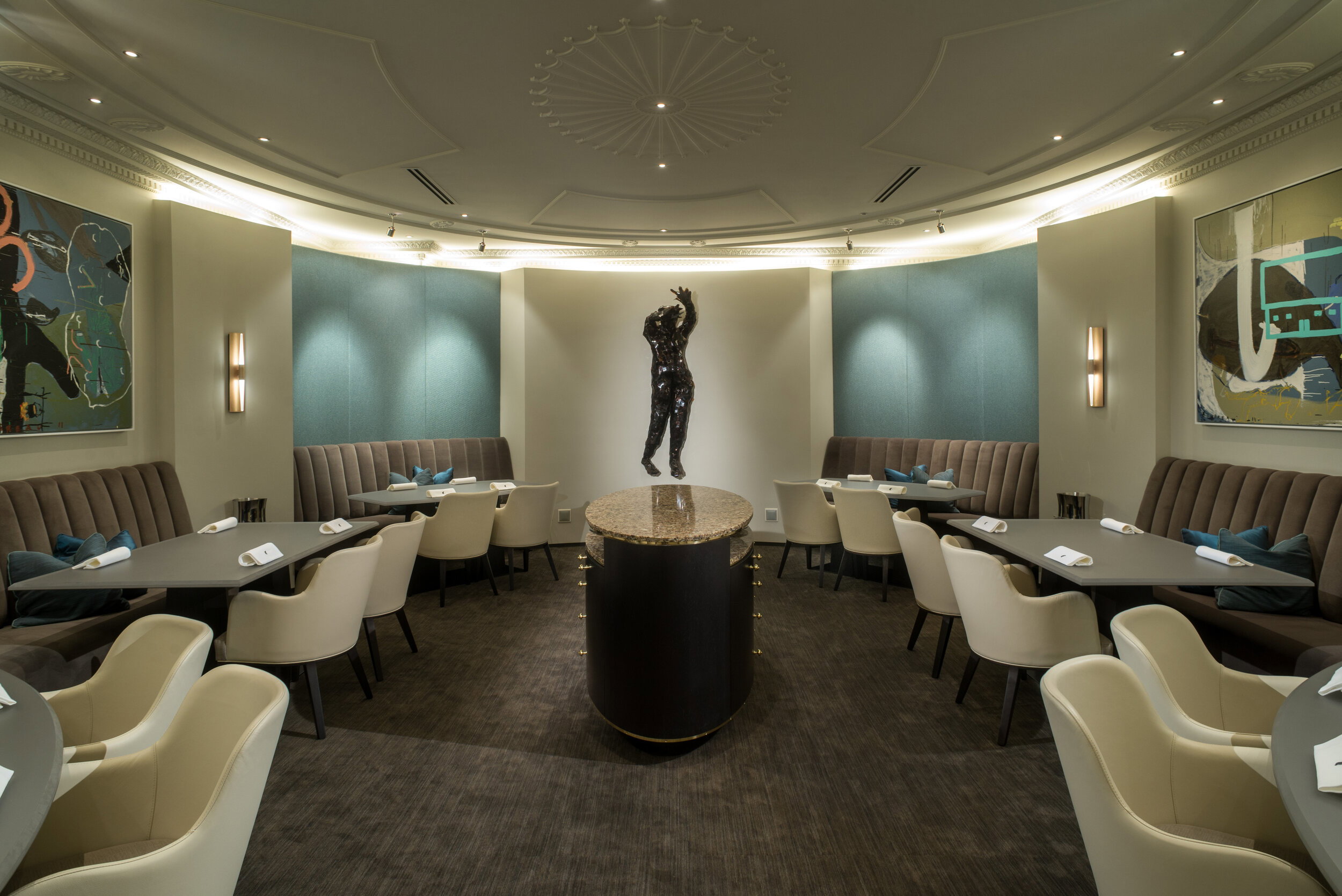
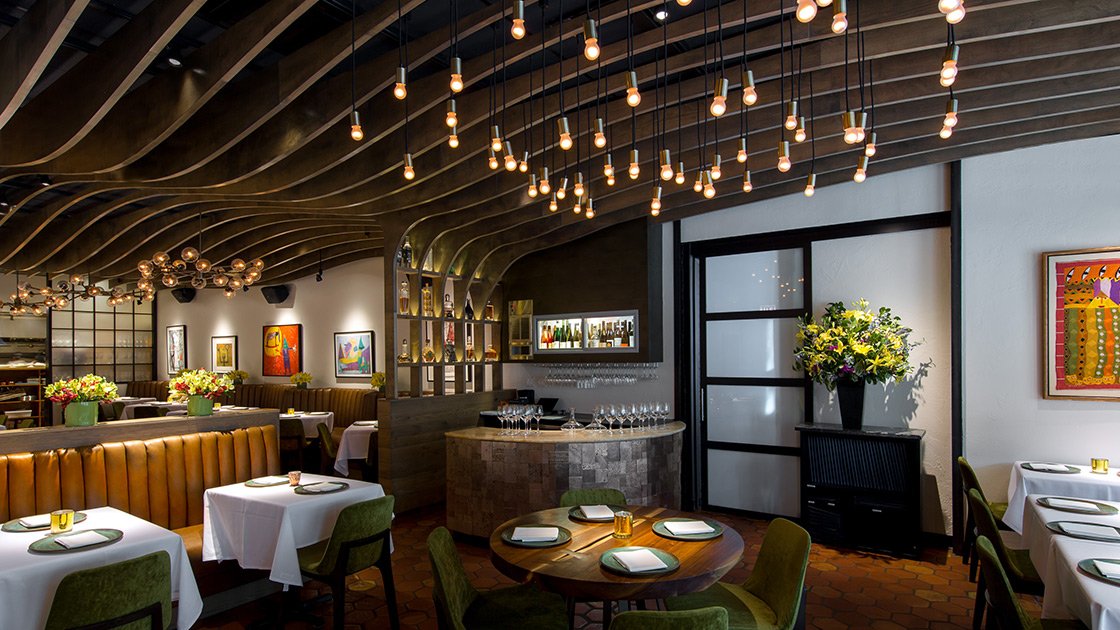
Atmosphere at restaurants in this category tends to operate in one of two registers: the high-contrast drama of exposed brick and dim Edison bulbs that became shorthand for 'modern' in the mid-2010s, or a cleaner, more restrained approach that lets the food carry the visual weight. Modern Indian rooms in American cities have increasingly moved toward the latter. The cuisine's colour palette is already vivid enough — turmeric golds, tamarind browns, coriander greens — that a quieter physical environment often works in the food's favour, letting plating choices read more clearly against neutral backdrops.
The Irving Park address, away from the sensory competition of a dense commercial corridor, supports that kind of focused dining. Approaching a restaurant on a quieter residential block changes the psychological framing before you've sat down. There's less ambient noise to compete with, less visual clutter. It's a format that works particularly well for a cuisine where aromatic complexity is central to the experience , where you want attention undiluted before the first course arrives.
Modern Indian Cooking in Chicago's Current Context
Chicago's Indian restaurant category has undergone a measurable shift over the past several years. The traditional buffet-and-tandoor format that defined the Devon Avenue corridor for decades has been joined by a smaller tier of restaurants interested in regional specificity, modern plating conventions, and wine-forward beverage programs. Cities like New York, London, and San Francisco have had this conversation for longer, but Chicago's version is now substantive enough to constitute its own scene rather than an echo of coastal trends.
Modern Indian cooking in this context typically means one of several things: a tasting-menu approach with South Asian flavour profiles; a regional focus that moves beyond the northern Indian default of most Western-facing restaurants; or a bar program sophisticated enough to sit alongside the food rather than being an afterthought. The most compelling rooms in this tier tend to do at least two of these things credibly. Where Basant positions itself within that framework is part of what makes it worth attention from anyone tracking the category across American cities.
For context, Chicago's cocktail scene has developed considerable depth at venues like Kumiko, Leading Intentions, and Bisous, alongside newer entrants like Lemon. Restaurants operating in adjacent price tiers now compete with those bars for the same discretionary dining budget, which has raised expectations for beverage programs across the board. A modern Indian room that takes its drinks seriously has a clear competitive angle in that environment.
Drinks, Pairings, and the Signature Question
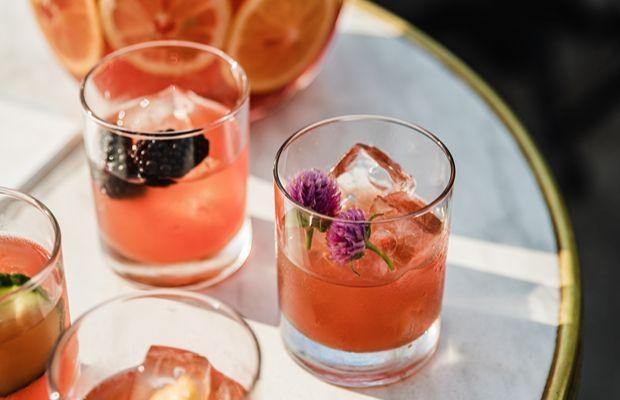
The question of what constitutes a signature drink at a modern Indian restaurant is more interesting than it sounds. Indian cuisine presents genuine pairing challenges and opportunities: the fat in dairy-rich preparations calls for different approaches than the acidity of tamarind-forward dishes, while the heat from chilies interacts unpredictably with high-tannin wines and most classic spirit-forward cocktails. Bars that have solved this well, whether through lassi-inspired builds, low-ABV formats, or ingredient-driven cocktails that mirror the kitchen's spice vocabulary, have found a distinct identity that pure spirits bars can't replicate.
Across American cities, modern Indian bars and restaurants have become increasingly sophisticated about this. Venues like Superbueno in New York City and ABV in San Francisco demonstrate how a considered beverage program becomes a defining element of a restaurant's identity rather than a supporting role. The same dynamic has reached Chicago, where the bar program at any serious modern dining room is now read as an editorial statement about the restaurant's ambitions. Further afield, venues like Bar Leather Apron in Honolulu, Jewel of the South in New Orleans, Julep in Houston, Allegory in Washington, D.C., and The Parlour in Frankfurt on the Main each illustrate how a restaurant or bar's drink philosophy shapes the entire dining occasion. Basant's position in this conversation will depend on how seriously its beverage program engages with the food.
Irving Park as a Dining Destination
Irving Park as a dining neighbourhood is still building its identity. The north side has seen significant restaurant activity in recent years, with Avondale and Logan Square absorbing much of the attention. Irving Park sits adjacent to those corridors without quite belonging to either, which gives restaurants there a degree of independence from trend cycles. A room that earns a reputation on Byron Street has done so through consistent execution rather than proximity to already-established dining clusters.
That insularity from trend pressure can work in a restaurant's favour over time. Devon Avenue's Indian restaurants built their reputations over decades precisely because they weren't chasing seasonal dining media cycles. A modern Indian room in Irving Park, if it executes at a high enough level, has the potential to develop a similarly durable following, one built on repeat neighbourhood diners and destination visitors who seek it out specifically, rather than the more volatile audience that moves with critical attention.
For a broader map of where Basant sits relative to Chicago's dining options, our full Chicago restaurants guide covers the city's neighbourhoods and category leaders in detail.
Know Before You Go
Planning Details
- Address: 1939 W Byron St, Chicago, IL 60613
- Neighbourhood: Irving Park, north side Chicago
- Category: Modern Indian restaurant
- Phone / Website: Contact details not currently listed; check Google Maps or local reservation platforms for current booking options
- Reservations: Given the residential location and likely limited seat count typical of neighbourhood modern Indian rooms, booking ahead is advisable, particularly for weekend service
- Getting There: The Irving Park CTA Blue Line stop is within walking distance of the Byron St address; street parking is available on surrounding residential blocks
- Leading Season: Chicago's late spring through early autumn (May to October) makes the north side neighbourhood walk particularly appealing, and restaurant patios in the area tend to operate during those months
Peers in This Market
A small set of peers for context, based on recorded venue fields.
| Venue | Cuisine | Price | Notes |
|---|---|---|---|
| Basant Modern Indian Restaurant | This venue | ||
| Kumiko | |||
| Bisous | |||
| The Aviary | |||
| Three Dots & a Dash | |||
| Best Intentions |

At a Glance
- Trendy
- Modern
- Lively
- Date Night
- Casual Hangout
- Standalone
- Seated Bar
- Craft Cocktails
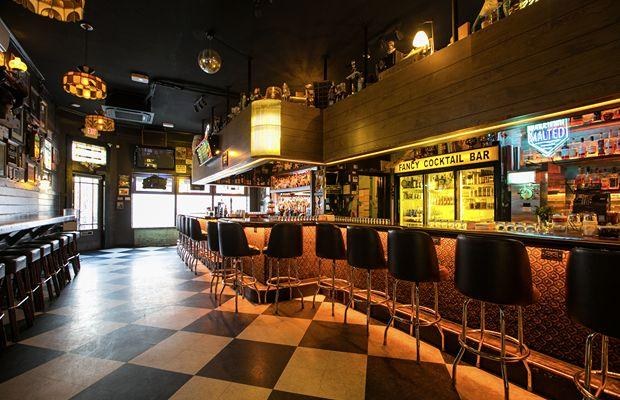
Vibrant, hip atmosphere with moderate noise, pleasant buzz, and amazing ambiance.