Google: 4.5 · 1,201 reviews
45 Jermyn St.
45 Jermyn St. sits in the heart of St. James's, one of London's most historically loaded streets, operating as a restaurant and bar that draws on the neighbourhood's long tradition of unhurried, well-dressed hospitality. The address places it squarely in the company of gentlemen's clubs and tailors rather than the louder Soho dining circuit, which shapes everything from the pace of service to the tenor of the room.
 Discover on Pearl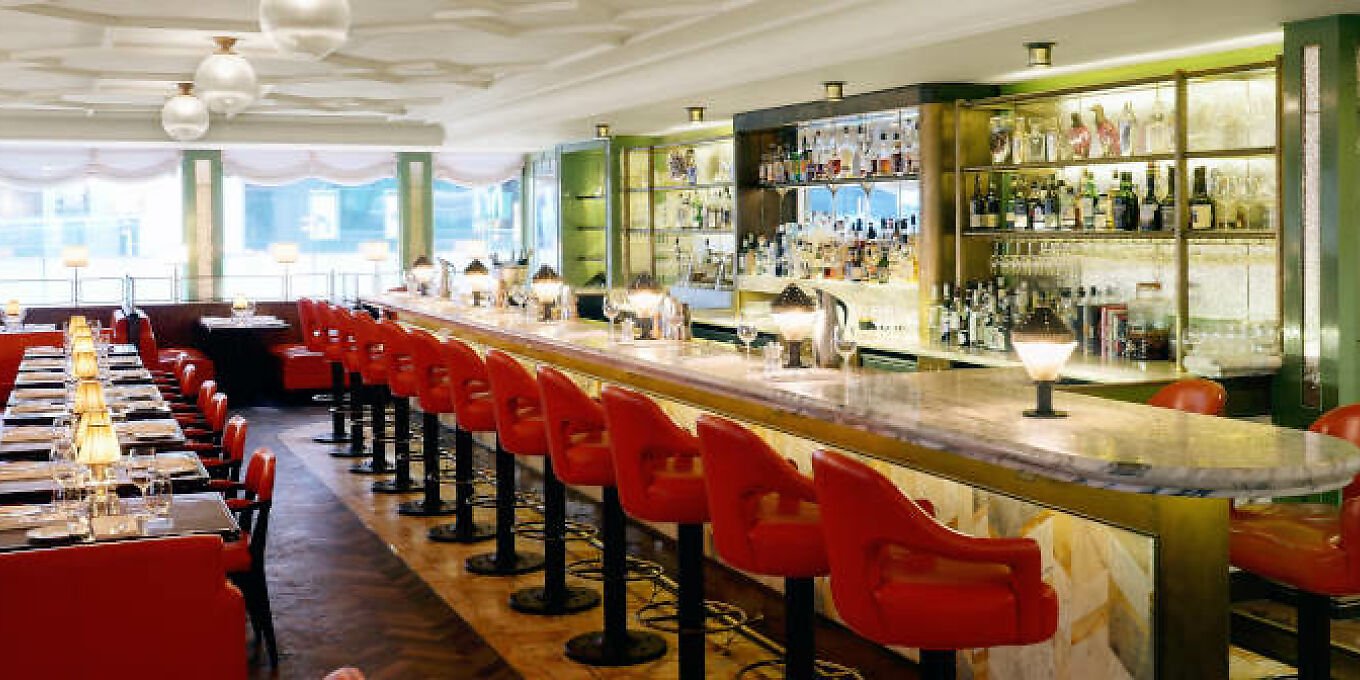
St. James's and the Grammar of a Certain Kind of London Room
Jermyn Street has always operated on a different register from the rest of central London's eating and drinking scene. The street runs parallel to Piccadilly, one block south, and its identity is built around a particular kind of permanence: shirtmakers who have occupied the same premises for generations, cheese shops, parfumiers, and a quiet insistence that the leading things in the city do not need to announce themselves. 45 Jermyn St. inherits that address, and the address does considerable editorial work before a guest sits down.
St. James's as a dining destination has always been slightly at odds with the rhythm of London restaurant media. The neighbourhood's regulars tend to be loyal and discreet; the area does not generate the kind of opening-week social media noise that drives coverage of a new Shoreditch or Fitzrovia restaurant. That relative quiet is a feature, not a gap. For those who have spent time in this part of the city, a room in St. James's that holds its composure is more compelling than one performing for attention.
The Neighbourhood Frame: What Jermyn Street Asks of a Venue
The Jermyn Street address sets an expectation that few parts of London can replicate. The street's northern side looks onto Fortnum and Mason; its western end terminates near St. James's Street itself, where Boodle's, White's, and Berry Bros. and Rudd have occupied their premises for centuries. A restaurant operating here is in implicit conversation with that context, whether it chooses to be or not.
London's St. James's dining tier sits in a specific competitive position. It is not the theatrical fine-dining corridor of Mayfair's Michelin addresses, nor the accessible neighbourhood-restaurant model of Islington or Bermondsey. Instead, it occupies a middle ground where the expectation is comfort, reliability, and a room that works for a long lunch or an early dinner without requiring the diner to perform enthusiasm. Venues like Quo Vadis in Soho gesture at a similar tradition, though Quo Vadis carries a different kind of cultural weight rooted in its Soho bohemian history. The Jermyn Street model is less about counter-cultural prestige and more about a kind of inherited ease.
Within London's bar scene, the contrast is equally instructive. Technically driven programmes at places like 69 Colebrooke Row in Islington or the format-conscious approach at A Bar with Shapes For a Name represent one end of the London cocktail conversation. The St. James's end of that conversation is less interested in provocation and more in what a well-made classic drink looks like in a room with good light and no background music competing for attention. Academy and Amaro offer further points of reference for how London bars calibrate between technical ambition and hospitality comfort.
London's Club-Adjacent Dining Tradition
The concept of a restaurant that functions like a private members' club without the membership fee has a long history in London, and St. James's is where that tradition is most concentrated. The underlying logic is that a certain kind of diner wants to feel known rather than discovered, wants a room that rewards return visits rather than one-time spectacle, and wants food and drink that confirms rather than challenges. This is not a lesser aspiration; it is a different one, and the venues that execute it well are as difficult to sustain as any technically ambitious kitchen.
Across the UK, the bar and restaurant venues that occupy this register share certain characteristics regardless of city. Merchant Hotel in Belfast operates in a similarly formal, historically weighted space. Schofield's in Manchester brings comparable attention to the classicist cocktail tradition. Bramble in Edinburgh has built a loyal following on a similar basis of consistency over novelty. Even further afield, Horseshoe Bar Glasgow demonstrates how a room's physical character and its relationship to a specific clientele can outlast any given trend. In each case, the venue's staying power comes from serving a clearly defined audience rather than chasing a broader one.
The international comparison is useful too. Bar Leather Apron in Honolulu and L'Atelier Du Vin in Brighton both demonstrate that the classicist, comfort-first bar model is not a London-specific phenomenon, though London's version is particularly shaped by its relationship to older institutional culture. Mojo Leeds takes a different approach entirely, which clarifies by contrast what a St. James's address implies about tone and pace.
What to Expect in the Room
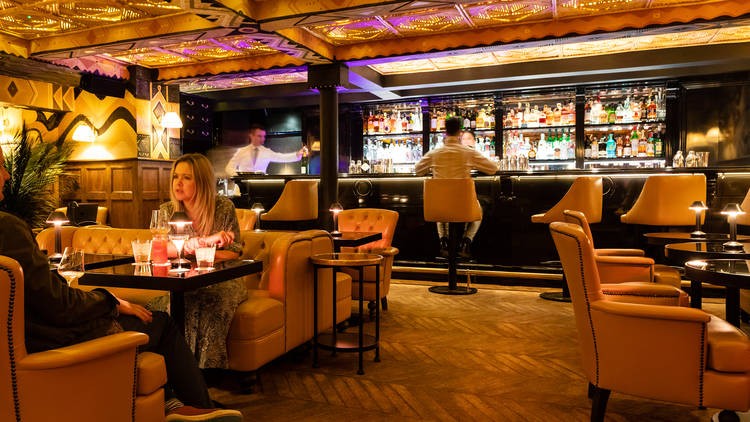
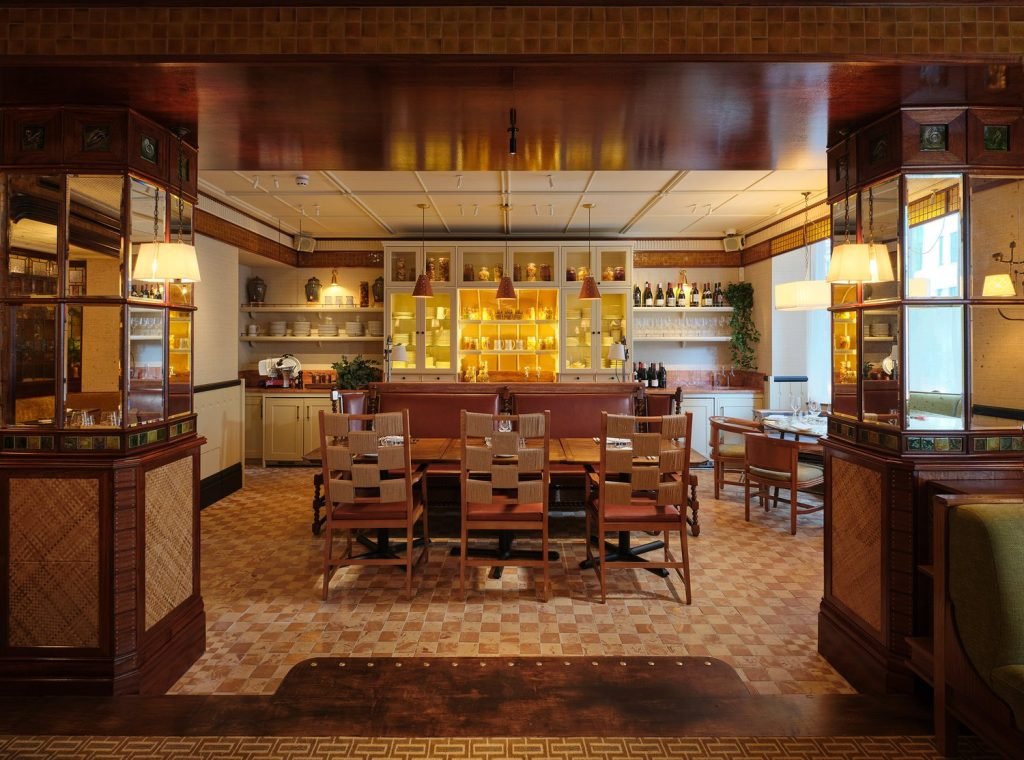
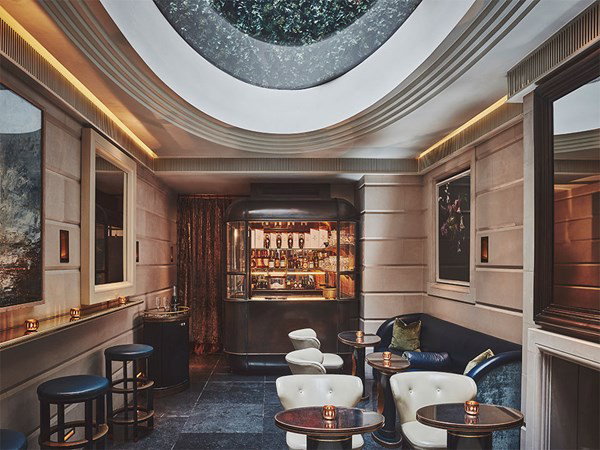
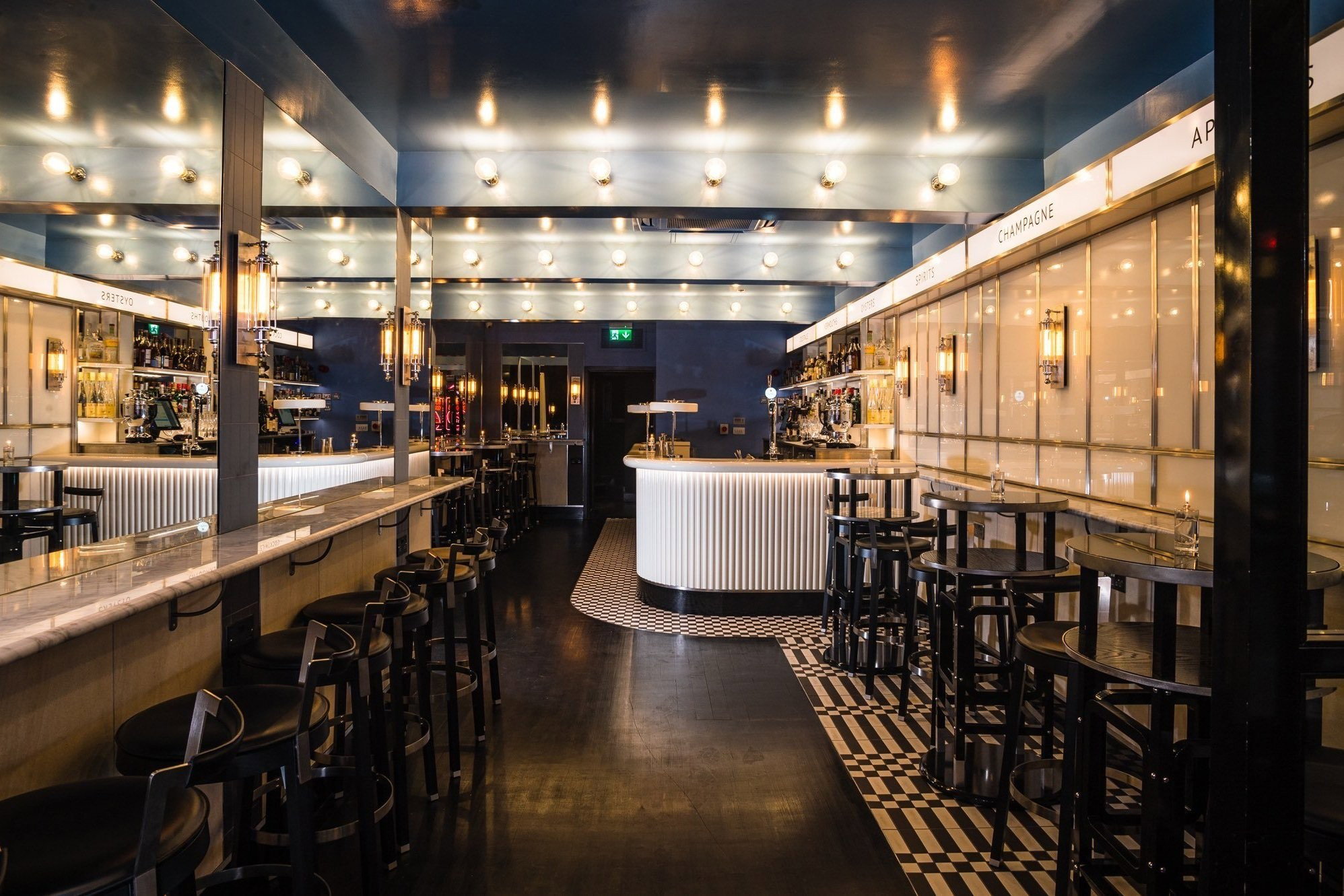
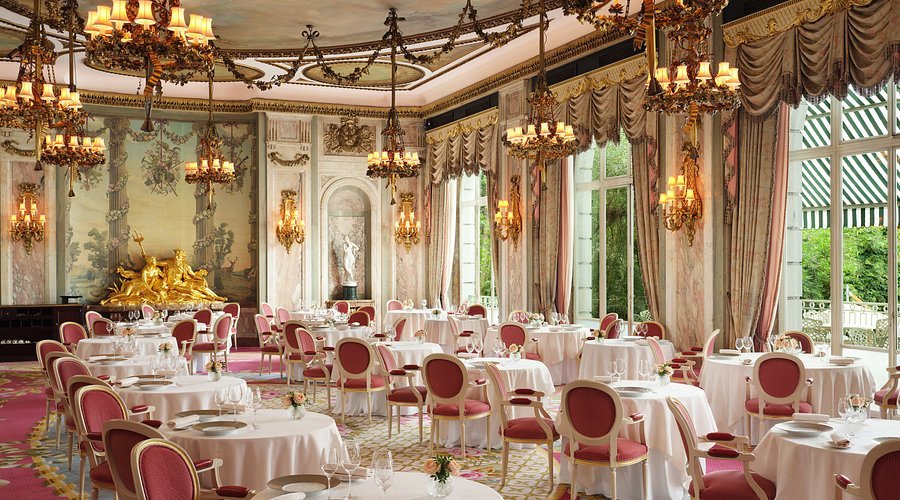
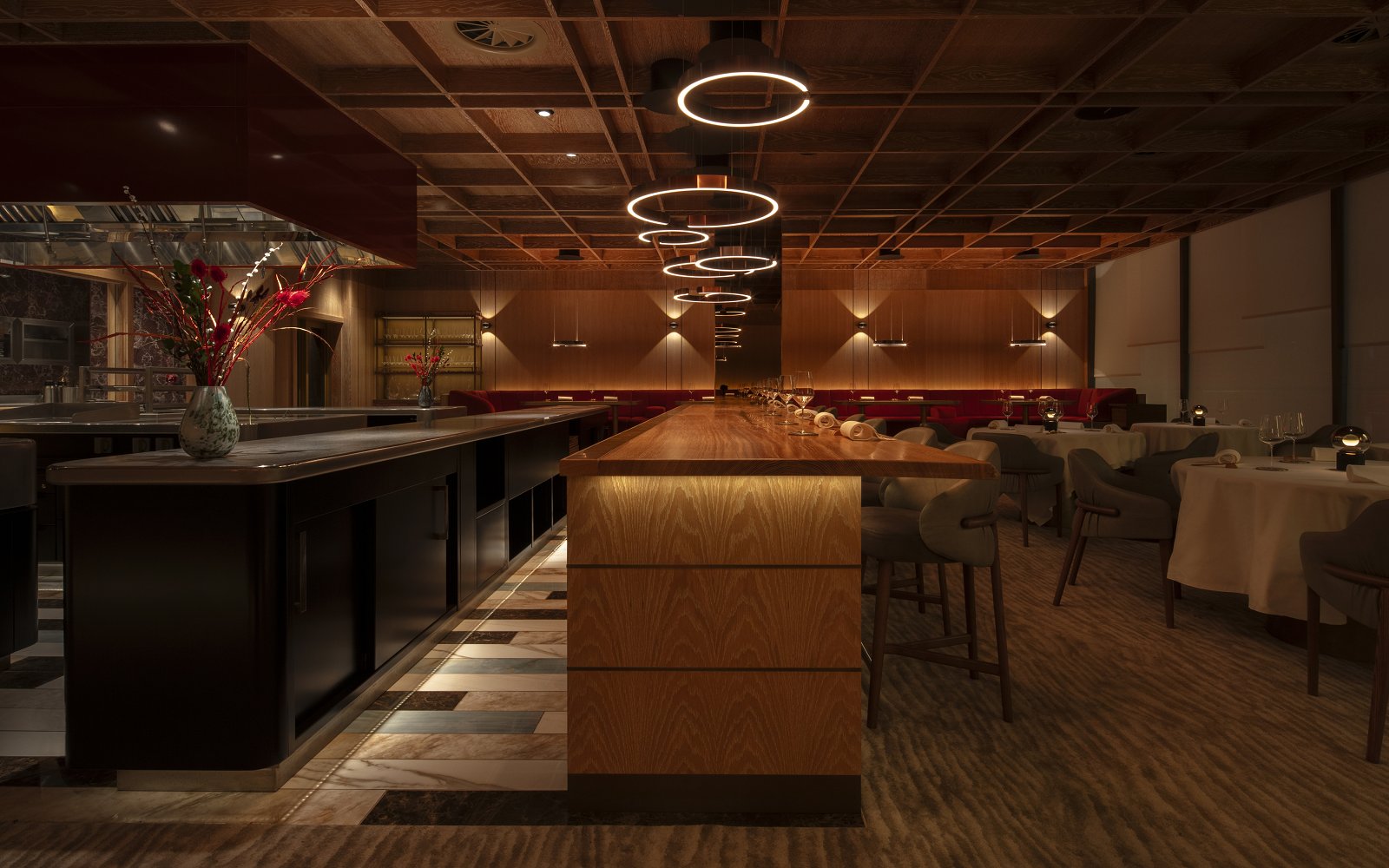
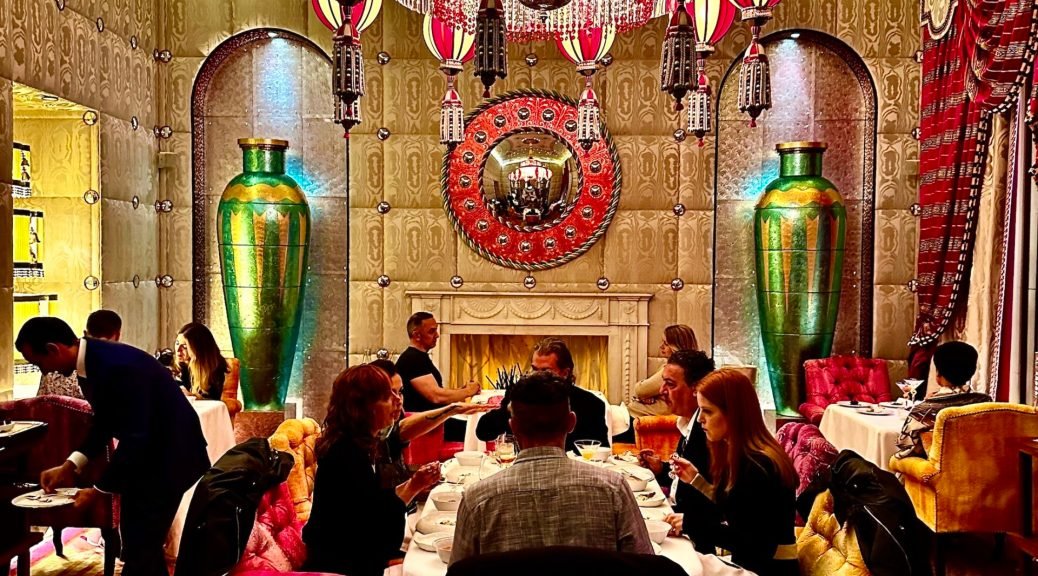
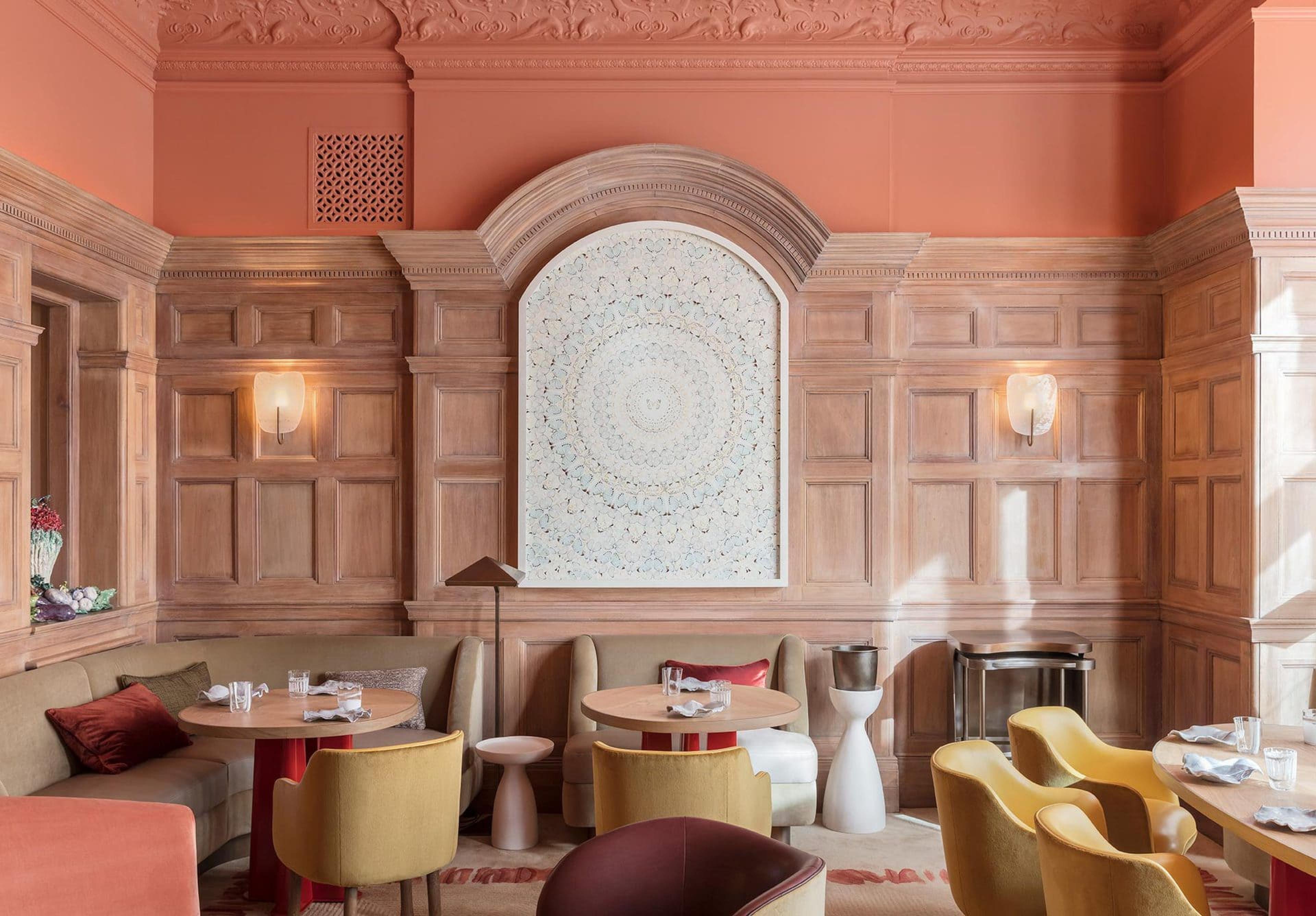
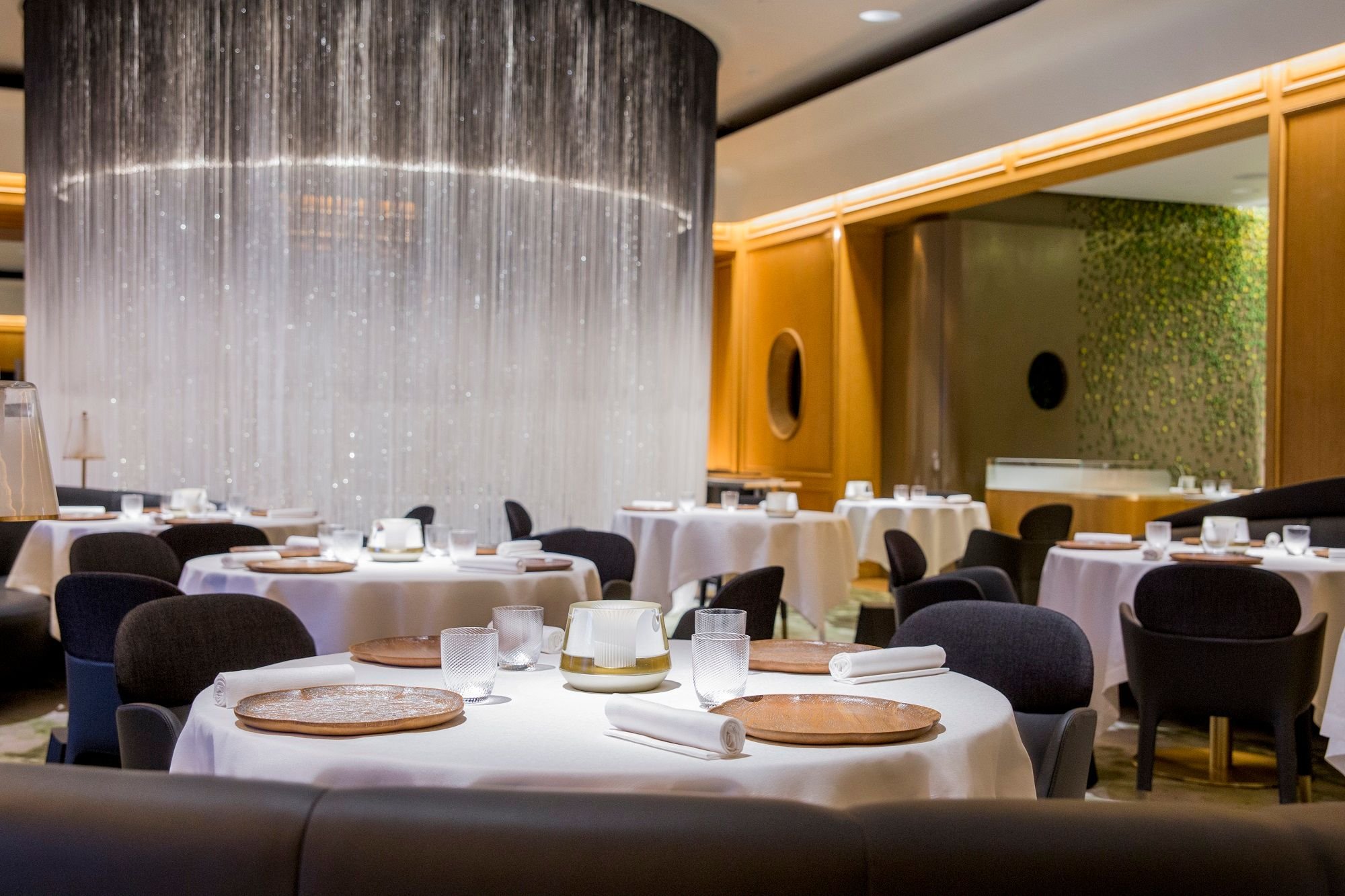
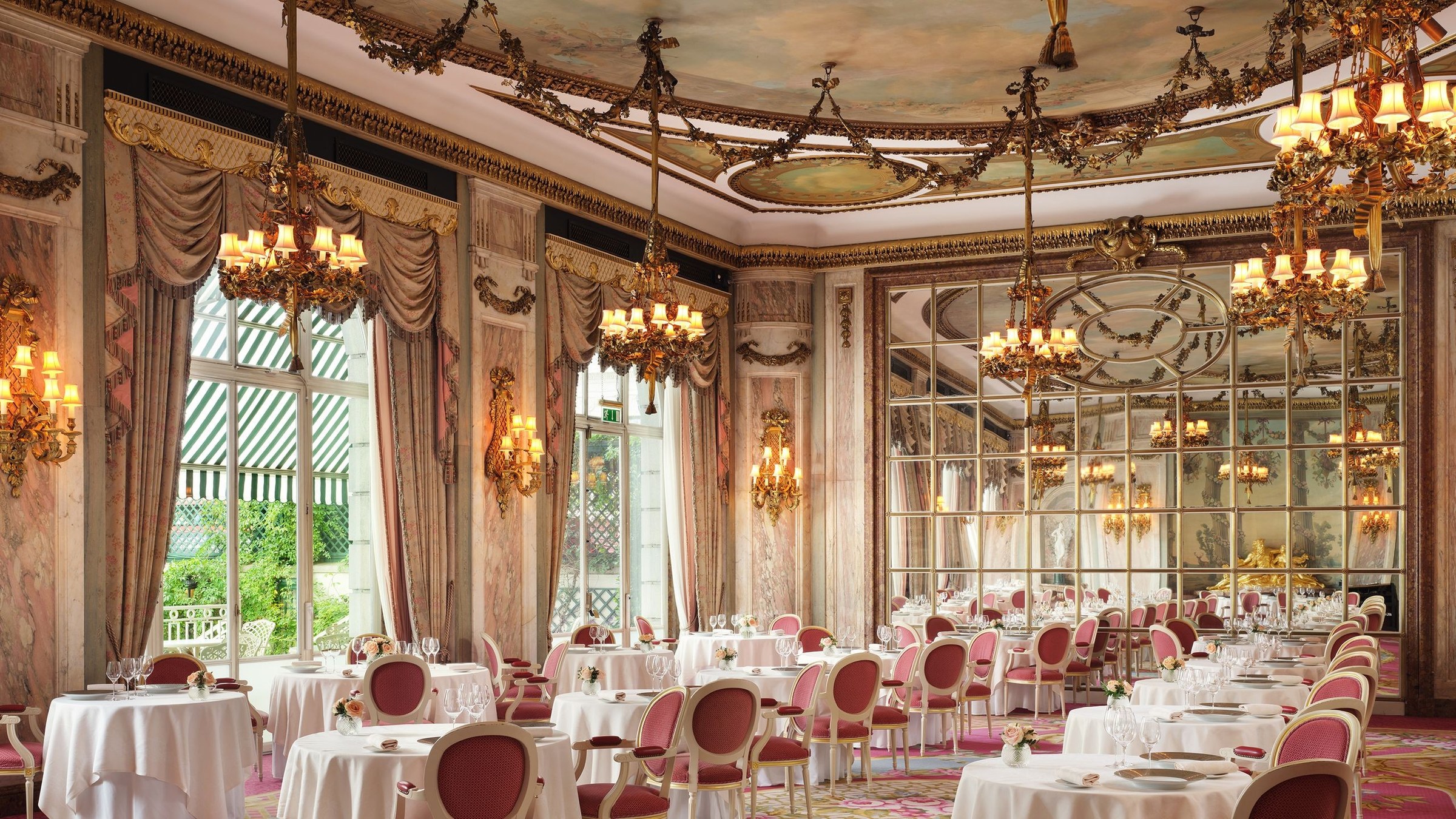
The atmosphere at 45 Jermyn St. is shaped by its neighbourhood more than by any single design decision. St. James's rooms tend toward the warm and the unhurried; the prevailing mood is one of people who have been coming to this part of London for a long time and are not in any particular rush to leave. The physical environment carries the weight of the address: proportioned spaces, materials that have been here long enough to show their age without looking tired, and a pace of service that treats the meal as the event rather than as a vehicle for table turns.
Bar function in a room like this one operates differently from a standalone cocktail venue. It tends to anchor the experience rather than compete with the kitchen for attention, and the drink list is more likely to reward a guest who knows what they want than one looking for a conversation-starter. That is a considered position in a market where technically inventive bars actively court drinkers who want to be educated.
Planning Your Visit
45 Jermyn St. sits at 45 Jermyn St, London SW1Y 6DN. The nearest Underground stations are Green Park and Piccadilly Circus, both within a short walk. The neighbourhood is leading approached from the St. James's Street end if arriving from Green Park, or from Piccadilly itself via the Piccadilly Circus exit. The area is quiet relative to the surrounding West End, which makes it a reasonable choice for a weekday lunch that does not require navigating tourist-heavy streets.
| Venue | Area | Register | Leading For |
|---|---|---|---|
| 45 Jermyn St. | St. James's | Club-adjacent, unhurried | Long lunch, neighbourhood return visits |
| Quo Vadis | Soho | Creative, culturally engaged | Dinner with a more eclectic crowd |
| Bar Termini | Soho | Compact, espresso-and-aperitivo | Short visit, pre-theatre |
| Happiness Forgets | Hoxton | Low-lit, bartender-led | Cocktail focus, later evening |
| Nightjar | Old Street | Theatrical, live music | Occasion drinking, East London |
For a broader view of where 45 Jermyn St. fits within the city's dining and drinking circuit, see our full London restaurants guide.
The Short List
A short peer set to help you calibrate price, style, and recognition.
| Venue | Notes | Price |
|---|---|---|
| 45 Jermyn St. | This venue | |
| Bar Termini | ||
| Callooh Callay | ||
| Happiness Forgets | ||
| Nightjar | ||
| Quo Vadis |
At a Glance
- Elegant
- Sophisticated
- Classic
- Date Night
- After Work
- Special Occasion
- Celebration
- Historic Building
- Design Destination
- Seated Bar
- Lounge Seating
- Booth Seating
- Outdoor Terrace
- Classic Cocktails
- Craft Cocktails
1950s New York style with green walls, orange leather booths, deep-orange banquettes, and a vibrant yet elegant atmosphere.